













Plot Explained Spoilers guaranteed!
Plot Explained

Browse by genre

Eleven Samurai (1967) movie poster

Timeline

Eleven Samurai (1967) Timeline Explained – Every Event in Order

Release, runtime and language
1967 · 95 mins · Japanese
JustWatch #2,217 17
Directed by
Eiichi Kudo
Starring
Kei Satô, Isao Natsuyagi, Masaomi Kondo, Masaru Shiga, Kōtarō Satomi, Kenji Ikeda

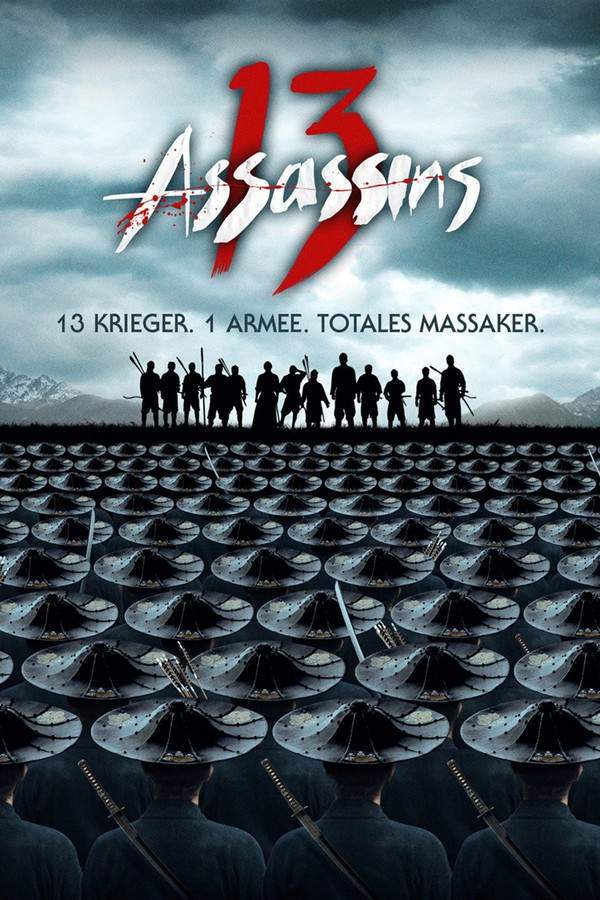
The lord of the Oshi fief is slain by his trespassing neighbor, the ruthless Nariatsu, son of the former shogun. An investigation pins the crime on the Oshi clan, which is ordered to be dissolved. Defying the sentence, eleven of the clan’s finest samurai rally to protect their honor and sacrifice everything for justice.

On this page (6)
  1. 1 Where to watch
  2. 2 Events in order (15)
  3. 3 Timeline questions answered
  4. 4 Movie threads
  5. 5 Movies like Eleven Samurai
  6. 6 Every angle

Where to watch

Where to Watch Eleven Samurai (1967)

Where can you watch Eleven Samurai? Stream, rent or buy it in the US, including on Amazon Prime Video, HBO Max and Kanopy: current JustWatch availability with up-to-date prices.

Streaming availability powered by JustWatch

15 events in order · contains spoilers

Eleven Samurai Timeline: Events in Chronological Order

Every key event of Eleven Samurai (1967) in order, scene by scene, with when and where it takes place. Use it to untangle flashbacks, time jumps and parallel storylines, to refresh your memory before the sequel or to find the exact scene you are thinking of.

  1. Nariatsu confronts Abe Masayori and kills him

    While hunting near the border of the Oshi fief, Lord Nariatsu is confronted by Clan Lord Abe Masayori after a vassal is killed. In a fit of pique, Nariatsu strikes and kills Abe Masayori, triggering a crisis of honor and a demand for justice. The incident immediately alters the balance of power between the Oshi and Abe factions.

    When
    November 1839
    Where
    Oshi fief outskirts
  2. Mizumo rewrites the incident to protect the Shogun's honor

    Mizumo, the Chief Secretary, takes control of the narrative and blames Abe Masayori for the incident. His rewrite hides Nariatsu’s provocation and aims to protect the Shogun’s prestige. The political move escalates the drive to punish the Oshi fief regardless of the truth.

    When
    shortly after the murder
    Where
    Edo, Council of Elders
  3. Oshi fief is abolished; compensation arranged

    The council decrees that the Oshi fief be abolished by the month’s end. To quell the anger, the income from the lands is assigned to Lord Nariatsu as compensation. The measure is designed to spare the Shogunate public embarrassment despite the underlying injustice.

    When
    end of November 1839
    Where
    Edo
  4. Tatewaki seeks vengeance and calls on Hayato

    Angered by the miscarriage of justice, Chief Retainer Tatewaki seeks aid from his childhood friend Sengoku Hayato and asks him to avenge their lord's murder. Hayato agrees to assemble a small band of loyal samurai to pursue the vendetta. The decision marks the start of a dangerous mission.

    When
    late November 1839
    Where
    Edo
  5. Hayato forms a loyal band of 11 samurai

    Hayato gathers ten Oshi fief samurai and forms a compact, loyal band that vows to trade their lives for justice. They commit to avenging their lord and persevere despite the odds. Daijuro, a wandering ronin, later joins to strengthen their cause.

    When
    shortly after recruitment
    Where
    Oshi/Edo border
  6. Daijuro the rōnin joins the group in Edo

    Ido Daijuro joins the band in Edo after the others travel to pursue Nariatsu. The ronin brings a personal motive tied to his family’s tragedy and readiness for lethal vengeance. His addition strengthens the group for the deadly path ahead.

    When
    on the journey to Edo
    Where
    Edo
  7. Ambush plan laid as Nariatsu travels from Edo

    The eleven samurai plan to ambush Nariatsu as he travels from Edo’s brothels toward the safety of his Tatebayashi castle, using the element of surprise against his escort. The ambush location is chosen along the river route to the fief. The episode tests their discipline and loyalty of all eleven samurai.

    When
    before the ambush
    Where
    Edo to Tatebayashi route
  8. A letter halts the planned killing

    Just before the ambush, Hayato receives a letter from Tatewaki ordering him not to kill Nariatsu, citing a likely reversal of the abolition decision. Mizumo’s lies have created a fragile political trap, and some samurai hesitate while others obey. Hayato enforces obedience as his code dictates, suppressing doubt for the mission.

    When
    before ambush
    Where
    on the road toward Edo
  9. Daijuro discloses Hayato's motive and Orie's jigai

    Daijuro reveals that Hayato has more reason to disobey than the others because his wife Orie has already committed jigai in anticipation of Nariatsu’s death. The revelation complicates the band’s resolve and deepens the moral stakes. Still, the group remains committed to fulfilling their oath under current orders.

    When
    before ambush
    Where
    on the road
  10. Mizumo's lie uncovered; Tatewaki orders the killing

    Tatewaki learns that Mizumo lied about the intention to spare the Oshi fief and rides to Hayato demanding Nariatsu’s death. The revelation triggers his decision to push forward, even while he recognizes the manipulation. Tatewaki’s escalation pushes the vendetta toward its violent climax.

    When
    before ambush
    Where
    on the road / Edo
  11. Tatewaki commits seppuku

    Overcome by shame and the deceit, Tatewaki commits seppuku to atone for his role in the scheme. His act removes a key obstacle to the vendetta and intensifies the samurai’s vow. The eleven avengers press toward vengeance with renewed resolve.

    When
    before ambush
    Where
    Edo
  12. The pursuit reaches the river crossing

    The eleven samurai close in on Nariatsu and his escort at the river crossing to his fief, where rain slows the movement and heightens tension. The guards number around fifty, creating a formidable obstacle. The pursuit builds toward a decisive clash.

    When
    late November 1839
    Where
    river crossing near Tatebayashi fief
  13. A great battle; Nariatsu is slain

    A great battle erupts between Hayato’s group and Nariatsu’s bodyguards. Hayato delivers the fatal strike that kills Nariatsu, sealing his fate amid the chaos. Only Gyobu and Hayato survive the initial confrontation, their futures now shrouded in uncertainty.

    When
    late November 1839
    Where
    river crossing
  14. Daijuro completes the vengeance and departs

    Daijuro arrives and has already dispatched the last of Nariatsu’s bodyguards, cuts off Nariatsu’s head, and walks away content with the vengeance achieved. His actions seal the personal vengeance that looms over the rōnin’s path. The vendetta’s physical violence concludes, leaving the samurai to reckon with their status as masterless men.

    When
    immediately after the battle
    Where
    river crossing
  15. Vendetta rumors spread; Oshi fief restored and official narrative issued

    Rumors of kataki-uchi spread, and the Oshi fief is restored to the Abe clan. The Council of Elders releases a statement that Nariatsu died of illness, masking the vendetta from public view. The political order is restored, even as the truth behind the tragedy remains a whispered matter.

    When
    after the battle; late November 1839
    Where
    Oshi fief / Edo

Last updated: October 07, 2025 at 09:35

Was this helpful?

Timeline questions answered

Eleven Samurai Timeline Explained: Your Questions Answered

When does it happen, and why in that order? The questions people ask about the chronology of Eleven Samurai (1967): time jumps, flashbacks, cause and effect between scenes and the correct order of events, each answered with spoilers.

Q1

Why does Mizumo rewrite the incident to blame Abe Masayori?

Mizumo, the Chief Secretary, rewrites the incident to protect the Shogun's prestige and the Tokugawa clan's honor. By casting Abe as the aggressor and Nariatsu as the defender, he creates a narrative that allows the Council to resolve the matter without scandal while achieving their political goal of abolishing the Oshi fief.

Foreshadowing: Mizumo's lie sets up the chain of deception that leads to Tatewaki's tragic discovery and ultimate sacrifice.

  • mizumo
  • abe masayori
  • inciting incident
  • shogun
  • honor
  • political cover-up
Q2

Why does the Council abolish the Oshi fief after Abe Masayori's death?

The Council decrees the Oshi fief's abolition as a political accommodation, not as true justice. The income from those lands is redirected to Lord Nariatsu as compensation. This arrangement preserves the Shogun's public appearance while effectively punishing the Oshi clan for a crime committed by the Shogun's own son.

Foreshadowing: The abolition order is what drives Tatewaki to seek vengeance, as the Oshi retainers are left without recourse through official channels.

  • oshi fief
  • council of elders
  • abolition
  • political solution
  • lands
  • nariatsu compensation
Q3

Why does Hayato receive an order not to kill Nariatsu right before the ambush?

Tatewaki sends a letter ordering Hayato to hold back because Mizumo's rewritten narrative has made it likely that the Council will reverse the abolition decision. Tatewaki believes they can achieve justice through political means rather than violence, so he instructs Hayato to wait, though this creates a painful dilemma for men already committed to bloodshed.

Foreshadowing: This countermand directly leads to Daijuro revealing Orie's jigai, deepening the moral stakes.

  • tatewaki
  • hayato
  • countermand order
  • wait
  • political reversal
  • mizumo lie
Q4

Why does Hayato's wife Orie commit suicide before the vendetta?

Orie commits jigai (a wife's ritual suicide) in anticipation of the shogunate's wrath following Nariatsu's death. Knowing that the vendetta would bring severe consequences upon the Oshi clan and her family, she takes her own life beforehand as a final act of loyalty and to spare herself the shame of being captured or punished.

Foreshadowing: Daijuro reveals this sacrifice to Hayato just before the ambush, adding immense personal weight to the mission.

  • orie
  • jigai
  • suicide
  • anticipation
  • shogunate wrath
  • personal sacrifice
  • hayato wife
Q5

Why does Tatewaki commit seppuku after learning the truth?

Tatewaki performs seppuku out of shame and despair after discovering that Mizumo lied about the Council's intention to reverse the abolition. Realizing he has been manipulated into withholding the kill order, and that his attempt at political justice has failed, Tatewaki chooses death to atone for his role in the deception and to remove any obstacle to the vendetta proceeding.

Foreshadowing: His death removes his command authority, allowing Hayato to make the final choice about proceeding.

  • tatewaki
  • seppuku
  • shame
  • deception
  • mizumo lie
  • atone
  • suicide honor
Q6

Why does the ronin Daijuro join the eleven samurai?

Daijuro joins the group not merely for their cause but because he has his own longstanding grievance against lords who abuse their power. Having lost his own family or position to such injustice, he brings both personal motive and lethal skill to the vendetta, strengthening the band's chances against Nariatsu's elite guards.

Foreshadowing: His personal vendetta is separate from but aligned with the Oshi samurai's mission.

  • daijuro
  • ronin
  • joins
  • personal vendetta
  • grievance
  • abuse of power
  • ido
Q7

How does the Oshi fief get restored after Nariatsu's death?

After the vendetta succeeds and rumors of kataki-uchi spread through the region, the Council of Elders reverses course and restores the Oshi fief to the Abe clan. This is ultimately a political correction, the authorities prefer to acknowledge the restoration rather than admit the truth of the vendetta, allowing them to save face while appearing to deliver justice.

Foreshadowing: The restoration is announced alongside the cover story about Nariatsu's death from illness.

  • fief restored
  • abe clan
  • council reversal
  • political correction
  • kataki-uchi
  • aftermath
Q8

Why does the Council claim Nariatsu died of illness?

The Council announces that Lord Nariatsu died of illness to whitewash the vendetta and protect the Shogun's family honor. Admitting that the Shogun's son was killed in a vendetta would be politically catastrophic, so the official narrative frames his death as natural, masking the violence and preserving the Tokugawa clan's dignity.

Foreshadowing: This cover-up allows the political system to restore order while the truth remains a whispered matter.

  • official story
  • illness
  • cover-up
  • shogun honor
  • political narrative
  • whitewash
Q9

What happens to Hayato after the battle at the river crossing?

Hayato is one of only two survivors from the eleven samurai, along with Gyobu the Chamberlain. After defeating Nariatsu, Hayato stands amid the carnage having achieved his vendetta, but he is now a masterless samurai (ronin) with nothing left, his lord is dead, his wife is gone, and his cause is complete.

Foreshadowing: His survival marks him as a figure who must now live with the consequences of violence and political betrayal.

  • hayato survives
  • ronin
  • masterless
  • after battle
  • gyobu
  • last survivor
Q10

Why does only a handful of the eleven samurai survive the final battle?

The eleven samurai face fifty elite guards at the river crossing, a battle of overwhelming odds. Despite their skill and determination, the sheer numerical disadvantage means most are killed. Only Hayato and Gyobu emerge from the initial confrontation alive, with Daijuro finishing the last guards and taking Nariatsu's head.

Foreshadowing: The high casualty rate reflects the desperate, suicidal nature of the vendetta mission from the start.

  • casualties
  • eleven samurai
  • river crossing
  • fifty guards
  • battle odds
  • survival
Q11

What is kataki-uchi and how does it apply to this story?

Kataki-uchi is the Japanese concept of justified vendetta, a legal and social framework that allowed wronged parties to kill those who had harmed them when no other justice was available. The eleven samurai pursue this traditional vendetta path when the official system fails them, making their mission both legally recognized and socially sanctioned under the samurai code.

Foreshadowing: The film's title refers directly to this tradition of righteous revenge.

  • kataki-uchi
  • vendetta
  • legal revenge
  • samurai code
  • righteous killing
  • tradition
Q12

Why is the ending of Eleven Samurai considered bittersweet?

The ending is bittersweet because while justice is technically served, Nariatsu is killed, the Oshi fief is restored, and the honor of the dead lord is avenged, it comes at enormous cost: nearly all the samurai die, Tatewaki commits seppiku, Orie has already sacrificed herself, and the victory is officially erased by a government cover-up. The triumph is hollow, leaving only survivors burdened by loss.

Foreshadowing: The final image of Hayato as a ronin, standing alone with nothing, encapsulates this pyrrhic victory.

  • bittersweet
  • ending
  • pyrrhic victory
  • cost
  • cover-up
  • hollow victory
  • tragic

Movie threads

More Movies Like Eleven Samurai, by Mood & Story

Curated lists built around what makes Eleven Samurai tick: the same mood, the same kind of story or the same emotional payoff. Each list explains why these movies belong together.

Movies about honor and sacrifice like Eleven Samurai

Characters sacrifice everything for a cause, leaving a bittersweet or hollow victory. If you liked the fatalistic honor and heavy sacrifice in Eleven Samurai, explore other movies where characters give everything for a cause. These similar dramas and action stories feature loyal rebels, bleak vendettas, and bittersweet victories that carry a profound emotional weight.

  • fatalistic
  • honorable
  • solemn
  • driven
  • grim
  • sacrifice
  • Tone: dark, solemn, bittersweet
  • Pacing: steady, deliberate build
Why these movies?

The story pattern: Stories in this thread follow a clear, often tragic, arc: a grave injustice sparks a quest for revenge or justice. A small, dedicated group commits to a mission with high risks, driven by a code. The climax is a decisive, costly confrontation, and the resolution acknowledges the victory but focuses on the somber aftermath and the price of the characters' principles.

Why they belong together: These movies are grouped by their shared exploration of loyalty tested to its limits, the grim beauty of sacrifice, and the emotional complexity of a victory that feels more like a loss. They deliver a powerful, heavy experience centered on themes of honor, duty, and the high cost of defiance.

Grim ensemble revenge stories like Eleven Samurai

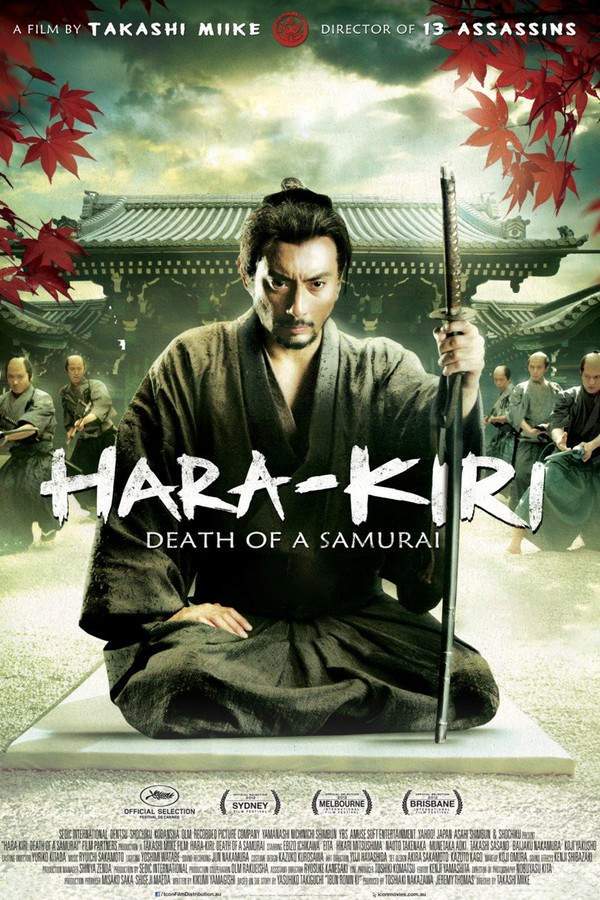
A small group bands together for a desperate, grim mission against powerful foes. Fans of the tense, grim squad dynamics in Eleven Samurai will appreciate these movies. Discover similar action and drama films featuring a small group on a fatalistic revenge mission against a corrupt power, characterized by high tension, solemn duty, and a heavy, driven atmosphere.

  • tense
  • oppressive
  • grim
  • driven
  • fatalistic
  • vengeful
  • Tone: dark, tense, oppressive
  • Pacing: steady, building to a climax
Why these movies?

The story pattern: The narrative pattern involves a catalyst event that wrongs a group, leading them to unite under a common goal. The story meticulously plans the mission, building tension as the threat looms. Character dynamics focus on shared purpose over individual glory, culminating in a climactic confrontation that is as much about honor and principle as it is about survival.

Why they belong together: These films share a specific vibe: the tension of a group under pressure, the grim determination of a seemingly hopeless cause, and the solemn atmosphere of a mission driven by duty rather than hope. The experience is defined by collective struggle against oppression and the emotional weight of their shared fate.

If you liked this

Movies Like Eleven Samurai

Similar movies to Eleven Samurai: the same genre, themes or kind of story. Each one comes with its own plot summary, timeline and ending explained.

Browse all movie summaries

Every angle

Eleven Samurai (1967) Explained: Plot, Timeline & Characters

Everything about Eleven Samurai in one place: what happens in the plot summary, the timeline in chronological order, the characters and meaning and a spoiler-free summary. What's After the Movie adds the cast, box office and post-credit scenes.

Coming soon on iOS and Android

The Plot Explained Movie Summary App

Plot summaries, endings explained and timelines on your phone. Catch up on any movie in minutes, save your favorites and never miss a twist again.

Be the first to know when we launch. Your email stays private, always.

Learn more about the app