Year: 1991
Runtime: 94 min
Language: English
Director: Nancy Savoca
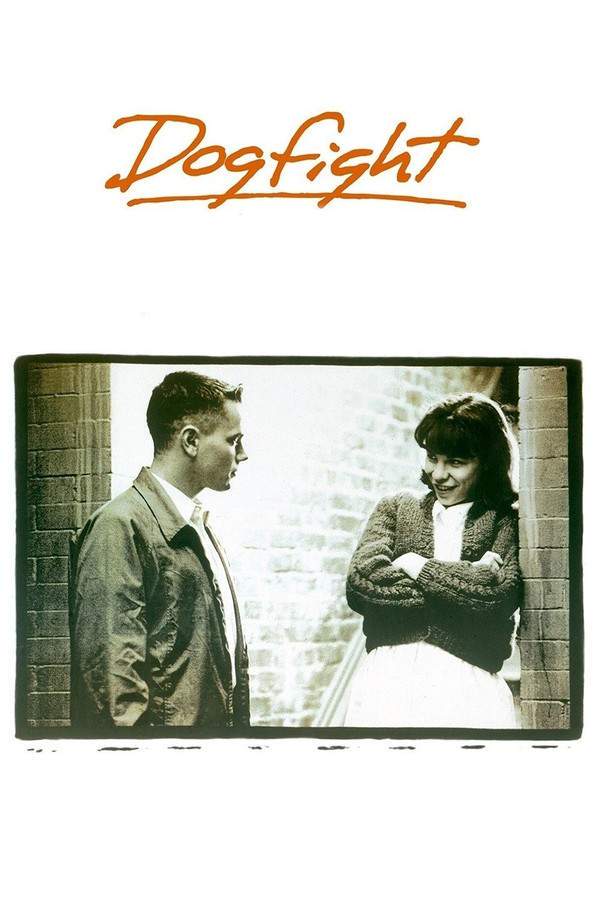
In 1963 San Francisco, Marine Eddie Birdlace and his fellow soldiers celebrate their upcoming deployment to Vietnam with a night out. They participate in a cruel competition known as a "dogfight," where Marines wager on bringing the least desirable dates. However, Eddie unexpectedly falls for Rose, a quiet and unassuming woman who possesses a hidden charm and grace. As they spend the evening together, they experience a surprising and tender romance, challenging Eddie's perceptions and leaving a lasting impact on them both.
Find where to stream, rent, or buy Dogfight (1991) in the US with current JustWatch availability, up-to-date pricing, and platform listings for subscription, rental, and digital purchase options.
Warning: spoilers below!
Haven’t seen Dogfight yet? This summary contains major spoilers. Bookmark the page, watch the movie, and come back for the full breakdown. If you're ready, scroll on and relive the story!
Read the complete plot breakdown of Dogfight (1991), including all key story events, major twists, and the ending explained in detail. Discover what really happened, and what it all means.
On a Greyhound bus making its way toward San Francisco, the picturesque aura of the Haight-Ashbury era is palpable. Among the passengers, we meet the grizzled and limping character of Birdlace, portrayed by River Phoenix, who is enveloped in a haze of cigarette smoke while a television in the background broadcasts another grim report on the Vietnam War: 141 dead, 391 wounded, and 47 missing. As Birdlace gazes out the window, we are drawn into a flashback, which unfolds largely throughout the film.
The story ignites in November 1963, where we encounter Birdlace along with his three friends, Burzin (Richard Panebianco), Benjamin (Mitchell Whitfield), and Bueller (Anthony Clark), collectively referred to as the Four B’s. They are gearing up for a last night of freedom before heading off to Okinawa. The group’s bond is built on bravado and difficult conversations as they prepare for the notorious Dogfight—a contest where each soldier must bring the least attractive date possible, and the winner walks away with a jackpot.
Following a string of unsuccessful attempts to find a date, Birdlace stumbles into Rose’s Coffee Shop to escape the pouring rain. Just as he considers approaching an elderly woman seated near the door, his attention is diverted by Rose Jr. (Lili Taylor), who is struggling to learn the guitar chords to Malvina Reynolds’ song “What Have They Done to the Rain?” In a surreal twist, Birdlace engages her in a conversation filled with absurdity, particularly about an imaginary figure, Jim Swain, purportedly a co-writer of many Woody Guthrie songs alongside Bob Dylan. While Rose is skeptical of his stories, she feels an unexpected warmth towards him and eventually agrees to accompany him to what he calls “a party.”
Things take a turn during the Dogfight when Rose becomes ill. In the meantime, a situation unfolds in the restroom where she overhears an altercation between Burzin and his date, Marcy (Elizabeth Daily). It turns out Marcy was hired, not genuinely sought out, shocking Rose and igniting her fury. She confronts a drunken Birdlace, delivering a fierce verbal reprimand that leaves even the other Marines taken aback. With her makeup a blur of tears, Rose retreats to her room, enveloped in the soothing sounds of Joan Baez’s “Silver Dagger.”
As the story progresses, Birdlace finds himself grappling with his own turmoil, specifically concerning a fierce German shepherd in Rose’s backyard. He leaves her a note—an invitation to dinner, which she accepts on the condition he refrain from any further acts of treachery. Their dinner plans hilariously go awry when they’re denied entry into a chic eatery due to Birdlace’s inappropriate attire, leading them on a quirky adventure to procure a dinner jacket from an older couple. Even after securing a seat for dinner, Birdlace tosses the jacket aside in a rebellious gesture.
The film juxtaposes Birdlace and Rose’s developing romance with the reckless exploits of his friends. The contrast is striking as they indulge in tattoos and questionable escapades while Birdlace and Rose find solace in their burgeoning connection, leading to an intense discussion about their perspectives on life and conflict. At The Still Life Cafe, Rose dreams of singing professionally, encouraging Birdlace to hear her heart’s song. When she reluctantly agrees to sing “What Have They Done to the Rain?”, her tender rendition echoes the turmoil of the world around them and within themselves.
Their relationship deepens amidst light-hearted games at an arcade, and eventually, as they arrive back at her home, Birdlace’s respectful demeanor showcases his growth. In a moment of intimacy, he checks for consent and takes precautions, displaying a mix of charm and vulnerability as they explore their feelings under the blissful embrace of Bob Dylan’s “Don’t Think Twice, It’s Alright.”
In the final act, Birdlace finds himself standing before Rose, where she hands him her address and a piece of paper, hinting at a longing to hear from him, though her expression betrays a sense of resignation. A poignant juxtaposition arises when Birdlace returns to his comrades, engaged in exaggerated military bravado, completely overshadowing the intimate night he spent with Rose. On the military bus heading to Treasure Island, a heart-to-heart between Birdlace and Burzin emphasizes the intricacies of their existence as they grapple with the harsh realities of their environment.
Amidst the chaos, the film captures Rose in a moment of reflection, comforted by music and hope, while it’s clear Birdlace has altered profoundly. The vivid imagery of soldiers embarking on their journey coupled with the news of Kennedy’s assassination marks the decay of innocence. In a stunning visual transition, we find ourselves in the chaos of Chu Lai, South Vietnam, where the stark realities of war catch up to Birdlace, leading him back to the memories of his initial encounter with Rose.
As Birdlace strives to navigate through the maze of his thoughts and feelings, he returns to Rose’s Coffee Shop where time seems to have stood still. Now matured, she is seen with the same youthful spirit but burdened by their turbulent memories. Their heartfelt reunion broadcasts a profound sense of love and hope for a possible redemption in their lives.
Last updated: January 18, 2025 at 14:36
Explore frequently asked questions about Dogfight (1991) with spoiler-rich answers covering the full plot summary, major story beats, character motivations, hidden details, and ending meaning. This movie summary FAQ helps explain confusing scenes, plot twists, and narrative decisions in clear, searchable detail.
Birdlace initially brought Rose to the dogfight because he needed a date for the cruel competition, having failed to find anyone else in the rain. By the time he developed genuine feelings for her during their evening together, it was too late, he was already at the event. His regret became evident when Rose got sick and he won the consolation prize, which made him feel ashamed rather than victorious.
Earlier in the coffee shop, Birdlace's conversation was filled with absurd lies about folk music, showing he initially viewed women as objects for his bets.
Rose overheard a confrontation between Burzin and his date Marcy, where it was revealed that Marcy had been hired for the dogfight rather than genuinely asked out. This exposed the entire competition as a cruel joke, making Rose realize she had been brought there as part of a bet rather than a genuine date. This betrayal is why she confronted Birdlace with such fury.
The dogfight's cruel nature was established from the beginning as a contest where Marines wager on bringing the least attractive dates.
Birdlace won the dogfight by default because Rose got sick during the event and had to leave. He didn't actually bring the ugliest date, Rose was quiet, unassuming, and possessed hidden charm. His victory was essentially a consolation prize, which made the moment bittersweet rather than triumphant, especially as he had already begun to develop real feelings for her.
The cruel dogfight rules specified that the Marine with the least attractive date would win the jackpot, setting up the ironic outcome.
Rose initially refused Birdlace's apology note in anger, but after seeing him wait outside her window in the rain, she agreed to dinner on one condition: that he had no more tricks planned. Her willingness to give him a second chance demonstrated her capacity for forgiveness and her genuine curiosity about who Birdlace really was beneath his bravado.
In the coffee shop, Rose was skeptical of Birdlace's absurd stories but still felt warmth toward him, showing she was drawn to something authentic in him.
In 1966, while stationed in Chu Lai, South Vietnam, Birdlace suffered a leg injury during a shelling attack, and one of his closest friends was killed in action. These traumatic experiences haunted him, contributing to his emotional transformation and his decision to later return to San Francisco seeking the meaningful connection he had found with Rose.
The opening scene on the bus shows Birdlace as a grizzled, limping veteran watching Vietnam casualty reports, immediately signaling the toll war would take on him.
Birdlace returned to Rose's coffee shop in 1967 because the traumatic experiences in Vietnam, his injury and losing a friend, made him realize the importance of the genuine connection he had with Rose. Haunted by war and memories of their one night together, he sought redemption and the hope that their brief romance represented. The reunion signifies his attempt to reclaim something beautiful from his past before the war changed him.
Rose gave Birdlace her address before he left, expressing vulnerability and hope that he would write, while he ran away unsure of his feelings, setting up his later return.
Birdlace left Rose's building in the morning without saying goodbye because he was overwhelmed by the intensity of his feelings for her and conflicted about his impending military deployment to Okinawa. The contrast between the intimate, meaningful night he spent with Rose and the militaristic bravado of his fellow Marines at the bus station represents his internal struggle between genuine connection and his old ways.
At the bus station, Birdlace reunites with the Four B's who boast about their exploits, showing how quickly he was pulled back into military culture.
Rose's performance of "What Have They Done to the Rain?" at the Still Life Cafe was a pivotal moment that revealed her dreams of singing professionally and symbolized the film's themes of social change and environmental consciousness. The folk song about pollution and societal decay reflected the turbulent 1960s context, and singing it for Birdlace represented her trusting him with her vulnerable, artistic self, deepening their emotional bond.
Earlier in the coffee shop, Rose was struggling to learn the same song's guitar chords, establishing her aspiration from the start.
The news of Kennedy's assassination serves as a narrative marker showing the decay of innocence in America, paralleling Birdlace's own loss of innocence through both the cruel dogfight and the impending Vietnam War. This historical moment reinforces the film's theme of transitioning from youthful naivety to harsh reality, as the same era that produced the Haight-Ashbury counterculture was also plagued by tragedy and conflict.
The opening bus scene already establishes the tense atmosphere with Vietnam casualty reports on television, foreshadowing the darker realities to come.
Rose gave Birdlace her address despite knowing he was deploying because she wanted to offer him a chance to connect with her beyond that one night. Her gesture represented hope and vulnerability, she believed their connection was meaningful enough to survive distance and time. Her expression during the handover also betrayed a sense of resignation, suggesting she knew he might not write but offered it anyway out of genuine longing.
Their evening together included deep discussions about life perspectives and conflicts, showing they had formed a real emotional bond beyond the initial dogfight premise.
Discover curated groups of movies connected by mood, themes, and story style. Browse collections built around emotion, atmosphere, and narrative focus to easily find films that match what you feel like watching right now.
Tender connections that bloom in a single, life-changing evening.Find movies like Dogfight that explore deep, transformative romances condensed into a single evening. If you enjoyed the tender yet bittersweet connection between Eddie and Rose, you'll appreciate these stories of fleeting but impactful love stories with a similar feel.
These narratives typically follow a linear, eventful night where two characters meet, often under unlikely or difficult circumstances. They experience a rapid, genuine connection that challenges their preconceptions, leading to significant personal growth before the dawn brings separation or a sobering reality.
Movies are grouped here for their shared focus on the unique emotional intensity of a single-night romance, blending hope and melancholy. They share a steady, character-driven pace, a bittersweet tone, and a medium emotional weight centered on the power of brief but profound encounters.
Stories where youthful callousness gives way to hard-worn empathy.Discover movies similar to Dogfight that focus on a young protagonist's journey from callous behavior to genuine empathy. These films, often set against defining historical moments, explore themes of lost innocence and personal growth with a raw, bittersweet feel.
The narrative pattern centers on a protagonist, often young and influenced by a toxic group dynamic, who commits an act of deep unkindness. The consequences of this act, or a connection with their victim, force a painful but necessary confrontation with their own morality, leading to a redemptive change of heart.
This thread groups movies that share a core character arc of moral awakening. They consistently feature a medium intensity, a raw and reflective mood, and a straightforward narrative complexity that focuses on the protagonist's internal transformation from cruelty to empathy.
Don't stop at just watching - explore Dogfight in full detail. From the complete plot summary and scene-by-scene timeline to character breakdowns, thematic analysis, and a deep dive into the ending - every page helps you truly understand what Dogfight is all about. Plus, discover what's next after the movie.
Track the full timeline of Dogfight with every major event arranged chronologically. Perfect for decoding non-linear storytelling, flashbacks, or parallel narratives with a clear scene-by-scene breakdown.
Discover the characters, locations, and core themes that shape Dogfight. Get insights into symbolic elements, setting significance, and deeper narrative meaning - ideal for thematic analysis and movie breakdowns.
Discover movies like Dogfight that share similar genres, themes, and storytelling elements. Whether you’re drawn to the atmosphere, character arcs, or plot structure, these curated recommendations will help you explore more films you’ll love.
Dogfight (1991) Scene-by-Scene Movie Timeline
Dogfight (1991) Movie Characters, Themes & Settings
Dogfight (1991) Spoiler-Free Summary & Key Flow
Movies Like Dogfight – Similar Titles You’ll Enjoy
Top Gun (1986) Complete Plot Breakdown
Sun Dogs (2018) Plot Summary & Ending Explained
Dog Park (1999) Ending Explained & Film Insights
Year of the Dog (2007) Ending Explained & Film Insights
Dog (2022) Plot Summary & Ending Explained
Wings (1929) Story Summary & Characters
The Dog Wedding (2016) Complete Plot Breakdown
Dog (2001) Detailed Story Recap
The Dog Problem (2006) Movie Recap & Themes
The Fighting American (1924) Full Movie Breakdown
To the Shores of Tripoli (1942) Full Summary & Key Details
Devil Dogs of the Air (1935) Film Overview & Timeline
Dogtown (1997) Spoiler-Packed Plot Recap
Living on Velvet (1935) Complete Plot Breakdown
White Dog (2022) Full Movie Breakdown