









Plot Explained Spoilers guaranteed!
Plot Explained

Browse by genre

Curtain (2015) movie poster

Timeline

Curtain (2015) Timeline Explained – Every Event in Order

Release, runtime and language
2015 · 74 mins · English
JustWatch #29,457 1
Directed by
Jaron Henrie-McCrea
Starring
Lew Gardner, Rick Zahn, Chuck McMahon, Lacy Marie Meyer, Tim Lueke, Preston Lawrence

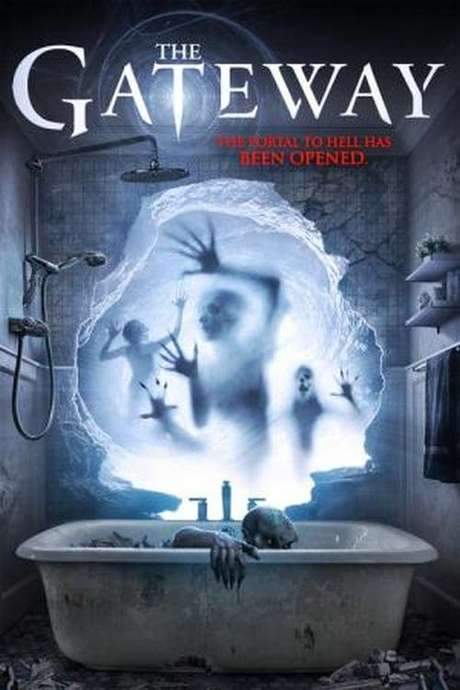
After moving into a new apartment in New York City, Danni begins renovating her space. Unbeknownst to her, the previous tenant died under mysterious circumstances. She also discovers a strange portal in the bathroom, hidden behind the tiling, that consumes shower curtains and leads to another dimension. Teaming up with her coworker Tim, Danni investigates this bizarre phenomenon and bravely ventures into the unknown, uncovering unimaginable horror and surprising discoveries along the way.

On this page (5)
  1. 1 Where to watch
  2. 2 Events in order (11)
  3. 3 Timeline questions answered
  4. 4 Movie threads
  5. 5 Every angle

Where to watch

Where to Watch Curtain (2015)

Where can you watch Curtain? Stream, rent or buy it in the US, including on Amazon Prime Video, Fawesome and Amazon Prime Video Free: current JustWatch availability with up-to-date prices.

Streaming availability powered by JustWatch

11 events in order · contains spoilers

Curtain Timeline: Events in Chronological Order

Every key event of Curtain (2015) in order, scene by scene, with when and where it takes place. Use it to untangle flashbacks, time jumps and parallel storylines, to refresh your memory before the sequel or to find the exact scene you are thinking of.

  1. Company assembles at Theatre Royal

    In the English provincial town of Drossmouth, the second-rate repertory company gathers at the Theatre Royal on Monday morning to rehearse Tarnished Gold, the week’s melodrama. The mood is subdued and uncertain as they face a script they are not eager to stage. Harry, the irascible producer, is already skeptical about the play’s prospects, foreshadowing trouble ahead.

    When
    Monday morning
    Where
    Theatre Royal, Drossmouth
  2. Harry doubts Tarnished Gold's prospects

    Harry voices sharp criticisms of Tarnished Gold, a melodrama foisted on the company by its directors, and expresses little faith in its success. He pushes back against the staff’s expectations, making his displeasure clear during the first rehearsal. The cast and crew sense an impending clash over the play’s future.

    When
    Monday morning
    Where
    Theatre Royal, rehearsal room
  3. Sandra receives a London producer call

    Sandra, one of the cast, spends the early rehearsals waiting for a call from a London producer. The possibility of a big break for her adds a layer of tension to an already unsettled mood. When the call comes, it confirms external interest in at least one member of the company.

    When
    Monday afternoon
    Where
    Theatre Royal, backstage
  4. Cast mood and progress stall

    The cast remains unenthusiastic about Tarnished Gold, and progress in the rehearsal is slow. They struggle to see how the melodrama can be made workable under the current approach. The atmosphere is tense as expectations falter.

    When
    Monday morning
    Where
    Theatre Royal, rehearsal room
  5. Jacko threatens to resign

    Stage director Jacko grows increasingly exasperated and warns that he will resign if things do not improve. His habit of threatening resignation when problems arise underscores the mounting strain within the company. The situation teeters on the edge of a complete breakdown.

    When
    Monday afternoon
    Where
    Theatre Royal, backstage
  6. Author Beckwith arrives and clashes with Harry

    Catherine Beckwith, the author of Tarnished Gold, appears and insists on sitting at the feet of the director, signaling a direct challenge to the ongoing process. Her arrival immediately heightens the conflict with Harry as they square off over control of the production. The dynamic shifts as she asserts authority over rehearsals.

    When
    Monday afternoon
    Where
    Theatre Royal, on stage
  7. Harry tears up Act 1 and injures himself

    Harry’s temper erupts as he tears up most of Act 1 and storms off stage. In the chaos, he falls into the pit and sustains an injury. The accident serves as a stark reminder of the volatile atmosphere surrounding Tarnished Gold.

    When
    Monday afternoon
    Where
    Theatre Royal, stage and pit
  8. Beckwith takes charge of rehearsal

    Despite forebodings, Miss Beckwith takes over the rehearsal according to her own ideas. She directs with a decisive hand, guiding the cast through changes that depart from the original plan. The room responds with cautious curiosity as her approach reshapes the production.

    When
    Monday afternoon
    Where
    Theatre Royal, stage
  9. Harry recasts Tarnished Gold as a period piece

    Harry recovers from his injury and reworks Tarnished Gold into a period piece. He re-evaluates the setting, tone, and structure, aiming to salvage the production by giving it historical dimension. The collaboration with Beckwith sets the stage for a new direction.

    When
    Following days
    Where
    Theatre Royal
  10. Rehearsal shifts toward renewed energy

    With Beckwith's influence and Harry's revised concept, the company begins to show signs of renewed energy and alignment. The ensemble moves toward a cohesive vision, though some doubts linger. The rehearsal week ends with cautious optimism about a successful opening.

    When
    Late in the rehearsal week
    Where
    Theatre Royal rehearsal space
  11. First night ends in triumph

    A week after rehearsals began, Tarnished Gold makes its first-night debut to an applauding audience. The tempered, period-piece version lands with unexpected success, validating the changes made during rehearsals. The curtain falls on a triumphant return for the company.

    When
    A week later
    Where
    Theatre Royal

Last updated: March 24, 2026 at 19:59

Was this helpful?

Timeline questions answered

Curtain Timeline Explained: Your Questions Answered

When does it happen, and why in that order? The questions people ask about the chronology of Curtain (2015): time jumps, flashbacks, cause and effect between scenes and the correct order of events, each answered with spoilers.

Q1

Why does Harry tear up Act 1 and injure himself?

Harry tears up Act 1 out of frustration with Tarnished Gold, which he has been skeptical about from the start. As the irascible producer, he has openly criticized the melodrama that was foisted on the company, and his anger reaches a breaking point during rehearsal. He storms offstage in a blaze of frustration, slips, and falls into the pit, injuring himself. The accident crystallizes the mounting tension between his traditional views and the production's ambitions.

  • harry
  • tarnished gold
  • script
  • injury
  • rehearsal
  • producer
Q2

Why does Catherine Beckwith take over the rehearsal?

Catherine Beckwith, the author of Tarnished Gold, takes charge of the rehearsal after Harry's accident because she refuses to be sidelined. Her forceful presence and determination to steer the production in her own direction cause an immediate clash with Harry. After he is injured and unable to continue, she asserts authority over the process, sitting the company at her feet and directing according to her own ideas, fundamentally shifting the power dynamics in the room.

  • catherine beckwith
  • author
  • tarnished gold
  • rehearsal
  • control
  • director
Q3

Why does Harry recast Tarnished Gold as a period piece?

Harry recasts Tarnished Gold as a period piece as a strategic move to salvage the production's potential. After recovering from his injury, he returns with a renewed sense of purpose and reworks the setting, tone, and structure to give the melodrama historical dimension. This pivot transforms what was a contemporary melodrama into a heightened period piece, which ultimately proves successful with audiences.

  • harry
  • tarnished gold
  • period piece
  • rework
  • production
  • transformation
Q4

Why does Jacko threaten to resign?

Jacko, the stage director known to the company as Jacko, threatens to resign because the rehearsal room is tense and stubbornly resistant to progress. The company struggles with repeated misfires, and the cast remains unenthusiastic about Tarnished Gold. Pushed to the edge by the mounting strain and lack of cohesion, Jacko teeters on the brink of resignation as the production fails to come together under the conflicting visions of Harry and the original direction.

  • jacko
  • director
  • resign
  • rehearsal
  • frustration
  • tension
Q5

Why is Harry skeptical about Tarnished Gold?

Harry is skeptical about Tarnished Gold because he views it as a melodrama foisted on the company by its directors, lacking faith in its artistic merit or commercial potential. As the cantankerous producer, he expresses little confidence in the play's prospects from the outset, making his displeasure clear during the first rehearsal and setting the stage for ongoing conflict with the creative team.

  • harry
  • producer
  • skepticism
  • tarnished gold
  • melodrama
  • doubt
Q6

Why does Tarnished Gold end up successful on opening night?

Tarnished Gold succeeds on opening night because Harry's decision to recast it as a period piece proves to be a winning gamble. The repositioned production gains a heightened sense of time and style that resonates with audiences. The company, having weathered conflict, risk, and discord throughout the rehearsal process, comes together cohesively under the revised vision, leading to a triumphant premiere that validates their efforts.

Foreshadowing: The earlier tension and conflict plant the seeds for the eventual transformation and success.

  • tarnished gold
  • first night
  • success
  • audience
  • premiere
  • triumph
Q7

What is the conflict between Harry and Catherine Beckwith about?

The conflict between Harry and Catherine Beckwith is fundamentally about control and artistic vision. Harry, representing traditional theater values, rejects the contemporary melodrama as beneath the company's standards. Beckwith, as the author, insists on steering the production in her own direction. Their argument is pitched as a battle between tradition and innovation, old habits and new ambitions, with each cast member forced to adjust to shifting leadership.

  • harry
  • catherine beckwith
  • conflict
  • artistic vision
  • control
  • direction
Q8

Why is Sandra waiting for a London producer call?

Sandra, one of the cast members, is waiting for a call from a London producer because she represents an aspiring performer hoping for a break from a London spotlight that feels just out of reach. The possibility of a big break adds a layer of tension to the already unsettled mood of the rehearsal, and when the call finally comes, it confirms external interest in at least one member of the company.

  • sandra
  • london
  • producer
  • call
  • break
  • aspiration
Q9

Why does the company struggle to make progress in rehearsal?

The company struggles in rehearsal because multiple factors converge: the cast is unenthusiastic about Tarnished Gold, they cannot see how the melodrama can be made workable under the current approach, and the conflicting visions of Harry and the original director create tension. Jacko is pushed to the edge, the producer is openly skeptical, and the author arrives to further complicate the power dynamics, all of which stall progress.

  • rehearsal
  • struggle
  • progress
  • tension
  • cast
  • direction
Q10

How does the company go from conflict to a successful first night?

The company transforms from conflict to success through a combination of Harry's injury and subsequent reinvention, Beckwith's takeover and directional influence, and Harry's decision to recast Tarnished Gold as a period piece. This pivot creates a cohesive vision that the ensemble can rally around. The rehearsal week ends with cautious optimism, and opening night delivers the triumph they hoped for, validating the risky changes.

Foreshadowing: The collision between Harry's and Beckwith's visions plants the seed for the eventual creative solution.

  • company
  • transformation
  • success
  • first night
  • triumph
  • collaboration

Movie threads

More Movies Like Curtain, by Mood & Story

Curated lists built around what makes Curtain tick: the same mood, the same kind of story or the same emotional payoff. Each list explains why these movies belong together.

Cosmic horror in everyday life like in Curtain

Where the safety of home is shattered by a gateway to the unknown. If you liked the unsettling discovery of an interdimensional portal in Curtain, you'll enjoy these movies where ordinary homes become gateways to horror. This list features films that blend domestic settings with cosmic dread and mysterious investigations, perfect for fans of tense, discovery-driven stories.

  • unsettling
  • mysterious
  • tense
  • ominous
  • discovery
  • cosmic horror
  • Tone: tense, mysterious, ominous
  • Pacing: steady, investigative
Why these movies?

The story pattern: The narrative typically begins with a character discovering an anomaly within their own home. This leads to a period of investigation and growing dread as they uncover the true, often terrifying, nature of the phenomenon. The journey involves confronting an unseen evil or incomprehensible force, testing their courage within the confines of a once-safe space.

Why they belong together: These movies are grouped together because they share a core premise of domestic intrusion by otherworldly forces. They create a specific kind of tension by juxtaposing the ordinary with the extraordinary, focusing on investigation, cosmic horror themes, and a steady build of anxiety centered around a specific location.

Movies about investigating the unknown like Curtain

Ordinary people bravely unravel a supernatural mystery against all odds. Fans of Curtain who enjoyed the dynamic of Danni and Tim investigating the mysterious portal will find similar thrills here. This collection highlights films where amateur investigators confront supernatural or cosmic threats, focusing on teamwork, courage, and the steady unraveling of a bizarre mystery.

  • investigative
  • courageous
  • tense
  • mysterious
  • discovery
  • teamwork
  • Tone: tense, courageous, mysterious
  • Pacing: steady, procedural
Why these movies?

The story pattern: The plot follows a character or small team who stumbles upon a bizarre occurrence that defies explanation. Driven by curiosity and a sense of responsibility, they methodically gather clues and piece together the puzzle, often facing skepticism and danger. Their arc is defined by growing courage and a willingness to venture into the unknown to confront the threat head-on.

Why they belong together: These films are united by the central theme of amateur investigation into the paranormal. They share a specific emotional mix of tension, mystery, and the satisfaction of discovery. The focus is on the protagonist's proactive journey rather than being a passive victim, creating an engaging and empowering narrative pattern.

Every angle

Curtain (2015) Explained: Plot, Timeline & Characters

Everything about Curtain in one place: what happens in the plot summary, the timeline in chronological order, the characters and meaning and a spoiler-free summary. What's After the Movie adds the cast, box office and post-credit scenes.

Coming soon on iOS and Android

The Plot Explained Movie Summary App

Plot summaries, endings explained and timelines on your phone. Catch up on any movie in minutes, save your favorites and never miss a twist again.

Be the first to know when we launch. Your email stays private, always.

Learn more about the app