





Plot Explained Spoilers guaranteed!
Plot Explained

Browse by genre

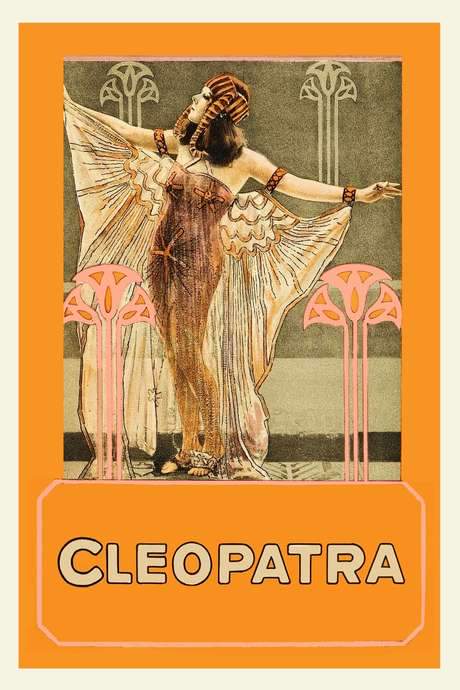
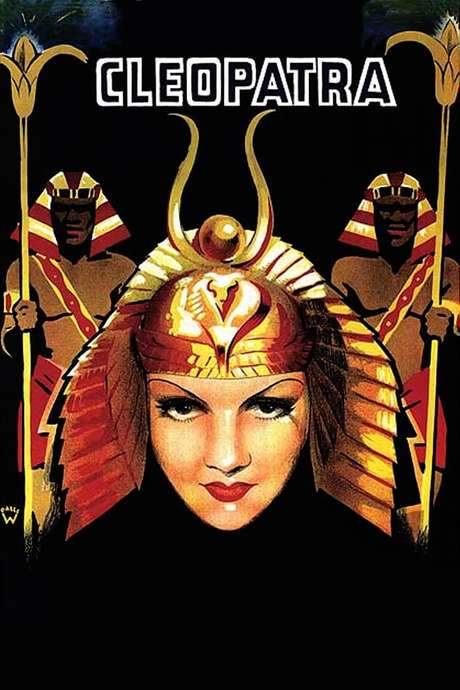
Cleopatra (1934) movie poster

Timeline

Cleopatra (1934) Timeline Explained – Every Event in Order

Release, runtime and language
1934 · 100 mins · English
Directed by
Cecil B. DeMille
Starring
John Carradine, David Niven, C. Aubrey Smith, George Walsh, Juanita Moore, Joseph Schildkraut

The love affair that shook the world! The queen of Egypt barges the Nile and flirts with Mark Antony and Julius Caesar.

On this page (6)
  1. 1 Where to watch
  2. 2 Events in order (14)
  3. 3 Timeline questions answered
  4. 4 Movie threads
  5. 5 Movies like Cleopatra
  6. 6 Every angle

Where to watch

Where to Watch Cleopatra (1934)

Where can you watch Cleopatra? Stream, rent or buy it in the US, including on Amazon Video, Apple TV Store and Fandango At Home: current JustWatch availability with up-to-date prices.

Streaming availability powered by JustWatch

14 events in order · contains spoilers

Cleopatra Timeline: Events in Chronological Order

Every key event of Cleopatra (1934) in order, scene by scene, with when and where it takes place. Use it to untangle flashbacks, time jumps and parallel storylines, to refresh your memory before the sequel or to find the exact scene you are thinking of.

  1. Pothinos abducts Cleopatra and Apollodorus

    In 48 BC, Pothinos captures Cleopatra and Apollodorus and strands them in the desert. He later informs Julius Caesar that the queen has fled Egypt, triggering Caesar's involvement in the dynastic dispute. The kidnapping sets off a sequence of political moves that hinge on Cleopatra's fate.

    When
    48 BC
    Where
    Egyptian desert
  2. Cleopatra's carpet entrance revealed and Caesar sees through the ruse

    Caesar is prepared to sign an agreement with Ptolemy, but Apollodorus arrives bearing a carpet as a gift for the Roman. When Apollodorus unrolls it, Cleopatra emerges, stunning Pothinos and Caesar alike. Caesar quickly sees through the deception and recognizes Cleopatra's charm as a political instrument.

    When
    48 BC
    Where
    Egypt
  3. Cleopatra becomes sole ruler and begins an alliance with Caesar

    Cleopatra beguiles Caesar with the riches of Egypt and India, winning him to her side. Caesar declares Cleopatra the sole ruler of Egypt and begins a personal affair with her. The alliance strengthens Cleopatra's grip on the throne and cements Rome's influence in Egypt.

    When
    48 BC
    Where
    Egypt
  4. Caesar returns to Rome with Cleopatra

    Caesar travels back to Rome with Cleopatra, greeted by the cheers of the masses. However, Rome's mood darkens as Cleopatra's presence fans anxieties about Rome's control over Egypt. The spectacle sows distrust among political rivals.

    When
    47-46 BC
    Where
    Rome
  5. Caesar is assassinated in the Senate

    Caesar goes to the Senate to announce his plans, despite foreboding warnings. He is assassinated on the Ides of March, leaving the future of Rome and Cleopatra's bargain in limbo. Cleopatra and her allies mourn the political upheaval that follows.

    When
    44 BC (Ides of March)
    Where
    Rome
  6. Cleopatra learns Caesar's love was for power

    Cleopatra is heartbroken by Caesar's death, initially intending to go to him. Apollodorus explains that Caesar did not love her personally, only what she could provide to Egypt. Realizing Egypt's needs, Cleopatra and her advisor return home.

    When
    44-43 BC
    Where
    Egypt
  7. Antony and Octavian named co-rulers; Antony invites Cleopatra to Tarsus

    After Caesar's death, Antony and Octavian are named Rome's co-rulers, setting the stage for a power struggle. Antony, dismissive of women, invites Cleopatra to meet with him in Tarsus, intending to bring her back to Rome. Enobarbus warns Antony against the liaison, but he proceeds.

    When
    43 BC
    Where
    Tarsus
  8. Cleopatra seduces Antony aboard her barge

    Cleopatra entices Antony with a spectacular barge show, complete with exotic animals and dancers, and he is drawn into her orbit. They sail together toward Egypt, forging a strong bond as their alliance deepens. Cleopatra's mastery of seduction aligns Antony with her cause.

    When
    43-42 BC
    Where
    Egypt
  9. Herod warns Antony about poisoning

    Herod, secretly aligned with Octavian, privately warns Cleopatra that Rome could be appeased if Antony were poisoned and replaced. He also relays the same whispered threat to Antony. Cleopatra is reminded of her duty to Egypt as she weighs dangerous options.

    When
    43-42 BC
    Where
    Tarsus
  10. War looms; a failed attempt at poison and Octavian declares war

    Cleopatra tests a poison on a condemned prisoner to learn its effects, hoping it will deter Antony's enemies. Before any fatal drink, they receive word that Octavian has declared war. The mood shifts as the lovers prepare for a continental conflict.

    When
    42 BC
    Where
    Egypt
  11. Antony's forces desert and the Battle of Actium looms

    Antony orders a mobilization, but Enobarbus reveals that his generals and legions have deserted in loyalty to Rome. A brief montage shows the naval fighting culminating in the Battle of Actium. Antony clings to Cleopatra's alliance as all hope turns toward Egypt.

    When
    31 BC
    Where
    Aegean Sea / Actium
  12. Antony defeated and stabs himself

    The battle ends with Antony's forces crushed and he is unable to mount a successful defense. Believing Cleopatra has abandoned him for Octavian, Antony kills himself in despair. His death marks a turning point in the fall of his and Cleopatra's power.

    When
    31 BC
    Where
    Actium / Aegean Sea
  13. Cleopatra returns, finds Antony dying, and they reconcile

    Cleopatra sails back to Antony, only to find him dying from his wounds. They reconcile in their final moments, clinging to each other as the political world collapses around them. Their bond persists even as their reign falters.

    When
    31 BC
    Where
    Egypt
  14. Cleopatra dies by a venomous snake

    With the fortress breached and Antony dead, Cleopatra chooses death over exile. She allows a venomous snake to bite her, dying on her throne as Egypt's last true queen. Cleopatra's demise seals the end of an era for the Ptolemaic dynasty.

    When
    31 BC
    Where
    Egypt (Alexandria)

Last updated: October 09, 2025 at 12:32

Was this helpful?

Timeline questions answered

Cleopatra Timeline Explained: Your Questions Answered

When does it happen, and why in that order? The questions people ask about the chronology of Cleopatra (1934): time jumps, flashbacks, cause and effect between scenes and the correct order of events, each answered with spoilers.

Q1

Why did Cleopatra hide in a carpet to meet Caesar?

Cleopatra was stranded in the desert after her brother Ptolemy's advisor Pothinos kidnapped her and Apollodorus. With Caesar prepared to sign an agreement favoring Ptolemy, Apollodorus devised the carpet trick to get Cleopatra past the guards and into Caesar's presence. The dramatic entrance allowed Cleopatra to appeal directly to Caesar, using her charm and promises of Egypt's wealth to win his support.

  • cleopatra
  • caesar
  • carpet entrance
  • egyptian throne
  • ptolemy
Q2

What made Caesar side with Cleopatra against Ptolemy?

Although Caesar initially considered a bargain with Ptolemy, Cleopatra's bold appearance captivated him. Beyond her beauty, she enticed Caesar with visions of Egypt's wealth and India's riches, offering a powerful political and economic alliance. Caesar recognized her intelligence and political savvy, declaring her the sole ruler of Egypt and beginning a personal affair that strengthened Rome's influence in the region.

  • julius caesar
  • cleopatra
  • ruler of egypt
  • alliance
  • wealth
Q3

Why was Julius Caesar assassinated in the Senate?

Roman senators including Cassius, Casca, and Brutus believed Caesar intended to undermine the Republic and crown Cleopatra as empress after divorcing Calpurnia. They viewed his alliance with Cleopatra as a threat to Roman tradition and power structure. A soothsayer's warning about the Ides of March went unheeded, and Caesar was killed during the Senate session.

Foreshadowing: Caesar's return to Rome with Cleopatra and his plans to crown her had already stirred Roman anxieties about foreign influence.

  • julius caesar
  • assassination
  • senate
  • ides of march
  • brutus
  • cassius
Q4

Why did Cleopatra return to Egypt after Caesar's death?

When Cleopatra learned that Caesar's affection for her was rooted in political power and wealth rather than genuine love, she was heartbroken. Apollodorus counseled her to return home to protect Egypt's interests, as Caesar's death left her alliance in limbo. With Rome thrown into chaos after the assassination, Cleopatra needed to secure her throne against potential threats.

  • cleopatra
  • caesar death
  • egypt
  • apollodorus
  • return home
Q5

Why was Antony drawn to Cleopatra despite warnings?

Even though Enobarbus warned Antony against entangling with Cleopatra, Antony was irresistibly captivated when she arrived aboard a spectacular barge adorned with exotic animals and dancers. Cleopatra's mastery of seduction and political acumen drew Antony into her orbit, and the two sailed together to Egypt, forging a bond that would ultimately lead to war with Octavian.

  • mark antony
  • cleopatra
  • seduction
  • tarsus
  • barge
  • enobarbus
Q6

Why did Cleopatra test poison on a condemned prisoner?

King Herod, secretly aligned with Octavian, privately suggested to Cleopatra that Rome could be appeased if Antony were poisoned and replaced. To understand her options and potential threats, Cleopatra conducted a secret experiment on a condemned man to observe how poison worked. This testing occurred as war with Octavian loomed, reflecting Cleopatra's desperate efforts to protect Egypt.

Foreshadowing: Herod's warning planted the dangerous idea of poison in Cleopatra's mind, which she then investigated.

  • cleopatra
  • poison
  • herod
  • condemned prisoner
  • octavian
  • experiment
Q7

Why did Enobarbus abandon Antony?

As Octavian declared war and Antony's forces mobilized, Enobarbus discovered that Antony's generals and legions were deserting in loyalty to Rome. The mounting losses and Antony's seeming obsession with Cleopatra led Enobarbus, despite his personal loyalty, to join the growing number of those abandoning the cause. His departure symbolized the collapse of Antony's support base.

Foreshadowing: Enobarbus had warned Antony against the alliance from the beginning, sensing it would lead to ruin.

  • enobarbus
  • mark antony
  • desertion
  • battle of actium
  • roman legions
Q8

Why did Antony kill himself after the defeat at Actium?

Following the decisive naval Battle of Actium, Antony's forces were crushed and his options dwindled to nothing. Believing Cleopatra had betrayed him and surrendered to Octavian, Antony fell into despair and stabbed himself. The belief that his lover had abandoned him, combined with military ruin, drove him to take his own life rather than face capture.

Foreshadowing: The mounting desertions and Octavian's tightening grip had already foreshadowed Antony's collapse.

  • mark antony
  • cleopatra
  • betrayal
  • actium
  • suicide
  • defeat
Q9

Why did Cleopatra choose to die from a snake bite?

With Octavian's forces breaching the palace and Antony dead, Cleopatra faced the prospect of being paraded in Octavian's triumphal procession through Rome. Choosing death over such humiliation, she allowed a venomous snake to bite her on her throne. This method of suicide was both culturally significant and aligned with her desire to die as Egypt's queen, preserving her dignity.

  • cleopatra
  • snake
  • suicide
  • throne
  • octavian
  • egyptian queen
Q10

What was Herod's role in the conflict between Antony and Octavian?

King Herod visited Cleopatra and Antony in Tarsus while secretly allied with Octavian. He attempted to sow discord by suggesting Cleopatra could appease Rome by poisoning Antony. Herod's duplicitous nature made him a dangerous presence, as he played both sides while Octavian's power grew. His warnings to Cleopatra about poison and his covert allegiance contributed to the mounting tensions.

  • herod
  • octavian
  • alliance
  • cleopatra
  • antony
  • poison

Movie threads

More Movies Like Cleopatra, by Mood & Story

Curated lists built around what makes Cleopatra tick: the same mood, the same kind of story or the same emotional payoff. Each list explains why these movies belong together.

Tragic Epics of Doomed Romance like in Cleopatra

Grand love stories entangled with power, destined for a tragic end. For viewers who liked the tragic love story in Cleopatra, this collection features movies where grand historical romances are doomed by the machinations of power. Discover similar epic dramas and captivating visions of ill-fated passion, political intrigue, and melancholic endings.

  • doomed romance
  • tragic epic
  • passionate
  • melancholic
  • high stakes
  • fatalism
  • Tone: melancholic, passionate, tragic
  • Pacing: fast, epic-scale
Why these movies?

The story pattern: Narratives in this thread follow powerful figures whose intense romantic liaisons become the catalyst for their downfall. The romance is often a political tool or a personal weakness in a world of shifting alliances, leading to a chain of events that culminate in mutual tragedy and a bleakly poetic conclusion.

Why they belong together: These movies share a core structure of a high-stakes, passionate romance set against a backdrop of empire or dynasty, driven by a melancholic tone and a foreboding sense of destiny. They deliver a heavy emotional experience marked by grandeur, high tension, and profound sadness.

High-Intensity Tragedies of Power like in Cleopatra

Rapid-paced stories of ambition leading to an inescapable, bleak fate. If you liked the high-stakes downfall in Cleopatra, explore more movies about the tragic cost of ambition. Find similar fast-paced, intense dramas and captivating visions of political intrigue, dynastic collapse, and leaders meeting a bleak fate, all with a heavy emotional weight.

  • political intrigue
  • downfall
  • high stakes
  • tragic
  • fatalism
  • power struggle
  • Tone: melancholic, tense, foreboding
  • Pacing: fast, relentless
Why these movies?

The story pattern: The narrative pattern follows a protagonist at the peak of their power, whose key decisions—often driven by love or hubris—trigger a rapid sequence of betrayals, conflicts, and reversals. The pacing is fast, compressing the arc of their downfall into a gripping, emotionally charged experience that emphasizes the fragility of power and the inevitability of tragedy.

Why they belong together: These films are unified by a combination of high intensity, fast pacing, and a deeply melancholic tone focused on the collapse of power. They create a coherent experience of watching grand figures unravel under pressure, resulting in a heavy, bleak emotional payoff.

If you liked this

Movies Like Cleopatra

Similar movies to Cleopatra: the same genre, themes or kind of story. Each one comes with its own plot summary, timeline and ending explained.

Browse all movie summaries

Every angle

Cleopatra (1934) Explained: Plot, Timeline & Characters

Everything about Cleopatra in one place: what happens in the plot summary, the timeline in chronological order, the characters and meaning and a spoiler-free summary. What's After the Movie adds the cast, box office and post-credit scenes.

Coming soon on iOS and Android

The Plot Explained Movie Summary App

Plot summaries, endings explained and timelines on your phone. Catch up on any movie in minutes, save your favorites and never miss a twist again.

Be the first to know when we launch. Your email stays private, always.

Learn more about the app