
Charlie Chan at the Wax Museum
Year: 1940
Runtime: 63 mins
Language: English
Director: Lynn Shores
Within eighteen tense minutes Charlie Chan survives four lethal attacks—a poison dart, a speeding bullet and a gleaming dagger—each narrowly avoided. The peril unfolds in a wax museum run by a mad doctor who creates wax figures of infamous killers such as Jack the Ripper and Bluebeard while also performing grotesque plastic surgery. The doctor's twisted laboratory becomes the hideout of an arch‑fiend.
Warning: spoilers below!
Haven’t seen Charlie Chan at the Wax Museum yet? This summary contains major spoilers. Bookmark the page, watch the movie, and come back for the full breakdown. If you're ready, scroll on and relive the story!
Timeline – Charlie Chan at the Wax Museum (1940)
Trace every key event in Charlie Chan at the Wax Museum (1940) with our detailed, chronological timeline. Perfect for unpacking nonlinear stories, spotting hidden connections, and understanding how each scene builds toward the film’s climax. Whether you're revisiting or decoding for the first time, this timeline gives you the full picture.
Last updated: October 09, 2025 at 10:50
Charlie Chan at the Wax Museum (1940) Timeline Questions Answered – Chronology FAQ
Find frequently asked questions about the Charlie Chan at the Wax Museum (1940) timeline, including chronological order, nonlinear jumps, cause-and-effect links, and scene sequence clarifications. This timeline FAQ helps explain when key events happen, how moments connect, and why the story unfolds in that specific order.
Why was Charlie Chan lured to the wax museum?
Charlie Chan was lured there under the pretense of a radio broadcast debate with Dr. Otto Von Brom about the Rocke case. In reality, it was a trap orchestrated by Dr. Cream and the criminal conspiracy to get revenge on Chan for testified against McBirney. The broadcast was a setup designed to place Chan in a deadly trap while the criminals controlled the situation behind the scenes.
Earlier, McBirney's escape from custody set the stage for the trap, as he fled directly to the wax museum hideout run by Dr. Cream.
How did the electrocution trap work and why did it fail?
Dr. Cream rigged Charlie Chan's chair with wiring designed to electrocute him during the broadcast reenactment. However, Von Brom insisted on changing seats with Chan at the last moment. When watchman Willie Fern was tricked into throwing the switch, it was Von Brom who died, but not from electricity. The real method of murder was a bamboo blowgun dart, not the electrocution setup.
The small detail of Von Brom changing seats was emphasized during the setup, making his death appear accidental.
Who killed Von Brom and how was the murder actually committed?
The killer was Dagan, known as 'The Butcher,' who used a bamboo blowgun dart to puncture Von Brom's neck. Chan discovered the small puncture wound and the dart at the crime scene. The murder was made to look like an electrocution accident during the blackout, but it was actually a concealed assassination using a quiet weapon.
Chan noticed the clues at the scene pointed away from electricity toward a more intimate murder method.
Why did McBirney escape to the wax museum after his trial?
McBirney was convicted of murder and sentenced to death based on Charlie Chan's testimony. He escaped custody seeking revenge against Chan and found refuge at the wax museum, which was secretly a Mob hideout run by Dr. Cream. There, Cream performed plastic surgery to alter McBirney's appearance, helping him hide among the crowd and avoid recognition as part of the larger conspiracy.
The opening scene established McBirney's death sentence and his escape, setting the revenge plot in motion.
What was Dagan's connection to the Joe Rocke frame?
Dagan, nicknamed 'The Butcher,' was the actual murderer who framed Joe Rocke for his crimes. Chan became convinced that Rocke was innocent and that the entire trial was based on false testimony. Dagan later killed Von Brom to keep him quiet and eliminate anyone who could expose the frame. The conspiracy used the wax museum as a base to manipulate alibis and rearrange identities.
During the broadcast, Chan's suspicion grew that Rocke was innocent and the case was a setup.
How was Dagan hiding his identity among the suspects?
Dr. Cream had previously performed plastic surgery on Dagan, altering his facial features to obscure his identity. This surgical alteration allowed Dagan to blend in with the crowd at the wax museum without being recognized, even as Chan investigated the crimes. The wax museum setting provided the perfect cover for this disguise, as it was already filled with altered wax figures and was a front for criminal activity.
Cream's work on McBirney's face demonstrated his ability to change people's appearances for the conspiracy.
Why did Jimmy sneak into the wax museum?
Jimmy Chan, Charlie Chan's son, sneaked into the wax museum to investigate the situation without his father's knowledge. He moved through the shadows gathering information about the conspiracy. His presence added a personal stake to the investigation, as Chan now had to protect his son while unraveling the criminal plot.
Jimmy's unauthorized entry created additional tension and danger for the Chan family.
What was Lily Latimer's role in the murders?
Lily Latimer was Dr. Cream's assistant at the wax museum. During the blackout, she secretly cut the electrocution wiring to keep another secret hidden from the investigation. Her actions ensured the electrocution trap wouldn't work as intended, though she was not the one who killed Von Brom. She was covering her own involvement in the criminal operation.
Lily's role remained hidden until Chan investigated the actual murder method at the scene.
Why did Von Brom change seats during the broadcast?
During the reenactment for the radio broadcast, Von Brom insisted on changing seats with Charlie Chan. This seemingly small detail became crucial when the lights went out and the electrocution trap was activated. Instead of Chan being killed, Von Brom ended up in the fatal position, though the actual death came from Dagan's blowgun dart, not the electricity.
The seat change was noted as a significant moment that altered the chain of events.
How did Charlie Chan identify Dagan as the killer?
Chan identified Dagan by connecting the evidence: the blowgun dart pointed to a concealed murder method, and the puncture wound indicated someone among the crowd. Chan realized that Dagan was 'The Butcher' who had framed Rocke and killed Von Brom. The key was uncovering how Dagan's identity was hidden through Cream's plastic surgery, allowing him to move freely among the suspects despite being the wanted criminal.
The investigation narrowed the field to suspects who could access the murder weapon while hiding their true identity.
What was the wax museum's role in the conspiracy?
The wax museum served as the perfect front for the criminal conspiracy. Run by Dr. Cream, a crooked facial surgeon, it housed wax figures of infamous killers like Jack the Ripper and Bluebeard while also functioning as a Mob hideout. The setting allowed for identity changes through plastic surgery, alibi manipulation, and staging elaborate theatrical illusions. The atmosphere of deception made it ideal for the radio broadcast hoax and the trap set for Chan.
The wax museum's duality as both an attraction and criminal lair was established from the beginning.
What were the four attacks on Charlie Chan at the wax museum?
The movie depicts four lethal attempts on Charlie Chan's life within eighteen tense minutes: a poison dart, a speeding bullet, a gleaming dagger, and the electrocution trap during the broadcast. Each attack was narrowly avoided as Chan navigated the dangerous situation. These attacks were part of the conspiracy to silence the detective and prevent him from exposing the criminal ring operating from the wax museum.
The summary explicitly mentions these attacks as the central danger of the film.

Explore Movie Threads
Discover curated groups of movies connected by mood, themes, and story style. Browse collections built around emotion, atmosphere, and narrative focus to easily find films that match what you feel like watching right now.
Mysteries in Theatrical Settings like Charlie Chan at the Wax Museum
Intricate puzzles unravel in a single, deceptive location where danger hides in plain sight.If you liked the tense, deceptive atmosphere of Charlie Chan at the Wax Museum, you'll find similar movies here. These stories feature crime-solving in a single, claustrophobic location like a theater or mansion, creating a concentrated puzzle filled with secrets, misleading appearances, and heightened suspense.

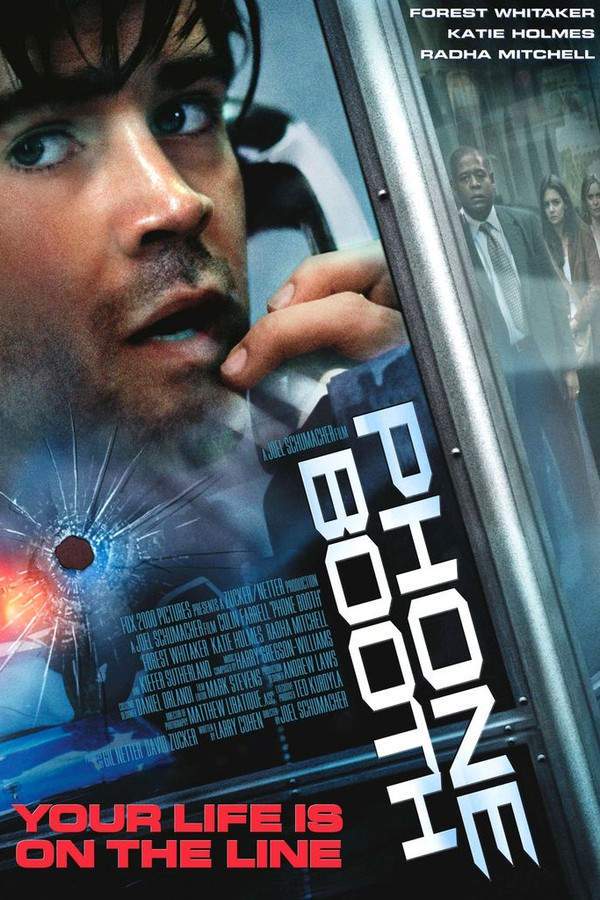
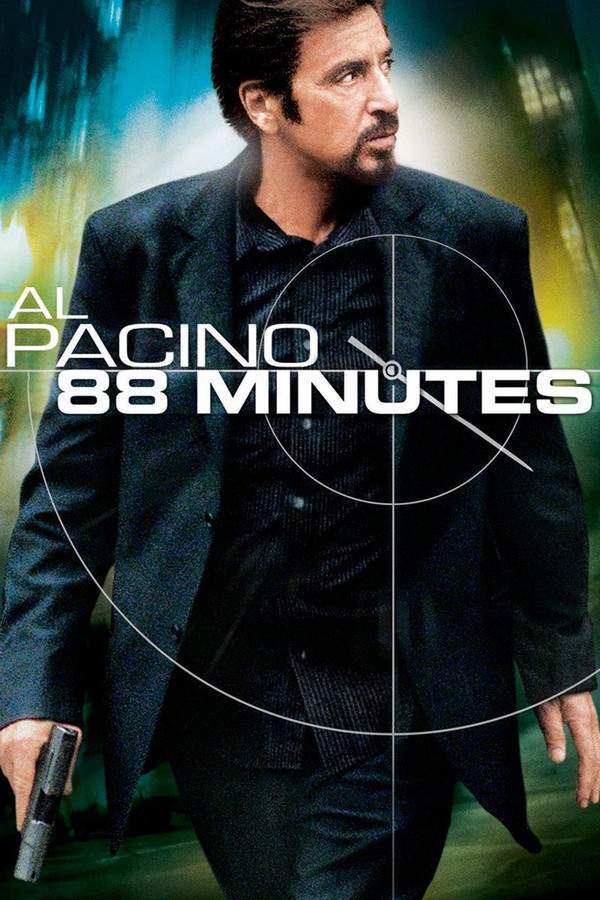
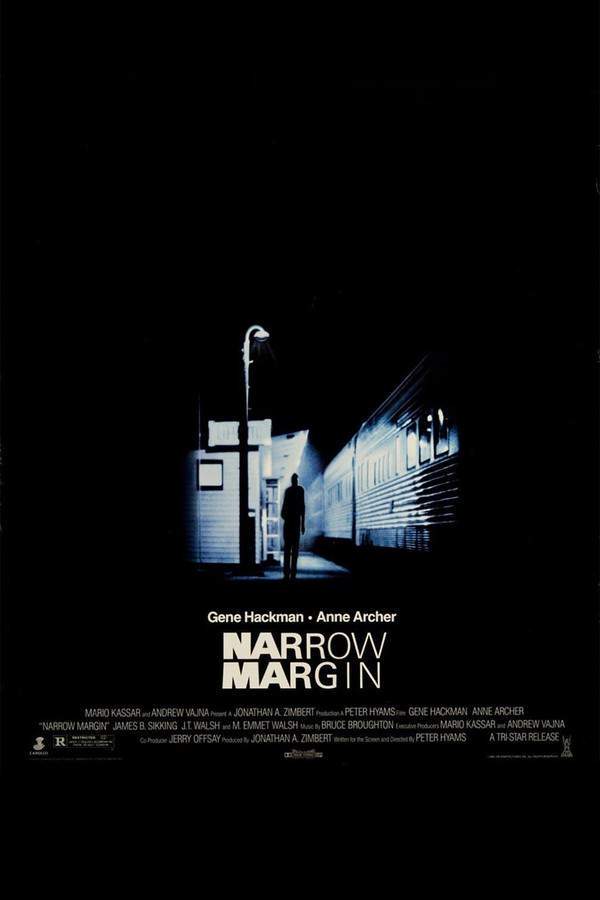
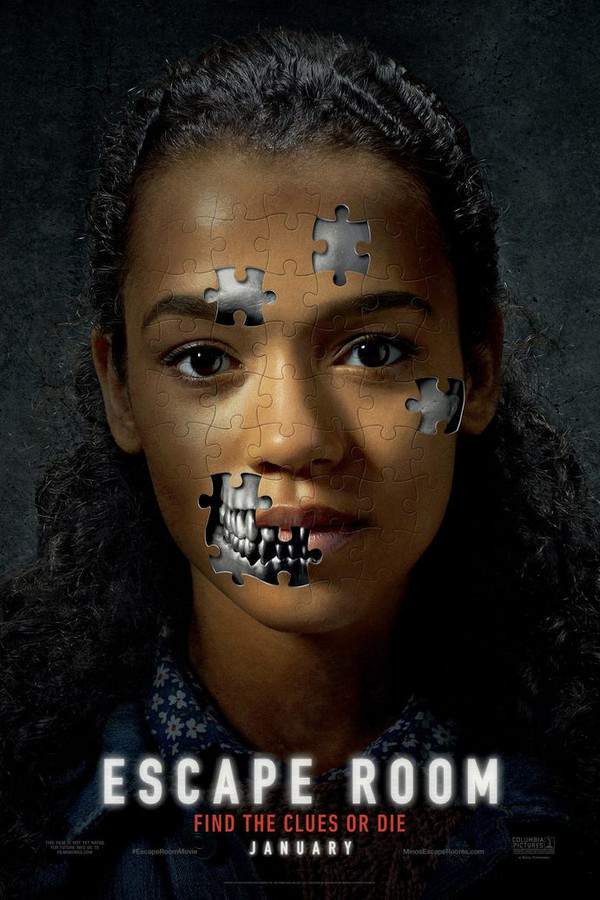





Narrative Summary
These narratives often follow a classic 'closed circle' mystery structure. A crime occurs within a confined, often ornate or unusual location, trapping the detective and a cast of suspects together. The investigation becomes a race against time within these deceptive walls, where the setting itself provides clues, red herrings, and constant danger.
Why These Movies?
Movies are grouped here for their shared reliance on a powerful, contained setting to generate suspense and focus the plot. They share a vibe of deceptive environments, where characters must see past theatrical facades to uncover the truth, creating a uniquely tense and puzzling experience.
Classic Detective Stories like Charlie Chan at the Wax Museum
A brilliant investigator faces a cunning adversary who sets elaborate, personal traps.Fans of Charlie Chan at the Wax Museum will enjoy these movies featuring brilliant detectives in a personal battle of wits. Similar films involve the hero being directly targeted by a conspirator, leading to a fast-paced investigation with narrow escapes, hidden identities, and a satisfying resolution where justice prevails.
The 39 Steps
1935

Detective Conan: The Private Eyes’ Requiem
2006

Detective Conan: Strategy Above the Depths
2005

The Big Clock
1948

The Lone Wolf Takes a Chance
1941
Bodyguard
1948

Dick Tracy’s Dilemma
1947

Michael Shayne: Private Detective
1940

Confessions of Boston Blackie
1941
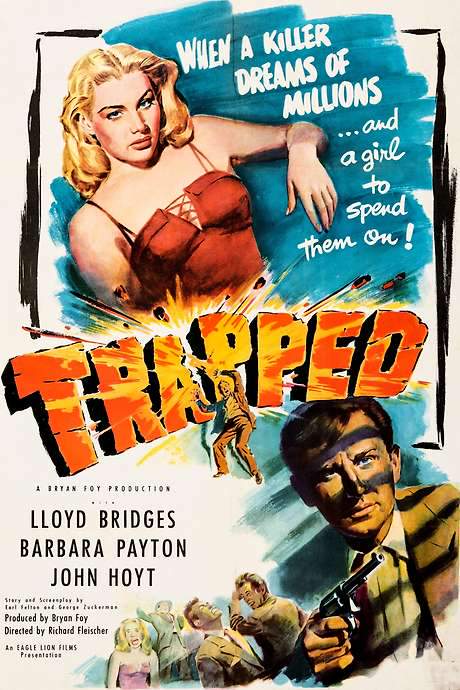
Trapped
1949

After Midnight with Boston Blackie
1943

Young and Innocent
1937

Dick Tracy vs. Cueball
1946

The Vicious Circle
1957

Special Investigator
1936
Narrative Summary
The narrative pattern involves a series of escalating, direct attacks on the detective, making the investigation intensely personal. The villain is often a hidden conspirator using deception and elaborate schemes. The hero must use intellect and courage to survive these traps while exposing the conspiracy, leading to a final confrontation where order is restored.
Why These Movies?
These movies are grouped for their shared plot structure of a detective under direct siege. They combine the intellectual pleasure of a puzzle with the thrilling tension of a personal vendetta, creating a specific blend of fast-paced action and classic whodunit suspense.
Unlock the Full Story of Charlie Chan at the Wax Museum
Don't stop at just watching - explore Charlie Chan at the Wax Museum in full detail. From the complete plot summary and scene-by-scene timeline to character breakdowns, thematic analysis, and a deep dive into the ending - every page helps you truly understand what Charlie Chan at the Wax Museum is all about. Plus, discover what's next after the movie.
Charlie Chan at the Wax Museum Summary
Read a complete plot summary of Charlie Chan at the Wax Museum, including all key story points, character arcs, and turning points. This in-depth recap is ideal for understanding the narrative structure or reviewing what happened in the movie.

Characters, Settings & Themes in Charlie Chan at the Wax Museum
Discover the characters, locations, and core themes that shape Charlie Chan at the Wax Museum. Get insights into symbolic elements, setting significance, and deeper narrative meaning - ideal for thematic analysis and movie breakdowns.


Similar Movies to Charlie Chan at the Wax Museum
Discover movies like Charlie Chan at the Wax Museum that share similar genres, themes, and storytelling elements. Whether you’re drawn to the atmosphere, character arcs, or plot structure, these curated recommendations will help you explore more films you’ll love.

Charlie Chan and the Curse of the Dragon Queen
1981

Charlie Chan’s Chance
1932

Charlie Chan’s Greatest Case
1933

Charlie Chan in Panama
1940

Charlie Chan in the Secret Service
1944

Charlie Chan’s Courage
1934

Charlie Chan in The Chinese Cat
1944

Charlie Chan on Broadway
1937

Charlie Chan at Treasure Island
1939

Charlie Chan at the Olympics
1937

Charlie Chan in Egypt
1935

Charlie Chan at the Opera
1936

Charlie Chan at the Circus
1936

Charlie Chan’s Murder Cruise
1940

Charlie Chan at Monte Carlo
1937
Explore More About Movie Charlie Chan at the Wax Museum
Charlie Chan at the Wax Museum (1940) Plot Summary & Movie Recap
Charlie Chan at the Wax Museum (1940) Scene-by-Scene Movie Timeline
Charlie Chan at the Wax Museum (1940) Spoiler-Free Summary & Key Flow
Movies Like Charlie Chan at the Wax Museum – Similar Titles You’ll Enjoy
Charlie Chan and the Curse of the Dragon Queen (1981) Full Movie Breakdown
Charlie Chan’s Chance (1932) Detailed Story Recap
Charlie Chan’s Greatest Case (1933) Full Movie Breakdown
Charlie Chan in Panama (1940) Detailed Story Recap
Charlie Chan in the Secret Service (1944) Complete Plot Breakdown
Charlie Chan’s Courage (1934) Complete Plot Breakdown
Charlie Chan in The Chinese Cat (1944) Detailed Story Recap
Charlie Chan on Broadway (1937) Spoiler-Packed Plot Recap
Charlie Chan at Treasure Island (1939) Plot Summary & Ending Explained
Charlie Chan at the Olympics (1937) Film Overview & Timeline
Charlie Chan in Egypt (1935) Film Overview & Timeline
Charlie Chan at the Opera (1936) Full Movie Breakdown
Charlie Chan at the Circus (1936) Plot Summary & Ending Explained
Charlie Chan’s Murder Cruise (1940) Plot Summary & Ending Explained
Charlie Chan at Monte Carlo (1937) Plot Summary & Ending Explained