






Plot Explained Spoilers guaranteed!
Plot Explained

Browse by genre

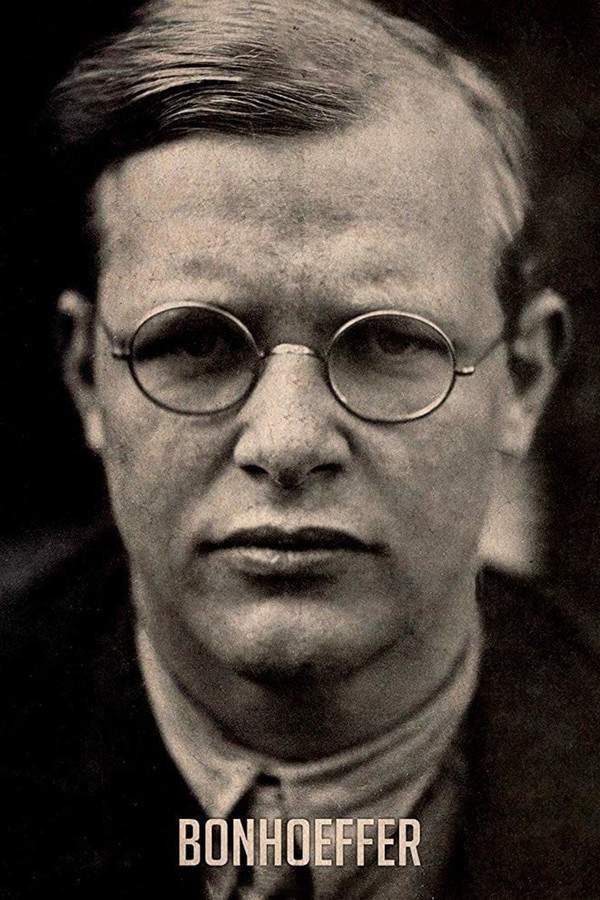
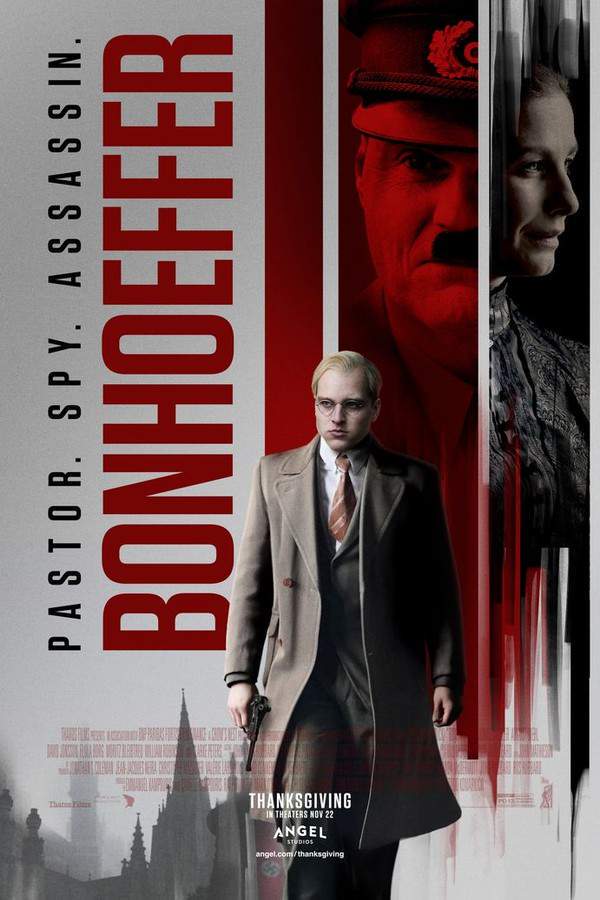
Bonhoeffer: Pastor. Spy. Assassin. (2024) movie poster

Characters & Themes

Bonhoeffer: Pastor. Spy. Assassin. (2024) Characters, Setting & Themes Explained

Release, runtime and language
2024 · 2 h 12 m · English
Echo score 45
JustWatch #22,297 1
Starring
Clarke Peters, Flula Borg, David Jonsson, August Diehl, Mark Wingett, Moritz Bleibtreu
Budget
$25M

During World War II, Dietrich Bonhoeffer, a prominent German pastor, becomes entangled in a dangerous conspiracy to assassinate Adolf Hitler. Torn between his deeply held moral convictions and the potential to save millions of Jewish people from genocide, he makes a pivotal shift from advocating peace to participating in a plot against the Nazi regime. His faith and ultimate fate hang in the balance as he navigates this perilous situation.

On this page (8)
  1. 1 Where to watch
  2. 2 Characters explained (2)
  3. 3 Where & when it takes place
  4. 4 Themes & meaning (2)
  5. 5 Character & meaning questions
  6. 6 Movie threads
  7. 7 Movies like Bonhoeffer: Pastor. Spy. Assassin.
  8. 8 Every angle

Where to watch

Where to Watch Bonhoeffer: Pastor. Spy. Assassin. (2024)

Where can you watch Bonhoeffer: Pastor. Spy. Assassin.? Stream, rent or buy it in the US, including on Angel Studios, Amazon Video and Apple TV Store: current JustWatch availability with up-to-date prices.

Streaming availability powered by JustWatch

2 main characters · contains spoilers

Bonhoeffer: Pastor. Spy. Assassin. Characters Explained: Who Is Who

The main characters of Bonhoeffer: Pastor. Spy. Assassin. (2024), heroes and villains: what drives them, how they change over the course of the story and what each of them reveals about the film's bigger ideas.

  • Dietrich Bonhoeffer

    played by Jonas Dassler

    Dietrich Bonhoeffer is portrayed as a dedicated and courageous theologian who evolves from a playful child to a resolute opponent of Nazi oppression. His experiences in the U.S. deepen his understanding of social justice and influence his resistance against tyranny. Bonhoeffer's commitment to his faith and moral principles lead him to make profound sacrifices during a tumultuous period in history.

    • 🧑‍🎓 Theology
    • 💔 Sacrifice
    • ⚔️ Resistance
  • Frank Fisher

    played by David Jonsson

    Frank Fisher is an African-American seminarian who befriends Bonhoeffer in Harlem. His invitation to the Abyssinian Baptist Church introduces Bonhoeffer to the struggles faced by minorities and the notion of social justice. Frank serves as a pivotal influence on Bonhoeffer's awakening to the injustices present in society.

    • 🌍 Advocacy
    • 🙌 Friendship

Last updated: September 09, 2026 at 04:41

Was this helpful?

Setting

Where and When Does Bonhoeffer: Pastor. Spy. Assassin. Take Place?

The setting of Bonhoeffer: Pastor. Spy. Assassin. (2024): the year and time period, the places and locations, and how they shape the characters, the mood and the tension of the story.

Time period

1914-1945

The movie spans from the start of World War I in 1914 through the rise and fall of the Nazi regime until 1945. This period witnessed significant global changes, including the influence of totalitarianism in Europe and the struggle for social justice. The events leading up to and during the war illustrate the moral dilemmas faced by individuals and the impact of political ideologies on personal beliefs.

Location

Breslau, Germany; Harlem, New York; Finkenwalde, Germany; Tegel Prison; Flossenbürg concentration camp

The story begins in Breslau, Germany, a city known for its rich history and architecture. It then moves to Harlem, a vibrant neighborhood in New York City famous for its African-American cultural heritage and social justice movements. Key events occur in Finkenwalde, where an underground seminary trains pastors, and Tegel Prison, which served as a site for political prisoners during the Nazi regime.

  • 🏙️ Historical
  • 🌍 Geographic

Last updated: September 09, 2026 at 04:41

Was this helpful?

2 major themes

Bonhoeffer: Pastor. Spy. Assassin. Meaning: Themes & Message Explained

What is Bonhoeffer: Pastor. Spy. Assassin. (2024) really about? The emotional, social and philosophical themes the film keeps returning to, its symbolism and the message beneath the surface.

  • Social Justice

    The theme of social justice is central to the narrative as Dietrich Bonhoeffer encounters systemic injustices while studying in the U.S. His experiences shape his theological perspective and motivate him to oppose the Nazi regime's actions against minorities. The commitment to justice and activism against oppression highlights the importance of moral responsibility.

  • Faith and Sacrifice

    Faith and sacrifice are intertwined as Bonhoeffer grapples with his religious beliefs amid political turmoil. He takes significant risks by establishing an underground seminary and opposing Nazi ideology, reflecting the sacrifices made for one's convictions. The ultimate sacrifice he makes symbolizes unwavering dedication to his beliefs.

Last updated: September 09, 2026 at 04:41

Was this helpful?

Character & theme questions

Bonhoeffer: Pastor. Spy. Assassin. Characters & Meaning: Your Questions Answered

The questions people ask about Bonhoeffer: Pastor. Spy. Assassin. (2024): who the characters really are, their relationships, what the symbols mean, where it takes place and what the movie is really about. Each answer contains spoilers.

Q1

Where does the story take place?

Bonhoeffer: Pastor. Spy. Assassin. moves across several historically significant locations, beginning in Breslau, Germany, then shifting to Harlem in New York City, and later returning to Germany for key settings like Finkenwalde, Tegel Prison, and Flossenbürg concentration camp. The geographic range reflects Bonhoeffer's journey from a sheltered German theologian to a globally aware activist and eventually a political prisoner.

  • breslau
  • harlem
  • finkenwalde
  • tegel prison
  • flossenbürg
  • setting
Q2

Why does Bonhoeffer travel to Harlem?

Bonhoeffer travels to Harlem as a postgraduate theology student at Union Theological Seminary and becomes immersed in the neighborhood's African-American cultural and social justice movements. His exposure to racial injustice and activist faith communities there reshapes his theology and plants the seeds for his later resistance against Nazi oppression.

  • harlem
  • new york
  • union theological seminary
  • racial injustice
  • social justice
Q3

What time period does the film cover?

The film spans from 1914, the start of World War I, through 1945, the end of World War II and the collapse of the Nazi regime. This three-decade arc traces Bonhoeffer's life from childhood through the rise of totalitarianism, allowing the story to show how his beliefs were shaped by both world wars and the ideological conflicts of interwar Europe.

  • 1914
  • 1945
  • world war ii
  • nazi regime
  • interwar period
Q4

What is Finkenwalde and why does it matter?

Finkenwalde is the site of an underground seminary that Bonhoeffer ran to train pastors who refused to conform to Nazi-aligned church doctrine. Operating outside state approval, the seminary becomes both a refuge for confessional theology and a quiet act of resistance, illustrating how Bonhoeffer practiced dissent through faith formation before moving toward direct political action.

  • finkenwalde
  • underground seminary
  • confessing church
  • pastors
  • resistance
Q5

What role does Tegel Prison play in the story?

Tegel Prison functions as the setting where Bonhoeffer is held as a political prisoner after his involvement in the anti-Hitler conspiracy is uncovered. The prison represents the narrowing of his world and the final phase of his life, framing his continued theological writing and reflections under the shadow of Nazi power.

  • tegel prison
  • political prisoner
  • imprisonment
  • nazi germany
Q6

What are the main themes explored in the film?

The film centers on two intertwined themes: social justice and faith-driven sacrifice. Through Bonhoeffer's experiences, the story examines how personal faith can compel action against systemic evil, and how the moral responsibility to protect persecuted people can override traditional commitments to nonviolence.

  • themes
  • social justice
  • faith
  • sacrifice
  • morality
Q7

How does faith shape Bonhoeffer's resistance to the Nazis?

In Bonhoeffer: Pastor. Spy. Assassin., faith serves as both the motivation and the framework for his resistance, grounding his opposition to Hitler in theological convictions rather than political ideology. His belief that the church must speak for the voiceless leads him from teaching and writing to direct participation in the conspiracy to assassinate Hitler, framing his eventual execution as martyrdom rather than treason.

  • faith
  • theology
  • resistance
  • martyrdom
  • bonhoeffer
Q8

How does social justice influence Bonhoeffer's transformation?

Bonhoeffer's time among Black congregations in Harlem exposes him to the lived reality of systemic oppression and an active, justice-oriented faith. This awakening reframes his German Christian context, pushing him to recognize the Nazi persecution of Jewish people as a moral emergency that demands more than sermons, ultimately steering him toward political conspiracy.

  • social justice
  • harlem
  • systemic oppression
  • persecution
  • jewish people
Q9

Who was Dietrich Bonhoeffer and what did he stand for?

Dietrich Bonhoeffer is portrayed in the film as a German Lutheran theologian who evolves from a privileged student into one of the most prominent moral opponents of the Nazi regime. He stands for a Christianity that actively resists state-sponsored injustice, believing that silence in the face of genocide is itself a form of complicity.

  • dietrich bonhoeffer
  • theologian
  • lutheran
  • nazi opposition
  • morality
Q10

Who is Frank Fisher and why is he important?

Frank Fisher is an African-American seminarian and Bonhoeffer's friend in Harlem who introduces him to the Abyssinian Baptist Church and the realities of racial injustice in America. Frank functions as the catalyst for Bonhoeffer's social consciousness, making him one of the most important shaping influences on the German pastor's later activism.

  • frank fisher
  • abyssinian baptist church
  • harlem
  • racial injustice
  • seminarian
Q11

What kind of film is Bonhoeffer: Pastor. Spy. Assassin.?

The film is a historical drama and thriller that blends theological reflection with the tension of a political conspiracy. Its tone is dark and morally grave rather than action-driven, using the spy thriller layer of the Hitler assassination plot to frame heavier questions about violence, faith, and complicity during the Holocaust.

  • drama
  • thriller
  • historical film
  • tone
  • political thriller
Q12

What is the central conflict of Bonhoeffer's story?

The central conflict is the tension between Bonhoeffer's commitment to Christian nonviolence and the moral necessity of stopping Hitler, whom he comes to view as responsible for the murder of millions. This forces him to reconcile his faith with participation in a political assassination plot, making his choice both a theological and a historical turning point.

  • central conflict
  • nonviolence
  • assassination plot
  • hitler
  • moral dilemma

Movie threads

More Movies Like Bonhoeffer: Pastor. Spy. Assassin., by Mood & Story

Curated lists built around what makes Bonhoeffer: Pastor. Spy. Assassin. tick: the same mood, the same kind of story or the same emotional payoff. Each list explains why these movies belong together.

Movies like Bonhoeffer: Pastor. Spy. Assassin. — when faith meets impossible moral choices

Stories where believers and idealists confront violence they once condemned. Looking for movies like Bonhoeffer: Pastor. Spy. Assassin.? These are powerful dramas about people of conscience, faith, or principle who are pushed toward violence, resistance, or sacrifice they once rejected. Expect heavy themes, morally complex protagonists, and emotionally crushing journeys where standing by one's beliefs demands a terrible price. Ideal for viewers seeking serious, thought-provoking historical and moral drama.

  • morally complex
  • somber
  • contemplative
  • martyrdom
  • faith under pressure
  • weighty
  • Tone: dark, contemplative, morally heavy
  • Pacing: steady, reflective with rising stakes
Why these movies?

The story pattern: Stories in this thread typically begin with a principled protagonist living by a clear moral or spiritual code. A rising tide of injustice forces them into direct conflict with the system perpetrating the harm, often through an underground network or conspiracy. Internal struggle intensifies as action replaces reflection, and the narrative builds toward a moment of irreversible commitment. The climax usually carries the weight of martyrdom, exile, or execution, and the ending rarely offers clean redemption.

Why they belong together: These films share a consistent emotional architecture: grave atmosphere, morally serious protagonists, and a steady build toward sacrifice. They tend to foreground ethical and spiritual reflection, weigh violence against conscience, and refuse easy moral comfort. The pacing is patient, the tone somber, and the emotional impact comes from watching good people confront impossible choices in the shadow of historical atrocity.
WWII resistance and conspiracy movies like Bonhoeffer: Pastor. Spy. Assassin.

Gripping stories of ordinary people plotting against impossible odds. If you loved Bonhoeffer: Pastor. Spy. Assassin., explore more gripping WWII dramas and political thrillers about real or realistic resistance movements, assassination plots, and underground conspiracies against Nazi Germany and other fascist regimes. These films blend historical tension with spy thriller suspense, offering bleak but morally urgent portraits of those who risked execution to fight genocide and tyranny.

  • suspenseful
  • oppressive
  • haunting
  • historically grounded
  • espionage
  • dystopian regime
  • Tone: tense, dark, oppressive
  • Pacing: steady tension with escalating stakes
Why these movies?

The story pattern: Films in this thread usually unfold across a compressed wartime timeline, alternating between quiet clandestine planning and bursts of dangerous action. Protagonists often live double lives as ordinary citizens, clergy, or officials while secretly coordinating sabotage, intelligence gathering, or assassination. Surveillance, betrayal, and moral compromise loom at every turn. The story tightens toward exposure, capture, or execution, and the resolution typically acknowledges that resistance, however brave, unfolded alongside unfathomable loss.

Why they belong together: These films share a dark, weighty atmosphere rooted in real 20th-century history, with attention to political detail, surveillance, and the cost of dissent. They tend to move at a measured pace that lets dread accumulate, rather than relying on action set pieces. Common threads include conspiracies that fail or partially fail, protagonists caught between loyalty and conscience, and endings that feel tragic rather than victorious.

If you liked this

Movies Like Bonhoeffer: Pastor. Spy. Assassin.

Similar movies to Bonhoeffer: Pastor. Spy. Assassin.: the same genre, themes or kind of story. Each one comes with its own plot summary, timeline and ending explained.

Browse all movie summaries

Every angle

Bonhoeffer: Pastor. Spy. Assassin. (2024) Explained: Plot, Timeline & Characters

Everything about Bonhoeffer: Pastor. Spy. Assassin. in one place: what happens in the plot summary, the timeline in chronological order, the characters and meaning and a spoiler-free summary. What's After the Movie adds the cast, box office and post-credit scenes.

Coming soon on iOS and Android

The Plot Explained Movie Summary App

Plot summaries, endings explained and timelines on your phone. Catch up on any movie in minutes, save your favorites and never miss a twist again.

Be the first to know when we launch. Your email stays private, always.

Learn more about the app