






Plot Explained Spoilers guaranteed!
Plot Explained

Browse by genre

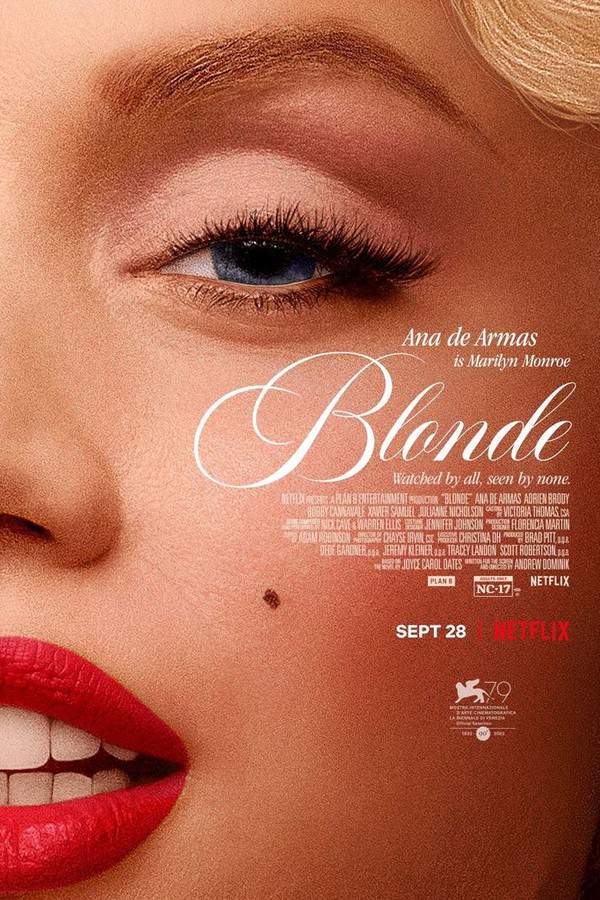
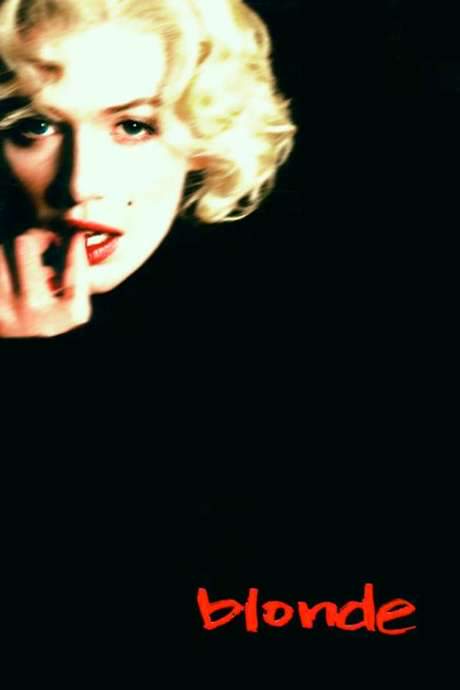
Blonde (1000) movie poster

Timeline

Blonde (1000) Timeline Explained – Every Event in Order

Release, runtime and language
1000 · 164 mins · English
JustWatch #17,545 12
Directed by
Joyce Chopra
Starring
Wallace Shawn, Patrick Dempsey, Emily Browning, Griffin Dunne, Titus Welliver, Richard Roxburgh

The brightest stars burn out the fastest. A fictional biography of Marilyn Monroe mixed with series of real events in her life.

On this page (7)
  1. 1 Where to watch
  2. 2 Events in order (12)
  3. 3 Timeline questions answered
  4. 4 The book behind the movie
  5. 5 Movie threads
  6. 6 Movies like Blonde
  7. 7 Every angle

Where to watch

Where to Watch Blonde (1000)

Where can you watch Blonde? Stream, rent or buy it in the US, including on Amazon Prime Video, Amazon MX Player and Amazon Prime Video Free: current JustWatch availability with up-to-date prices.

Streaming availability powered by JustWatch

12 events in order · contains spoilers

Blonde Timeline: Events in Chronological Order

Every key event of Blonde (1000) in order, scene by scene, with when and where it takes place. Use it to untangle flashbacks, time jumps and parallel storylines, to refresh your memory before the sequel or to find the exact scene you are thinking of.

  1. Childhood trauma begins

    On her seventh birthday, Gladys gives Norma a framed picture of a man who claims to be her father. A fire erupts in the Hollywood Hills that night, and Gladys tries to drive Norma toward a fireproof mansion. Police intervene and order them back, and Norma endures Gladys's violent outbursts in the bath. Norma is left in a precarious state that leads to her later placement in care.

    When
    1933
    Where
    Hollywood Hills, California
  2. Child placed in care

    Gladys is admitted to a mental hospital, and Norma is sent to an orphanage. The instability of her early life continues to shape her sense of belonging and self through the years. The experience of living in care while her mother is away informs her later longing for authentic connection beneath the Marilyn Monroe persona.

    When
    1933-1934
    Where
    Los Angeles, California
  3. Becomes Marilyn Monroe; pin-up model and abuse

    In the 1940s, Norma Jeane becomes Marilyn Monroe, a rising pin-up model featured on magazine covers and calendars. She experiences exploitation when film studio president Mr. Z rapes her, an act she endures within the industry.

    When
    1940s
    Where
    Los Angeles
  4. Audition for Nell in Dont Bother to Knock

    In 1951, she auditions for Nell and loses her composure during the take, breaking down in tears, yet the casting director is impressed enough to offer the part. The moment marks a turning point as she blends vulnerability with star potential. The role helps launch her ascent in Hollywood.

    When
    1951
    Where
    Los Angeles
  5. Meets Cass Chaplin Jr. and Eddy Robinson Jr.

    As her career grows, Norma meets Charles Cass Chaplin Jr. and Edward G. Eddy Robinson Jr., becoming romantically involved with both. The relationships create emotional complexity and public intrigue, threatening to blur the line between her real self and Marilyn Monroe persona. The dynamic foreshadows the pressures of fame that she will face.

    When
    Early 1950s
    Where
    Los Angeles
  6. Breakthrough Niagara and public scrutiny

    1953 brings the breakout film Niagara, which propels Norma to global stardom. Public appearances with Cass and Eddy intensify scrutiny and lead her agent to urge limits on their joint appearances to protect her image. The event cements her status while exposing the concessions required for public fame.

    When
    1953
    Where
    New York
  7. Pregnancy, abortion decision, and break with Cass and Eddy

    Norma becomes pregnant by Cass and initially contemplates keeping the child, but chooses abortion out of fear of passing on her mother's illness. Cass supports her, yet she ultimately ends the relationship and withdraws from both men. The turmoil deepens her struggle with identity behind the public Marilyn persona.

    When
    1953-1954
    Where
    Los Angeles
  8. Meeting Joe DiMaggio; marriage proposal

    Norma meets Joe DiMaggio, a former athlete who empathizes with her wish to pursue serious acting in New York. He proposes after she returns to acting, and she accepts reluctantly, beginning a marriage that fuses glamour with volatility. The relationship marks a shift toward a more private, yet equally turbulent, phase of her life.

    When
    1954-1955
    Where
    New York / Los Angeles
  9. Marriage to Joe DiMaggio; filming The Seven Year Itch

    Marriage to DiMaggio becomes strained as nude publicity photos spark jealousy and violence; he hits Norma and demands she stop filming The Seven Year Itch. She continues with the iconic white dress scene, defying control while paying a personal cost. The marriage ends in divorce amid public scrutiny and emotional strain.

    When
    1954-1955
    Where
    Los Angeles
  10. Arthur Miller marriage in Maine; miscarriage

    Norma marries playwright Arthur Miller and moves to Maine, where she experiences a relatively happy time and becomes pregnant again. A beach walk ends in a miscarriage, shattering that brief dream and pushing her back toward acting and fame.

    When
    1955-1956
    Where
    Maine, United States
  11. Some Like It Hot; increasing pressure

    During the filming of Some Like It Hot, Norma grows more troubled by press attention and feels she is becoming a joke in the public eye. Her on set outbursts intensify, particularly toward director Billy Wilder, and she relies more on prescription pills to cope with the strain.

    When
    1958-1959
    Where
    Los Angeles
  12. Kennedy encounter, Cass memory, and final overdose

    By 1962 Norma is dependent on drugs and alcohol. Secret Service agents take her to a hotel to meet President John F. Kennedy, who rapes her before she is drugged and returned home. Later that year, Cass Chaplin's death is revealed through a package containing the tiger and a letter confessing that he wrote the father letters; Norma is devastated, overdoses on barbiturates, and envisions her father welcoming her to the afterlife.

    When
    1962
    Where
    Los Angeles / Hotel

Last updated: December 04, 2025 at 15:32

Was this helpful?

Timeline questions answered

Blonde Timeline Explained: Your Questions Answered

When does it happen, and why in that order? The questions people ask about the chronology of Blonde (1000): time jumps, flashbacks, cause and effect between scenes and the correct order of events, each answered with spoilers.

Q1

Why did Gladys try to drown Norma Jeane in the bath?

Gladys Pearl Baker was mentally unstable and had been concealing her illness. On the night of the fire, she became enraged when Norma asked about her absent father, a question that clearly triggered a psychological break. While giving Norma a bath, Gladys forcibly held her underwater in what appears to be a psychotic episode. Norma escaped to the neighbor's house, and Gladys was subsequently institutionalized, permanently separating mother and daughter.

Foreshadowing: The violent bath scene establishes the traumatic foundation that shapes Norma's desperate search for love and belonging throughout her adult life.

  • gladys pearl baker
  • maternal abuse
  • childhood trauma
  • mental illness
  • orphaned
Q2

Who was Mr. Z and why did he rape Marilyn Monroe?

Mr. Z was a film studio president who held significant power over Marilyn's early career. During her time as a pin-up model in the 1940s, he raped her, an act of predatory exploitation that she endured silently due to the power imbalance in Hollywood at the time. The film portrays this as part of a broader pattern of industry-wide abuse where aspiring actresses were vulnerable to exploitation by men who controlled their careers.

Foreshadowing: This violation establishes the theme of men in positions of power using and abusing Marilyn throughout her life.

  • mr z
  • rape
  • hollywood exploitation
  • studio president
  • sexual assault
Q3

Why did Marilyn decide to abort her baby?

Marilyn became pregnant by Charles Cass Chaplin Jr. in 1953, but chose abortion because she feared her child would inherit her mother's mental illness. Though she initially considered keeping the pregnancy, she ultimately felt the risk was too great, she had witnessed Gladys's deterioration and believed madness was hereditary. Cass supported her decision, but she went through with the procedure despite pleading to cancel on the day itself, after which she ended her relationships with both Cass and Eddy.

Foreshadowing: The abortion marks a turning point where Marilyn's trauma directly shapes her most devastating personal choice.

  • abortion
  • pregnancy
  • cass chaplin
  • hereditary mental illness
  • gladys baker
Q4

Who actually wrote the letters claiming to be Marilyn's father?

The letters Marilyn received throughout her adult life, purportedly from a man claiming to be her real father, were actually written by Cass Chaplin Jr. He confessed to this in a letter sent with a stuffed tiger after his death in 1962. This revelation devastated Marilyn because it meant her desperate search for paternal love and identity closure had been manipulated by a lover who exploited her deepest childhood wound: the absence of a father who abandoned her and Gladys.

Foreshadowing: Cass's deception connects to the opening scene where Gladys gives Norma a picture of a man she claims is her father, establishing the father's absence as Marilyn's central unresolved trauma.

  • cass chaplin
  • father letters
  • deception
  • identity
  • stuff tiger
Q5

What happened between Marilyn and President Kennedy in 1962?

In 1962, Secret Service agents took an intoxicated Marilyn Monroe to a hotel suite to meet President John F. Kennedy. The encounter was non-consensual, she was raped by the president before being drugged and removed from the premises after vomiting in his bed. The film portrays this as another instance of powerful men using Marilyn against her will, just as studio executives had done earlier in her career.

Foreshadowing: This violent encounter represents the final example in a pattern of men in power sexually exploiting Marilyn throughout her life.

  • john f kennedy
  • rape
  • 1962
  • secret service
  • hotel room
Q6

Why did Marilyn agree to marry Joe DiMaggio?

Marilyn accepted Joe DiMaggio's proposal reluctantly, not out of passionate love. DiMaggio sympathized with her desire to leave Hollywood and pursue serious acting in New York, a genuine aspiration she held. She also felt pressure to secure a stable, respectable relationship after her public affairs with Cass and Eddy had become scandalous. However, her lack of genuine love for DiMaggio foreshadowed the marriage's failure, as his jealousy over her past relationships and the nude photo scandal led to violence and divorce.

Foreshadowing: The marriage represents Marilyn's ongoing pattern of choosing security and escape over authentic connection.

  • joe dimaggio
  • marriage
  • hollywood
  • security
  • reluctant marriage
Q7

What was in the package Cass Chaplin sent Marilyn after his death?

After Cass Chaplin Jr. died in 1962, he sent Marilyn a package containing a stuffed tiger and a confessional letter. The tiger was a reminder of their relationship, they had shared it during their time together. The letter contained his devastating admission that he had written all those letters claiming to be her father. This double betrayal, his romantic deception and his manipulation of her deepest childhood wound, was the final psychological blow that drove her to overdose.

Foreshadowing: The tiger serves as a symbol of her lost innocence and the false comfort she found in relationships that ultimately betrayed her.

  • cass chaplin
  • stuffed tiger
  • letter
  • death
  • final package
Q8

Why did Marilyn Monroe overdose at the end of the film?

Marilyn overdosed on barbiturates after learning the truth about Cass Chaplin's father letters, a revelation that shattered her emotionally. The realization that the man she had loved had psychologically manipulated her by exploiting her deepest childhood trauma (her absent father) was the final betrayal in a life filled with exploitation, sexual abuse, forced abortion, and loss. Combined with her rape by President Kennedy, her drug and alcohol dependency, and her lifelong battle with mental health, the shock of this discovery pushed her over the edge.

Foreshadowing: The overdose fulfills the tragic arc established from childhood: a woman destroyed by the men who claimed to love her.

  • overdose
  • death
  • barbiturates
  • suicide
  • cass chaplin letters
Q9

What caused Marilyn's miscarriage in Maine?

After marrying Arthur Miller and moving to Maine, Marilyn finally experienced a period of genuine happiness and became pregnant again. However, during a beach walk with Miller, she suffered a miscarriage that shattered her dream of having a healthy family, a possibility she had denied herself during her abortion years earlier. The loss sent her back toward acting and the destructive cycle of Hollywood, as the brief hope for domestic fulfillment was destroyed.

Foreshadowing: The miscarriage represents the final destruction of Marilyn's hope for a normal life outside Hollywood's grasp.

  • miscarriage
  • maine
  • arthur miller
  • pregnancy
  • beach
Q10

Why did Marilyn stay in Hollywood when she wanted to pursue serious acting in New York?

Despite her stated desire to leave Hollywood and pursue serious acting in New York (a goal Joe DiMaggio initially supported), Marilyn lacked the financial independence and industry leverage to truly escape. Each time she attempted to step away, whether through marriage to DiMaggio or Miller, pressures from her fame, public scrutiny, and her own psychological dependencies pulled her back. The system that had created Marilyn Monroe also trapped her, turning her into a commodity she could not stop being.

Foreshadowing: Her inability to escape Hollywood foreshadows her ultimate inability to escape the destructive identity she was forced to embody.

  • hollywood
  • career
  • escape
  • new york
  • identity trap

Movie threads

More Movies Like Blonde, by Mood & Story

Curated lists built around what makes Blonde tick: the same mood, the same kind of story or the same emotional payoff. Each list explains why these movies belong together.

Tragic celebrity stories like Blonde

Intimate portraits of celebrities crumbling under the glare of fame. For viewers seeking movies like Blonde that explore the dark side of fame. This thread features similar intense dramas about iconic figures whose lives end in tragedy, focusing on mental health, exploitation, and the heavy emotional weight of public scrutiny.

  • tragic
  • melancholic
  • oppressive
  • lonely
  • dark
  • heartbreaking
  • Tone: bleak, melancholic, tragic
  • Pacing: steady, chronicle-like
Why these movies?

The story pattern: The narrative typically follows a biographical or fictionalized arc, starting with promise or success, then systematically exposing the vulnerabilities and external pressures that lead to a downward spiral of addiction, mental collapse, and often death.

Why they belong together: They share a profoundly bleak tone, high emotional intensity, and a steady, methodical pacing that builds a sense of inevitability. The core theme is the destruction of an individual by the very system that created their fame.

Movies about psychological suffering like Blonde

Unflinching journeys into mental anguish with no hope of escape. If you were impacted by the intense psychological trauma in Blonde, this collection features similar movies with heavy emotional weight. These stories focus on a character's mental health decline, traumatic experiences, and a bleak, hopeless narrative trajectory.

  • oppressive
  • traumatic
  • anxious
  • dark
  • heartbreaking
  • harrowing
  • Tone: oppressive, bleak, traumatic
  • Pacing: steady, methodical
Why these movies?

The story pattern: The plot structure is often a linear or episodic accumulation of traumatic events—abuse, loss, betrayal—that chip away at the protagonist's psyche. The conflict is primarily internal, as the character struggles with identity and sanity against insurmountable external forces.

Why they belong together: They are united by an overwhelmingly bleak and oppressive mood, high intensity, and a heavy emotional weight. The pacing is steady, methodically building dread, and the endings are almost invariably tragic, confirming the totality of the character's destruction.

If you liked this

Movies Like Blonde

Similar movies to Blonde: the same genre, themes or kind of story. Each one comes with its own plot summary, timeline and ending explained.

Browse all movie summaries

Every angle

Blonde (1000) Explained: Plot, Timeline & Characters

Everything about Blonde in one place: what happens in the plot summary, the timeline in chronological order, the characters and meaning and a spoiler-free summary. What's After the Movie adds the cast, box office and post-credit scenes.

Coming soon on iOS and Android

The Plot Explained Movie Summary App

Plot summaries, endings explained and timelines on your phone. Catch up on any movie in minutes, save your favorites and never miss a twist again.

Be the first to know when we launch. Your email stays private, always.

Learn more about the app