

Plot Explained Spoilers guaranteed!
Plot Explained

Browse by genre

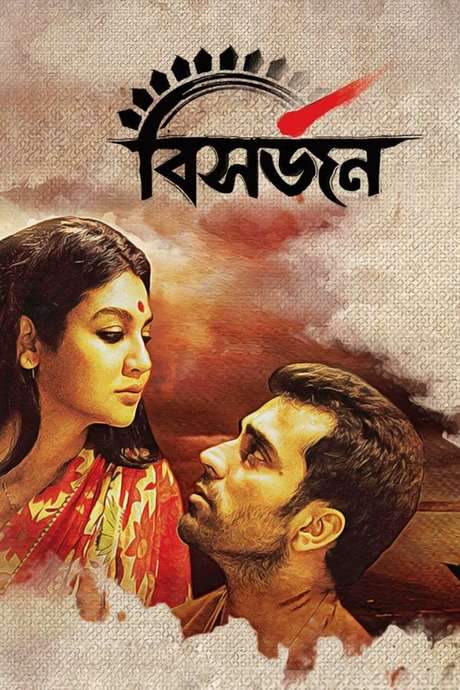
Bishorjan (2017) movie poster

Plot Summary

Bishorjan (2017) Plot Summary Explained

Release, runtime and language
2017 · 138 mins · Bengali, Bangla
Starring
Abir Chatterjee, Kaushik Ganguly, Arun Guha Tharkurta, Jaya Ahsan, Lama Halder

A mother struggles with the tradition of Durga Bishorjon, the immersion of Durga idols in the Ichamati River, which separates West Bengal and Bangladesh. As celebrations and immense joy fill the atmosphere, she reflects on a poignant memory from a previous Bishorjon ceremony. The bittersweet event highlights the cultural significance of the festival and the emotions surrounding separation and remembrance.

On this page (6)
  1. 1 Where to watch
  2. 2 What happens: full plot
  3. 3 Plot questions answered
  4. 4 Movie threads
  5. 5 Movies like Bishorjan
  6. 6 Every angle

Where to watch

Where to Watch Bishorjan (2017)

Where can you watch Bishorjan? Stream, rent or buy it in the US, including on Hoichoi: current JustWatch availability with up-to-date prices.

Streaming availability powered by JustWatch

Full plot summary · contains spoilers

What Happens in Bishorjan: Full Plot Summary

The whole story of Bishorjan (2017) explained, from the opening scene to the final frame: every key event, every twist and what it all adds up to. Read it as a quick recap before the sequel, to check a scene you missed, or to finally understand what really happened.

Padma, Jaya Ahsan, a Hindu widow living in a quiet border village on the Bangladeshi side, refuses to witness Durga Bishorjon with her son. The festival, a grand tradition that travels across borders, culminates in the immersion of huge Durga idols into the Ichamati River, a watercourse that literally divides two lands and two communities. As the crowd cheers and colors spill into the current, Padma's mind drifts back to a Bishorjon from years past, revealing how memory and place shape her choices in the present.

After the partition of India, Bengal is carved into East Pakistan (later Bangladesh) and West Bengal, India. Border tensions sharpen, and neighbors grow distant as lines on a map harden into everyday life. In this fragile atmosphere, Padma saves Nasir Ali, Abir Chatterjee, a West Bengali Muslim man who had nearly drowned in the river during Bishorjon, and shelters him in her home. To conceal his uncertain citizenship, they claim he is her cousin, hoping the truth can stay hidden in the village.

Ganesh, Kaushik Ganguly, a middle-aged jamidar who admires Padma, grows suspicious of Nasir. The two men, bound by different destinies, confront how a river can split people who share a history and a homeland, turning kinship into a question of borders rather than blood.

Padma dreams of sending Nasir back to India. Nasir confides that his drowning story was a lie and reveals ties to the black market that complicate his stay. Padma's father-in-law dies, and Nasir worries for her safety now that Ganesh keeps a watchful eye over the village. Still, Padma urges him to stay calm, and to ready himself for a possible return to West Bengal.

Ganesh declares his love for Padma and vows to wait. To help, Padma agrees to marry Ganesh in exchange for his assistance in smuggling Nasir across the border.

On Bijoya Doshomi, the night before Nasir's departure, Padma loosens her restraint, drinks, and bares her pain to Nasir. The moment of passion complicates their vow, and the next day Padma parts from Nasir with a tearful goodbye, sending him away with a gift for Ayesha. Nasir promises to end his black-market business. Ganesh escorts Padma to his home as Nasir departs. Padma marries Ganesh, and she refuses to go to see Bishorjon in Ichamati; her little son leaves with Ganesh. In a final, shattering reveal, the boy carries Nasir's birthmark, proving that he is Nasir's son.

Last updated: October 01, 2025 at 13:07

Was this helpful?

Plot questions answered

Bishorjan Plot Explained: Your Questions Answered

The questions people ask most about Bishorjan (2017): what happens in the confusing scenes, why the characters do what they do, the twists, hidden details and what the ending means. Each answer contains spoilers.

Q1

Why does Padma refuse to attend Bishorjon at the beginning of the film?

Padma refuses to witness Bishorjon because the festival triggers painful memories of her past. Years ago, during a previous Bishorjon, she saved Nasir Ali, a West Bengali Muslim man who nearly drowned in the Ichamati River. This event led to a forbidden love affair and ultimately resulted in her son being Nasir's child. The joyful celebration now reminds her of what she lost and the secret she carries.

Foreshadowing: The opening scene's somber tone contrasts sharply with the festive atmosphere, signaling that Padma's refusal stems from deep personal trauma rather than simple reluctance.

  • padma
  • bishorjon
  • refuses
  • memories
  • son
Q2

Why does Padma agree to marry Ganesh?

Padma agrees to marry Ganesh as a strategic decision to secure his help in smuggling Nasir back to West Bengal. Ganesh, a middle-aged jamidar who has long admired Padma, confesses his love and offers to assist her. Knowing she cannot openly help Nasir cross the border due to his illegal status, Padma sacrifices her own happiness by accepting Ganesh's proposal in exchange for his aid in the dangerous crossing.

Foreshadowing: Earlier in the film, Ganesh's suspicion of Nasir creates tension, making his sudden willingness to help seem incongruent until his confession reveals his personal motives.

  • padma
  • ganesh
  • marriage
  • smuggling
  • nasir
Q3

What happens between Padma and Nasir the night before his departure?

On the night before Nasir's planned departure to West Bengal, Padma drinks alcohol and openly expresses her pain about their situation. Overwhelmed by emotion and the certainty of their separation, they give in to their feelings and make love. This moment of passion complicates their relationship and results in Padma becoming pregnant, though this is only revealed later through the birthmark revelation.

Foreshadowing: The buildup throughout their weeks together, marked by deepening emotional connection and shared secrets about Nasir's black market ties, makes this moment of vulnerability feel inevitable.

  • padma
  • nasir
  • night
  • passion
  • farewell
Q4

Why does the boy have Nasir's birthmark at the end?

The boy carries Nasir's birthmark because he is actually Nasir's biological son, not the child of Padma's deceased husband. This revelation comes at the film's end when Padma's son leaves with Ganesh, and the shared birthmark becomes visible. Padma has carried this secret throughout her marriage to Ganesh, making her refusal to attend Bishorjon even more poignant, she cannot celebrate a festival while hiding such a profound truth.

Foreshadowing: The film carefully avoids showing the boy's father throughout, and Padma's emotional reaction to Nasir's departure hints at a deeper connection that transcends their platonic relationship.

  • birthmark
  • son
  • nasir
  • revelation
  • lineage
Q5

Why did Nasir lie about nearly drowning in the river?

Nasir's claim of nearly drowning during Bishorjon was a fabrication designed to gain Padma's sympathy and shelter. When Padma finds him near the river, he uses the dramatic drowning story to explain his presence in the village. Later, Nasir confesses to Padma that he did not actually drown and reveals he has connections to the black market, explaining why he needed to hide in the first place.

Foreshadowing: The dramatic rescue scene establishes Padma's compassion as her defining trait, making her subsequent decision to shelter a stranger more believable.

  • nasir
  • drowning
  • lie
  • black market
Q6

Why does Padma send Nasir back to India despite their feelings for each other?

Padma decides to send Nasir back to West Bengal because his illegal status in Bangladesh makes staying dangerously precarious. With Ganesh watching the village and Nasir's black market connections putting them all at risk, Padma recognizes that Nasir's life is in danger if he remains. Additionally, her position as a young Hindu widow in a conservative border village makes it impossible for them to openly be together. Sending him away becomes an act of protection, even though it breaks her heart.

Foreshadowing: The increasing pressure from Ganesh's surveillance and the death of Padma's father-in-law create the circumstances that make Nasir's departure necessary.

  • padma
  • nasir
  • departure
  • border
  • india
Q7

What is the significance of the Ichamati River in the story?

The Ichamati River serves as both a literal and metaphorical divider in the film. It marks the border between Bangladesh and West Bengal, physically separating communities that share ethnicity, culture, and history. The river is central to the Durga Bishorjon festival, where massive Durga idols are immersed into its waters. For Padma, the river represents both the site where she found Nasir and the barrier that will carry him back to India, making it a symbol of separation, hope, and loss.

Foreshadowing: The opening and closing scenes at the river during Bishorjon create a circular structure that emphasizes how the river continues to divide lives despite the festival's unifying spirit.

  • ichamati
  • river
  • border
  • bishorjon
  • durga
Q8

Why does Ganesh agree to help Padma despite knowing her feelings for Nasir?

Ganesh agrees to help Padma smuggle Nasir across the border because he has loved her for years and sees this as an opportunity to win her favor. Even when Padma admits her feelings for Nasir, Ganesh's desire to help her compels him to assist. He believes that by proving his worth through this dangerous deed, he can eventually earn Padma's love in return. His confession that he will wait for her reveals his hopeful, if naive, belief that he can eventually replace Nasir in her heart.

Foreshadowing: Ganesh's earlier jealousy and surveillance of Nasir create the tension that makes his sudden willingness to help more complex, his love for Padma outweighs his suspicion.

  • ganesh
  • help
  • nasir
  • love
  • smuggling
Q9

How does the Partition of Bengal affect the characters in the film?

The Partition of Bengal (1947) fundamentally shapes the characters' lives by dividing their shared homeland into East Pakistan (later Bangladesh) and West Bengal, India. This political division turns neighbors into strangers and makes border crossing illegal. Padma, a Hindu widow, finds herself on the Bangladeshi side, while Nasir, a Muslim man from West Bengal, becomes trapped in a foreign country when the borders harden. The river that once connected communities now separates families, making Nasir's return impossible without dangerous smuggling.

Foreshadowing: The opening narration about the partition establishes the historical context that makes Padma's sheltering of Nasir both courageous and legally dangerous.

  • partition
  • bengal
  • border
  • india
  • bangladesh
Q10

What is the gift Padma gives Nasir to give to Ayesha?

When Padma bids farewell to Nasir, she gives him a gift to deliver to Ayesha, presumably a woman from Nasir's past in West Bengal. This detail reveals that Nasir had someone waiting for him in India, adding another layer of complexity to their relationship. Nasir promises to end his black market involvement, suggesting he intends to return to a more legitimate life. The gift represents Padma's final act of care, even in separation, she thinks of others Nasir is connected to.

Foreshadowing: This moment provides closure to Nasir's character arc, showing he has commitments beyond the border village that motivate his return.

  • ayesha
  • gift
  • nasir
  • promise
  • farewell

Movie threads

More Movies Like Bishorjan, by Mood & Story

Curated lists built around what makes Bishorjan tick: the same mood, the same kind of story or the same emotional payoff. Each list explains why these movies belong together.

Slow burn cultural dramas like Bishorjan

Stories where personal memories and cultural traditions intertwine with quiet sorrow. Explore movies like Bishorjan that use a slow, deliberate pace to delve into themes of cultural memory, tradition, and personal loss. If you enjoyed the reflective, melancholic mood and deep emotional resonance of Bishorjan, this collection of poignant, character-driven stories is for you.

  • melancholic
  • reflective
  • poignant
  • quiet
  • yearning
  • somber
  • Tone: melancholic, reflective, poignant
  • Pacing: slow, deliberate, character-driven
Why these movies?

The story pattern: Narratives in this thread often center on a character reflecting on a pivotal past event or relationship, triggered by a present-day cultural ritual or anniversary. The story weaves between past and present, revealing how personal history is inextricably linked to a larger cultural or political landscape, leading to a poignant, bittersweet resolution.

Why they belong together: Movies are grouped here for their shared slow pacing, melancholic tone, and focus on the intersection of personal memory with deep-rooted cultural traditions. They create a similar viewing experience of quiet contemplation and heavy emotional weight.


Movies about forbidden romance and political borders like Bishorjan

Love stories made impossible by borders, politics, and cultural separation. Discover films similar to Bishorjan that explore love stories strained by political divides and cultural separation. If you were moved by the theme of a romance doomed by a border river and the resulting lifelong grief, these emotionally heavy and bittersweet dramas will resonate.

  • forbidden romance
  • political
  • yearning
  • grief
  • separation
  • bittersweet
  • Tone: melancholic, bittersweet, yearning
  • Pacing: slow to steady, emotionally focused
Why these movies?

The story pattern: The central narrative pattern involves a powerful romantic connection that is severed or forbidden due to a political boundary—a border, a war, or a rigid social divide. The story often follows characters grappling with the aftermath, carrying the weight of their lost love for years, and exploring themes of what could have been against an unchangeable geopolitical backdrop.

Why they belong together: These movies share a core theme of romance being tragically impacted by political or cultural borders. They consistently feature high emotional weight, bittersweet endings, and a melancholic mood, creating a cohesive vibe of poignant, impossible love.

If you liked this

Movies Like Bishorjan

Similar movies to Bishorjan: the same genre, themes or kind of story. Each one comes with its own plot summary, timeline and ending explained.

Browse all movie summaries

Every angle

Bishorjan (2017) Explained: Plot, Timeline & Characters

Everything about Bishorjan in one place: what happens in the plot summary, the timeline in chronological order, the characters and meaning and a spoiler-free summary. What's After the Movie adds the cast, box office and post-credit scenes.

Coming soon on iOS and Android

The Plot Explained Movie Summary App

Plot summaries, endings explained and timelines on your phone. Catch up on any movie in minutes, save your favorites and never miss a twist again.

Be the first to know when we launch. Your email stays private, always.

Learn more about the app