








Plot Explained Spoilers guaranteed!
Plot Explained

Browse by genre

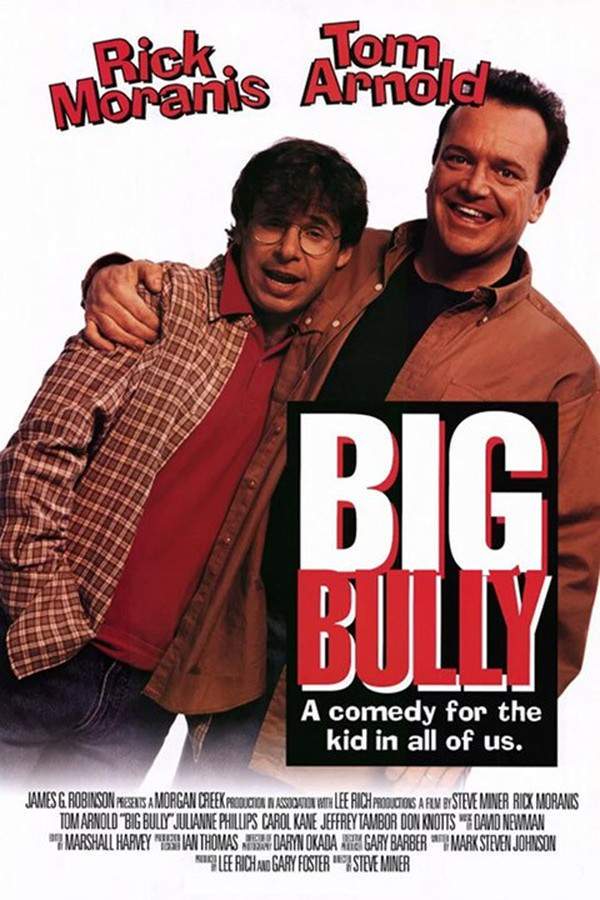
Big Bully (1996) movie poster

Characters & Themes

Big Bully (1996) Characters, Setting & Themes Explained

Release, runtime and language
1996 · 90 min · English
JustWatch #11,686 6
Directed by
Steve Miner
Starring
Rick Moranis, Tom Arnold

A writer-turned-teacher, David Leary, played by Rick Moranis, returns to his hometown and finds himself facing his former bully, Fang. The decades-old rivalry is unexpectedly rekindled, forcing both men to confront their past actions and the responsibilities they have as fathers. Through a journey of reflection and reconciliation, they must address the impact of their past and find a path toward understanding and growth.

On this page (8)
  1. 1 Where to watch
  2. 2 Characters explained (2)
  3. 3 Where & when it takes place
  4. 4 Themes & meaning (3)
  5. 5 Character & meaning questions
  6. 6 Movie threads
  7. 7 Movies like Big Bully
  8. 8 Every angle

Where to watch

Where to Watch Big Bully (1996)

Where can you watch Big Bully? Stream, rent or buy it in the US, including on Amazon Prime Video, YouTube Free and Amazon Video: current JustWatch availability with up-to-date prices.

Streaming availability powered by JustWatch

2 main characters · contains spoilers

Big Bully Characters Explained: Who Is Who

The main characters of Big Bully (1996), heroes and villains: what drives them, how they change over the course of the story and what each of them reveals about the film's bigger ideas.

  • David Leary (Rick Moranis)

    A once-bullied boy who grew into a published but not widely known author and a single father. Returning to teaching, he navigates professional and romantic rekindling while confronting a fear of confrontation stirred by his old bully, Ross. His journey is about reclaiming agency, balancing family life, and learning to stand up for himself without losing his humanity.

    • 👨‍👦 Father
    • 🖋️ Writer
    • 🧭 Survivor
  • Ross Bigger (Tom Arnold)

    The adult incarnation of the schoolyard bully, who wields intimidation to mask deep-seated insecurities. He resents David and clings to authority at school, eventually revealing why he stole the moon rock: a misguided dream of becoming an astronaut. His arc exposes how pain and vanity can drive cruelty, while hints of vulnerability emerge when the past catches up with him.

    • 🧭 Bully
    • 🏫 Authority
    • 🧩 Complexity

Last updated: November 22, 2025 at 15:31

Was this helpful?

Setting

Where and When Does Big Bully Take Place?

The setting of Big Bully (1996): the year and time period, the places and locations, and how they shape the characters, the mood and the tension of the story.

Time period

1970s, 1996

The film juxtaposes two eras: the 1970s childhood in Hastings and the mid-1990s adult life in Oakland. The 1970s section emphasizes schoolyard hierarchies and small-town mores, while the 1996 portion focuses on mature relationships, divorce, and a test of character. Time shifts underscore how childhood experiences echo into adulthood.

Location

Hastings, Minnesota, Oakland

The story unfolds in Hastings, Minnesota during the 1970s, a close-knit small town where David is bullied by Fang. Decades later, the action moves to Oakland in 1996, where David returns to teaching and reconnects with old friends and a former flame. The contrast between a quiet Midwestern town and a bustling city backdrop highlights how past events linger and shape present choices.

  • 🏙️ Small Town
  • 🗺️ Midwest
  • 🚚 Moving to Oakland

Last updated: November 22, 2025 at 15:31

Was this helpful?

3 major themes

Big Bully Meaning: Themes & Message Explained

What is Big Bully (1996) really about? The emotional, social and philosophical themes the film keeps returning to, its symbolism and the message beneath the surface.

  • Reconciliation

    Old grievances resurface as David and Ross confront their shared history. Their children, Ben and Kirby, catalyze a turning point by challenging the adults to abandon pride and seek a truce. Through confrontations, real talk, and risky acts, the film suggests that forgiveness is possible even after years of resentment. The ending shows the families choosing to move forward together.

  • Bullying and Power

    The film traces how power dynamics from childhood carry into adulthood, with Ross using intimidation to control his environment. David's fear and paranoia reflect how past abuse can shape a person's present actions. The narrative also reveals the consequences of unchecked dominance on families and students alike. Acceptance and boundaries begin to form only when the cycle is broken.

  • Father-Son Bonds

    A central thread is the strained relationship between fathers and their sons, and how mentoring and empathy can heal. David's efforts to support Ben clash with Ross's overbearing style, forcing them to reconsider what it means to be a father. The boys' own friendship becomes the catalyst that nudges their dads toward repair. The story culminates in a shared sense of responsibility and mutual respect.

Last updated: November 22, 2025 at 15:31

Was this helpful?

Character & theme questions

Big Bully Characters & Meaning: Your Questions Answered

The questions people ask about Big Bully (1996): who the characters really are, their relationships, what the symbols mean, where it takes place and what the movie is really about. Each answer contains spoilers.

Q1

Where does the story take place?

The story primarily takes place in Hastings, Minnesota, during the 1970s, and moves to Oakland in 1996. Big Bully uses this contrast between a quiet Midwestern town and a bustling city to highlight how past events shape present choices. The shift in location underscores the transition from childhood hierarchies to adult responsibilities.

Foreshadowing: The opening scenes in Hastings establish the emotional roots that follow David to Oakland.

  • setting
  • hastings
  • oakland
  • minnesota
  • location
  • 1996
Q2

What time periods does the movie cover?

The film juxtaposes two distinct eras: the 1970s childhood period and the mid-1990s adult timeline. Big Bully uses these time shifts to show how schoolyard dynamics echo into mature relationships decades later. The 1996 portion focuses on divorce, career changes, and testing character against past trauma.

Foreshadowing: Early schoolyard scenes hint at the long-term impact of these childhood moments.

  • time period
  • 1970s
  • 1996
  • era
  • timeline
  • childhood
Q3

Who is the main character?

The main character is David Leary, a writer-turned-teacher and single father navigating life after returning to his hometown. In Big Bully, David represents the perspective of someone seeking to reclaim agency after years of fear. His journey balances professional rekindling with the need to confront past intimidation.

  • david leary
  • protagonist
  • teacher
  • writer
  • single father
  • role
Q4

Who is the adult bully?

The adult bully is Ross Bigger, the grown-up incarnation of the schoolyard antagonist who wields intimidation to mask insecurities. Big Bully portrays Ross as someone clinging to authority while harboring a misguided dream of becoming an astronaut. His arc exposes how pain and vanity can drive cruelty within a community.

  • ross bigger
  • antagonist
  • bully
  • insecurity
  • authority
  • villain
Q5

Which actor plays the lead role?

Rick Moranis plays the lead role of David Leary, bringing a comedic yet vulnerable tone to the character. In Big Bully, Moranis navigates the balance between humor and the serious effects of childhood trauma. His performance anchors the film's exploration of reclaiming humanity without losing dignity.

  • rick moranis
  • actor
  • cast
  • lead
  • david leary
  • performance
Q6

Which actor plays the bully?

Tom Arnold plays the bully Ross Bigger, delivering a performance that blends aggression with underlying vulnerability. Big Bully uses Arnold's presence to highlight how unchecked dominance affects families and students. His portrayal reveals the insecurity driving the character's need for control.

  • tom arnold
  • actor
  • cast
  • ross bigger
  • performance
  • antagonist
Q7

What does the movie say about bullying?

The movie explores how power dynamics from childhood carry into adulthood, shaping fear and paranoia in victims. Big Bully suggests that acceptance and boundaries form only when the cycle of intimidation is broken. The narrative reveals the consequences of unchecked dominance on both families and students alike.

  • bullying
  • power dynamics
  • trauma
  • fear
  • cycle
  • consequence
Q8

How are father-son relationships portrayed?

Father-son relationships are portrayed as strained yet capable of healing through mentoring and empathy. In Big Bully, the boys' friendship becomes the catalyst that nudges their dads toward repair and mutual respect. The story culminates in a shared sense of responsibility regarding what it means to be a father.

  • fatherhood
  • sons
  • relationship
  • parenting
  • mentor
  • family
Q9

What is the core message of the story?

The core message is that forgiveness is possible even after years of resentment and old grievances resurface. Big Bully shows families choosing to move forward together through confrontations and real talk. The ending emphasizes reconciliation over holding onto pride or past pain.

  • message
  • forgiveness
  • reconciliation
  • theme
  • meaning
  • growth
Q10

Is the movie a comedy or drama?

The movie blends both comedy and drama, maintaining a light tone despite darker undercurrents from the bullying theme. Big Bully uses slapstick elements and humorous pranks to prevent the conflict from becoming overwhelming. The emotional journey progresses from anxiety to a happy, hopeful resolution.

  • genre
  • comedy
  • drama
  • tone
  • mood
  • style
Q11

How do the settings influence the story?

The settings influence the story by contrasting a close-knit small town with a bustling city backdrop. Big Bully uses this shift to highlight how past events linger and shape present choices in different environments. The quiet Midwest mores clash with the mature relationships found in the later urban setting.

  • setting
  • contrast
  • small town
  • city
  • environment
  • influence
Q12

What is the origin of the adult conflict?

The adult conflict originates from a decades-old rivalry that is unexpectedly rekindled upon returning home. Big Bully forces both men to confront past actions and the responsibilities they hold as fathers. This history drives the narrative toward a path of understanding and growth rather than endless feud.

Foreshadowing: Childhood interactions in Hastings set the stage for the adult confrontation.

  • conflict
  • rivalry
  • history
  • past
  • origin
  • confrontation

Movie threads

More Movies Like Big Bully, by Mood & Story

Curated lists built around what makes Big Bully tick: the same mood, the same kind of story or the same emotional payoff. Each list explains why these movies belong together.

Movies about confronting past trauma like Big Bully

Middle-aged characters revisit unresolved childhood conflicts for a cathartic resolution. If you liked Big Bully's story of a man facing his childhood bully, you'll enjoy these movies about adults reckoning with their past. This list features similar dramas and comedies where characters return home to resolve old wounds, find reconciliation, and achieve personal catharsis.

  • nostalgic
  • cathartic
  • reconciliatory
  • reflective
  • uneasy
  • playful
  • Tone: reflective, cathartic, whimsical
  • Pacing: steady, character-driven
Why these movies?

The story pattern: Stories in this thread typically begin with a protagonist reluctantly returning to their hometown or a significant place from their youth. A confrontation with a figure from their past—a bully, a rival, a lost love—trigers a re-examination of long-buried feelings. The journey blends flashbacks with present-day interactions, culminating in a climactic moment of truth that allows for healing and a more hopeful future.

Why they belong together: Movies are grouped here because they share the specific narrative arc of an adult confronting a formative childhood conflict. They balance the emotional weight of past trauma with the potential for comedy and catharsis, often set against the nostalgic backdrop of a familiar place, creating a distinct vibe of reflective reconciliation.
Whimsical dark comedies with heart like Big Bully

Stories that tackle weighty topics with a light touch and humorous spirit. Fans of Big Bully will appreciate this collection of movies that blend serious themes with playful comedy. These films similarly balance darker subject matter, like bullying or past regrets, with a lighthearted tone, slapstick humor, and a ultimately hopeful and cathartic resolution.

  • whimsical
  • playful
  • cathartic
  • uneasy
  • hopeful
  • reconciliatory
  • Tone: light, whimsical, hopeful
  • Pacing: steady
Why these movies?

The story pattern: The narrative pattern involves a protagonist facing a significant personal challenge or unresolved issue. The conflict is real and carries emotional weight, but the story's execution relies on comedic situations, quirky characters, and often slapstick or farcical elements to diffuse the tension. The journey is one of growth and understanding, achieved through laughter as much as through drama.

Why they belong together: These films are grouped together because they masterfully mix a medium emotional weight with a light tone. They create a unique viewing experience that is both thoughtful and entertaining, proving that comedies can meaningfully address serious themes while leaving the audience feeling uplifted.

If you liked this

Movies Like Big Bully

Similar movies to Big Bully: the same genre, themes or kind of story. Each one comes with its own plot summary, timeline and ending explained.

Browse all movie summaries

Every angle

Big Bully (1996) Explained: Plot, Timeline & Characters

Everything about Big Bully in one place: what happens in the plot summary, the timeline in chronological order, the characters and meaning and a spoiler-free summary. What's After the Movie adds the cast, box office and post-credit scenes.

Coming soon on iOS and Android

The Plot Explained Movie Summary App

Plot summaries, endings explained and timelines on your phone. Catch up on any movie in minutes, save your favorites and never miss a twist again.

Be the first to know when we launch. Your email stays private, always.

Learn more about the app