








Plot Explained Spoilers guaranteed!
Plot Explained

Browse by genre

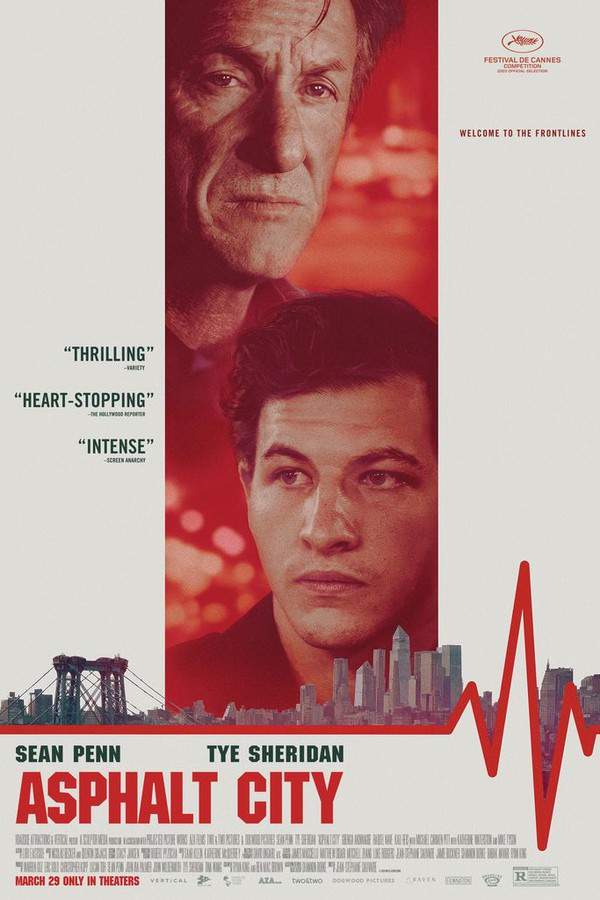
Asphalt City (2024) movie poster

Ending Explained

Asphalt City (2024) Ending Explained – Final Scene & Meaning

Release, runtime and language
2024 · 2 h 5 m · English
Echo score 49
JustWatch #2,900 2
Directed by
Jean-Stéphane Sauvaire
Starring
Sean Penn, Gbenga Akinnagbe, Mike Tyson, Katherine Waterston, Michael Pitt, Tye Sheridan

Amidst the challenging environment of Asphalt City, rookie paramedic Ollie Cross is partnered with experienced EMT Rutkovsky. Together, they face dangerous situations and high-pressure scenarios, forcing Ollie to quickly learn the realities of emergency medical work and the weight of making critical decisions that determine life or death.

On this page (8)
  1. 1 Where to watch
  2. 2 What happens at the end
  3. 3 Final events in order
  4. 4 Ending questions answered
  5. 5 The book behind the movie
  6. 6 Movie threads
  7. 7 Movies like Asphalt City
  8. 8 Every angle

Where to watch

Where to Watch Asphalt City (2024)

Where can you watch Asphalt City? Stream, rent or buy it in the US, including on Netflix, Netflix Standard and Amazon Video: current JustWatch availability with up-to-date prices.

Streaming availability powered by JustWatch

Ending explained · contains spoilers

What Happens at the End of Asphalt City?

How Asphalt City (2024) ends, what the final scene means, which earlier moments set it up and how to read the ending if the film leaves it open. The full ending explained, with every spoiler.

Ollie Cross’s journey in "Asphalt City" is a deeply emotional exploration of the challenges faced by paramedics in a city filled with chaos and suffering. Throughout the film, Ollie is tested by the harsh realities of life-and-death situations, especially after witnessing a man die despite his best efforts. His mentor, Gene Rutkovsky, initially teaches him to detach emotionally to survive in this profession, but Ollie struggles with this advice, haunted by memories of his mother's suicide and his desire to make a difference.

The turning point comes when Rut lies about the newborn’s condition, claiming the baby is stillborn when in reality, Rut has decided not to treat the child because he believes the baby’s life would be full of suffering. Rut’s decision is rooted in his cynicism and despair after personal losses, including his strained relationship with his daughter. Ollie’s trust in Rut blinds him to the truth at first, but when he learns the reality, it crushes him—especially after Rut’s suicide. Rut’s death on the roof symbolizes the culmination of his despair and guilt, leaving Ollie devastated and questioning the meaning of his work and life.

In the aftermath, Ollie grapples with guilt and grief, slowly realizing that emotional detachment isn’t the answer. The film ends with Ollie’s renewed sense of purpose as he risks himself to save Rosario during a fire, symbolizing his acceptance of his emotional challenges and his commitment to truly saving lives—not just physically, but emotionally. The moment when the mother thanks Ollie marks a turning point for him, showing that despite the darkness he has encountered, there is still hope. His final smile signifies a cautious optimism and a renewed belief that, even in a city riddled with suffering, genuine acts of kindness and heroism can still make a difference. The film concludes with Ollie embracing his role, understanding that his journey is not about becoming emotionless, but about finding the strength to heal both others and himself.

Last updated: June 25, 2025 at 09:02

Was this helpful?

The last 4 events

How Asphalt City Ends: The Final Events in Order

The last events of Asphalt City (2024) in chronological order, the run-up to the ending explained above. The complete timeline has all 15 events, scene by scene.

Open the full timeline
  1. Rutkovsky's Personal Sacrifices

    Struggling with the demands of his job, Rutkovsky confides in Cross about his failed marriages and personal sacrifices. Their conversations illustrate the toll the paramedic profession takes on personal lives.

  2. Tragic Death of Rutkovsky

    Cross arrives at Rutkovsky's home, only to find him unresponsive. This devastating loss leads to intense grief for Cross, who must confront the harsh realities and emotional turmoil of his profession.

    Where
    Rutkovsky's Home
  3. Seeking Redemption with Nia

    A year later, Cross visits Nia at a rehabilitation facility, seeking redemption and grappling with his past decisions. This encounter propels him toward acknowledging his mistakes while aiming to regain his purpose as a paramedic.

    Where
    Rehabilitation Facility
  4. Defiant Act of Courage

    In a moment of clarity and resolve, Cross breaks protocol to rush into a fire to save a young girl. This act reignites his passion for emergency medicine and affirms his commitment to his calling as a caregiver.

Ending questions answered

Asphalt City Ending: Your Questions Answered

The questions people ask most about the ending of Asphalt City (2024): what the final scene means, how the twist works, what happens to each character and how to read the ending. Each answer contains spoilers.

Q1

Why does Rut lie about the newborn being stillborn?

Rut lies about the newborn's condition because he deliberately chose not to treat the baby. He believed the child's life would be filled with suffering, so he told Ollie the baby was stillborn to avoid revealing his decision. This lie stems from Rut's deep cynicism and despair after experiencing personal losses, including his strained relationship with his daughter.

Foreshadowing: Earlier in the film, Rut repeatedly advises Ollie to detach emotionally from patients, revealing his own emotional numbing.

  • rut
  • knewborn
  • lie
  • stillborn
  • suffering
Q2

What leads to Rut's suicide in the film?

Rut commits suicide on the roof as the culmination of his profound despair and guilt. He was already struggling with personal losses, including his fractured relationship with his daughter, and the weight of his lie about the newborn, combined with his overall cynicism about the suffering he witnessed daily, became unbearable. His death symbolizes the ultimate failure of his emotionally detached approach to the job.

Foreshadowing: Rut's repeated messages to his daughter that go unanswered hint at his personal isolation.

  • rut
  • suicide
  • roof
  • despair
  • guilt
Q3

What does Ollie's decision to save Rosario during the fire signify?

After Rut's death, Ollie risks his life to save Rosario during a fire, which marks his complete rejection of Rut's advice to remain emotionally detached. Unlike Rut, Ollie chooses to fully commit to saving lives, not just physically, but emotionally. This act represents his acceptance of the emotional challenges of the job and his belief that genuine connection matters.

Foreshadowing: Ollie has consistently struggled with Rut's detachment advice throughout the film, always feeling deeply affected by patient deaths.

  • ollie
  • rosario
  • fire
  • save
  • emotional commitment
Q4

Why is the moment when the mother thanks Ollie important?

The moment when the mother thanks Ollie after he saves Rosario becomes a turning point for him. It represents the first time he truly feels his work has made a meaningful difference. This gratitude validates his decision to stay emotionally invested rather than detach, showing him that his efforts can actually heal people, not just their bodies, but their lives.

Foreshadowing: Earlier, Ollie is haunted by a man dying despite his best efforts, making this successful rescue emotionally transformative.

  • mother
  • thanks
  • ollie
  • gratitude
  • turning point
Q5

What does Ollie's final smile represent?

Ollie's final smile represents cautious optimism and a renewed sense of purpose. After witnessing Rut's despair and suicide, experiencing intense grief, and nearly losing hope, Ollie chooses to continue his work with genuine emotional engagement. The smile signifies his understanding that his journey is about healing both others and himself, and that even in a city filled with suffering, his work matters.

Foreshadowing: The smile contrasts sharply with the bleak tone throughout the film, representing hard-won hope.

  • ollie
  • smile
  • optimism
  • hope
  • purpose
Q6

What is Rut's reasoning for not treating the baby?

Rut's reasoning for not treating the newborn stems from his deeply cynical worldview. After years of witnessing suffering, trauma, and failed interventions as a paramedic, Rut believed bringing another life into such a painful world would be cruel. His decision reflects his own accumulated despair from personal losses, particularly his estranged relationship with his daughter, which colored his view of human suffering.

Foreshadowing: Rut's repeated references to the futility of saving people hint at his underlying philosophy.

  • rut
  • baby
  • not treat
  • suffering
  • cynicism
Q7

How does the ending resolve Ollie's conflict about emotional detachment?

The ending resolves Ollie's conflict by showing that emotional detachment is not the answer. Initially torn between following Rut's advice to survive emotionally and his own instinct to care deeply, Ollie ultimately rejects detachment after witnessing its destructive effects on Rut. His choice to fully engage emotionally, risking himself for Rosario, represents his solution: finding the strength to heal others while accepting the emotional cost.

Foreshadowing: Ollie's struggle with detachment is established from his first shift, intensified by memories of his mother's suicide.

  • ollie
  • emotional detachment
  • conflict
  • resolution
  • mentor
Q8

What is the significance of Rut's strained relationship with his daughter?

Rut's strained relationship with his daughter serves as the foundation for his cynicism and his decision regarding the newborn. His inability to connect with his own child, evidenced by unanswered messages, mirrors his belief that life brings more suffering than joy. This personal loss informs his worldview and ultimately contributes to his tragic choice and suicide, highlighting how his emotional isolation became self-destructive.

Foreshadowing: Rut's failed attempts to contact his daughter are shown early in the film.

  • rut
  • daughter
  • strained
  • relationship
  • isolation
Q9

What does the film say about finding hope in a city filled with suffering?

The film concludes that genuine acts of kindness and heroism can still make a difference, even in a city riddled with suffering. While the narrative is overwhelmingly bleak and tragic, Ollie's final choice to embrace his role with emotional commitment represents a hard-won optimism. The mother's gratitude and his successful rescue show that connection and purpose are still possible, even when surrounded by chaos and loss.

Foreshadowing: The film's relentless portrayal of suffering establishes the context for this subtle but meaningful hope.

  • hope
  • suffering
  • city
  • kindness
  • heroism
Q10

How does Ollie's mother's suicide affect his journey?

Ollie's mother's suicide is the emotional core driving his struggle with emotional detachment. This personal trauma makes it impossible for him to follow Rut's advice to remain numb to suffering. His desire to make a difference stems from his inability to save his mother, and his acceptance of emotional engagement at the end represents a form of healing from that original wound, he chooses to save others instead of shutting down.

Foreshadowing: Ollie's haunting memories of his mother's death are present throughout the film.

  • ollie
  • mother
  • suicide
  • trauma
  • backstory

Movie threads

More Movies Like Asphalt City, by Mood & Story

Curated lists built around what makes Asphalt City tick: the same mood, the same kind of story or the same emotional payoff. Each list explains why these movies belong together.

Movies about professional burnout and moral decay like Asphalt City

Stories where a demanding career pushes a protagonist to their moral and emotional limits. If you liked the intense, gritty portrayal of paramedic work in Asphalt City, explore these movies about high-stakes professions. These films capture similar feelings of exhaustion, moral conflict, and the heavy emotional weight of life-or-death decisions in demanding, often broken systems.

  • gritty
  • anxious
  • exhausting
  • despairing
  • stressful
  • clinically detached
  • Tone: bleak, oppressive
  • Pacing: variable, with intense bursts
Why these movies?

The story pattern: These narratives often follow a newcomer or dedicated professional into a chaotic environment. The plot charts their journey from idealism or naivete to disillusionment, frequently involving a seasoned but cynical mentor. The central conflict is internal: the battle to maintain one's ethics and sanity against a tide of suffering, bureaucracy, and personal failure.

Why they belong together: Movies are grouped here for their shared focus on the corrosive effects of a demanding job. They share a bleak tone, high emotional intensity, and a thematic exploration of trauma, burnout, and the heavy cost of bearing witness to human suffering.

Gritty and bleak urban dramas like Asphalt City

Unflinching portraits of life in the harsh, unforgiving underbelly of a city. For viewers who appreciated the raw, unflinching depiction of city life in Asphalt City, this list features similar movies. These gritty urban stories share a dark, tense atmosphere and explore themes of trauma, survival, and the moral conflicts faced by those operating on society's front lines.

  • gritty
  • oppressive
  • anxious
  • despairing
  • raw
  • unflinching
  • Tone: bleak, tense, melancholic
  • Pacing: variable, immersive
Why these movies?

The story pattern: The narrative pattern is often episodic, reflecting the fragmented, chaotic nature of city life. The plot is driven by encounters with a cross-section of society in crisis. The protagonist's journey is one of hardening or unraveling as they are repeatedly exposed to the city's brutality, with the environment itself serving as the primary antagonist.

Why they belong together: These films are united by their shared vibe of urban bleakness. They possess a similar aesthetic of grime and tension, a focus on dark and disturbing themes, and a pervasive mood of anxiety and despair rooted in a realistic, often hyper-violent, city environment.

If you liked this

Movies Like Asphalt City

Similar movies to Asphalt City: the same genre, themes or kind of story. Each one comes with its own plot summary, timeline and ending explained.

Browse all movie summaries

Every angle

Asphalt City (2024) Explained: Plot, Ending, Timeline & Characters

Everything about Asphalt City in one place: what happens in the plot summary, the timeline in chronological order, the characters and meaning, the ending explained and a spoiler-free summary. What's After the Movie adds the cast, box office and post-credit scenes.

Coming soon on iOS and Android

The Plot Explained Movie Summary App

Plot summaries, endings explained and timelines on your phone. Catch up on any movie in minutes, save your favorites and never miss a twist again.

Be the first to know when we launch. Your email stays private, always.

Learn more about the app