



Plot Explained Spoilers guaranteed!
Plot Explained

Browse by genre

An Inspector Calls (2015) movie poster

Characters & Themes

An Inspector Calls (2015) Characters, Setting & Themes Explained

Release, runtime and language
2015 · 88 mins · English
JustWatch #12,549 10
Directed by
Aisling Walsh
Starring
David Thewlis, Miranda Richardson, Ken Stott, Sophie Rundle, Kyle Soller, Chloe Pirrie

In 1912 Northern England, the opulent dinner of a prosperous family is unexpectedly disrupted by the arrival of Inspector Goole. He informs them of a young woman's tragic suicide and begins a meticulous inquiry, questioning each member of the household individually to uncover their connection to the deceased and expose a web of secrets and social responsibility.

On this page (8)
  1. 1 Where to watch
  2. 2 Characters explained (8)
  3. 3 Where & when it takes place
  4. 4 Themes & meaning (4)
  5. 5 Character & meaning questions
  6. 6 Movie threads
  7. 7 Movies like An Inspector Calls
  8. 8 Every angle

Where to watch

Where to Watch An Inspector Calls (2015)

Where can you watch An Inspector Calls? Stream, rent or buy it in the US, including on BritBox and Kanopy: current JustWatch availability with up-to-date prices.

Streaming availability powered by JustWatch

8 main characters · contains spoilers

An Inspector Calls Characters Explained: Who Is Who

The main characters of An Inspector Calls (2015), heroes and villains: what drives them, how they change over the course of the story and what each of them reveals about the film's bigger ideas.

  • Inspector Goole

    played by David Thewlis

    A mysterious inspector who arrives to question the Birling family about Eva Smith's death. He exposes each member's actions and their links to Eva's ruin through careful questioning and moral rhetoric, prompting guilt and self-examination. He acts as a catalyst whose presence unsettles the family and blurs the line between fact and conscience.

    • 🕵️ Detective
    • 🧭 Moral catalyst
    • 🗝️ Mystery
  • Arthur Birling

    played by Ken Stott

    The prosperous, self-assured patriarch who values social status and domestic order. He dismisses workers' grievances and lectures his children about self-reliance, embodying elite arrogance and a belief in a stable social hierarchy. His lack of accountability foreshadows the family's collective moral decline.

    • 💼 Patriarch
    • 🏷️ Class Privilege
    • 📈 Ambition
  • Sybil Birling

    played by Miranda Richardson

    The matriarch who wields charity to defend her social standing. She coldly withholds help from Eva when she asks for aid, blaming the poor and maintaining reputation over compassion. Her rigidity and prejudice crystallize the play's critique of upper-class hypocrisy.

    • 🌸 Charity
    • 🧭 Moral rigidity
    • 👑 Social status
  • Sheila Birling

    played by Chloe Pirrie

    The younger daughter who undergoes a moral awakening. Initially self-centered, she becomes troubled by guilt as she learns of her complicity. Her growing empathy and willingness to own responsibility mirror the play's call for personal accountability.

    • 👧 Youthful Growth
    • 🎭 Guilt
    • 💬 Empathy
  • Eva Smith

    played by Sophie Rundle

    The factory worker at the center of the inspector's revelations. Her names—Eva Smith, Daisy Renton, and Alice Grey—highlight how she is treated as disposable. She embodies the vulnerabilities created by class oppression and gender dynamics, with a life cut short by the consequences of others' actions.

    • 👩 Worker
    • 💔 Victim
    • ⚖️ Exploitation
  • Gerald Croft

    played by Kyle Soller

    An upper-class fiancé who begins a relationship with Eva, offering occasional aid but concealing the affair. His actions reveal moral ambiguity and privilege’s capacity to complicate compassion. He remains outwardly respectable while resisting full accountability.

    • 💼 Aristocracy
    • 🧭 Moral ambiguity
    • 🤝 Relationship
  • Eric Birling

    played by Finn Cole

    The Birling son who struggles with alcoholism and denial. He confesses to raping Eva and stealing money to support her, revealing a brutal side of privilege. His breakdown exposes the human cost of ignoring duty and truth.

    • 🍺 Alcoholism
    • 💸 Theft
    • ⚖️ Responsibility
  • Edna

    played by Lucy Chappell

    The Birling household maid who serves as a quiet witness to the events. She underscores the social presence of servants within the family’s domestic world and acts as a practical conduit for the inspector’s arrival. Her role highlights the everyday reality behind the dinner party.

    • 🧹 Domestic servant
    • 👀 Witness

Last updated: October 04, 2025 at 07:57

Was this helpful?

Setting

Where and When Does An Inspector Calls Take Place?

The setting of An Inspector Calls (2015): the year and time period, the places and locations, and how they shape the characters, the mood and the tension of the story.

Time period

1912

Set in 1912, Britain stands on the cusp of major social change during the Edwardian era. The period is defined by rigid class divisions, rising labour unrest, and a belief in progress. The events unfold in a single evening within the Birling household, serving as a microcosm of society.

Location

Brumley, North Midlands, England

Brumley is depicted as an industrial town where factories drive wealth and social status. The Birling residence sits at the heart of a rigid class structure, illustrating the power of money over reputation. The setting establishes a backdrop of working-class strain and moral scrutiny that the inspector exploits.

  • 🏭 Industrial town
  • 🧭 Class society
  • 🛠️ Industrial economy

Last updated: October 04, 2025 at 07:57

Was this helpful?

4 major themes

An Inspector Calls Meaning: Themes & Message Explained

What is An Inspector Calls (2015) really about? The emotional, social and philosophical themes the film keeps returning to, its symbolism and the message beneath the surface.

  • Class

    Class privilege shapes every decision in the Birling home, revealing how wealth and status shield individuals from consequences. The play exposes how those with money presume moral authority while exploiting others. As Eva Smith's life unravels, the social divide becomes a stage for moral reckoning. The inspector's questions force the family to confront the costs of their privilege.

  • Guilt

    Guilt drives the emotional arc as each character faces the role they played in Eva's fate. Accusation becomes a mirror that exposes hidden culpability and hypocrisy. Moral accountability stretches beyond legal blame to personal conscience. The weight of responsibility unsettles the family as their stories collapse under scrutiny.

  • Interconnectedness

    Every action reverberates through other lives, binding the characters in a web of unintended consequences. The inspector underscores that no one exists in isolation within a community. The Birling family’s choices ripple across Eva and the various identities she adopts. The play argues for a shared responsibility in a tightly knit society.

  • Morality

    Conscience clashes with social norms as characters justify or condemn themselves. The inspector tests whether their beliefs align with their behavior. The narrative shows morality as complex and situational, shaped by status and fear of scandal. The ending suggests truth is more nuanced than appearances.

Last updated: October 04, 2025 at 07:57

Was this helpful?

Character & theme questions

An Inspector Calls Characters & Meaning: Your Questions Answered

The questions people ask about An Inspector Calls (2015): who the characters really are, their relationships, what the symbols mean, where it takes place and what the movie is really about. Each answer contains spoilers.

Q1

Where does the movie take place?

The story is set in Brumley, an industrial town in the North Midlands of England. The entire narrative unfolds over a single evening in the Birling family's home, which sits at the heart of a rigid class structure where factories drive wealth and social status.

  • brumley
  • birling house
  • england
  • industrial town
  • setting
Q2

When is the movie set?

The film takes place in 1912 during the Edwardian era, a period defined by rigid class divisions and rising labour unrest. This timing is significant because Britain stands on the cusp of major social change, and the single evening in the Birling home serves as a microcosm of society.

  • 1912
  • edwardian era
  • historical setting
  • time period
Q3

What is the main theme of the movie?

The film explores several interconnected themes: class privilege and how wealth shields individuals from consequences; guilt and moral accountability beyond legal blame; the interconnectedness of actions that ripple through others' lives; and the clash between conscience and social norms. These themes converge through the inspector's questioning.

  • class
  • guilt
  • morality
  • interconnectedness
  • themes
  • social responsibility
Q4

Who is Inspector Goole?

Inspector Goole is a mysterious investigator who arrives at the Birling home to question the family about a young woman's suicide. He acts as a catalyst, exposing each family member's connection to the victim through careful questioning and moral rhetoric. His true identity and purpose remain ambiguous, blurring the line between fact and conscience.

  • inspector goole
  • david thewlis
  • investigator
  • character role
Q5

What does the Birling family represent?

The Birling family represents the wealthy industrial upper class of Edwardian England. Led by patriarch Arthur Birling, they embody privilege, social status, and the belief that money confers moral authority. Their household demonstrates how wealth shields the powerful from accountability while the working class, exemplified by Eva Smith, remains vulnerable and disposable.

  • birling family
  • upper class
  • privilege
  • industrialists
  • elite
Q6

Who is Eva Smith and what does she represent?

Eva Smith is the factory worker whose suicide triggers the inspector's inquiry. She represents the vulnerable working class, particularly women exploited by class oppression and gender dynamics. She goes by multiple names throughout the story, Eva Smith, Daisy Renton, and Alice Grey, highlighting how society treats her as disposable.

  • eva smith
  • daisy renton
  • alice grey
  • victim
  • working class
Q7

How do class differences drive the conflict?

Class differences form the engine of the narrative. The Birlings' wealth and status allow them to exploit workers like Eva Smith without consequence. The inspector uses this power imbalance to force the family to confront how their individual actions, denying wages, refusing charity, sexual exploitation, contributed to Eva's downfall, revealing the moral cost of class privilege.

  • class conflict
  • social hierarchy
  • wealth
  • exploitation
  • working class
Q8

How does the movie explore morality?

The film examines morality as complex and situational, shaped by status and fear of scandal. Each character justifies their actions based on social norms, but the inspector's questioning reveals the gap between their beliefs and behavior. The ambiguous ending suggests truth is more nuanced than appearances, leaving questions of accountability unresolved.

  • morality
  • conscience
  • accountability
  • ethics
  • justification
Q9

What role does guilt play in the narrative?

Guilt drives the emotional arc as each family member faces their complicity in Eva Smith's fate. The inspector's accusations become a mirror exposing hidden culpability and hypocrisy. Unlike legal blame, moral accountability stretches to personal conscience, and the weight of responsibility unsettles the family as their stories collapse under scrutiny.

  • guilt
  • conscience
  • blame
  • responsibility
  • remorse
Q10

Why is the single-setting important to the story?

Confining the entire story to the Birling home over one evening creates an intense, claustrophobic atmosphere that mirrors the family's shrinking world as secrets unravel. This microcosm setting allows the inspector to methodically dismantle each character's respectable facade, turning the dinner table into a stage for moral reckoning.

  • birling house
  • single setting
  • intensive setting
  • confinement
Q11

What does interconnectedness mean in the story?

Interconnectedness refers to how every action reverberates through other lives, binding the characters in a web of unintended consequences. The inspector underscores that no one exists in isolation within a community, the Birling family's choices ripple across Eva Smith and the various identities she adopts, arguing for shared responsibility in society.

  • ripple effect
  • consequences
  • community
  • shared responsibility
  • causality
Q12

Who are the key characters in the movie?

The key characters include Inspector Goole, the mysterious investigator; Arthur Birling, the patriarch obsessed with status; Sybil Birling, the matriarch who uses charity to maintain reputation; Sheila Birling, the daughter who undergoes moral awakening; Gerald Croft, her upper-class fiancé with secrets; Eric Birling, the troubled son; and Eva Smith, the victim representing the working class.

  • characters
  • cast
  • inspector goole
  • birling family
  • gerald
  • eric

Movie threads

More Movies Like An Inspector Calls, by Mood & Story

Curated lists built around what makes An Inspector Calls tick: the same mood, the same kind of story or the same emotional payoff. Each list explains why these movies belong together.

Single-setting moral interrogations like An Inspector Calls

Tense chamber dramas where secrets are forced into the open. If you enjoyed the intense, claustrophobic setting of An Inspector Calls, you'll find similar movies here. These tense dramas use a confined space to heighten the pressure of a moral or legal inquisition, forcing characters to confront their secrets.

  • claustrophobic
  • tense
  • morally complex
  • unsettling
  • urgent
  • accusatory
  • Tone: tense, accusatory, morally complex
  • Pacing: variable, starting slow and accelerating
Why these movies?

The story pattern: A catalyst—often an inspector, lawyer, or unexpected guest—arrives and systematically dismantles the facade of a group, revealing interconnected secrets. The plot is driven by dialogue and revelation, building to a climax where the characters' moral foundations are shattered.

Why they belong together: They are grouped by their shared use of a confined setting to create unbearable tension and focus on a single, high-stakes investigation into morality and guilt. The experience is psychologically intense and emotionally heavy.

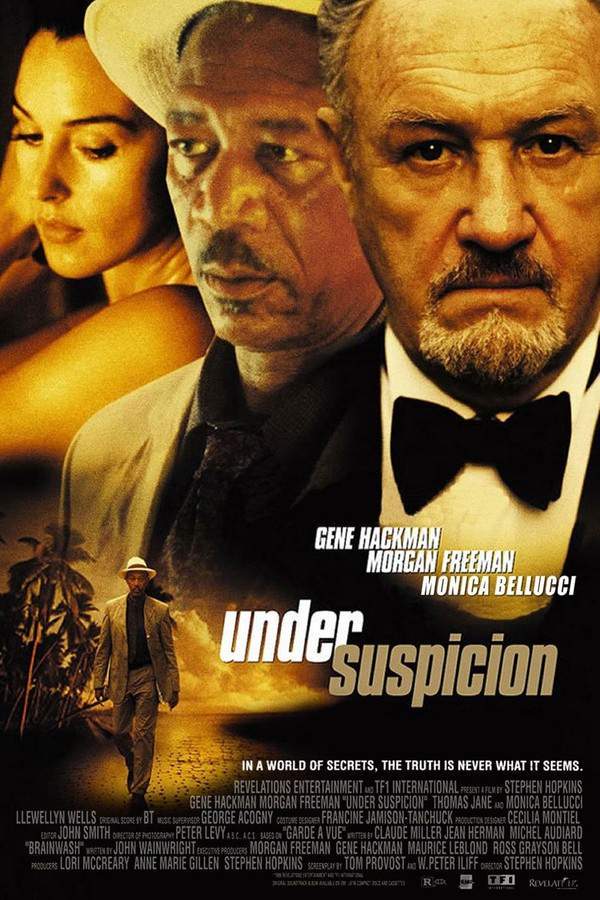
Movies about cascading culpability like An Inspector Calls

Stories where one tragedy exposes a chain of communal responsibility. Like An Inspector Calls, these films explore how a single tragedy unravels to show a web of shared responsibility. If you liked the theme of interconnected guilt and the unsettling examination of how society fails individuals, explore these similar stories.

  • morally complex
  • unsettling
  • somber
  • melancholic
  • heavy
  • thought-provoking
  • Tone: somber, unsettling, morally complex
  • Pacing: steady, methodical unraveling
Why these movies?

The story pattern: The narrative begins with a single, often tragic, event. An investigation then peels back layers, showing how various characters' actions—from indifference to outright cruelty—collectively contributed to the outcome. The journey is less about a whodunit and more about a 'who-all-is-complicit'.

Why they belong together: These movies share a core narrative structure and thematic focus: the exploration of communal guilt and the interconnected nature of responsibility. They deliver a heavy, thought-provoking experience that leaves the audience questioning their own moral standing.

If you liked this

Movies Like An Inspector Calls

Similar movies to An Inspector Calls: the same genre, themes or kind of story. Each one comes with its own plot summary, timeline and ending explained.

Browse all movie summaries

Every angle

An Inspector Calls (2015) Explained: Plot, Timeline & Characters

Everything about An Inspector Calls in one place: what happens in the plot summary, the timeline in chronological order, the characters and meaning and a spoiler-free summary. What's After the Movie adds the cast, box office and post-credit scenes.

Coming soon on iOS and Android

The Plot Explained Movie Summary App

Plot summaries, endings explained and timelines on your phone. Catch up on any movie in minutes, save your favorites and never miss a twist again.

Be the first to know when we launch. Your email stays private, always.

Learn more about the app