In 1613, celebrated playwright William Shakespeare returns to his hometown of Stratford after his Globe Theatre burns down. He is confronted by a difficult past and a family he’s left behind, including his wife and daughters. Haunted by the loss of his son Hamnet, Shakespeare must reconcile with his failings as a husband and father. The playwright's journey leads him to uncover deeply buried secrets and lies that challenge his family's stability and force him to examine his own identity.
Warning: spoilers below!
Haven’t seen All Is True yet? This summary contains major spoilers. Bookmark the page, watch the movie, and come back for the full breakdown. If you're ready, scroll on and relive the story!
Read the complete plot breakdown of All Is True (2018), including all key story events, major twists, and the ending explained in detail. Discover what really happened—and what it all means.
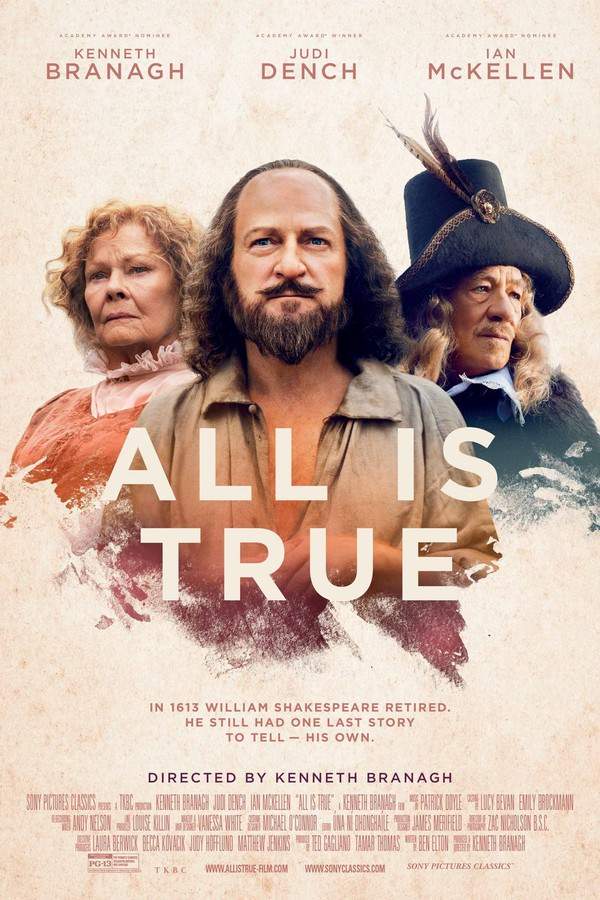
After the Globe Theatre is engulfed in flames during a performance of Henry VIII in 1613, a weary William Shakespeare, portrayed by Ian McKellen, returns to his home in Stratford-upon-Avon at the age of 49. He seeks to reconnect with his estranged wife, Anne Hathaway, played by Judi Dench. Their relationship has grown distant, having been strained by a long separation where Shakespeare spent most of their marriage in London while Anne remained a grounded country woman who struggles with literacy. Their bond has particularly suffered since the tragic loss of their son, Hamnet, who succumbed to the plague at the tender age of 11 while his father was away.
Shakespeare immerses himself in tending to the family garden, yet finds little success in this endeavor. The couple’s elder daughter, Susanna, is married to John Hall, a leading Puritan doctor, and is forced to suppress her true self to comply with his strict moral standards. When Susanna faces accusations of infidelity and the threat of public humiliation, Shakespeare boldly intimidates her accuser by claiming he knows of an African actor who would protect her honor fiercely. This ruse proves effective when the accuser ultimately fails to show up, leading to Susanna’s exoneration, much to Anne’s admiration for her husband’s unexpected prowess, despite his embellishments.
Meanwhile, Judith, Shakespeare’s outspoken younger daughter, wrestles with the constraints placed on women of her time. Bitter and feeling unloved compared to her deceased brother, she confides a secret to her father: she is the true author of the poems attributed to Hamnet—her words had merely been written in his hand as she lacks the skills to write herself. The family struggles to cope with the fallout, especially as Anne quietly agrees with the notion that Hamnet was not intellectually gifted.
The story takes a turn with a visit from the Earl of Southampton, Shakespeare’s former patron and the muse behind his 154 sonnets. Anne feels uneasy, suspecting there may have been romantic undertones to their relationship. During a poignant moment, Shakespeare shares his feelings through Sonnet 29, only to be met with Southampton’s ambiguous response that hints at shared sentiments.
As time passes, a sweet reconciliation occurs between William and Anne, leading to a renewed intimacy that transforms their marriage. Anne ultimately chooses to share their second-best bed with him, an act that signifies their regaining of love. Shakespeare also navigates Judith’s newfound willingness to marry Thomas Quiney, despite the past scandal haunting him, as Judith becomes pregnant, much to her father’s joy.
A shocking revelation arises when Shakespeare investigates the events surrounding Hamnet’s death, challenging the notion that the boy died from the plague. Torn between grief and anger, he probes his family’s secret, ultimately discovering that Hamnet drowned while trying to escape the truth regarding the poems. In a poignant reveal, Judith confesses that she only told Hamnet of her intention to claim authorship after which he mysteriously drowned, raising whispered suspicions of suicide. This emotional reckoning allows Shakespeare to finally confront his past and honor the memories of his beloved son more truthfully.
As April 1616 unfolds, Shakespeare engages in reflective conversation with fellow playwright Ben Jonson, however, he begins to feel unwell on his birthday. Meanwhile, Susanna initiates a surprise for Anne and Judith, teaching them to read and write as Anne uncovers her marriage certificate, triumphantly signing her name for the first time. Sadly, on this significant day, Shakespeare passes away, leaving behind a rich legacy and a family bound together in newfound literacy and understanding. At his funeral, the three women unite in remembrance, reciting “Fear No More” from Cymbeline, honoring his memory and acknowledging their growth in the wake of profound loss.
Last Updated: October 27, 2024 at 22:13
Discover curated groups of movies connected by mood, themes, and story style. Browse collections built around emotion, atmosphere, and narrative focus to easily find films that match what you feel like watching right now.
Aging figures confront their personal legacy and familial regrets in a historical setting.If you enjoyed the reflective and melancholic tone of All Is True, explore more movies like it. This collection features similar historical dramas where celebrated figures retire from public life to grapple with family estrangement, grief, and their own failings in a slow, contemplative style.
The narrative follows a renowned individual returning to a private life, often after a career-defining event. They are forced to face the family they neglected and the emotional debts they accrued, leading to a gradual, often painful, process of reconciliation and self-examination set against a richly detailed historical backdrop.
Movies in this thread are grouped by their shared focus on legacy versus personal failing, a melancholic and reflective tone, and a slow pacing that allows for deep character introspection. They all feature heavy emotional weight centered on themes of regret, grief, and late-in-life reconciliation.
Estranged families slowly mend broken bonds amidst grief and long-buried secrets.For viewers who appreciated the heavy emotional journey of family mending in All Is True, this thread highlights similar movies about reconciliation. Discover dramas where grief and secrets force estranged families to confront the past, leading to a bittersweet but meaningful resolution.
A central character, often a parent, returns to or re-engages with a family they have been distant from. A catalyst, such as the death of a loved one, forces long-suppressed conflicts and secrets to the surface. The story unfolds slowly as characters navigate guilt, regret, and awkward attempts at connection, culminating in an acceptance that is poignant and bittersweet rather than perfectly happy.
These films share a core narrative of familial estrangement and reconciliation, driven by heavy themes of grief and regret. They are united by a slow, deliberate pacing that allows the emotional weight to build, a consistently melancholic tone, and an ending that feels bittersweet—acknowledging both the scars of the past and the hope of a mended future.
Don't stop at just watching — explore All Is True in full detail. From the complete plot summary and scene-by-scene timeline to character breakdowns, thematic analysis, and a deep dive into the ending — every page helps you truly understand what All Is True is all about. Plus, discover what's next after the movie.
Track the full timeline of All Is True with every major event arranged chronologically. Perfect for decoding non-linear storytelling, flashbacks, or parallel narratives with a clear scene-by-scene breakdown.
Discover the characters, locations, and core themes that shape All Is True. Get insights into symbolic elements, setting significance, and deeper narrative meaning — ideal for thematic analysis and movie breakdowns.
Get a quick, spoiler-free overview of All Is True that covers the main plot points and key details without revealing any major twists or spoilers. Perfect for those who want to know what to expect before diving in.
Visit What's After the Movie to explore more about All Is True: box office results, cast and crew info, production details, post-credit scenes, and external links — all in one place for movie fans and researchers.
Discover movies like All Is True that share similar genres, themes, and storytelling elements. Whether you’re drawn to the atmosphere, character arcs, or plot structure, these curated recommendations will help you explore more films you’ll love.
All Is True (2018) Scene-by-Scene Movie Timeline
All Is True (2018) Movie Characters, Themes & Settings
All Is True (2018) Spoiler-Free Summary & Key Flow
Movies Like All Is True – Similar Titles You’ll Enjoy
Richard III (1956) Spoiler-Packed Plot Recap
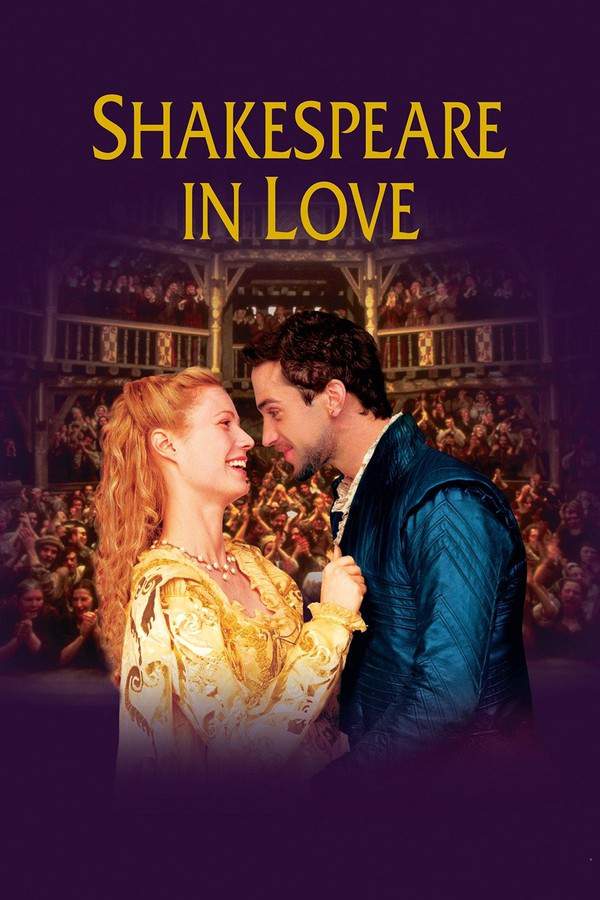
Shakespeare in Love (1998) Detailed Story Recap
A Man for All Seasons (1966) Detailed Story Recap
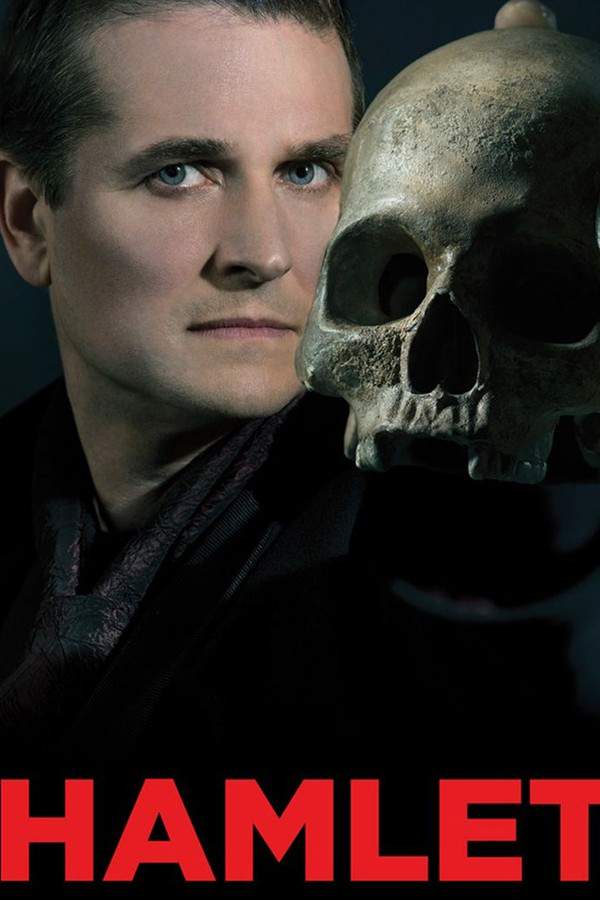
Hamlet (2000) Movie Recap & Themes
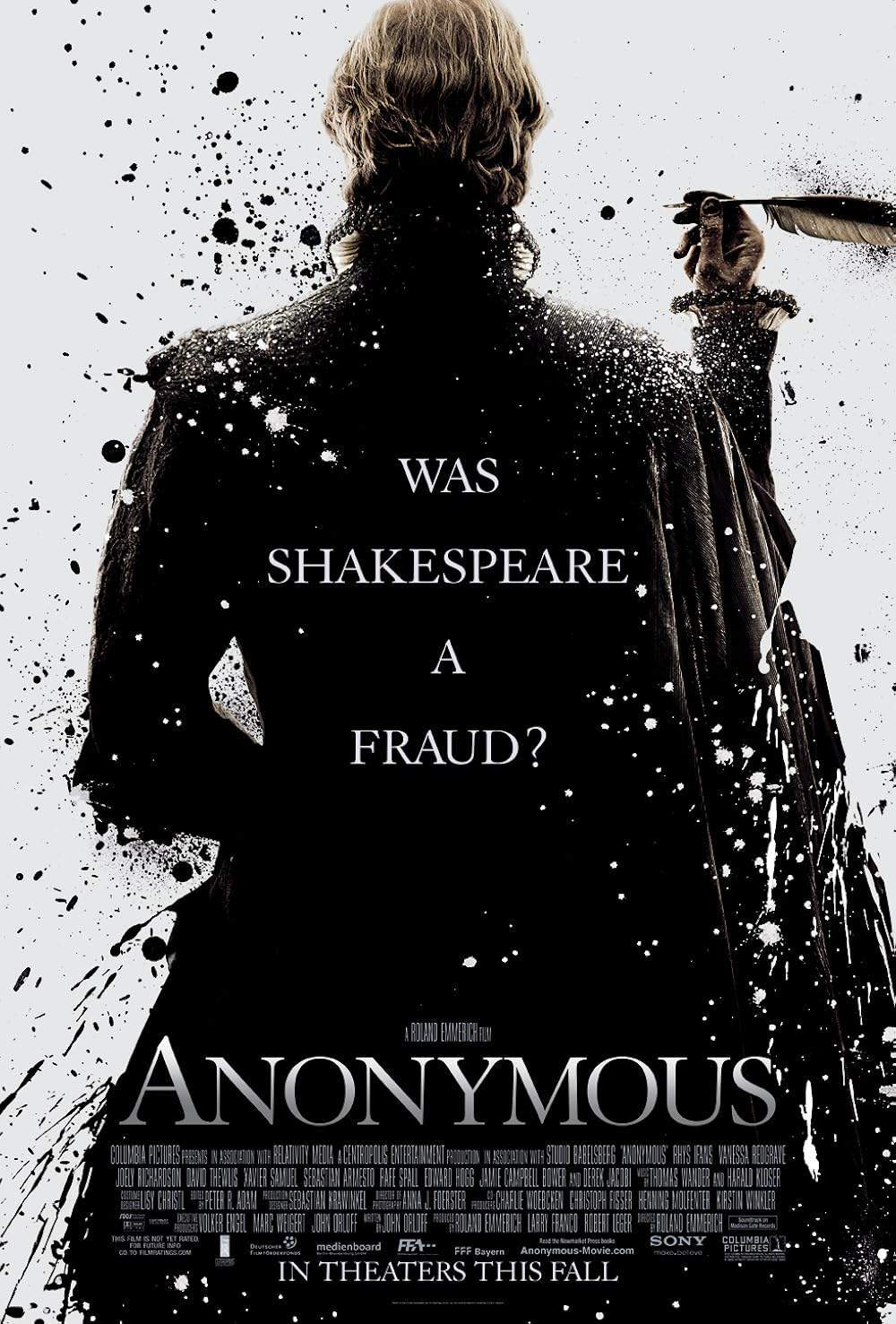
Anonymous (2011) Film Overview & Timeline
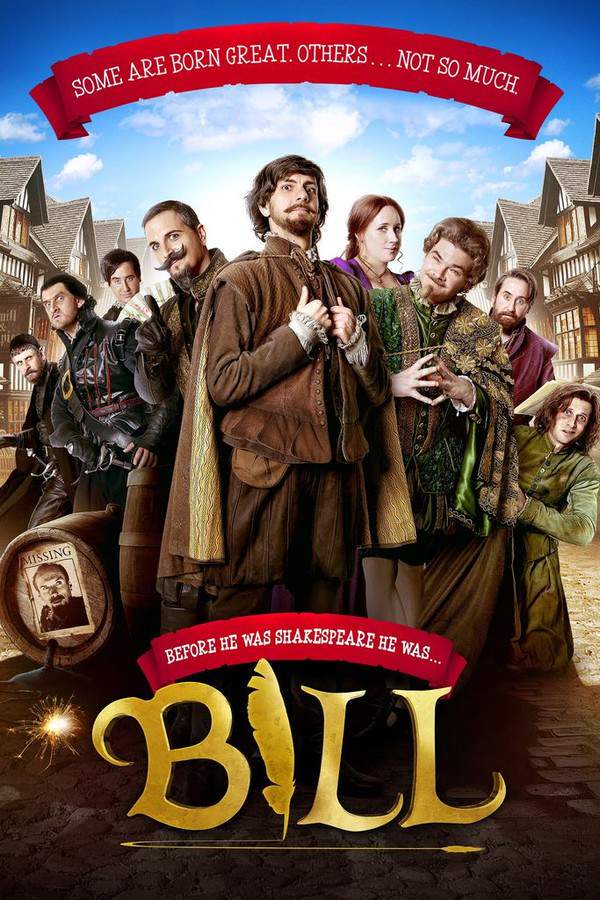
Bill (2016) Detailed Story Recap
Nothing Is Truer than Truth (2018) Plot Summary & Ending Explained
National Theatre Live: All My Sons (2019) Full Summary & Key Details
All’s Well That Ends Well (1981) Plot Summary & Ending Explained
All My Sons (1987) Movie Recap & Themes
Hamlet (2024) Ending Explained & Film Insights
Becket (1964) Complete Plot Breakdown
Looking for Richard (1996) Ending Explained & Film Insights
Edward, My Son (1949) Spoiler-Packed Plot Recap
All My Sons (1948) Complete Plot Breakdown