Plot Explained Spoilers guaranteed!
Plot Explained

Browse by genre

A Problem with Fear (2003) movie poster

Timeline

A Problem with Fear (2003) Timeline Explained – Every Event in Order

Release, runtime and language
2003 · 92 mins · English
Directed by
Gary Burns
Starring
Camille Sullivan, Emily Hampshire, Keegan Connor Tracy, Willie Garson, Paulo Costanzo, Ben Immanuel

A young man in Calgary, Alberta is multiphobic: nonetheless, he believes that he is the cause of the fear which is killing people around him.

On this page (5)
  1. 1 Events in order (14)
  2. 2 Timeline questions answered
  3. 3 Movie threads
  4. 4 Movies like A Problem with Fear
  5. 5 Every angle

14 events in order · contains spoilers

A Problem with Fear Timeline: Events in Chronological Order

Every key event of A Problem with Fear (2003) in order, scene by scene, with when and where it takes place. Use it to untangle flashbacks, time jumps and parallel storylines, to refresh your memory before the sequel or to find the exact scene you are thinking of.

  1. Laurie lives in fear-soaked ordinary life

    Laurie Harding, a Calgary mall shop clerk, navigates his daily routines while the city seems haunted by accidental disasters. Everyday life is filmed through a lens of potential catastrophe, blending fear with routine. This sets the mood for how he processes the world around him.

    Where
    Calgary mall
  2. Rising incidents around everyday life

    A string of deadly incidents begins to orbit Laurie's days, turning crosswalks, elevators, escalators, and consumer tech into sources of dread. The film crafts a satirical tone by treating ordinary moments as potential disasters. These episodes frame Laurie's perception of danger as inseparable from modern life.

    Where
    Calgary city and mall corridors
  3. Elevator plummets thirty stories

    An elevator suddenly plunges thirty stories, jolting viewers and reinforcing the fragility of everyday infrastructure. Laurie processes this event through his anxious lens, foreshadowing further alarms in ordinary settings. The moment anchors the film's blend of dark humor and dread.

    Where
    Mall elevator
  4. Escalator tragedy from a scarf

    A woman’s scarf becomes tangled in an escalator and ends in tragedy, underscoring how small things can trigger catastrophic outcomes. The incident deepens Laurie's fear and pushes the narrative toward absurd, stylized danger. It also comments on how consumer spaces can feel perilous.

    Where
    Mall escalator
  5. Premonition foreshadows another catastrophe

    A man is struck by a car just before Laurie's premonition not to cross; this sequence reinforces his sense that danger can strike without warning. The moment blends real events with Laurie's predictive fear, shaping his future decisions. It tightens the link between perception and consequence.

    Where
    City streets near the mall
  6. Michelle leads safety-tech against Fear Storm

    Laurie's sister Michelle runs Global Safety Inc., dedicating herself to countering the Fear Storm with technologies like Early Warning 2 Safe System and the Safe Bracelet. Her work introduces a push towards engineered security in daily life. The tech push sets up the tension between protection and intrusion.

    Where
    Global Safety Inc. offices
  7. Laurie's fear-predicting ability grows

    As the incidents mount, Laurie's capacity to foresee danger intensifies, shaping his behaviors and worldview. His predictive power isolates him from ordinary social interactions while pulling him deeper into his own fear-driven logic. The growth of this ability fuels the film's spiral into paranoia.

    Where
    Various daily settings
  8. Dot's relationship and his world

    Dot, Laurie's girlfriend, provides a personal counterpoint to his anxiety and anchors the emotional center of the story. Her presence grounds him, even as she pursues her own quirky project. Their relationship highlights the tension between fear and human connection.

    Where
    Laurie's apartment
  9. Dot's survey on clothes defines you

    Dot conducts a survey on how clothing defines identity, a satirical nod to consumer culture's search for meaning through appearance. The project mirrors the film's broader critique of brands and reassurance in a world craving safety. It adds a personal, intimate layer to the satire.

    Where
    Dot's project setup
  10. Mall surrealism and the foreign-language announcer

    A mall announcer repeatedly asks for a speaker of a foreign language, a running gag that lands as a surreal commentary on miscommunication and the theater of public spaces. The moment amplifies the film's stylized, absurd humor amid growing unease. It reinforces how language and signage attempt to impose order on chaos.

    Where
    Calgary mall
  11. Mall empties and the city feels off-balance

    The mall gradually fades into an almost empty, echoing space, reflecting a city slipping out of balance. This spatial emptiness mirrors Laurie's inner fragility and the broader societal unease. The setting emphasizes the unsettling tone that threads through the narrative.

    Where
    Mall interior
  12. Classroom hiccups and surreal vignette

    A classroom full of hiccups becomes a surreal vignette that hints at a city out of balance. The sequence decouples realism from comedy, offering a stylized snapshot of the world's warped normalcy. It deepens the film's satire of everyday life under siege by fear.

    Where
    School classroom
  13. Slogans steady Laurie

    Laurie leans on familiar jingles and slogans, such as Rice-A-Roni, to anchor himself amid rising chaos. These refrains act as emotional ballast, offering temporary solace while the surrounding world grows more ridiculous. The device underscores the tension between comfort and fragility.

    Where
    Laurie's home
  14. Concluding ambiguity: fear persists

    The ending feels deliberately inconclusive: Laurie's fears may be intensified or redirected, but they are not neatly resolved. The city outside remains a place where danger and comedy coexist in unsettling harmony. The film closes on a quiet meditation about coping with uncertainty.

    Where
    Apartment overlooking the city

Last updated: October 09, 2025 at 16:52

Was this helpful?

Timeline questions answered

A Problem with Fear Timeline Explained: Your Questions Answered

When does it happen, and why in that order? The questions people ask about the chronology of A Problem with Fear (2003): time jumps, flashbacks, cause and effect between scenes and the correct order of events, each answered with spoilers.

Q1

Why does Laurie believe he's causing the fear that kills people around him?

Laurie has multiphobia, a severe fear of everyday objects and situations like elevators, escalators, and crosswalks. As a series of deadly accidents occur around him, he begins to believe his fearful thoughts somehow manifest as real danger for those nearby. This belief intensifies as his predictive ability grows stronger, making him increasingly convinced that his anxiety is not just a personal affliction but a dangerous force affecting others.

Foreshadowing: The film opens with deadly incidents orbiting Laurie's daily routine, establishing the pattern that fuels his conviction.

  • laurie harding
  • multiphobia
  • fear
  • premonition
  • cause of death
Q2

What causes the elevator to crash in the mall?

The elevator suddenly plummets thirty stories without any apparent mechanical failure being explained. In the context of Laurie's growing fear, this incident occurs as part of the string of deadly accidents that seem to follow him. The film presents it as one of many random disasters that Laurie attributes to his own fearful thoughts, though the actual causation remains ambiguous and is never definitively explained.

Foreshadowing: This event occurs early in the film, setting up the pattern of fatal incidents that Laurie links to his premonitions.

  • elevator accident
  • mall
  • crash
  • incident
Q3

What happens to the woman on the escalator?

A woman's scarf becomes tangled in the mall escalator, leading to a tragic accident. This incident is presented as one of the random, absurd deaths that populate the city during the Fear Storm. Like the elevator crash, it happens in an everyday setting where danger seems to lurk unexpectedly, reinforcing Laurie's belief that his environment is perpetually hazardous.

Foreshadowing: The escalator tragedy is one of the early incidents that establishes the deadly pattern surrounding Laurie.

  • escalator accident
  • scarf
  • woman
  • tragedy
Q4

What is the Fear Storm in the movie?

The Fear Storm is a phenomenon gripping the city of Calgary, characterized by an increase in accidents and deaths linked to everyday activities. Global Safety Inc., the company Laurie's sister Michelle works for, is dedicated to countering this phenomenon. The Fear Storm represents the film's satirical take on how fear has permeated modern life, turning routine activities into sources of dread and paranoia.

Foreshadowing: Michelle's work at Global Safety Inc. directly responds to the Fear Storm, establishing it as a central threat.

  • fear storm
  • global safety
  • calgary
  • phenomenon
Q5

What does Michelle do at Global Safety Inc.?

Michelle Harding runs product development at Global Safety Inc., a company dedicated to countering the Fear Storm affecting Calgary. She develops technologies like the Early Warning 2 Safe System, a PDA device that alerts users to danger, and the Safe Bracelet that supposedly senses fear and allows people to call for help. Her professional drive represents the film's exploration of how society attempts to engineer safety in response to widespread anxiety.

Foreshadowing: Michelle's corporate involvement sets up the tension between technological protection and the irrational nature of fear.

  • michelle harding
  • global safety
  • early warning system
  • safe bracelet
  • technology
Q6

What is Dot's survey project about in the movie?

Dot conducts a survey titled "how the clothes you wear define you," a project she both dislikes and pursues with curious intensity. This work serves as a satirical commentary on consumer culture, how people seek meaning, status, and reassurance through brands and appearances. The project grounds the film in a personal relationship while also highlighting the broader critique of how people search for identity and safety in material things.

Foreshadowing: Dot's survey appears early in the narrative, establishing her character as both connected to and separate from Laurie's fears.

  • dot
  • survey
  • clothes
  • identity
  • consumer culture
Q7

Why does Laurie repeat slogans like Rice-A-Roni?

Laurie uses familiar jingles and slogans, particularly "Rice-A-Roni, the San Francisco treat," as emotional ballast to steady himself amid rising chaos. These refrains represent his attempt to anchor himself in familiarity and comfort while the world around him becomes increasingly unpredictable and dangerous. The slogans function as coping mechanisms, offering temporary solace against the tide of paranoia and fear that consumes his daily life.

Foreshadowing: This behavior appears throughout the film, increasing in frequency as Laurie's anxiety intensifies.

  • rice-a-roni
  • slogans
  • jingles
  • coping mechanism
  • comfort
Q8

Does Laurie overcome his fear by the end of the movie?

The ending is deliberately ambiguous. Laurie's fears have not been neatly resolved, they may have been intensified or redirected, but they persist. The film suggests that fear cannot simply be vanquished but must be lived with. The city remains a place where danger and comedy coexist, and Laurie continues his quiet struggle to cope with uncertainty rather than defeating it completely.

Foreshadowing: The film's conclusion reflects the central thematic question raised throughout: whether fear can truly be conquered or merely managed.

  • ending
  • resolution
  • fear
  • ambiguity
  • conclusion
Q9

Is Laurie actually causing the accidents to happen?

The film never confirms whether Laurie actually causes the accidents or if he merely perceives danger that would exist regardless. His belief that his fearful thoughts manifest as real danger could be interpreted as genuine supernatural ability, shared delusion, or simply the anxious reasoning of someone who has convinced himself his mind is dangerous. The ambiguity is deliberate, leaving the question of actual causation unresolved.

Foreshadowing: The pattern of incidents occurring around Laurie is established early, but their true cause is never explained.

  • causation
  • accidents
  • supernatural
  • cause
  • laurie
Q10

Why does the mall become empty in the movie?

The Calgary mall gradually fades into an almost empty, echoing space as the narrative progresses. This spatial emptiness mirrors Laurie's inner fragility and reflects the broader societal unease caused by the Fear Storm. The once-bustling consumer space becoming deserted symbolizes how fear has driven people away from public life, emphasizing the film's theme of paranoia consuming ordinary existence.

Foreshadowing: The mall's decline parallels Laurie's increasing isolation and the worsening Fear Storm.

  • mall
  • empty
  • calgary
  • emptiness
  • setting
Q11

What is the movie saying about fear in modern life?

The film presents a meditation on how humans cope with uncertainty in a world where safety technologies promise certainty but cannot eliminate danger. It explores the tension between preparation and panic, protection and intrusion. The story suggests that while people seek security through gadgets and systems, human connection, represented by Michelle's drive and Dot's search for normalcy, remains the stubborn counterbalance to fear. Fear ultimately mutates into new forms rather than being eliminated.

Foreshadowing: The entire narrative builds toward this thematic conclusion about living with fear.

  • theme
  • fear
  • modern life
  • safety
  • technology
  • human connection

Movie threads

More Movies Like A Problem with Fear, by Mood & Story

Curated lists built around what makes A Problem with Fear tick: the same mood, the same kind of story or the same emotional payoff. Each list explains why these movies belong together.

Anxious satires like A Problem with Fear

Stories that use dark humor to dissect societal fears and urban alienation. If you enjoyed the blend of tension and satire in A Problem with Fear, you'll find similar movies here. This section features stories that critique modern anxieties with a darkly humorous edge, exploring themes of consumer culture, urban alienation, and absurdist comedy.

  • satirical
  • anxious
  • unsettling
  • absurd
  • wry
  • paranoid
  • Tone: tense, satirical, unsettling
  • Pacing: steady, character-driven
Why these movies?

The story pattern: Narratives in this thread often follow characters grappling with exaggerated, yet recognizable, modern fears. The conflict is typically internal and societal, pitting personal neuroses against a backdrop of absurd institutions. The story unfolds in a steady, deliberate pace, weaving together personal and societal anxieties into a coherent, thematically rich whole.

Why they belong together: These films are grouped by their unique tone: a mix of tense, anxious energy and satirical, sometimes absurd, humor. They share a focus on the psychological toll of modern life, a medium-intensity vibe, and a wry perspective on the things that scare us.
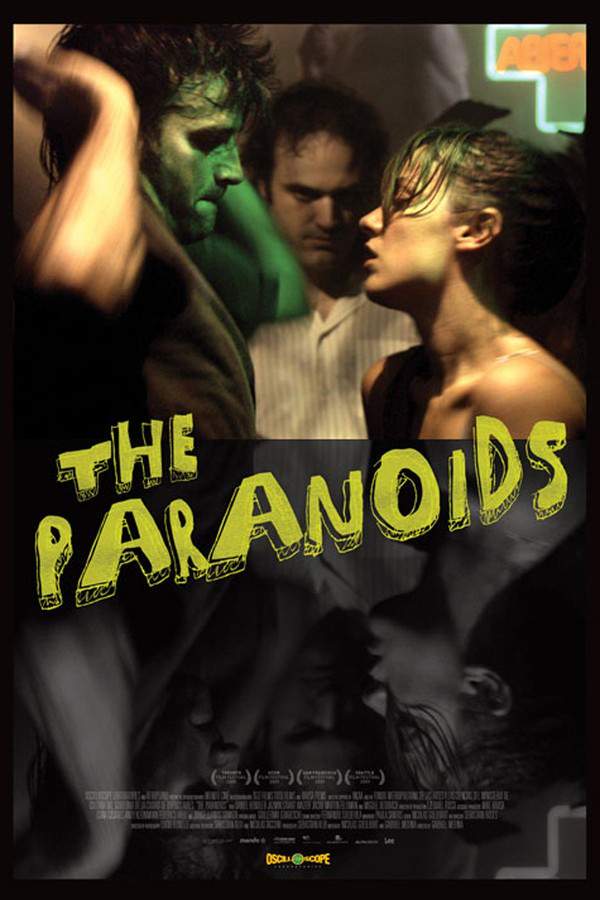
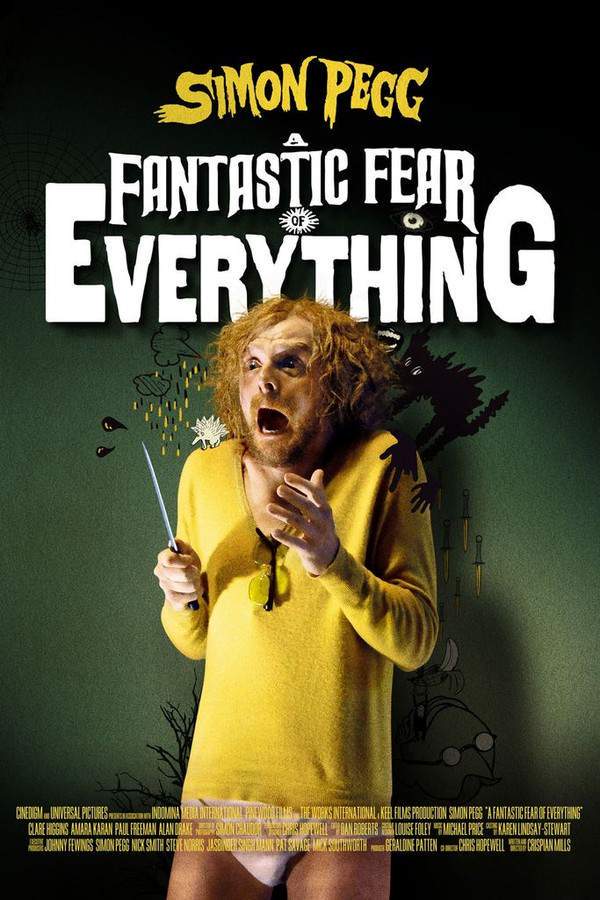
Movies about psychological unraveling like A Problem with Fear

Character-driven stories where internal fear blurs the line with external threat. For viewers who liked the psychological distress and ambiguous reality in A Problem with Fear, this section collects stories of characters grappling with paranoia and perceived threats. These films often feature a steady pace, a tense tone, and an ending that leaves the nature of the danger open to interpretation.

  • paranoid
  • claustrophobic
  • unsettling
  • psychological
  • anxious
  • ambiguous
  • Tone: tense, paranoid, claustrophobic
  • Pacing: steady, slow burn
Why these movies?

The story pattern: The narrative pattern follows a character, often isolated or alienated, whose phobias or paranoia begin to dictate their reality. The plot revolves around their internal struggle, with external events reinforcing their fears in ambiguous ways. The ending is frequently unresolved or ambiguous, reflecting the central theme of an internal battle that may have no clear victory.

Why they belong together: These movies share a core focus on a character's fragile mental state and the theme of perceived versus actual danger. They are united by a claustrophobic, paranoid mood, a steady pacing that builds unease, and a narrative complexity that keeps the true nature of the threat ambiguous.

If you liked this

Movies Like A Problem with Fear

Similar movies to A Problem with Fear: the same genre, themes or kind of story. Each one comes with its own plot summary, timeline and ending explained.

Browse all movie summaries

Every angle

A Problem with Fear (2003) Explained: Plot, Timeline & Characters

Everything about A Problem with Fear in one place: what happens in the plot summary, the timeline in chronological order, the characters and meaning and a spoiler-free summary. What's After the Movie adds the cast, box office and post-credit scenes.

Coming soon on iOS and Android

The Plot Explained Movie Summary App

Plot summaries, endings explained and timelines on your phone. Catch up on any movie in minutes, save your favorites and never miss a twist again.

Be the first to know when we launch. Your email stays private, always.

Learn more about the app