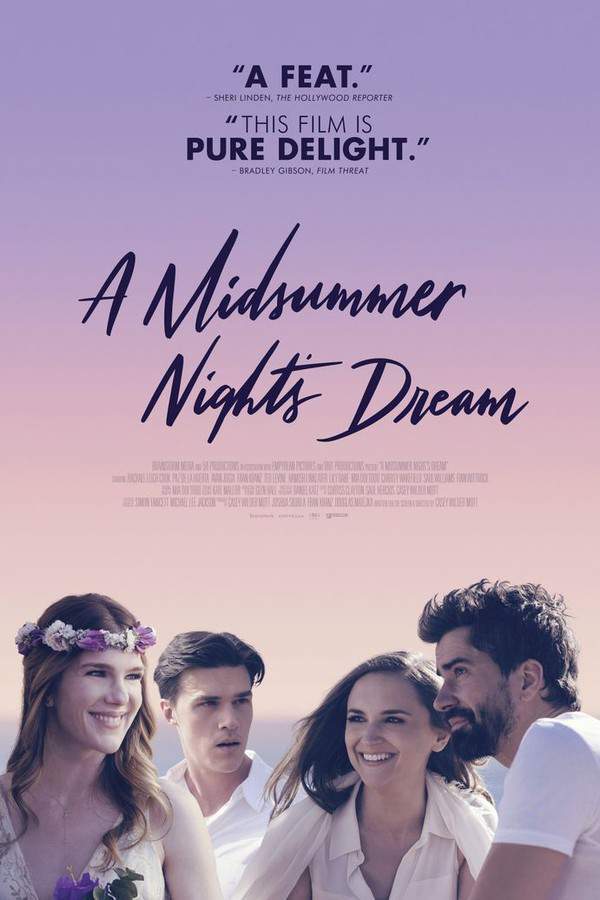
Set in modern-day Barbados, the film pulses with a carnival heartbeat that threads Caribbean culture, folklore, and romance through a sun-drenched tropical estate. Theseus and the social circle around him collide with a cast of magical mischief, where the staff—led by the wily Puck—morph into lively fairies and tamper with the wedding plans of three couples. The royal pair, Titania and Oberon, drift through the action as if the islands themselves were a stage, while the fairy dancers weave in and out of the day-to-day world, their mobile phones flashing like tiny talismans in the night. The troupe around them includes Ahwe Birdman as a pivotal character, and the whimsical chaos is amplified by a Black Belly Sheep that embodies Bottom in a striking, female form, giving the familiar story a distinctly tropical twist. A troupe of fishermen, drawing from local legends, also becomes part of the fabric—with the bardic energy of the proceedings anchored by Peter Quince and the ensemble that carries the tale across two distinct worlds. The interplay of sea, forest, and festival creates a dreamlike mood where magic and music mingle with the scent of sea breeze and carnival sights.
Hermia is promised to Demetrius, but her heart belongs to Lysander, who returns her affections in kind. Faced with the brutal choice of marriage or freedom, Hermia and Lysander flee into the forest, seeking a safer horizon away from a social order that would deny their love. Meanwhile, Helena longs for Lysander, and as she pursues him, a web of misperception and desire—stoked by the lovers’ messages and the fairies’ meddling—pushes the relationships toward a dangerous edge. The tension between love and loyalty deepens as Lysander’s affections drift in unexpected directions, igniting a tense triangle that tests each character’s resolve.
Back on the beach and among the trees, a village-inspiring drama unfolds as the fairies’ interference collides with a local talent project. The fishermen and their partners stage a playful—and pointed—absorption of their own world into the ongoing chaos by crafting The Untold Story of King JaJa and The Young Becca, drawing on a Barbadian folk song about King JaJa of Opobo and a local girl. The pageant becomes a mirror for the main romance, a stage within a stage that refracts the lovers’ trials through village humor and human sweetness. The magical chemistry grows more vivid as the fairies float between concrete realities and tropical reverie, and the forest becomes a liminal space where desire and mischief mingle under the Caribbean moon.
As Oberon whispers commands to Puck, a love potion is meant to make Titania fall for the first living creature she sees upon waking. That potion’s reach proves unexpectedly wide, and it soon affects Lysander as well, wrenching him away from Hermia and toward Helena. The result is a raucous, tender scramble of affections that forces Hermia and Helena into a humorous yet pointed confrontation, as the couples’ plans collide with enchantment and mischief. Throughout, the world remains vivid and kinetic—fairies flashing their phones, villagers cheering, and the border between dream and reality blurring in the warm glow of night.
By the time the chaos subsides and misunderstandings untangle, the story moves toward its celebratory peak. The misunderstandings are resolved, the couples reevaluate what matters, and the carnival spirit gives way to a joyful closure: a triple wedding that unites hearts, families, and communities under the tropical skies. The film closes on a note of shared joy and renewed bonds, a testament to how love can thrive when fantasy and reality dance in harmony beneath Barbados’ moonlit canopy.