
Morgan Stewart’s Coming Home
Year: 1987
Runtime: 92 mins
Language: English
Directors: Paul Aaron, Terry Winsor
After being expelled from ten prep schools, eccentric 17‑year‑old Morgan Stewart (Cryer)—who played Ducky in “Pretty in Pink”—returns home to the Washington elite. When a sleazy campaign manager endangers his father’s senatorial bid, Morgan dives into the crisis, creating wild schemes that upend his conservative family’s world and leave the political scene forever changed.
Warning: spoilers below!
Haven’t seen Morgan Stewart’s Coming Home yet? This summary contains major spoilers. Bookmark the page, watch the movie, and come back for the full breakdown. If you're ready, scroll on and relive the story!
Timeline – Morgan Stewart’s Coming Home (1987)
Trace every key event in Morgan Stewart’s Coming Home (1987) with our detailed, chronological timeline. Perfect for unpacking nonlinear stories, spotting hidden connections, and understanding how each scene builds toward the film’s climax. Whether you're revisiting or decoding for the first time, this timeline gives you the full picture.
Last updated: December 03, 2025 at 23:58
Morgan Stewart’s Coming Home (1987) Timeline Questions Answered – Chronology FAQ
Find frequently asked questions about the Morgan Stewart’s Coming Home (1987) timeline, including chronological order, nonlinear jumps, cause-and-effect links, and scene sequence clarifications. This timeline FAQ helps explain when key events happen, how moments connect, and why the story unfolds in that specific order.
Why was Morgan expelled from ten prep schools?
Morgan was expelled for pulling a major prank at his boarding school during Thanksgiving. He and three friends disrupted the school's routines with a prank that got them in serious trouble with the Headmaster, leading to disciplinary action that triggered his return home for the holiday.
The prank is mentioned early as the reason Morgan gets sent home, establishing his rebellious character.
Why did Nancy Stewart install cameras in Morgan's room?
Nancy installed cameras in Morgan's room to monitor his activities and ensure he followed the family's rules while participating in the political campaign. This surveillance reflected her desire to maintain control over Morgan's behavior and protect the family's public image during the senatorial race.
The camera discovery later fuels Morgan's frustration and reveals the tension between his mother's desire for control and his growing independence.
How did the coin collection reveal Jay's embezzlement?
Morgan had pickpocketed a key from Jay Le Soto to access his late aunt's safety deposit box containing a coin collection. Inside, Morgan and Emily discovered evidence linking Jay to embezzlement of campaign funds. This evidence exposed his crimes and led to his downfall.
Morgan's cheeky act of pickpocketing Jay for the key initially seems like a minor rebellion but becomes the key to uncovering the entire scheme.
What happened to Jay Le Soto at the end of the movie?
Jay Le Soto, the campaign manager, was exposed for embezzling campaign funds after Morgan and Emily found the incriminating evidence in the safety deposit box. Jay served prison time for his crimes, and his ruthless approach to the campaign was ultimately defeated.
Jay's insistence on discipline and his sharp edges throughout the film foreshadow his moral corruption.
Why did Morgan use a chainsaw to escape?
Morgan used a chainsaw signed by Tobe Hooper (director of The Texas Chainsaw Massacre) to escape after being threatened with military school and feeling trapped by his mother's surveillance and the campaign pressures. The desperate, macabre gesture represented his rebellion against the confinement and lack of trust he experienced at home.
The chainsaw, a horror movie reference, reflects Morgan's established love for horror films and his connection to Emily.
What was significant about Morgan's aunt's coin collection?
Morgan's late aunt's coin collection, stored in a safety deposit box, was more than a sentimental family heirloom. It contained evidence of Jay's embezzlement of campaign funds. Morgan had obtained the key by pickpocketing Jay, making the discovery possible.
Morgan mentions acquiring the key through a cheeky act, hinting at the collection's importance before its full significance is revealed.
Did Morgan's parents accept Emily at the end?
Yes, Morgan's parents accepted Emily after she learned the truth about Morgan's lies regarding his family circumstances. Following Morgan's honest confession and the family's reconciliation, Emily's parents came to value the couple's bond and approved of their relationship.
Emily's initial anger at Morgan's lie about his family creates tension that must be resolved before their relationship can progress.
Why was Senator Stewart's re-election campaign so important to the family?
The campaign was built on the idea of a united family rather than any specific political platform. For Nancy Stewart, maintaining a conservative image was crucial to the campaign's success. Morgan's return was meant to present a unified family front, and his behavior directly impacted the political fortunes of his father.
The family's political unity is established early as the foundation of the campaign's messaging.
How did Morgan meet Emily?
Morgan met Emily at a book signing for his horror-film idol George A. Romero. They discovered a shared love for horror movies and the macabre charm of cinema, which formed the foundation of their connection.
Their mutual love of horror foreshadows Morgan's later use of the chainsaw and their bond over unconventional interests.
Why did Morgan get grounded?
Morgan got grounded after borrowing his father's car for a date with Emily. When they were out together, Emily's younger brother called the police, leading to Morgan being punished and confined to the house.
This incident underscores the consequences Morgan faces for balancing romance with his family obligations.
How did Morgan's relationship with his father change?
Morgan discovered he and his father shared more in common than he realized, finding common ground on values and concerns. This realization complicated the parent-child dynamics and gave Morgan support he could rely on, contrasting with his mother's stricter control.
The growing bond between Morgan and his father becomes crucial to the family's reconciliation.
Why did Morgan start doing chores around the house?
Morgan started doing chores like sweeping and waxing floors to prove he could contribute to the household and the campaign. This marked a shift from rebellion to responsibility as he tried to bridge generational and political divides within his family.
This act of responsibility foreshadows Morgan's eventual acceptance into the family and campaign.

Explore Movie Threads
Discover curated groups of movies connected by mood, themes, and story style. Browse collections built around emotion, atmosphere, and narrative focus to easily find films that match what you feel like watching right now.
Rebellious Teen Comedies like Morgan Stewart’s Coming Home
Quirky teenagers use clever schemes to challenge the adult world.If you enjoyed the mischievous energy and heartfelt rebellion in Morgan Stewart’s Coming Home, you'll love these movies. This group features similar stories of quirky teens using clever schemes and humor to challenge authority, often centered on family dynamics or social expectations, all leading to a fun and optimistic conclusion.

Confessions of a Teenage Drama Queen
2004

Risky Business
2024
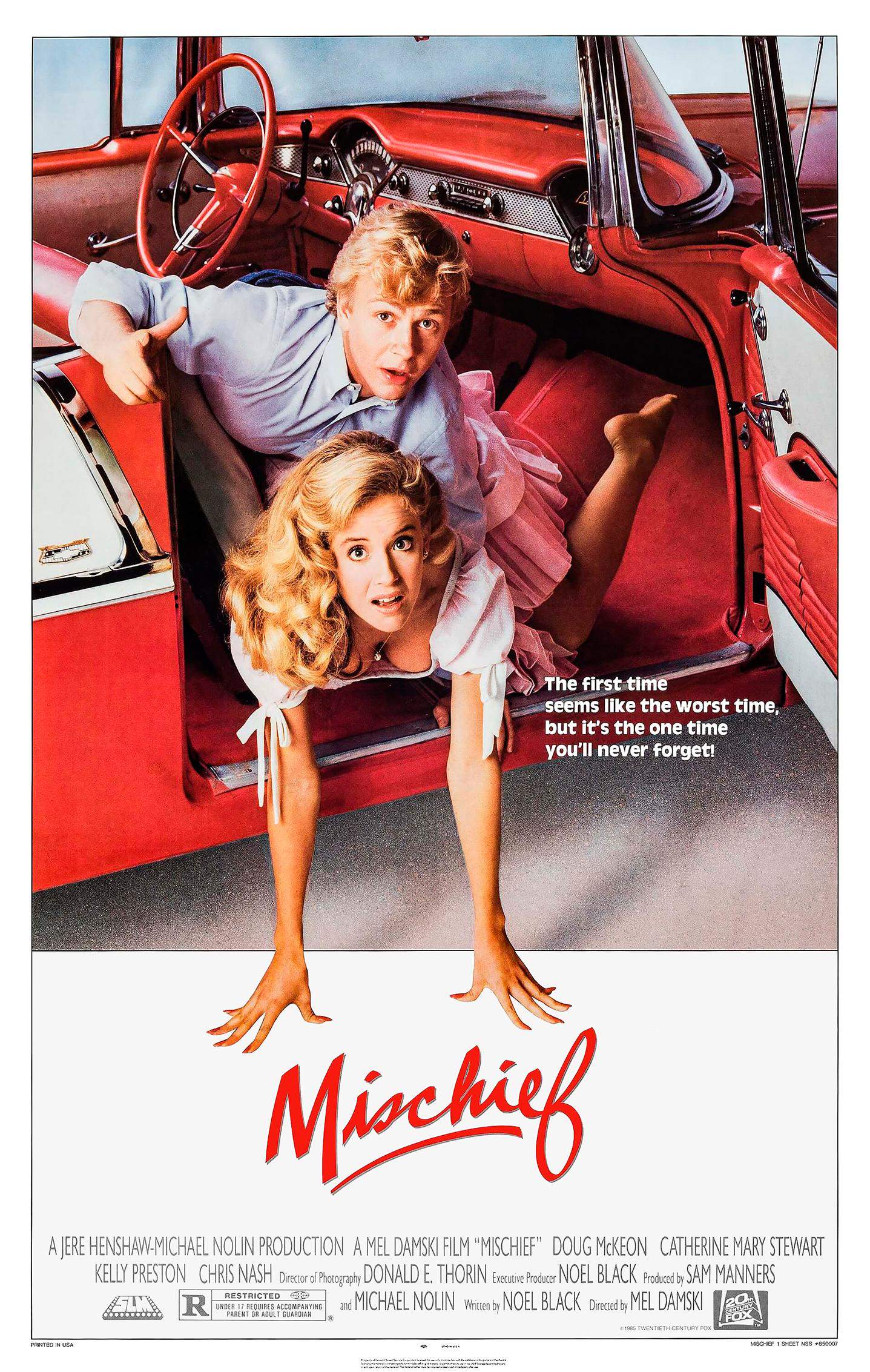
Mischief
1985

Hounded
2001
Morgan Stewart’s Coming Home
1987

Heavyweights
2006

Charm School
2007

Tall Girl
2019

LOL
2012

Good Kids
2016

Family Weekend
2013

Morgan Stewart’s Coming Home
1987
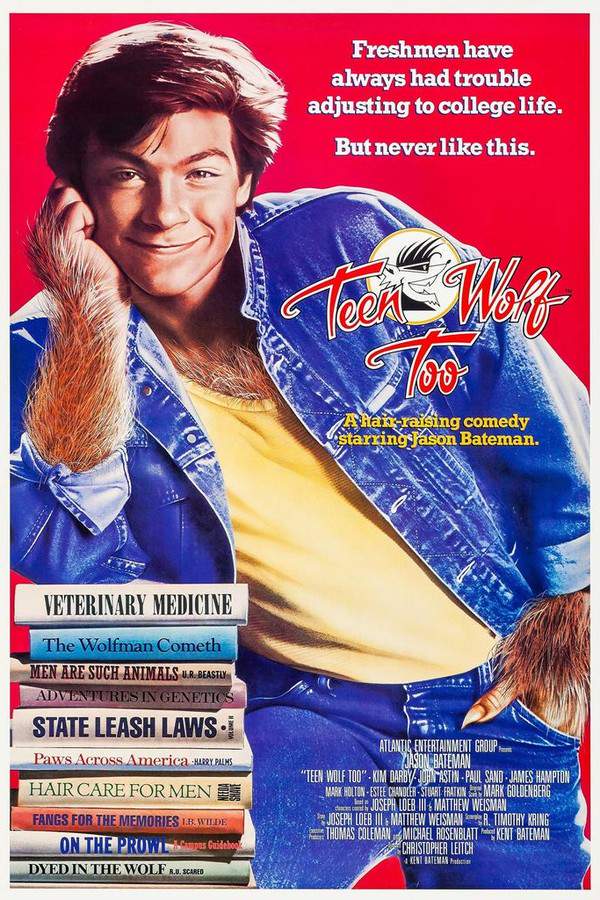
Teen Wolf Too
1987
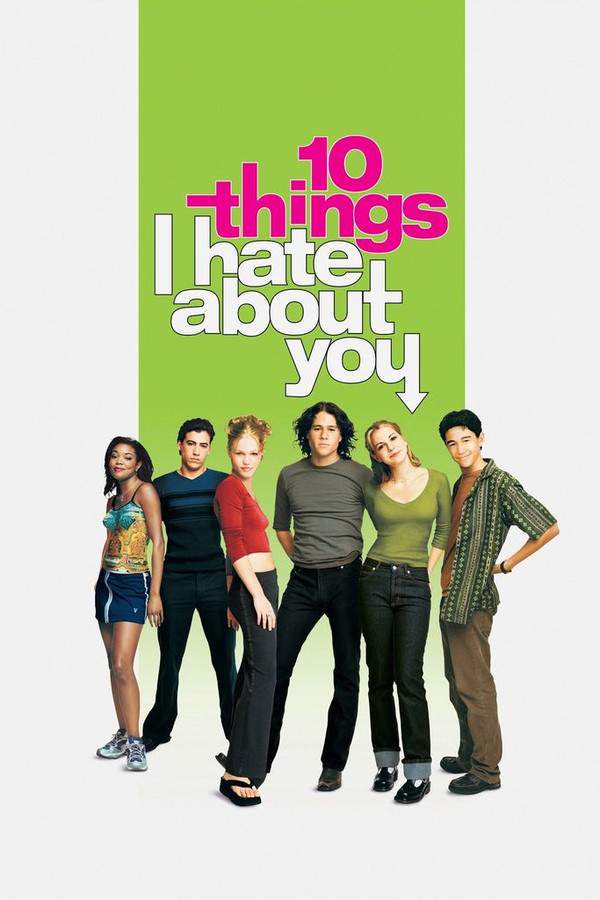
10 Things I Hate About You
1999

Adventures in the Sin Bin
2013
Narrative Summary
These stories typically follow a bright but non-conformist teenager who feels misunderstood by their conservative or rigid environment. They embark on a series of humorous, often chaotic, schemes to expose hypocrisy or achieve a personal goal, which inadvertently brings them closer to their family or helps them find their true voice. The conflict is driven by the clash between youthful idealism and adult convention, resolved in a positive, heartwarming way.
Why These Movies?
Movies are grouped here based on their shared focus on a lighthearted, rebellious protagonist, a steady pace of comedic set-pieces, and a core theme of a teen navigating family or social expectations through humor. The overall experience is consistently optimistic and energetic, with a low emotional stakes feel.
Movies about Political Families and Rebellion like Morgan Stewart’s Coming Home
A personal rebellion disrupts a high-stakes political campaign.Fans of Morgan Stewart’s Coming Home will enjoy these films that blend political satire with family comedy. These stories feature a similar dynamic where a teenager's rebellion exposes the flaws in a polished political campaign, leading to humorous chaos and eventual family bonding.
Morgan Stewart’s Coming Home
1987

Family Troubles
1943
Family Weekend
2013

Family Circus
2001

Family Plan
1997
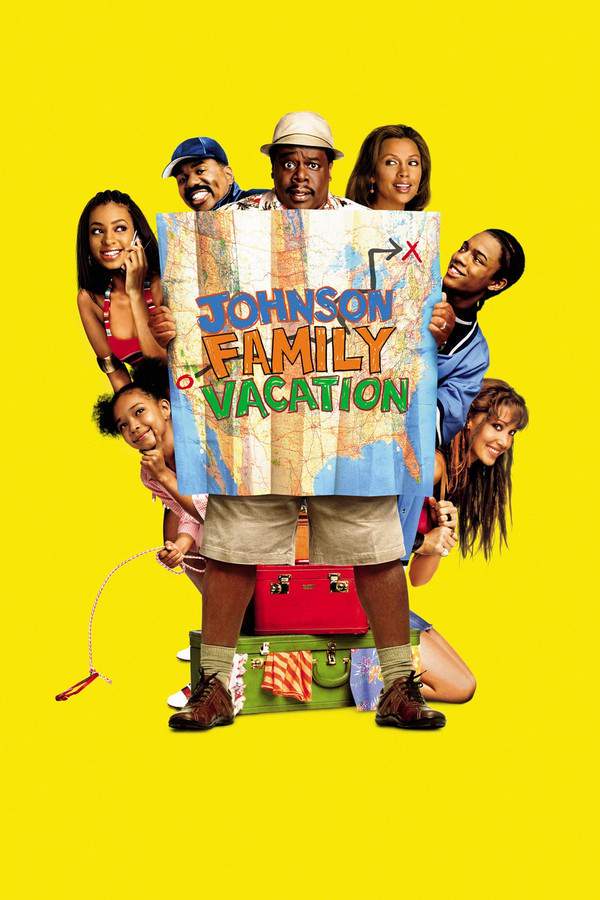
Johnson Family Vacation
2004

Family Switch
2023

The Campaign
2012

Family Camp
2022
Morgan Stewart’s Coming Home
1987

Spoiled Brats
2021

Rebel High
1987

Parental Guidance
2012

A Family Affair
2024
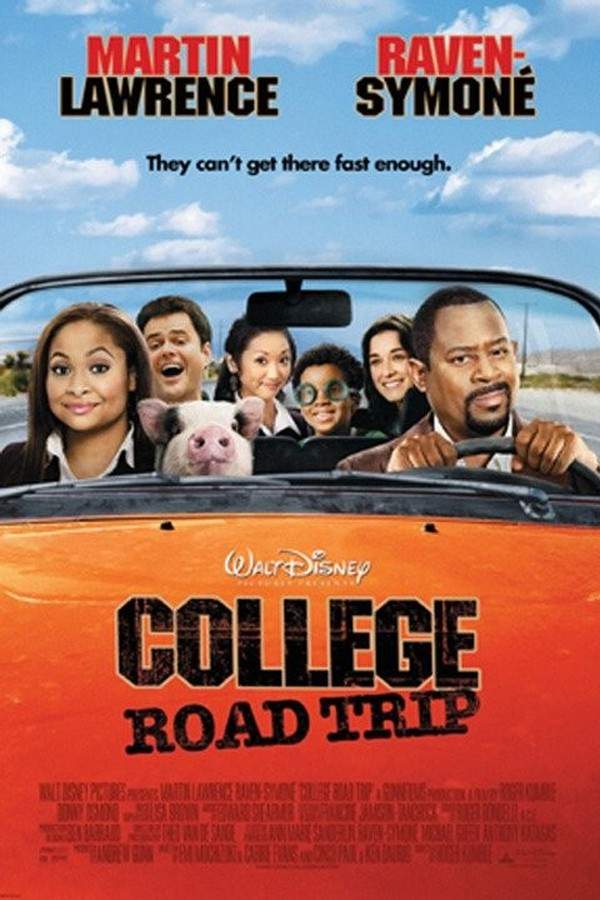
College Road Trip
2008
Narrative Summary
The narrative pattern involves a family deeply invested in maintaining a perfect public facade for a political goal. An eccentric or idealistic family member, often the teen, acts out in ways that challenge this image, forcing the family to confront their own values. The plot uses the political backdrop to explore themes of honesty, integrity, and the importance of family over appearances, culminating in a resolution that reaffirms their bond.
Why These Movies?
These films share a specific setting—a political campaign—used as a catalyst for family-focused conflict and comedy. The similarity comes from the blend of a public stakes plot with private, personal rebellion, all delivered with a light tone and a satirical look at the political world.
Unlock the Full Story of Morgan Stewart’s Coming Home
Don't stop at just watching - explore Morgan Stewart’s Coming Home in full detail. From the complete plot summary and scene-by-scene timeline to character breakdowns, thematic analysis, and a deep dive into the ending - every page helps you truly understand what Morgan Stewart’s Coming Home is all about. Plus, discover what's next after the movie.
Morgan Stewart’s Coming Home Summary
Read a complete plot summary of Morgan Stewart’s Coming Home, including all key story points, character arcs, and turning points. This in-depth recap is ideal for understanding the narrative structure or reviewing what happened in the movie.

Characters, Settings & Themes in Morgan Stewart’s Coming Home
Discover the characters, locations, and core themes that shape Morgan Stewart’s Coming Home. Get insights into symbolic elements, setting significance, and deeper narrative meaning - ideal for thematic analysis and movie breakdowns.


Similar Movies to Morgan Stewart’s Coming Home
Discover movies like Morgan Stewart’s Coming Home that share similar genres, themes, and storytelling elements. Whether you’re drawn to the atmosphere, character arcs, or plot structure, these curated recommendations will help you explore more films you’ll love.
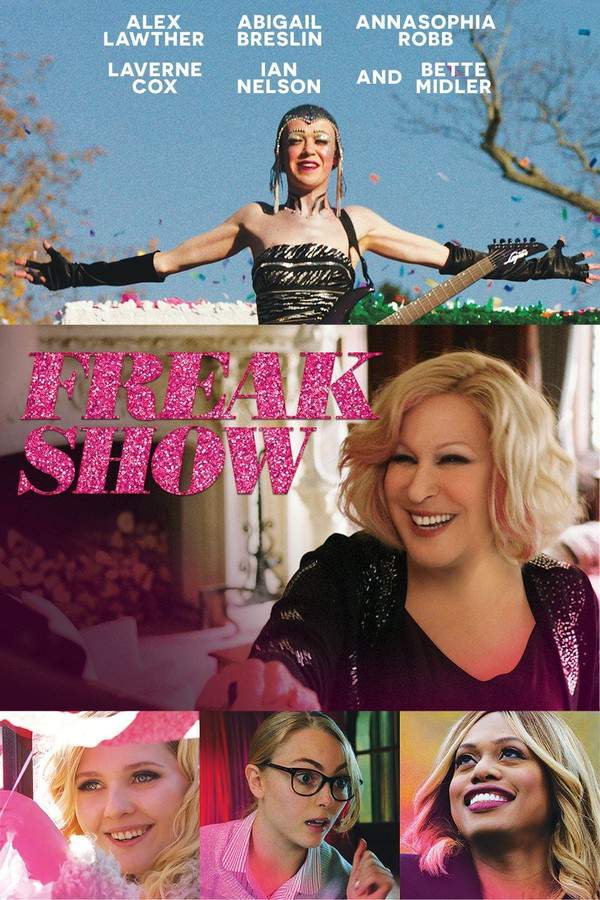
Freak Show
2018
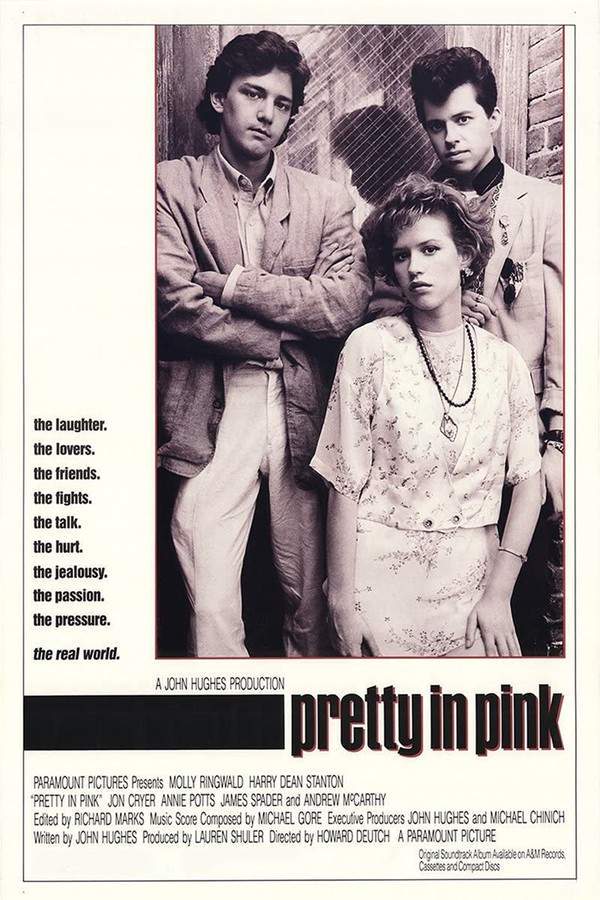
Pretty in Pink
1986

Take Me Home Tonight
2011

Moving McAllister
2007
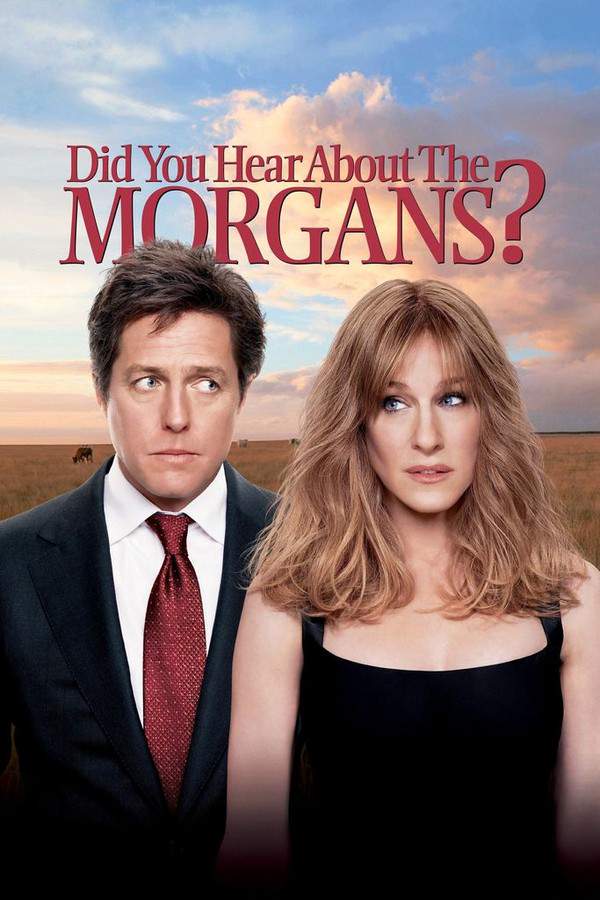
Did You Hear About the Morgans?
2009

College
2008
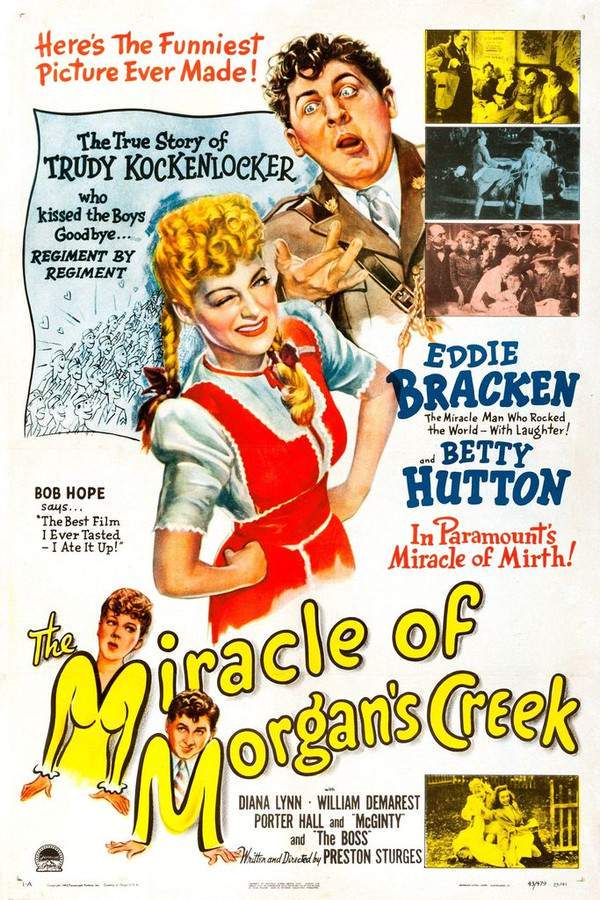
The Miracle of Morgan's Creek
1944

Morgan’s Cake
1989
Morgan Stewart’s Coming Home
1987

How I Got Into College
1989

Come Blow Your Horn
1963

Morgan: A Suitable Case for Treatment
1966

True Confessions of a Hollywood Starlet
2008

The Great Morgan
1945

Hometown U.S.A.
1979
Explore More About Movie Morgan Stewart’s Coming Home
Morgan Stewart’s Coming Home (1987) Plot Summary & Movie Recap
Morgan Stewart’s Coming Home (1987) Scene-by-Scene Movie Timeline
Morgan Stewart’s Coming Home (1987) Spoiler-Free Summary & Key Flow
Movies Like Morgan Stewart’s Coming Home – Similar Titles You’ll Enjoy
Freak Show (2018) Movie Recap & Themes
Pretty in Pink (1986) Spoiler-Packed Plot Recap
Take Me Home Tonight (2011) Story Summary & Characters
Moving McAllister (2007) Full Movie Breakdown
Did You Hear About the Morgans? (2009) Story Summary & Characters
College (2008) Spoiler-Packed Plot Recap
The Miracle of Morgan's Creek (1944) Full Movie Breakdown
Morgan’s Cake (1989) Full Summary & Key Details
Morgan Stewart’s Coming Home (1987) Full Summary & Key Details
How I Got Into College (1989) Full Summary & Key Details
Come Blow Your Horn (1963) Ending Explained & Film Insights
Morgan: A Suitable Case for Treatment (1966) Plot Summary & Ending Explained
True Confessions of a Hollywood Starlet (2008) Ending Explained & Film Insights
The Great Morgan (1945) Ending Explained & Film Insights
Hometown U.S.A. (1979) Detailed Story Recap