Plot Explained Spoilers guaranteed!
Plot Explained

Browse by genre

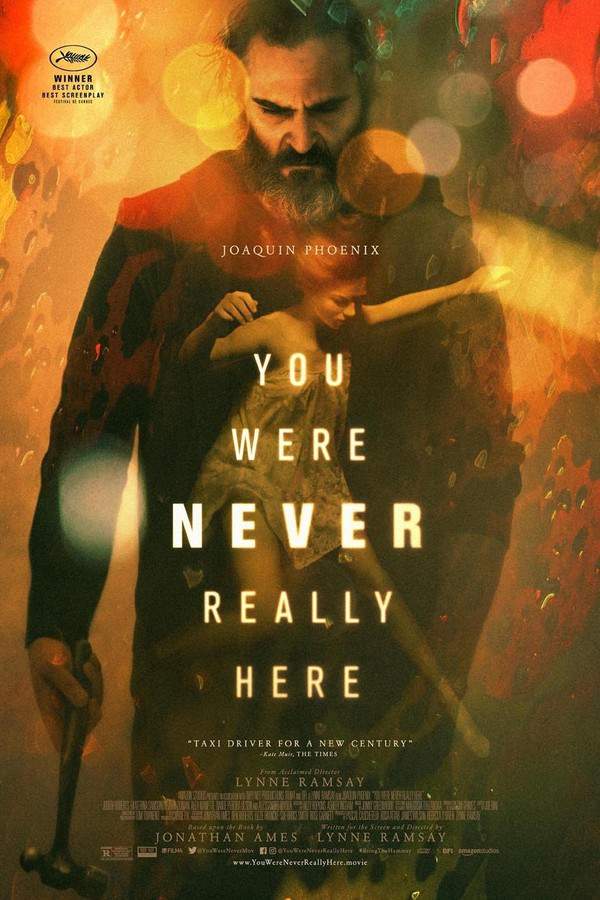
You Were Never Really Here (2018) movie poster

Characters & Themes

You Were Never Really Here (2018) Characters, Setting & Themes Explained

Release, runtime and language
2018 · 89 min · English
Echo score 82
Loading streaming availability…
Directed by
Lynne Ramsay
Starring
Dante Pereira-Olson, Joaquin Phoenix, Alessandro Nivola, Judith Roberts, John Doman, Alex Manette
Budget
$2.5M

A former U.S. Marine with a violent past is hired to rescue the daughter of a New York City politician from a sex trafficking ring. As he delves deeper into the mission, he uncovers a vast conspiracy and is forced to confront his own personal demons. The dangerous operation pushes him to his physical and emotional limits as he fights to protect the girl and expose the corrupt individuals involved.

On this page (9)
  1. 1 Where to watch
  2. 2 Characters explained (4)
  3. 3 Where & when it takes place
  4. 4 Themes & meaning (3)
  5. 5 Character & meaning questions
  6. 6 The book behind the movie
  7. 7 Movie threads
  8. 8 Movies like You Were Never Really Here
  9. 9 Every angle
Loading streaming availability…

4 main characters · contains spoilers

You Were Never Really Here Characters Explained: Who Is Who

The main characters of You Were Never Really Here (2018), heroes and villains: what drives them, how they change over the course of the story and what each of them reveals about the film's bigger ideas.

  • Joe | Joaquin Phoenix

    Joe is a complex character, depicted as a tough hired gun with a haunted past. His caring nature surfaces in his protection of Nina, contrasting sharply with his violent methods. Deeply marked by trauma, he embodies the struggle between his moral obligations and his personal demons.

    • 🧠 Mental Health
    • 🔫 Vigilante
  • Nina | Ekaterina Samsonov

    Nina serves as the innocent victim whose plight catalyzes Joe's journey. Despite her young age, she endures unimaginable trauma, showcasing resilience amid chaos. Her interactions with Joe highlight both their vulnerabilities and the hope for salvation.

    • 🚨 Victim
    • ✨ Innocence
  • Angel | Frank Pando

    Angel is portrayed as a middleman facilitating Joe’s dark business. While he is a source of information, his character also embodies the moral ambiguity in Joe's world. His concern for his son further emphasizes the human costs of Joe's profession.

    • 🔗 Connection
    • 💼 Middleman
  • John McCleary | John Doman

    McCleary acts as Joe's handler, guiding him through his assignments while also representing the corrupt ties to higher powers. His character plays a pivotal role in the unfolding conspiracy, ultimately highlighting the dangers of loyalty in a corrupt system.

    • 🕴️ Authority
    • 🗝️ Gatekeeper

Last updated: October 22, 2024 at 19:25

Was this helpful?

Setting

Where and When Does You Were Never Really Here Take Place?

The setting of You Were Never Really Here (2018): the year and time period, the places and locations, and how they shape the characters, the mood and the tension of the story.

Time period

The film does not specify an exact time period but evokes a contemporary setting rife with modern issues such as human trafficking and urban decay. The blending of present-day elements with timeless themes of trauma and despair enhances its relatability.

Location

New York City

New York City serves as the gritty backdrop for this film, known for its stark contrasts between wealth and poverty. The city's dark alleys and rundown motels provide a haunting atmosphere that mirrors Joe's internal struggles. It is a place where human trafficking thrives beneath the surface, highlighting a sinister aspect of urban life.

  • 🏙️ City
  • 🌆 Urban

Last updated: October 22, 2024 at 19:25

Was this helpful?

3 major themes

You Were Never Really Here Meaning: Themes & Message Explained

What is You Were Never Really Here (2018) really about? The emotional, social and philosophical themes the film keeps returning to, its symbolism and the message beneath the surface.

  • Redemption

    Redemption is a central theme as Joe struggles with his past and seeks to save Nina, the trafficked girl. His violent profession juxtaposes his desire to protect the innocent, showcasing his internal battle. Through his journey, Joe not only aims to rescue others but also attempts to reclaim his own humanity.

  • Trauma

    The theme of trauma is profoundly depicted through Joe's experiences as a veteran suffering from PTSD. His haunting memories manifest throughout the film, illustrating the deep psychological scars left by his past and the violence he witnesses. This exploration of trauma underlines the larger societal issues surrounding violence and abuse.

  • Corruption

    Corruption runs rampant in the film, particularly within the political and law enforcement systems. Joe's discoveries about Governor Williams and the complicity of officials illustrate a network of depravity that enables human trafficking. The film critiques the abandonment of moral integrity in the pursuit of power.

Last updated: October 22, 2024 at 19:25

Was this helpful?

Character & theme questions

You Were Never Really Here Characters & Meaning: Your Questions Answered

The questions people ask about You Were Never Really Here (2018): who the characters really are, their relationships, what the symbols mean, where it takes place and what the movie is really about. Each answer contains spoilers.

Q1

Where does the movie take place?

The film is set in New York City, depicted as a gritty urban landscape defined by stark contrasts between wealth and poverty. The city's dark alleys, rundown motels, and seedy underbelly create a haunting atmosphere that mirrors the protagonist's internal struggles and highlights the sinister reality of urban human trafficking.

  • new york city
  • setting
  • urban
  • locations
Q2

What time period is the film set in?

The movie takes place in a contemporary setting, blending present-day elements like modern technology and current social issues with timeless themes of trauma and despair. While no specific year is given, it feels distinctly modern and tackles issues like human trafficking and urban decay that are relevant today.

  • time period
  • contemporary
  • modern setting
Q3

What motivates Joe in the story?

Joe is motivated by a complex mix of redemption and moral obligation. Despite being a hired killer with a violent past and deep trauma from his military service, he feels drawn to protect innocent victims, particularly trafficked individuals like Nina. His journey represents an attempt to reclaim his humanity while confronting his personal demons.

  • joe
  • protagonist
  • motivation
  • redemption
  • veteran
Q4

Who is Nina in the movie?

Nina is a young trafficked girl whose abduction catalyzes Joe's mission. She represents the innocent victim caught in the corrupt world of human trafficking that the film exposes. Her plight serves as both the catalyst for Joe's quest and a symbol of the vulnerable individuals victimized by systemic exploitation.

  • nina
  • trafficked girl
  • victim
  • rescue
Q5

What are the main themes of the film?

The film explores three interconnected themes: redemption, as Joe seeks to save others while attempting to reclaim his own humanity; trauma, depicted through Joe's PTSD and the psychological scars left by his violent past; and corruption, revealing how political and law enforcement systems enable human trafficking. These themes weave together to create a dark meditation on violence and morality.

  • themes
  • redemption
  • trauma
  • corruption
  • meaning
Q6

How does the movie handle trauma and PTSD?

The film portrays trauma unflinchingly through Joe's experiences as a veteran suffering from PTSD. His haunting memories and psychological scars manifest throughout the narrative, illustrating how violence leaves deep psychological wounds. The movie explores how past trauma shapes present behavior and the challenge of reconciling violent capabilities with moral conscience.

  • ptsd
  • trauma
  • veteran
  • psychological
  • mental health
Q7

What does the film say about corruption?

The movie depicts corruption as systemic, showing how Governor Williams and complicit officials enable a network of human trafficking. It critiques how the pursuit of power leads to the abandonment of moral integrity, with law enforcement and political figures actively participating in exploitation rather than protecting citizens.

  • corruption
  • politics
  • governor
  • law enforcement
  • conspiracy
Q8

What is the relationship between Joe and Nina?

Joe and Nina form a connection based on shared vulnerability and trauma. While Joe is hired to rescue her, their interactions reveal mutual recognition of suffering. Nina's resilience in the face of unimaginable trauma contrasts with Joe's attempts at redemption, creating a dynamic where saving her becomes intertwined with his own potential salvation.

  • joe
  • nina
  • relationship
  • rescue
  • connection
Q9

Who is Angel in the story?

Angel serves as a middleman in Joe's darker business dealings, providing information and acting as a gateway to the criminal underworld. His character embodies moral ambiguity, as he navigates the same corrupt world as Joe while also showing concern for his son, highlighting the human costs that ripple through Joe's profession.

  • angel
  • middleman
  • informant
  • character
Q10

Who is John McCleary in the movie?

John McCleary acts as Joe's handler, assigning him missions and guiding him through the rescue operation. He represents the corrupt ties to higher powers, connecting Joe to the political conspiracy surrounding the trafficking ring. His role highlights the dangers of loyalty in a compromised system.

  • john mccleary
  • handler
  • handler
  • corrupt
  • conspiracy

Movie threads

More Movies Like You Were Never Really Here, by Mood & Story

Curated lists built around what makes You Were Never Really Here tick: the same mood, the same kind of story or the same emotional payoff. Each list explains why these movies belong together.

Movies like You Were Never Really Here with damaged heroes on violent missions

Damaged individuals confront darkness to save others, revealing their own pain. If you liked the intense, character-driven journey in You Were Never Really Here, discover more films where traumatized protagonists undertake dangerous tasks. These movies blend gritty action with deep psychological exploration, focusing on characters confronting external evil and internal demons simultaneously.

  • grim
  • psychological
  • tense
  • desolate
  • anxious
  • bleak
  • Tone: dark, psychologically intense
  • Pacing: methodical, character-driven
Why these movies?

The story pattern: The narrative typically follows a straightforward mission premise—a rescue, a revenge plot, or an investigation—that serves as a catalyst to explore the protagonist's fractured psyche. Flashbacks or intrusive memories are common, weaving past trauma into the present-day action. The climax often hinges on the character's ability to harness their pain rather than be destroyed by it.

Why they belong together: These films are grouped by their central focus on a damaged hero whose internal state is as critical to the plot as the external conflict. They share a bleak, intense tone, heavy emotional weight, and a focus on themes like redemption, revenge, and the psychological cost of violence.


Slow burn atmospheric thrillers with oppressive dread like You Were Never Really Here

Stories where a heavy, claustrophobic mood is the main antagonist. For viewers who appreciated the suffocating atmosphere and deliberate pacing of You Were Never Really Here, this collection highlights movies that master the art of the slow burn. These films prioritize mood over action, creating a visceral experience of anxiety and claustrophobia that lingers long after the credits roll.

  • slow burn
  • oppressive
  • claustrophobic
  • dread
  • anxious
  • grim
  • Tone: dark, oppressive, tense
  • Pacing: slow, deliberate, atmospheric
Why these movies?

The story pattern: The narrative unfolds methodically, often with minimalist dialogue, relying on visual storytelling, sound design, and a focused perspective to create a sense of entrapment. The story may be simple, but its power lies in the relentless buildup of tension and the exploration of a character's deteriorating mental space within a hostile world.

Why they belong together: These movies are united by their commitment to a slow, deliberate pace that creates an overwhelmingly oppressive and anxious viewing experience. They share a dark tone, high intensity derived from mood rather than constant action, and a focus on internal states manifested through the external environment.

If you liked this

Movies Like You Were Never Really Here

Similar movies to You Were Never Really Here: the same genre, themes or kind of story. Each one comes with its own plot summary, timeline and ending explained.

Browse all movie summaries

Every angle

You Were Never Really Here (2018) Explained: Plot, Timeline & Characters

Everything about You Were Never Really Here in one place: what happens in the plot summary, the timeline in chronological order, the characters and meaning and a spoiler-free summary. What's After the Movie adds the cast, box office and post-credit scenes.

Coming soon on iOS and Android

The Plot Explained Movie Summary App

Plot summaries, endings explained and timelines on your phone. Catch up on any movie in minutes, save your favorites and never miss a twist again.

Be the first to know when we launch. Your email stays private, always.

Learn more about the app