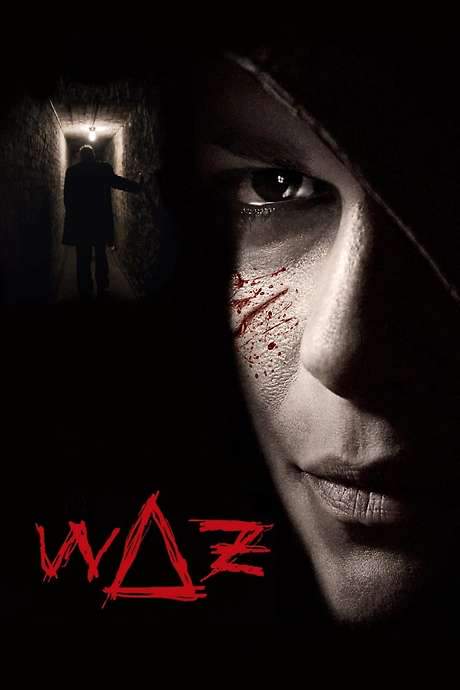
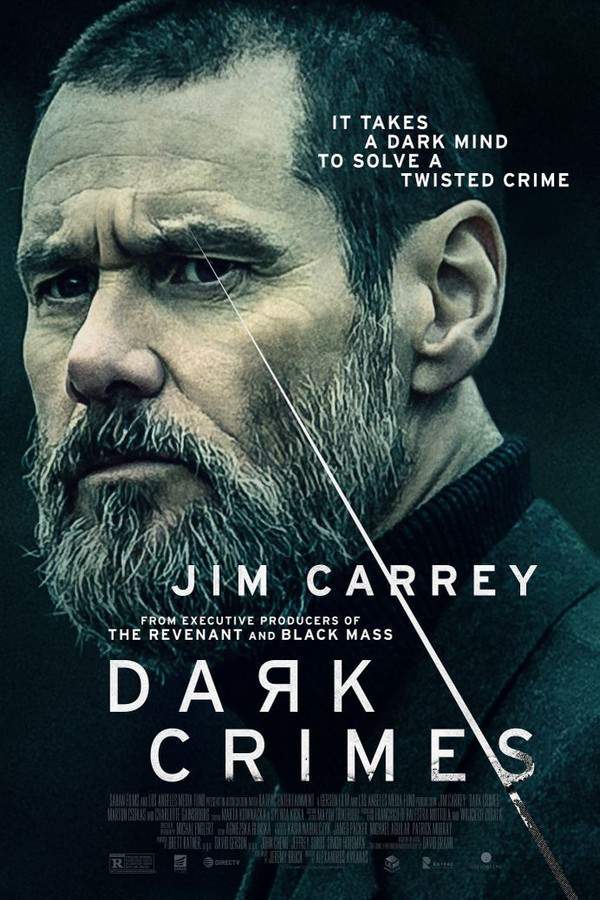
Set against a dark, rain-soaked New York, Detective Eddie Argo and his newly assigned partner Helen Westcott gather in the shadows of a city that wears its fear on its slick streets. The atmosphere is thick with tension as the pair trace a string of brutal murders that have gripped communities and left investigators searching for a pattern in the carnage. Each clue feels less like a breadcrumb and more like a riddle, pushing them to look beyond the surface and into a mind that loves to twist ethics into a dare.
The killer’s signature is chillingly precise: the Price equation (wΔz = Cov (w,z) = βwzVz) is carved onto the chests of the victims, turning each crime scene into a cryptic puzzle that demands interpretation as much as investigation. This mathematical cipher is not just a detail; it becomes the lens through which the detectives view motive, consequence, and the cost of choice. As they sift through forensic traces and psychological hints, the case evolves from a series of grisly murders into a cerebral exploration of cause and effect, fate and free will.
Central to the mystery is a stark moral trap that tests every character who crosses the killer’s path. Each victim is confronted with a dilemma: kill someone they love to save themselves or face their own death. The more Argo and Westcott see, the more the case feels like a study in the human ability to justify terrible acts under pressure, and the more the line between perpetrator and victim begins to blur. The killer, Jean Lerner, is revealed to be driven by a profound personal tragedy that mirrors the ethical paralysis it choreographs in others, turning private pain into public torment and turning spectators into unwilling participants in a brutal experiment.
As the investigation deepens, the narrative leans into existential philosophy, probing questions about guilt, responsibility, and what people owe to one another when every choice carries a grave cost. The dynamic between the two detectives—sharp, studious, and sometimes exhausted by the weight of their discoveries—drives the drama as they chase clues through rain-soaked avenues, neon-lit alleys, and tense interrogation rooms. The city itself becomes a pressure cooker, its moodiness amplifying every moral hesitation and every impulsive decision.
The film builds to a meticulous, thought-provoking tension that never relies on spectacle alone but on the gravity of the questions it raises. It invites viewers to linger on the implications of each decision and to consider what they might do when the line between right and wrong is not merely blurred but inverted. With a quiet persistence, the story navigates fear, grief, and the burden of choice, asking us to reflect on how far one would go to protect loved ones—and what price society pays when individuals are pressed to choose between loyalty and survival. In the end, the mystery anchors itself in a sobering inquiry: when moral calculus becomes a weapon, who truly pays the price?