Year: 1971
Runtime: 101 mins
Language: English
Director: Curtis Harrington
After their sons are sentenced for a high‑profile murder, two middle‑aged women relocate to Hollywood, California, where they open a dance school for ambitious children hoping to tap their way to fame. The film follows their fresh start, the challenges of rebuilding their lives, and the bright optimism of the youngsters they teach.
Warning: spoilers below!
Haven’t seen What’s the Matter with Helen? yet? This summary contains major spoilers. Bookmark the page, watch the movie, and come back for the full breakdown. If you're ready, scroll on and relive the story!
Trace every key event in What’s the Matter with Helen? (1971) with our detailed, chronological timeline. Perfect for unpacking nonlinear stories, spotting hidden connections, and understanding how each scene builds toward the film’s climax. Whether you're revisiting or decoding for the first time, this timeline gives you the full picture.
Last updated: October 05, 2025 at 11:21
Find frequently asked questions about the What’s the Matter with Helen? (1971) timeline, including chronological order, nonlinear jumps, cause-and-effect links, and scene sequence clarifications. This timeline FAQ helps explain when key events happen, how moments connect, and why the story unfolds in that specific order.
After their sons received life sentences for murdering Ellie Banner, Helen and Adelle faced a threatening caller who cut Helen's palm and vowed to make them pay for their children's crimes. Fearing for their safety and wanting to escape the guilt by association, they changed their names and moved to Hollywood to start fresh, opening a dance academy as a way to build new lives away from the scandal.
The intruder remains largely mysterious. He entered the house at night, called Helen by her real name, and was subsequently pushed down the stairs by Helen, dying from a head wound. It's never explicitly revealed who he was, though his knowledge of Helen's identity suggests a connection to her past in Iowa or potentially to theEllie Banner murder case.
Helen killed the rabbits as a manifestation of her deepening psychological breakdown. When Adelle discovered the slaughtered rabbits, Helen used the moment to confess that she had also killed her husband by pushing him off a plow, revealing a pattern of violence that predates the film's events and showing how her mental state has deteriorated under the pressure of her sons' crimes and the ongoing threats.
Earlier in the film, Helen's unsettling visions and paranoia hint at unresolved trauma from past violent acts.
Helen revealed that she killed her own husband by pushing him off a plow. This confession came during the traumatic moment when Adelle discovered the slaughtered rabbits, and it exposed Helen as someone with a history of violence that predates her sons' crimes. The revelation explains her extreme paranoia and guilt throughout the film.
Helen stabbed Adelle in the back after learning about her plans to marry Lincoln Palmer. The murder was driven by Helen's intensified jealousy, isolation, and complete mental collapse. Having already killed an intruder and her own husband, Helen's grip on reality had deteriorated to the point where she saw Adelle's happiness as an unbearable betrayal, especially as she faced losing her only remaining connection.
Helen's jealousy over Adelle's romance with Lincoln had been building throughout the film, creating tension between the two women.
Helen sensed something dangerous and predatory about Hamilton Starr, the elocution teacher who offered to help at their dance academy. While Adelle welcomed his professional services, Helen experienced unsettling visions, including one where she saw Starr holding a knife during a show. Her paranoia proved justified given the threatening atmosphere surrounding the women, though Starr's exact role in the mystery remains ambiguous.
Sister Alma's evangelist broadcasts became a source of both comfort and torment for Helen. As Helen's guilt and paranoia grew, she fixated on the radio program, seeking spiritual absolution. When Helen visited Sister Alma for confession, she received forgiveness, but Helen's subsequent public breakdown led to her being prescribed bedrest. The religious figure represented Helen's desperate need for redemption that she could never fully achieve.
The piano motif that Lincoln Palmer followed to the rehearsal hall was the 'Goody Goody' music, a seemingly innocent tune that took on dark significance in context. When Lincoln arrived, he discovered the horrific scene of Helen, dressed in her dance costume, pushing Adelle's corpse up a ladder on stage while playing the piano with gleeful mania. The music symbolized the twisted continuation of their dance academy dreams twisted into nightmare.
Helen's breakdown resulted from accumulated trauma: her sons' notorious murder conviction, the anonymous threatening calls, the physical attack and cutting of her palm, her past crime of killing her husband, the intruder she killed, and her guilt over covering up that murder. These stressors, combined with her isolation from Adelle and jealousy over Adelle's happiness, culminated in full psychotic break where she murdered Adelle and celebrated with manic laughter.
Her earlier visions, reliance on Sister Alma's broadcasts, and growing paranoia foreshadowed this complete unraveling.
The anonymous calls created a persistent atmosphere of terror for Helen and Adelle. The first call came right after their sons' arrest, with a voice claiming to have cut Helen's palm and vowing they would pay for their sons' crimes. These calls represented the community's rage and the inescapable nature of their past, contributing significantly to their decision to flee to Hollywood. The calls resumed even after the relocation, showing their past followed them.
Discover curated groups of movies connected by mood, themes, and story style. Browse collections built around emotion, atmosphere, and narrative focus to easily find films that match what you feel like watching right now.
Stories of psychological collapse within a haunting, ornate atmosphere.If you enjoyed the oppressive, gothic atmosphere and psychological unraveling in What’s the Matter with Helen?, explore this collection of movies. These films feature characters haunted by their past, descending into madness amidst unsettling, often ornate settings, culminating in bleak and tragic endings.
The narrative pattern follows a protagonist, often already burdened by trauma, attempting a fresh start that is quickly undermined by external pressures and internal demons. The story methodically escalates their paranoia through a series of unsettling events, visions, or manipulations, leading to a complete psychological breakdown and a violent, inevitable climax.
These films are grouped by their shared focus on a claustrophobic, psychologically-driven dread, a dark and melancholic tone, and a steady pacing that allows the unease to suffocate both the characters and the viewer. They prioritize mood and character decay over fast-paced action.
Explores the lingering trauma and guilt that follows a violent crime.For viewers who appreciated the focus on life after a notorious murder in What’s the Matter with Helen?, this thread collects similar movies. These films explore the heavy emotional weight, psychological trauma, and desperate attempts at rebuilding a life forever shattered by a violent act.
The story begins in the wake of a significant crime, following characters—often family members or accomplices—as they try to forge a new identity and find safety. Their fresh start is perpetually threatened by the outside world's memory of the crime and their own internal guilt, leading to tension, deception, and often a tragic failure to outrun the past.
Movies in this thread share a heavy emotional weight and a dark tone, dealing directly with trauma and moral consequences. They are connected by their thematic focus on the ripple effects of violence and the psychological burden carried by those left behind, rather than the procedural details of the crime.
Don't stop at just watching - explore What’s the Matter with Helen? in full detail. From the complete plot summary and scene-by-scene timeline to character breakdowns, thematic analysis, and a deep dive into the ending - every page helps you truly understand what What’s the Matter with Helen? is all about. Plus, discover what's next after the movie.
Read a complete plot summary of What’s the Matter with Helen?, including all key story points, character arcs, and turning points. This in-depth recap is ideal for understanding the narrative structure or reviewing what happened in the movie.
Discover the characters, locations, and core themes that shape What’s the Matter with Helen?. Get insights into symbolic elements, setting significance, and deeper narrative meaning - ideal for thematic analysis and movie breakdowns.
Discover movies like What’s the Matter with Helen? that share similar genres, themes, and storytelling elements. Whether you’re drawn to the atmosphere, character arcs, or plot structure, these curated recommendations will help you explore more films you’ll love.
What’s the Matter with Helen? (1971) Plot Summary & Movie Recap
What’s the Matter with Helen? (1971) Scene-by-Scene Movie Timeline
What’s the Matter with Helen? (1971) Spoiler-Free Summary & Key Flow
Movies Like What’s the Matter with Helen? – Similar Titles You’ll Enjoy
Hollywood Kills (2006) Plot Summary & Ending Explained
The Hearse (1980) Movie Recap & Themes
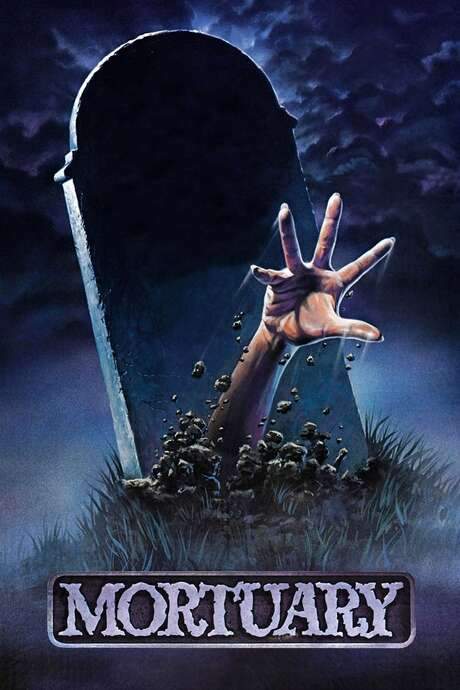
Mortuary (1982) Plot Summary & Ending Explained
Death Warmed Up (1984) Movie Recap & Themes
The Majorettes (1986) Complete Plot Breakdown
Blood and Lace (1971) Film Overview & Timeline
Scared to Death (1946) Ending Explained & Film Insights
Death Smiles on a Murderer (1973) Story Summary & Characters
Haunts (1976) Spoiler-Packed Plot Recap
The Hills Run Red (2009) Spoiler-Packed Plot Recap
The Haunting of Helen Walker (1995) Plot Summary & Ending Explained
Hollywood Horror House (1970) Full Summary & Key Details
Doppelganger (1993) Plot Summary & Ending Explained
The Dead Hate the Living! (1999) Story Summary & Characters
The Killing Kind (1973) Spoiler-Packed Plot Recap