
What the Day Owes the Night
Year: 2012
Runtime: 182 mins
Language: French
Director: Alexandre Arcady
In 1930s Algeria, young Younes is sent to live with his uncle in Oran, where he is renamed Jonas. Growing up amongst a group of youths near the Rio Salado, he forges strong friendships, including with the captivating Emilie, whom many admire. A tender romance blossoms between Jonas and Emilie, but their burgeoning love is threatened by the rising tensions and conflicts engulfing the nation.
Warning: spoilers below!
Haven’t seen What the Day Owes the Night yet? This summary contains major spoilers. Bookmark the page, watch the movie, and come back for the full breakdown. If you're ready, scroll on and relive the story!
Timeline & Setting – What the Day Owes the Night (2012)
Explore the full timeline and setting of What the Day Owes the Night (2012). Follow every major event in chronological order and see how the environment shapes the story, characters, and dramatic tension.
Last updated: October 03, 2025 at 09:35
Main Characters – What the Day Owes the Night (2012)
Meet the key characters of What the Day Owes the Night (2012), with detailed profiles, motivations, and roles in the plot. Understand their emotional journeys and what they reveal about the film’s deeper themes.
Last updated: October 03, 2025 at 09:35
Major Themes – What the Day Owes the Night (2012)
Explore the central themes of What the Day Owes the Night (2012), from psychological, social, and emotional dimensions to philosophical messages. Understand what the film is really saying beneath the surface.
Last updated: October 03, 2025 at 09:35
What the Day Owes the Night (2012) Character & Theme Questions Answered – Info FAQ
Browse frequently asked questions about What the Day Owes the Night (2012) focused on characters, relationships, themes, symbols, setting, and story context. This movie info FAQ gives spoiler-aware explanations for character arcs, world details, and thematic interpretation so readers can better understand what the film is really about.
Where is the movie set?
The story unfolds primarily in Algeria, spanning from a rural area near Oran to the coastal town of Rio Salado. The family is first displaced from their countryside home due to debt and expropriation, moving to urban Oran before eventually settling in Rio Salado, where a sizable pieds-noirs community lives.
What time period does the film cover?
The narrative spans from the 1930s through the 1960s, covering the turbulent decades of colonial Algeria including the Mers El-Kebir crisis and the Algerian War. This period marks significant historical upheavals that deeply impact the characters' lives across generations.
What does the Displacement theme represent in the movie?
Displacement represents the family's forced relocation from their fertile countryside home after a devastating blaze and expropriation. This loss pushes them into urban life with precarious work, requiring resilience to adapt to new places, roles, and communities as political pressures mount.
How does Younes and Émilie's relationship represent the film's themes?
Émilie embodies a Franco-Algerian connection that bridges cultural divides in a fractured landscape. Their evolving romance offers hope amid national upheaval, showing how love can transcend borders and provide grounding continuity through decades of change.
How does the film incorporate war and memory?
The narrative weaves personal hardship with major historical upheavals including the Mers El-Kebir crisis and the Algerian War. Memories of loss and resilience sustain characters as past traumas continue shaping present choices and attachments across generations.
Who is Younes and what defines his journey?
Younes grows from a child of rural hardship into someone shaped by decades of upheaval and hope. His world shifts from the countryside to the city, where music, friendship, and found family broaden his horizons. He embodies resilience, adaptability, and longing for stability in a changing Algeria.
What role does Émilie play in the story?
Émilie arrives as a Franco-Algerian presence that widens Younes's world. Her friendship and evolving relationship symbolize cross-cultural connection amid colonial tension. She represents warmth, openness, and serves as a bridge between communities.
Who is Mohamed and what is his significance?
Mohamed is Younes's elder uncle who becomes his protective guardian and a pharmacist with a complex political past. His positions bring risk and scrutiny, influencing the family's choices during turbulent times. He embodies responsibility, intellect, and leadership under pressure.
Who is Madeleine in the story?
Madeleine is a Pied-Noir piano teacher who becomes a warm, disciplined mother figure for Younes. Her guidance expands his musical abilities and moral world, shaping his sense of family and art while representing cultural mentorship across communities.
How does colonial Algeria shape the film's atmosphere?
The story is set against the backdrop of colonial Algeria, where urban life is marked by colonial tensions and precarious work. The historical context creates an undercurrent of uncertainty that affects every character's choices and relationships throughout the decades.
What is the overall tone of the film?
The film carries a bittersweet tone, balancing deep personal losses, such as the destruction of the family farm and displacement, with enduring sources of hope like found family and a lifelong romance. This creates an emotional landscape where loss and human connection coexist.

Explore Movie Threads
Discover curated groups of movies connected by mood, themes, and story style. Browse collections built around emotion, atmosphere, and narrative focus to easily find films that match what you feel like watching right now.
Historical Romances Shaped by Conflict like What the Day Owes the Night
Where grand, sweeping love stories are tested by the tides of political upheaval.If you enjoyed the epic yet bittersweet love story in What the Day Owes the Night, you'll find similar movies here. This collection features sweeping historical dramas where passionate romances are challenged by war, political turmoil, and societal divides, creating a powerful blend of personal and political stakes.

Swept from the Sea
1997

Smilin’ Through
1932

All I Desire
1953

The Great Escaper
2023

Salt on Our Skin
1992

A Perfect Ending
2012
Northern Borders
2015
Nights in Rodanthe
2008

For the Moment
1993
Sunflower
1970
The Razor's Edge
1984

Housewife, 49
2006

Late Autumn
1960
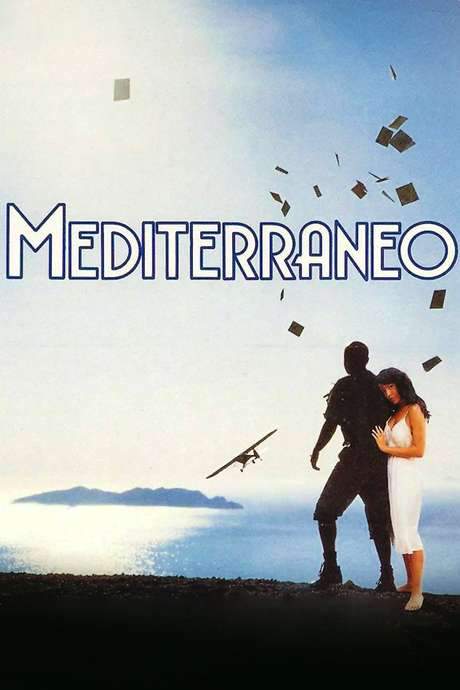
Mediterraneo
1991

Summer Days, Summer Nights
2021
Narrative Summary
The narrative follows characters over a substantial period, often years or decades, as they fall in love against a backdrop of rising historical tension. The central conflict arises from the external world—war, revolution, or colonial strife—intruding upon and testing the relationship, leading to sacrifices and a resolution that acknowledges both the enduring power of love and the profound losses suffered.
Why These Movies?
Movies are grouped here for their shared core of a grand romantic arc set against formative historical events. They deliver a specific emotional mix: the soaring feeling of a deep connection combined with the melancholy weight of circumstances beyond the characters' control, resulting in a consistently bittersweet tone.
Movies About Growing Up Amidst Turmoil like What the Day Owes the Night
Stories of youth, friendship, and first love set against the backdrop of societal collapse.For viewers who appreciated the perspective of What the Day Owes the Night, this section features similar movies about young people coming of age during times of great historical upheaval. These stories explore how friendship, love, and personal identity are forged under the pressure of war and political conflict.

No Regrets for Our Youth
1946

Year of Enlightment
1986

Come Back to the 5 & Dime, Jimmy Dean, Jimmy Dean
1982
We Couldn't Become Adults
2021

I Am Twenty
1965

Days of Being Wild
1990

Splendor in the Grass
1981

Fragile as the World
2001
All These Small Moments
2019
Such a Long Journey
2000

Tea and Sympathy
1956
Summer Days, Summer Nights
2021

The Bay Boy
1984

A Place in the World
1992

Boyhood
2014
Narrative Summary
The narrative pattern follows a young protagonist or group of friends as they navigate adolescence and early adulthood. A idyllic or insulated world of youth is gradually permeated by external conflict, forcing characters to mature quickly. The story contrasts the innocence of young love and camaraderie with the harsh realities of displacement, violence, or ideological divides, leading to a loss of innocence that defines their adulthood.
Why These Movies?
These films are connected by their unique blend of the intimate, personal scale of a coming-of-age story with the epic, impersonal scale of history. They share a reflective, often nostalgic mood, examining how a specific time and place of crisis irrevocably shapes the lives of those who live through it.
Unlock the Full Story of What the Day Owes the Night
Don't stop at just watching - explore What the Day Owes the Night in full detail. From the complete plot summary and scene-by-scene timeline to character breakdowns, thematic analysis, and a deep dive into the ending - every page helps you truly understand what What the Day Owes the Night is all about. Plus, discover what's next after the movie.
What the Day Owes the Night Summary
Read a complete plot summary of What the Day Owes the Night, including all key story points, character arcs, and turning points. This in-depth recap is ideal for understanding the narrative structure or reviewing what happened in the movie.

What the Day Owes the Night Timeline
Track the full timeline of What the Day Owes the Night with every major event arranged chronologically. Perfect for decoding non-linear storytelling, flashbacks, or parallel narratives with a clear scene-by-scene breakdown.


