
What the Day Owes the Night
Year: 2012
Runtime: 182 mins
Language: French
Director: Alexandre Arcady
In 1930s Algeria, young Younes is sent to live with his uncle in Oran, where he is renamed Jonas. Growing up amongst a group of youths near the Rio Salado, he forges strong friendships, including with the captivating Emilie, whom many admire. A tender romance blossoms between Jonas and Emilie, but their burgeoning love is threatened by the rising tensions and conflicts engulfing the nation.
Warning: spoilers below!
Haven’t seen What the Day Owes the Night yet? This summary contains major spoilers. Bookmark the page, watch the movie, and come back for the full breakdown. If you're ready, scroll on and relive the story!
What the Day Owes the Night (2012) – Full Plot Summary & Ending Explained
Read the complete plot breakdown of What the Day Owes the Night (2012), including all key story events, major twists, and the ending explained in detail. Discover what really happened, and what it all means.
From a quiet wheat field near Oran in the 1930s, the film follows Younes as he grows up through decades of change, tracing a life shaped by both hardship and hope. The narrative moves from the countryside to the city, painting a portrait of a country torn by heavy losses and political strain, including the battles and upheavals surrounding Mers El-Kebir and the Algerian War. Alongside the sweeping historical scope, a quiet, unfolding love story threads through the years, centered on Émilie, a young French girl whose family has also made Algeria their home, and who becomes a key part of Younes’s world.
When a devastating blaze consumes the family’s wheat field, set by Cheikh henchmen who want to seize the land because of debts, the dream of a fertile harvest is crushed. The expropriation by the colonial administration follows, pushing the family toward ruin and forcing a brutal relocation. With little money left, they move to Oran, where Issa struggles with exhausting, low-paying jobs that wear him down physically and emotionally. The weight of these hard times reframes their future, and Issa’s years of strain help push Younes toward a new familial bond.
In Oran, Younes is taken in by Mohamed, his elder uncle, after Issa decides to place him in Mohamed’s care. Mohamed, a pharmacist, has his own complex history, including a marriage that connects him to Madeleine, a Pied-Noir piano teacher who becomes a pivotal figure in Younes’s life. Madeleine, unable to have children of her own, embraces Younes as her own, shaping his upbringing with warmth, discipline, and the lure of music. It is through these piano lessons and everyday lessons alike that Younes’s world widens, and it is here that the seeds of a lasting friendship begin to sprout with Emilie, whose presence in Algeria brings a new, hopeful dimension to his life.
As the family settles into their new life, a new tension emerges: Mohamed attracts attention from the French police because of his political positions, a danger that compounds the precariousness of their new home. To protect his family, Mohamed decides to leave Oran for a quieter, smaller town called Rio Salado, a place where a sizable pieds-noirs community, including people with Spanish backgrounds, has carved out a life. In Rio Salado, the family starts anew, and Jonas—renamed in Madeleine’s care—from Younes’s past becomes a central presence as he forges friendships that will echo through the years.
There, Jonas encounters three children from the local community who will become close companions: the boy Jean-Christophe, the lively Fabrice, and the thoughtful Simon. These friendships anchor Younes in a place far from the land and family he first knew, offering companionship and a sense of belonging in a world that is constantly shifting beneath his feet. The story emphasizes how resilience, memory, and connection sustain a person as history continues to unfold around them.
Many years pass, and life in Rio Salado keeps its quiet rhythms until Emilie’s arrival again shifts the balance. The reintroduction of Emilie, the Franco-Algerian connection she represents, and the renewed closeness with Younes reveal how love and memory persist across time and borders. Through these relationships and the ever-present backdrop of Algeria’s turbulent past, the film traces a life that moves with the tides of history, never fully escaping its upheavals but finding meaning through the people who stay by your side.
Notes on the cast and connections:
-
Younes
-
Émilie
-
Mohamed
-
Madeleine
-
Jonas
-
Issa
-
Jean-Christophe
-
Fabrice
-
Simon
Last updated: October 03, 2025 at 10:33
What the Day Owes the Night (2012) Plot Questions Answered – Summary FAQ
Explore frequently asked questions about What the Day Owes the Night (2012) with spoiler-rich answers covering the full plot summary, major story beats, character motivations, hidden details, and ending meaning. This movie summary FAQ helps explain confusing scenes, plot twists, and narrative decisions in clear, searchable detail.
Why is Younes renamed Jonas?
Younes is renamed Jonas by Madeleine, his uncle Mohamed's wife, after she takes him in. Unable to have children of her own, Madeleine embraces Younes as her own son and gives him the name Jonas, which becomes his identity in his new life in Rio Salado. This renaming symbolizes his transition into his new family and the new life he builds away from his biological roots.
The renaming happens early in his time with Mohamed and Madeleine, establishing the theme of chosen family that runs throughout the film.
Why does the family leave their wheat field near Oran?
The family is forced to leave after a devastating blaze destroys their wheat field. Cheikh henchmen set the fire to seize the land over unpaid debts. Following this loss, the colonial administration expropriates the land, pushing the family toward ruin. With little money remaining, they relocate to Oran in search of work and a new beginning.
The opening scenes establish the theme of displacement and loss that will repeatedly shape Younes's journey.
Why does Mohamed move the family to Rio Salado?
Mohamed decides to relocate his family to Rio Salado because his political positions attract dangerous attention from the French police. To protect his family from this increasing threat, he chooses to leave Oran for a quieter, smaller town where a sizable pieds-noirs community has already established life. This move marks a significant turning point in Younes's story.
Earlier scenes establish Mohamed's activism, which creates the mounting pressure that eventually forces the relocation.
Why does Madeleine become such an important figure in Younes's life?
Madeleine, a Pied-Noir piano teacher, becomes Younes's mother figure because she is unable to have children of her own. She embraces Younes wholeheartedly, providing warmth, discipline, and musical education through piano lessons. Her mentorship expands Younes's world beyond survival and hardship, giving him an appreciation for art and culture that shapes his identity.
The piano lessons introduced early in Madeleine's care become a recurring element that connects Younes to his refined upbringing.
What happens to Younes's father Issa after moving to Oran?
After the family relocates to Oran, Issa struggles with exhausting, low-paying jobs that wear him down physically and emotionally. These years of hard labor define his life and shape the family's future. Issa's struggles influence Younes's understanding of perseverance and hardship, though Younes eventually lives primarily with his uncle Mohamed.
The summary notes Issa's burden as an intergenerational thread that affects how Younes navigates his own relationships.
Who are Jonas's friends in Rio Salado?
In Rio Salado, Jonas (Younes) forms close friendships with three local children: Jean-Christophe, Fabrice, and Simon. These three boys become his companions through childhood and adolescence, providing a sense of belonging far from the land and family he first knew. These friendships endure through the decades and help anchor him during Algeria's turbulent historical changes.
The film emphasizes how these early friendships in Rio Salado become a lasting source of stability for Younes.
Why is Emilie's return significant to the story?
Emilie, a young French girl whose family made Algeria their home, becomes romantically involved with Younes. Her return to Algeria after years apart reopens the Franco-Algerian connection that binds them. Their renewed closeness adds a hopeful, romantic dimension to a life already shaped by memory and displacement, suggesting that love can endure across borders and time.
Emilie's presence is introduced early through piano lessons and everyday interactions with Younes, establishing the foundation for their later romance.
What historical events backdrop the film?
The film takes place against Algeria's turbulent history spanning the 1930s through the Algerian War, including the battles and upheavals surrounding Mers El-Kebir. These historical conflicts create significant tension, complicate daily life, and underscore the costs of colonialism. The political strain forces families like Younes's to repeatedly adapt and relocate as the nation undergoes profound change.
The political tension introduced early through Mohamed's activism and the colonial administration's actions sets the stage for the larger historical upheavals.
How does the family find hope amidst hardship?
Despite losing their farm, facing displacement, and living through political turmoil, the family finds hope through found family and enduring relationships. Madeleine's love and mentorship provide Younes with a stable childhood. Friendships with Jean-Christophe, Fabrice, and Simon offer companionship. The romance with Emilie adds a hopeful dimension. The film suggests that human connection sustains people even as history unfolds around them.
The opening wheat field scenes juxtapose hardship with hope, establishing the bittersweet tone that persists throughout.
Why is Younes sent to live with his uncle Mohamed?
After the family loses their wheat field and moves to Oran, Younes's father Issa decides to place Younes in the care of his elder uncle Mohamed. With little money and limited opportunities in the city, Issa likely hoped that Mohamed's stable profession as a pharmacist would provide Younes with better prospects and a more secure upbringing than struggling parents could offer.
This decision follows directly from the family's financial ruin after the field fire and expropriation.

Explore Movie Threads
Discover curated groups of movies connected by mood, themes, and story style. Browse collections built around emotion, atmosphere, and narrative focus to easily find films that match what you feel like watching right now.
Historical Romances Shaped by Conflict like What the Day Owes the Night
Where grand, sweeping love stories are tested by the tides of political upheaval.If you enjoyed the epic yet bittersweet love story in What the Day Owes the Night, you'll find similar movies here. This collection features sweeping historical dramas where passionate romances are challenged by war, political turmoil, and societal divides, creating a powerful blend of personal and political stakes.

Swept from the Sea
1997

Smilin’ Through
1932

All I Desire
1953

The Great Escaper
2023

Salt on Our Skin
1992

A Perfect Ending
2012
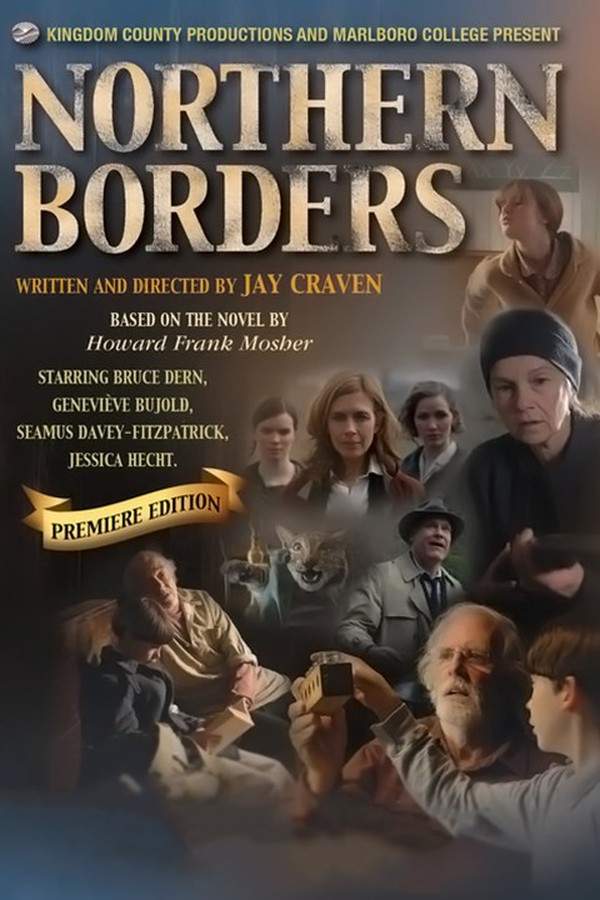
Northern Borders
2015

Nights in Rodanthe
2008

For the Moment
1993

Sunflower
1970
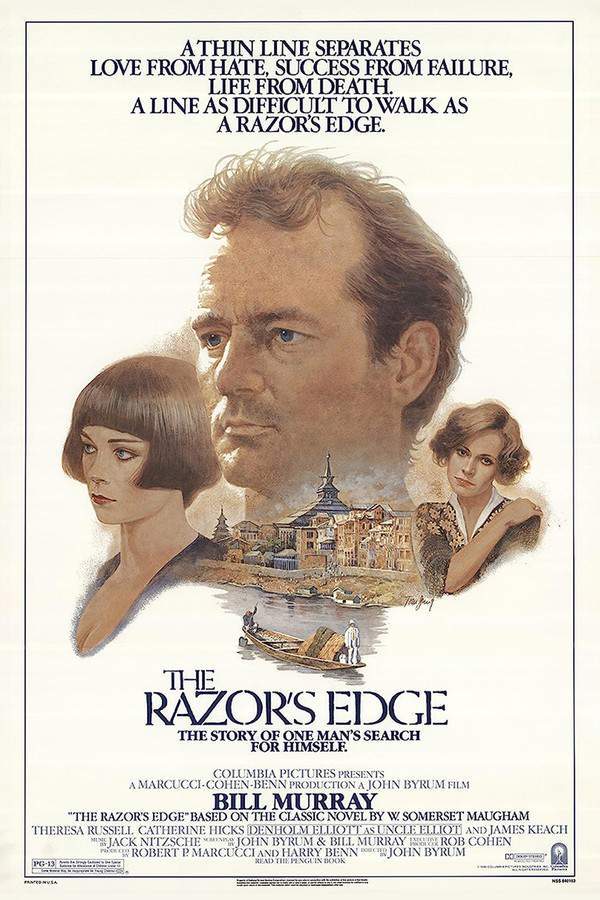
The Razor's Edge
1984

Housewife, 49
2006

Late Autumn
1960
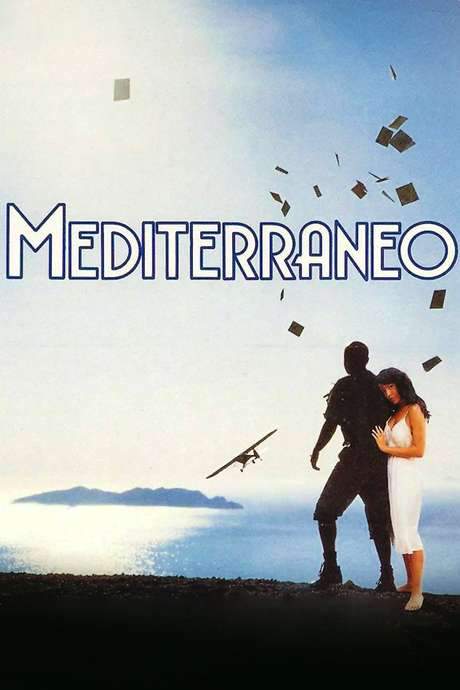
Mediterraneo
1991

Summer Days, Summer Nights
2021
Narrative Summary
The narrative follows characters over a substantial period, often years or decades, as they fall in love against a backdrop of rising historical tension. The central conflict arises from the external world—war, revolution, or colonial strife—intruding upon and testing the relationship, leading to sacrifices and a resolution that acknowledges both the enduring power of love and the profound losses suffered.
Why These Movies?
Movies are grouped here for their shared core of a grand romantic arc set against formative historical events. They deliver a specific emotional mix: the soaring feeling of a deep connection combined with the melancholy weight of circumstances beyond the characters' control, resulting in a consistently bittersweet tone.
Movies About Growing Up Amidst Turmoil like What the Day Owes the Night
Stories of youth, friendship, and first love set against the backdrop of societal collapse.For viewers who appreciated the perspective of What the Day Owes the Night, this section features similar movies about young people coming of age during times of great historical upheaval. These stories explore how friendship, love, and personal identity are forged under the pressure of war and political conflict.

No Regrets for Our Youth
1946

Year of Enlightment
1986

Come Back to the 5 & Dime, Jimmy Dean, Jimmy Dean
1982

We Couldn't Become Adults
2021

I Am Twenty
1965

Days of Being Wild
1990

Splendor in the Grass
1981

Fragile as the World
2001
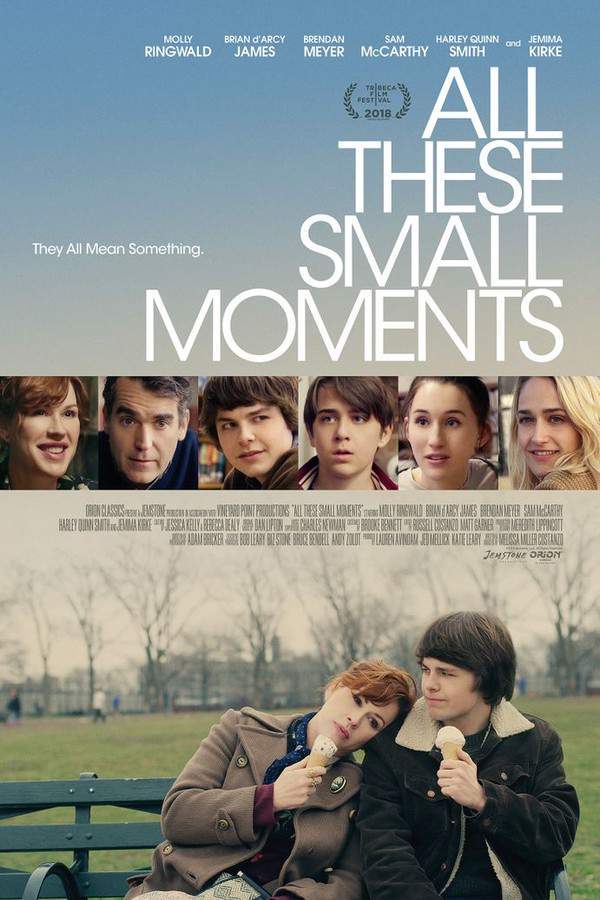
All These Small Moments
2019
Such a Long Journey
2000

Tea and Sympathy
1956
Summer Days, Summer Nights
2021

The Bay Boy
1984

A Place in the World
1992

Boyhood
2014
Narrative Summary
The narrative pattern follows a young protagonist or group of friends as they navigate adolescence and early adulthood. A idyllic or insulated world of youth is gradually permeated by external conflict, forcing characters to mature quickly. The story contrasts the innocence of young love and camaraderie with the harsh realities of displacement, violence, or ideological divides, leading to a loss of innocence that defines their adulthood.
Why These Movies?
These films are connected by their unique blend of the intimate, personal scale of a coming-of-age story with the epic, impersonal scale of history. They share a reflective, often nostalgic mood, examining how a specific time and place of crisis irrevocably shapes the lives of those who live through it.
Unlock the Full Story of What the Day Owes the Night
Don't stop at just watching - explore What the Day Owes the Night in full detail. From the complete plot summary and scene-by-scene timeline to character breakdowns, thematic analysis, and a deep dive into the ending - every page helps you truly understand what What the Day Owes the Night is all about. Plus, discover what's next after the movie.
What the Day Owes the Night Timeline
Track the full timeline of What the Day Owes the Night with every major event arranged chronologically. Perfect for decoding non-linear storytelling, flashbacks, or parallel narratives with a clear scene-by-scene breakdown.

Characters, Settings & Themes in What the Day Owes the Night
Discover the characters, locations, and core themes that shape What the Day Owes the Night. Get insights into symbolic elements, setting significance, and deeper narrative meaning - ideal for thematic analysis and movie breakdowns.


