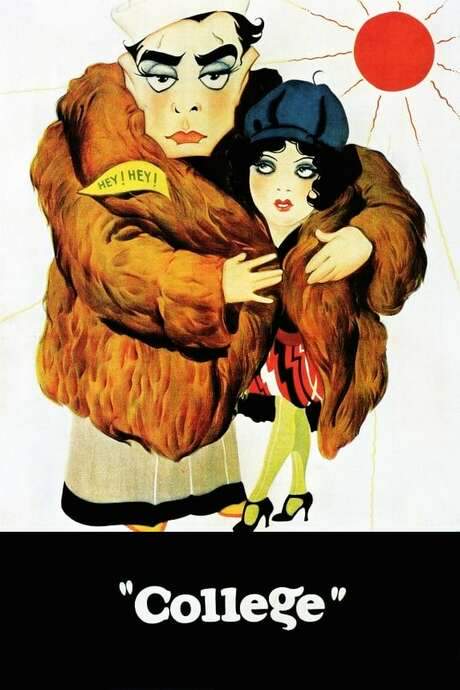
At fictional Winfield College, a spirited group of students gear up for the annual Varsity Show and aim to shake off a staid, old-fashioned approach in favor of something truly au courant. They clash with their faculty advisor, Professor Sylvester Biddle, Walter Catlett, who clings to the traditional mold of College Circa 1900. His ally is Biddle’s assistant, Professor Washburn, Roy Atwell, but the students’ high-spirited energy soon outpaces the boundaries of old-school theater. To give the production a professional edge, they recruit an alumnus, Charles “Chuck” Daly, Dick Powell, who has become a Broadway producer. They hope his experience will lift the show, even as they’re blind to the fact that Daly’s last three efforts have been big flops.
Daly arrives to direct, and the inevitable clash with Biddle deepens. The students push for modern, vibrant material, while Biddle insists on preserving a pristine, traditional vibe. The situation grows more complicated when Hollywood comes knocking, pressing Daly to come out to Los Angeles and direct a new musical. The tension between art and commerce, between fresh energy and veteran standards, sets the stage for a cascade of humorous complications.
A comic cascade follows. An outbreak of mumps provides a conveniently timed ruse to temporarily remove Biddle from influence, and Biddle retaliates with a clever counterstroke—exams that must be passed for student eligibility, threatening the participants’ right to remain in the Varsity Show. A student strike then erupts, drawing national notice as the dispute intensifies. With the Hollywood opportunity now seemingly withdrawn, Daly returns to New York City and signs a contract to perform in another show, leaving the Winfield project in jeopardy.
Yet the Winfield students refuse to abandon their plan. Led by Professor Mason, they pursue Daly to the city, where they seize control of the Stuyvesant Theater and mount their own performance. The first show draws a significant crowd—including portions of the NYPD, the National Guard, and the Mayor—who come to eject the students from their unauthorized occupation. Undeterred, the Varsity Show finally opens on Broadway to widespread enthusiasm, turning Daly’s career around and affirming the students’ faith in their shared vision. The show’s Broadway success marks a rebirth for Daly as a producer and cements the students’ belief that a bold, contemporary approach can triumph over rigidity, even when the path is lined with protests, delays, and dramatic theatrical gambits.
Betty Bradley, [Priscilla Lane], stands among the hopeful performers who push for a breakthrough, while Mrs. Biddle, [Sarah Edwards], and other faculty members observe the evolving clash with mixed reactions. The outcome reinforces the idea that creativity, persistence, and a touch of audacity can reshape a college tradition into a hit on the larger stage. The narrative of their wager—between tradition and modernity, between academic control and professional thrill—unfolds with warmth, humor, and a sense of ensemble triumph that lingers long after the curtain falls.