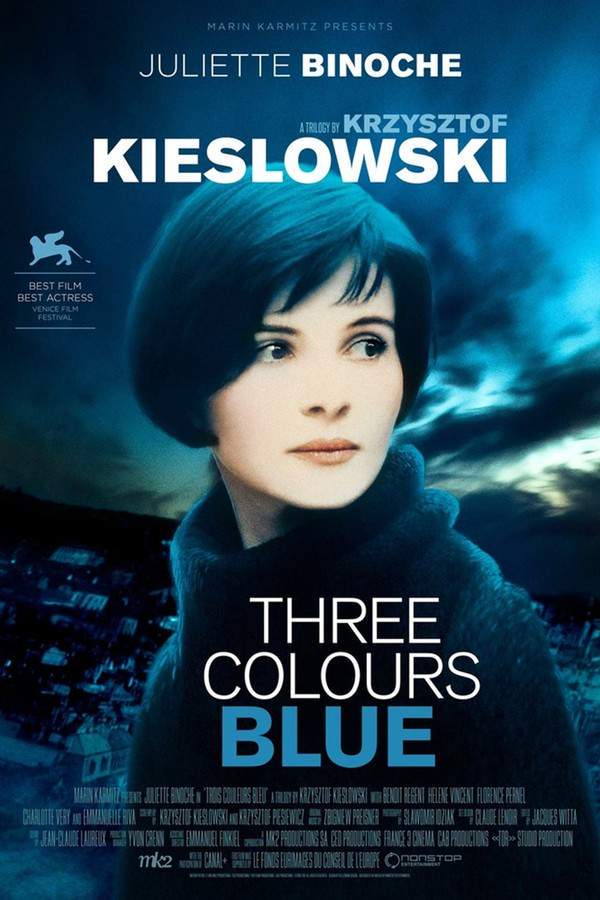








Year: 1993
Runtime: 98 min
Language: French
Director: Krzysztof Kieslowski
Following a tragic accident that claims the lives of her husband and daughter, successful composer Julie experiences profound grief and isolation. She attempts to distance herself from her past and the memories of her family, severing all ties and seeking solace in a new life. This first film in the Three Colors trilogy explores themes of mourning, freedom, and the search for meaning as Julie confronts her pain and slowly begins to rebuild her existence, set against a striking visual style and a memorable musical score.
Warning: spoilers below!
Haven’t seen Three Colors: Blue yet? This summary contains major spoilers. Bookmark the page, watch the movie, and come back for the full breakdown. If you're ready, scroll on and relive the story!
Trace every key event in Three Colors: Blue (1993) with our detailed, chronological timeline. Perfect for unpacking nonlinear stories, spotting hidden connections, and understanding how each scene builds toward the film’s climax. Whether you're revisiting or decoding for the first time, this timeline gives you the full picture.
Last Updated: November 16, 2024 at 18:43
Discover curated groups of movies connected by mood, themes, and story style. Browse collections built around emotion, atmosphere, and narrative focus to easily find films that match what you feel like watching right now.
Stories of profound loss leading to a slow, introspective recovery.If you appreciated the meditative exploration of loss in Three Colors: Blue, this collection features similar movies about grief and trauma recovery. These stories share a slow, melancholic pace, heavy emotional weight, and a focus on the subtle, internal journey back to life after a devastating event.
Narratives in this thread often begin with a defining tragedy that shatters the protagonist's world. The plot then follows a non-heroic, deeply personal journey of avoidance, confrontation, and eventual, fragile acceptance. The conflict is primarily internal, with external events serving as catalysts for emotional progress rather than driving a complex plot.
These films are grouped by their shared commitment to portraying grief authentically, avoiding melodrama for a more contemplative and somber tone. They prioritize mood and character interiority over fast-paced plotting, creating a cohesive viewing experience for those seeking thoughtful, emotionally resonant stories about healing.
Where personal trauma and the creative process become deeply intertwined.For viewers who loved the blend of music, memory, and melancholy in Three Colors: Blue, this section highlights similar movies about artists grappling with trauma. These films often feature a striking aesthetic, a slow pace, and explore how creative work is shaped by profound personal loss and isolation.
The narrative pattern involves an artist who retreats from their work and life due to a crisis. Their journey back to creativity is synonymous with their emotional healing, often involving unfinished work from their past and new relationships that challenge their isolation. The resolution is typically bittersweet, with art serving as a testament to both pain and survival.
These movies share a specific focus on the creative mind under duress. They are united by a melancholic tone, a methodical pace that allows for immersion in the artistic process, and themes of memory, collaboration, and the search for meaning through creation after trauma.
Don't stop at just watching — explore Three Colors: Blue in full detail. From the complete plot summary and scene-by-scene timeline to character breakdowns, thematic analysis, and a deep dive into the ending — every page helps you truly understand what Three Colors: Blue is all about. Plus, discover what's next after the movie.
Read a complete plot summary of Three Colors: Blue, including all key story points, character arcs, and turning points. This in-depth recap is ideal for understanding the narrative structure or reviewing what happened in the movie.
Discover the characters, locations, and core themes that shape Three Colors: Blue. Get insights into symbolic elements, setting significance, and deeper narrative meaning — ideal for thematic analysis and movie breakdowns.
Get a quick, spoiler-free overview of Three Colors: Blue that covers the main plot points and key details without revealing any major twists or spoilers. Perfect for those who want to know what to expect before diving in.
Visit What's After the Movie to explore more about Three Colors: Blue: box office results, cast and crew info, production details, post-credit scenes, and external links — all in one place for movie fans and researchers.
Discover movies like Three Colors: Blue that share similar genres, themes, and storytelling elements. Whether you’re drawn to the atmosphere, character arcs, or plot structure, these curated recommendations will help you explore more films you’ll love.
Three Colors: Blue (1993) Plot Summary & Movie Recap
Three Colors: Blue (1993) Scene-by-Scene Movie Timeline
Three Colors: Blue (1993) Spoiler-Free Summary & Key Flow
Movies Like Three Colors: Blue – Similar Titles You’ll Enjoy
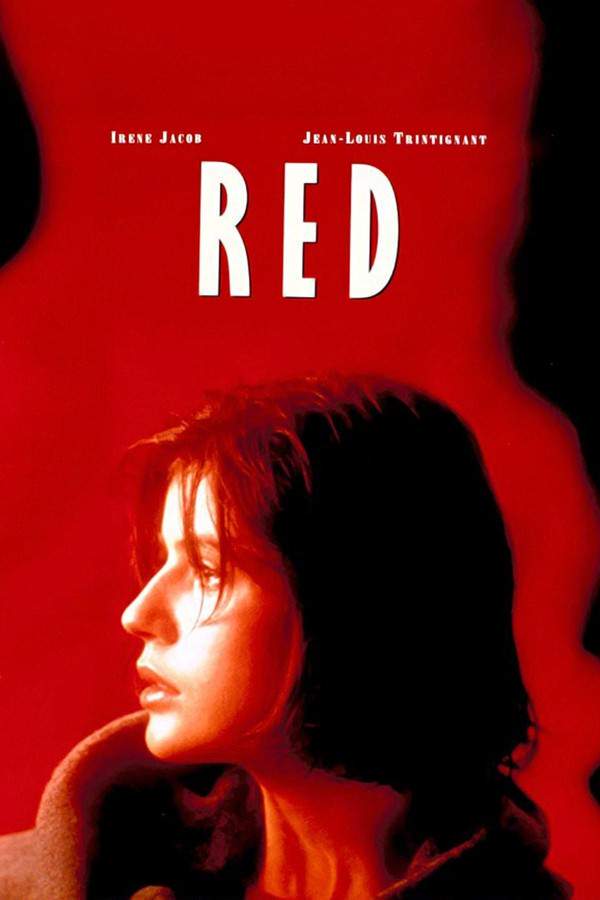
Three Colors: Red (1994) Full Summary & Key Details
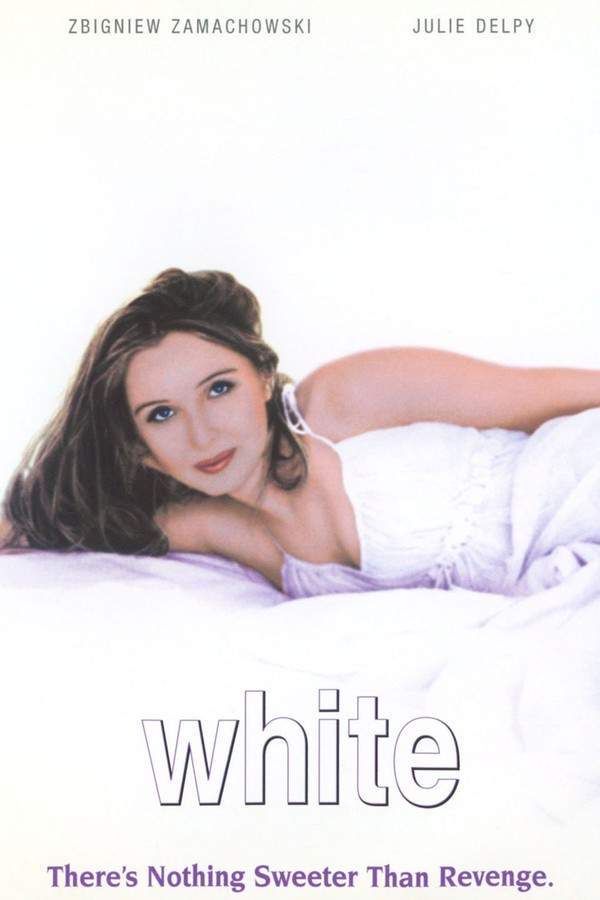
Three Colors: White (1994) Movie Recap & Themes
Three (2016) Movie Recap & Themes
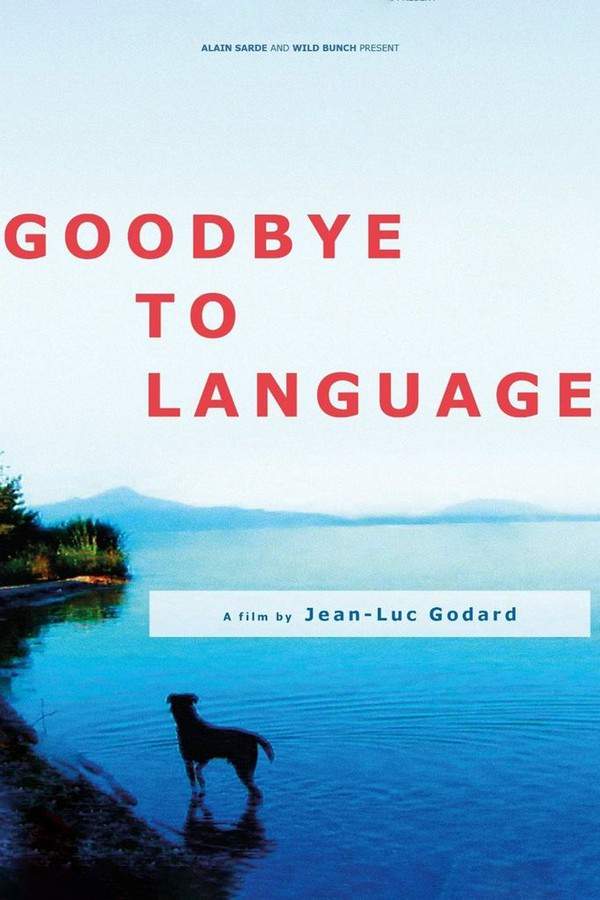
Goodbye to Language 3D (2014) Movie Recap & Themes
Third Person (2014) Movie Recap & Themes
Blue Velvet (1986) Full Movie Breakdown
The Blue Note (1991) Complete Plot Breakdown
Strangulation Blues (1980) Spoiler-Packed Plot Recap
Blue Black Permanent (1992) Movie Recap & Themes
The Woman in Blue (1973) Detailed Story Recap
The Blue Veil (1951) Story Summary & Characters
Blue (1993) Plot Summary & Ending Explained
3 Women (1977) Story Summary & Characters
Miroirs No. 3 (2025) Full Summary & Key Details
The Blue Veil (1942) Spoiler-Packed Plot Recap