Year: 1991
Runtime: 86 mins
Language: English
Director: Rod Daniel
Budget: $22M
The judge sentences slumlord Louie Kritski to six months living in his own dilapidated building. Facing jail, Kritski must endure the rat‑infested, uninhabitable apartments and bring them up to livable standards, confronting his own negligence and the tenants’ squalor.
Warning: spoilers below!
Haven’t seen The Super yet? This summary contains major spoilers. Bookmark the page, watch the movie, and come back for the full breakdown. If you're ready, scroll on and relive the story!
Read the complete plot breakdown of The Super (1991), including all key story events, major twists, and the ending explained in detail. Discover what really happened—and what it all means.
Louie Kritski Joe Pesci is a heartless slumlord who inherited his wealth from a ruthless father, commonly known as “Big Lou” Vincent Gardenia. When a judge threatens prison for letting his New York City tenements fall below code, a second option is put on the table: Louie must move into a vacant apartment within one of his own dilapidated blocks and bring it up to livable standards before the clock runs out.
The sentence effectively acts as house arrest. Louie may only step out for routine exercise, grocery shopping, medical reasons, or essential building repairs. He is prohibited from making any changes to the unit he’s assigned unless every other apartment has already received the same upgrades. The stakes are high: if the building isn’t fully repaired within the allotted time, prison awaits. At the start, Louie digs in his heels, adamant that no repairs will be completed and that his father will pull the strings to pull him out of trouble.
As days turn into weeks, Louie’s hardened stance begins to soften. He encounters the building’s residents, learning about their daily struggles and the small, stubborn hopes that keep them going. Among these neighbors is a young hustler named Marlon Rubén Blades, who moves with grit and street wisdom, and a street-smart boy named Tito. Through conversations on cracked stairways and crowded courtyards, Louie starts to see the human cost of neglect and greed. A shift from self-interest to responsibility gradually takes root, and he starts looking for ways to make a real difference.
One of the first tangible acts of change is a practical gift to the tenants: space heaters that help them endure the brutal winter. It’s a small gesture, but it signals Louie’s commitment to addressing the tenants’ immediate needs rather than merely paying lip service to reform. He also begins to bridge the gap between his own ambitions and the community’s welfare, probing how much of the building actually belongs to the people who live there, not just the owner’s bottom line.
Yet the elder Big Lou remains a stubborn obstacle. He clings to control of the property and resists spending money on improvements, setting up a tense dynamic between father and son. The two men clash over priorities and principles, each defending a worldview that has driven their lives—one built on wealth and power, the other on a rough, but hopeful, sense of justice for those beneath the rent ledger.
A turning point arrives on the basketball court, where Louie and Marlon form a bond grounded in mutual respect and shared games of pickup. The sport becomes a microcosm of the larger struggle: teamwork, trust, and the belief that a community can pull together to rewrite a bleak script. When Big Lou makes a threatening move—literally ready to torch the tenement—an entire building rallies. The tenants converge on the roof, their voices rising in a united stand that supports Louie’s effort and pushes back against the tyranny of neglect.
In a culmination that blends urban renewal with communal solidarity, the building is finally refurbished in full. Marlon steps into a new role as the building’s superintendent, a triumph that marks a concrete change in the lives of everyone who calls the block home. To celebrate, the tenants present Louie with a symbolic gift: his Corvette, once stripped of its parts soon after his arrival, is now fully restored. Louie’s departure is met with a mix of gratitude and guarded pride as he drives away, while a curious, larger figure on the edge of the scene demands to know who stole his car. The tenants point toward the road Louie takes, signaling a new era for the block and its newest ally turned ally-turned-champion.
In the end, the story threads together themes of accountability, community resilience, and redemption. What began as a harsh sentence and a self-serving mission evolves into a shared project of restoration—of buildings, of lives, and of a neighborhood’s sense of dignity. The arc from greed to communal care is quiet but persistent, leaving viewers with a sense that real change comes when people choose to look beyond their own interests and invest in the people around them.
Last Updated: October 09, 2025 at 14:53
Discover curated groups of movies connected by mood, themes, and story style. Browse collections built around emotion, atmosphere, and narrative focus to easily find films that match what you feel like watching right now.
Stories where flawed characters find purpose and change through the people they initially underestimated.If you liked the redemptive journey of The Super, explore more movies where characters find themselves through community. These stories often feature cynical outsiders, urban settings, and a hopeful tone that celebrates personal growth and collective strength.
The narrative typically begins with a self-interested protagonist facing a personal crisis or punishment. Thrust into an unfamiliar or neglected environment, they are initially resistant. Through gradual, steady interactions with a diverse group of people, they shed their prejudices, take responsibility, and ultimately work to improve the community, earning a happy ending.
Movies in this thread are grouped by their shared focus on personal redemption driven by community connection. They share a hopeful tone, a medium emotional weight that balances serious issues with uplifting resolutions, and a steady pacing that allows the character's change to feel earned.
Character-driven stories that blend humor with thoughtful exploration of class and justice in a city.Fans of The Super will enjoy these other movies that mix comedy with a social message in an urban setting. Look for films with a steady pace, a hopeful outlook, and stories about everyday people fighting for justice and community resilience.
Stories in this thread are often set against the backdrop of a city, using a specific neighborhood or building to explore broader themes of class and corporate greed. The plot is straightforward, focusing on a central conflict that pits ordinary people or a reformed antagonist against systemic neglect, resolved through collective action and personal growth.
These films share a specific vibe: a medium-intensity, steady-paced blend of humor and drama set in an urban environment. They are united by a focus on social justice topics, a hopeful and community-focused mood, and a satisfying, happy resolution to the central conflict.
Don't stop at just watching — explore The Super in full detail. From the complete plot summary and scene-by-scene timeline to character breakdowns, thematic analysis, and a deep dive into the ending — every page helps you truly understand what The Super is all about. Plus, discover what's next after the movie.
Track the full timeline of The Super with every major event arranged chronologically. Perfect for decoding non-linear storytelling, flashbacks, or parallel narratives with a clear scene-by-scene breakdown.
Discover the characters, locations, and core themes that shape The Super. Get insights into symbolic elements, setting significance, and deeper narrative meaning — ideal for thematic analysis and movie breakdowns.
Get a quick, spoiler-free overview of The Super that covers the main plot points and key details without revealing any major twists or spoilers. Perfect for those who want to know what to expect before diving in.
Visit What's After the Movie to explore more about The Super: box office results, cast and crew info, production details, post-credit scenes, and external links — all in one place for movie fans and researchers.
Discover movies like The Super that share similar genres, themes, and storytelling elements. Whether you’re drawn to the atmosphere, character arcs, or plot structure, these curated recommendations will help you explore more films you’ll love.
The Super (1991) Scene-by-Scene Movie Timeline
The Super (1991) Movie Characters, Themes & Settings
The Super (1991) Spoiler-Free Summary & Key Flow
Movies Like The Super – Similar Titles You’ll Enjoy
The Landlord (1970) Ending Explained & Film Insights
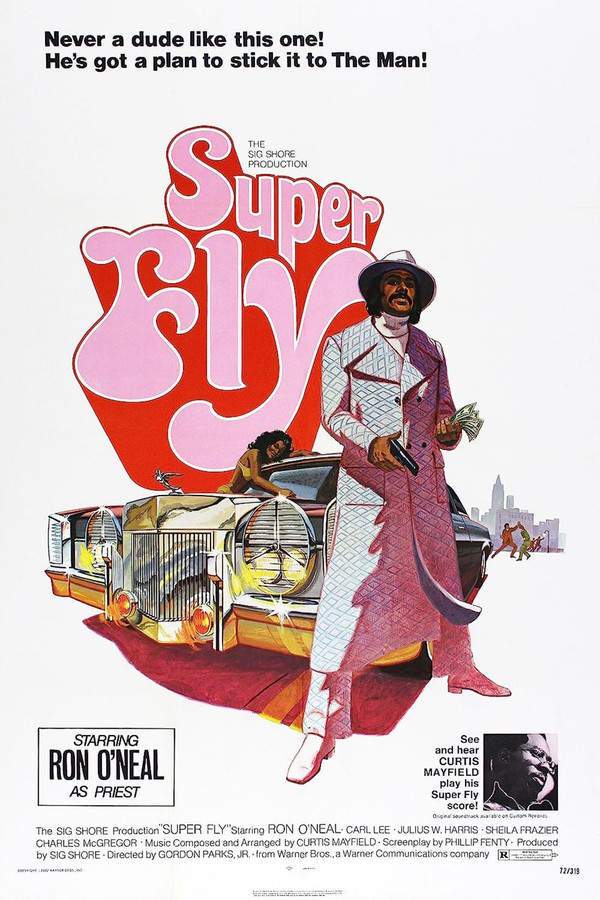
Super Fly (1972) Spoiler-Packed Plot Recap
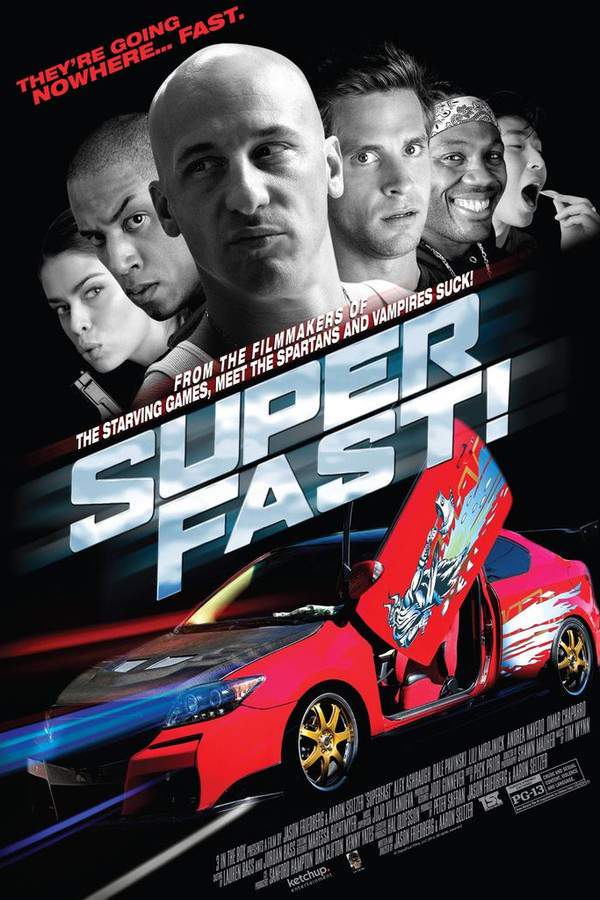
Superfast! (2015) Film Overview & Timeline
How to Beat the High Cost of Living (1980) Full Movie Breakdown
Superproduction (2002) Full Movie Breakdown
Rent Control (1984) Full Summary & Key Details
The Super Gang (1984) Film Overview & Timeline
The Longshot (1986) Full Movie Breakdown
The Judge (1949) Story Summary & Characters
Juvenile Court (1938) Movie Recap & Themes
Listen Judge (1952) Movie Recap & Themes
The Rat Race (1960) Ending Explained & Film Insights
Fast and Furious (1939) Full Movie Breakdown
So You Want an Apartment (1948) Complete Plot Breakdown
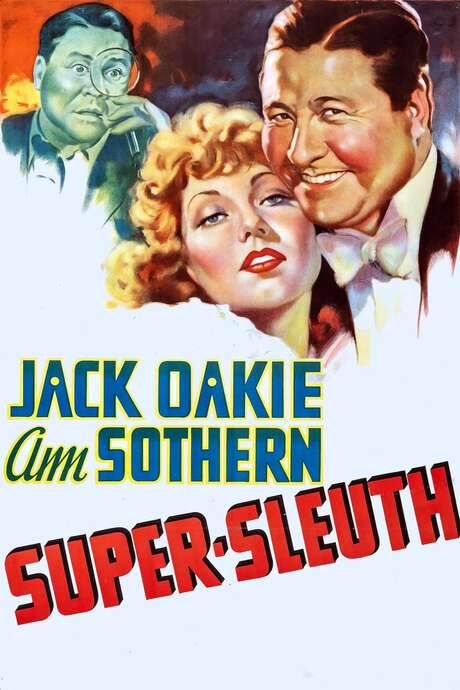
Super-Sleuth (1937) Ending Explained & Film Insights