Plot Explained Spoilers guaranteed!
Plot Explained

Browse by genre

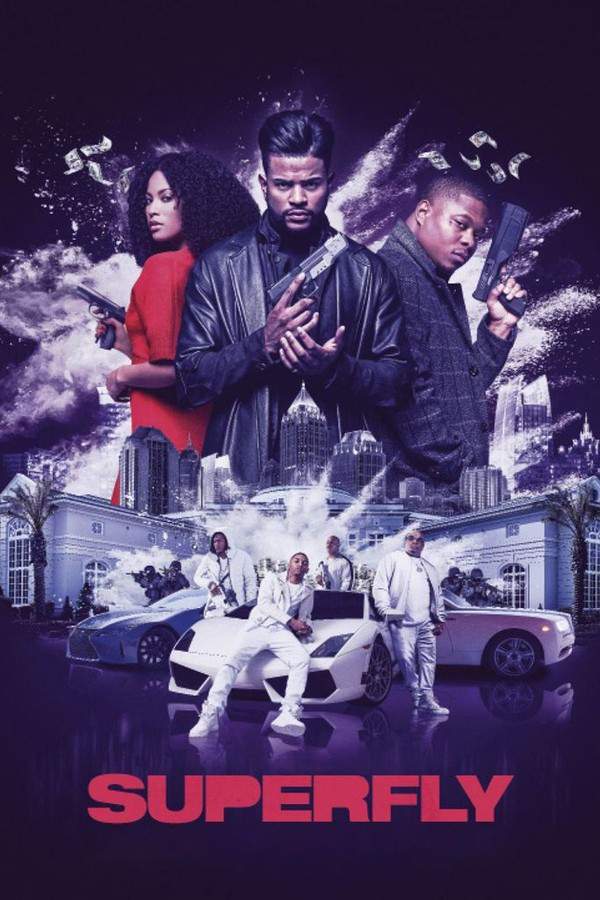
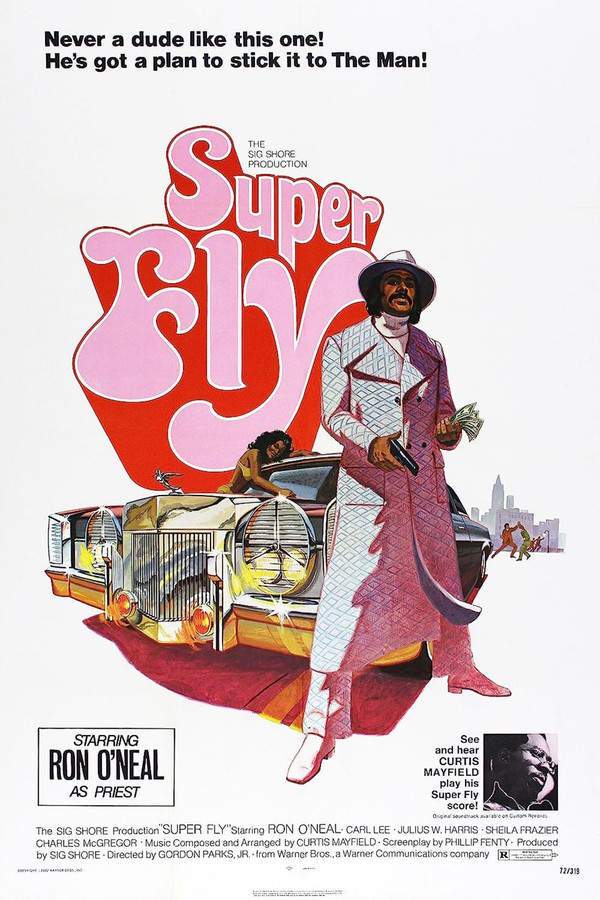
Super Fly (1972) movie poster

Plot Summary

Super Fly (1972) Plot Summary Explained

Release, runtime and language
1972 · 93 min · English
Loading streaming availability…
Directed by
Gordon Parks Jr.
Starring
Carl Lee, Charles McGregor, Henry Shapiro, Julius Harris, K.C., Nate Adams

Priest, a charismatic drug lord, plans a final, lucrative deal to leave the criminal underworld behind. However, a snitch alerts the police, forcing him into a complicated partnership with corrupt narcotics officers. Determined to dismantle his rival and reclaim his freedom, Priest executes a dangerous scheme with high stakes and uncertain outcomes.

On this page (6)
  1. 1 Where to watch
  2. 2 What happens: full plot
  3. 3 Plot questions answered
  4. 4 Movie threads
  5. 5 Movies like Super Fly
  6. 6 Every angle
Loading streaming availability…

Full plot summary · contains spoilers

What Happens in Super Fly: Full Plot Summary

The whole story of Super Fly (1972) explained, from the opening scene to the final frame: every key event, every twist and what it all adds up to. Read it as a quick recap before the sequel, to check a scene you missed, or to finally understand what really happened.

In New York City of the early 1970s, the scene is set amidst a gritty backdrop of desperation; two junkies find themselves in dire need of cash. They stand in the shadow of a run-down building, poised to pounce on their next target. Enter Priest, portrayed by Ron O'Neal, a slender, light-skinned Black man characterized by his stylish relaxed hair and handle-bar mustache. After an intimate moment with his girlfriend, played by Polly Niles, he explains that he has to step out for a "pickup."

Dressed sharply in a designer fedora and a sophisticated long coat, Priest hops into his sleek Cadillac Eldorado—its dark allure and customized features complement his look as he cruises the streets. Little does he know, the junkies await him, ready to pounce. As he enters the building, a violent altercation erupts, culminating in a foot chase with the soundtrack of Curtis Mayfield's electrifying "Junkie Chase."

Back at his place, Priest confronts Fat Freddie, acted by Charles McGregor, a struggling dealer who owes him money. Tensions rise as Priest threatens to exploit Freddie's young wife if the debt isn't settled. Freddie's reluctance to engage in violence highlights the stakes at hand. Meanwhile, Eddie, Priest’s partner played by Carl Lee, is caught up in a world of gambling, oblivious to the gravity of Priest's mission to exit the cocaine trade.

As Freddie fumbles to retrieve money, a sequence of events spirals out of control, painting a grim picture of the drug trade. At Scatter's nightclub, where the music pulses and the atmosphere crackles with energy, Priest devises a scheme to purchase thirty keys of coke, promising that it will lead them to financial freedom. He's convinced that if they can secure this deal, they can finally escape the cycle of addiction and violence.

But the world of drugs is unforgiving. When Freddie's violent outburst leads to dire consequences, it further complicates Priest's plans and deepens his resolve. He confides in his girlfriend, Georgia, played by Sheila Frazier, expressing his aspiration to break free from this dangerous life. However, the lure of the drug empire proves to be a treacherous path.

Just as scattered hints of hope appear, chaos ensues as law enforcement bears down upon Priest. They know about the impending deal and seek to exploit him for protection and profit. In a harrowing encounter with a crime boss, he boldly refuses to be controlled, defiantly asserting his independence even as the stakes rise.

As the narrative unfolds, we see close-ups of the cocaine dealing process—deception, risk, and inevitable violence linger at every corner. Priest, caught between loyalty to Eddie and his longing for freedom, must navigate through a web of deceit.

Ultimately, the climax reveals his antagonistic relationship with authority figures as he confronts the legacy of those who came before him and what it means to truly escape. The tension mounts with the realization that every move he makes may have deadly consequences. As the camera pans toward the horizon over New York City, Priest's journey culminates in both triumph and tragedy, forever marking his place in this stark reality.

Last updated: November 03, 2024 at 21:29

Was this helpful?

Plot questions answered

Super Fly Plot Explained: Your Questions Answered

The questions people ask most about Super Fly (1972): what happens in the confusing scenes, why the characters do what they do, the twists, hidden details and what the ending means. Each answer contains spoilers.

Q1

Why does Priest want to leave the drug trade?

Priest wants to exit the cocaine business because he dreams of a better life. He confides in his girlfriend Georgia about his aspiration to break free from the dangerous cycle of addiction and violence that defines his world. The final deal represents his opportunity to earn enough money to genuinely escape the underworld.

Foreshadowing: Earlier scenes show Priest living in a world of constant danger, from the junkie ambush to confrontations with debts, setting up his desire for escape.

  • priest
  • escape
  • drug trade
  • freedom
  • georgia
Q2

What is Priest's final scheme?

Priest devises a plan to purchase thirty keys of cocaine at Scatter's nightclub. He believes this deal will provide the financial windfall needed to finally leave the drug trade behind. The scheme involves navigating both rival dealers and corrupt police who are aware of the impending transaction.

Foreshadowing: The opening scenes establish Priest's stylish lifestyle and connections, hinting at someone with enough capital and reputation to attempt such a large-scale deal.

  • thirty keys
  • cocaine
  • scatter nightclub
  • deal
Q3

Who alerts the police about Priest's deal?

A snitch informs the police about Priest's impending drug deal. Thistip-off forces Priest into a complicated situation where corrupt narcotics officers attempt to leverage the information for their own profit, trying to manipulate him into becoming their informant.

Foreshadowing: The tension between Priest and authority figures builds throughout the film as he navigates both criminal rivals and law enforcement corruption.

  • snitch
  • police
  • corruption
  • informant
Q4

What happens to Fat Freddie?

Fat Freddie is a struggling dealer who owes Priest money. When Freddie fails to repay the debt, Priest threatens to exploit Freddie's young wife, escalating tensions. Freddie's subsequent violent outburst complicates Priest's plans and contributes to the chain of events that endanger the entire operation.

Foreshadowing: The debt confrontation early in the film establishes the volatile relationships within Priest's organization and foreshadows the violence that erupts.

  • fat freddie
  • debt
  • money
  • threat
Q5

Why does Priest threaten Freddie's wife?

Priest threatens to exploit Freddie's wife as leverage to pressure Freddie into repaying the money he owes. This harsh tactic demonstrates the brutal, exploitative nature of the drug world Priest inhabits, where personal relationships are weaponized for business.

Foreshadowing: This threat reveals Priest's willingness to use extreme measures to maintain control and recover debts, a trait that later creates additional enemies.

  • freddie
  • wife
  • threat
  • debt collection
Q6

How do corrupt police affect Priest's plans?

Once the snitch alerts them about Priest's deal, corrupt narcotics officers attempt to exploit the situation for their own gain. They try to force Priest into becoming their informant, using the knowledge of his operation as leverage. This creates an additional layer of danger beyond his criminal rivals.

Foreshadowing: Law enforcement pressure builds as Priest prepares for the deal, culminating in confrontations that test his independence.

  • corrupt police
  • narcotics
  • extortion
  • informant
Q7

Does Priest succeed in escaping the drug world?

The ending delivers a bittersweet resolution. Priest achieves a form of triumph by defying both his criminal rivals and the corrupt police who try to control him. However, this victory comes at a tragic cost, with losses incurred along the way. His future remains uncertain as he navigates the fine line between escape and destruction.

Foreshadowing: The narrative builds toward climactic decisions where every move carries life-or-death consequences, foreshadowing the costly nature of his freedom.

  • escape
  • freedom
  • success
  • triumph
Q8

What happens to Eddie, Priest's partner?

Eddie is Priest's partner who becomes absorbed in gambling while Priest focuses on his mission to leave the cocaine trade. This difference in priorities creates tension between them. Priest finds himself torn between his loyalty to Eddie and his desire for freedom from the dangerous lifestyle they share.

Foreshadowing: Eddie's distraction and different priorities early in the film hint at the strains in their partnership that will surface as pressures mount.

  • eddie
  • partner
  • gambling
  • loyalty
Q9

Why is the ending considered bittersweet?

The ending combines elements of both triumph and tragedy. While Priest manages to assert his independence against both rival criminals and corrupt authorities, he pays a significant price for that freedom. The bittersweet conclusion reflects the harsh reality of the drug-infested streets where escape often comes at devastating personal cost.

Foreshadowing: Throughout the film, the constant threat of violence and the legacy of destruction that surrounds Priest foreshadow that any victory will be marred by loss.

  • ending
  • bittersweet
  • triumph
  • tragedy
  • loss
Q10

Why does Priest refuse to be controlled by the crime boss?

When confronted by a crime boss who tries to control him, Priest defiantly asserts his independence. This stand represents his deeper desire to escape the hierarchical power structure of the drug world entirely, not just complete one more deal. His refusal to be manipulated underscores his determination to finally break free from all forms of coercion.

Foreshadowing: The confrontation reflects the accumulating pressures from multiple fronts that push Priest toward his climactic decision.

  • crime boss
  • independence
  • defiance
  • control

Movie threads

More Movies Like Super Fly, by Mood & Story

Curated lists built around what makes Super Fly tick: the same mood, the same kind of story or the same emotional payoff. Each list explains why these movies belong together.

Movies about a final big score like Super Fly

A charismatic anti-hero plots one last dangerous job to escape their life. For fans of movies like Super Fly, this thread collects stylish crime thrillers where a charismatic anti-hero plans a final, high-stakes job to escape the underworld. These stories are defined by tension, urban grit, and the desperate ambition of a protagonist betting everything on one last deal.

  • tense
  • stylish
  • gritty
  • desperate
  • high stakes
  • urban
  • Tone: tense, gritty, defiant
  • Pacing: steady, high stakes
Why these movies?

The story pattern: The narrative typically centers on a single, complex goal: the 'final score'. The plot is driven by the meticulous planning and execution of this plan, which is constantly threatened by external forces like corrupt officials, treacherous partners, and rival factions, creating a steady march towards a climactic confrontation.

Why they belong together: These films are grouped together because they share a specific character archetype and plot structure, combined with a tense, high-energy atmosphere. The appeal lies in watching a professional at the top of their game navigate immense pressure, blending cool style with desperate circumstances.

Gritty urban corruption dramas like Super Fly

Stories set in oppressive cities where the heroes and villains are equally corrupt. If you liked the portrayal of a corrupt system in Super Fly, this thread finds similar movies set in gritty cities where the lines between law and crime are blurred. These films explore survival in an oppressive world, often with a heavy emotional weight and a confrontational tone.

  • gritty
  • oppressive
  • anxious
  • confrontational
  • bleak
  • urban decay
  • Tone: bleak, tense, oppressive
  • Pacing: steady, deliberate
Why these movies?

The story pattern: The narrative explores how individuals navigate a world where the institutions meant to provide order are fundamentally broken. The protagonist's journey is less about traditional heroism and more about outmaneuvering a corrupt system from within, leading to conflicts where there are no truly good options, only varying degrees of compromise and loss.

Why they belong together: These films are grouped by their shared setting and central theme: the omnipresence of corruption. They create a cohesive vibe through their gritty aesthetic, oppressive atmosphere, and focus on characters making difficult choices for survival in a world that offers no easy escapes.

If you liked this

Movies Like Super Fly

Similar movies to Super Fly: the same genre, themes or kind of story. Each one comes with its own plot summary, timeline and ending explained.

Browse all movie summaries

Every angle

Super Fly (1972) Explained: Plot, Timeline & Characters

Everything about Super Fly in one place: what happens in the plot summary, the timeline in chronological order, the characters and meaning and a spoiler-free summary. What's After the Movie adds the cast, box office and post-credit scenes.

Coming soon on iOS and Android

The Plot Explained Movie Summary App

Plot summaries, endings explained and timelines on your phone. Catch up on any movie in minutes, save your favorites and never miss a twist again.

Be the first to know when we launch. Your email stays private, always.

Learn more about the app