
The Phantom of the Opera
Year: 1988
Runtime: 49 mins
Language: English
Directors: Al Guest, Jean Mathieson
This animated adaptation of Gaston Leroux’s classic tale follows Christine, who suddenly becomes arrogant after landing the lead role in a new opera. A mysterious, masked Phantom haunts the theatre, isolating her from other men and seeking vengeance, yet his cruel actions mask a tragic past of childhood torment.
Warning: spoilers below!
Haven’t seen The Phantom of the Opera yet? This summary contains major spoilers. Bookmark the page, watch the movie, and come back for the full breakdown. If you're ready, scroll on and relive the story!
Timeline – The Phantom of the Opera (1988)
Trace every key event in The Phantom of the Opera (1988) with our detailed, chronological timeline. Perfect for unpacking nonlinear stories, spotting hidden connections, and understanding how each scene builds toward the film’s climax. Whether you're revisiting or decoding for the first time, this timeline gives you the full picture.
Last updated: October 09, 2025 at 14:35
The Phantom of the Opera (1988) Timeline Questions Answered – Chronology FAQ
Find frequently asked questions about the The Phantom of the Opera (1988) timeline, including chronological order, nonlinear jumps, cause-and-effect links, and scene sequence clarifications. This timeline FAQ helps explain when key events happen, how moments connect, and why the story unfolds in that specific order.
Why does the Phantom choose Christine specifically?
The Phantom, Erik Destler, chooses Christine because she discovers and performs his forbidden opera score, Don Juan Triumphant. The music is intrinsically tied to his magical curse and immortality, only someone who can truly sing it with emotional depth can serve as his vessel for musical immortality. Her talent reminds him of his own lost potential, and he manipulates her by claiming to be a spiritual guide sent by her deceased father.
Earlier, when Christine sings from the parchment, blood seeps from the notes, foreshadowing the deadly connection between the music and the Phantom.
How does Christine end up in 1885?
Christine is transported to 1885 when she performs Don Juan Triumphant at her audition in present-day Manhattan. The music itself acts as a conduit through time, pulling her into a recreated historical London where the Phantom can rewrite his story. The time jump occurs during the sandbag accident that knocks her unconscious, serving as the literal transition point between eras.
The blood illusion that appears when Christine first sings from the parchment signals the supernatural, cursed nature of the music.
Why did Erik Destler make a deal with the Devil?
Destler sold his soul to the Devil out of desperation for fame and adoration. As a composer, he craved the public's love for his music. The Devil granted his wish but punished him with a disfigured face, ensuring people would love only his art, not him personally. This tragic bargain explains his obsession with immortality through music and his resentment toward audiences who appreciate his work without knowing his suffering.
The flashback occurs during the Faust performance on stage, connecting Destler's personal deal to the theatrical narrative about selling one's soul.
Why does the Phantom skin his victims?
The Phantom skins his victims to create synthetic masks that conceal his own disfigured face. By wearing the faces of those he kills, he can move through society undetected. Inspector Hawkins reveals that Destler has used the opera house's catacombs for decades, maintaining a collection of stolen faces to maintain his disguise and escape detection.
The discovery of Joseph's skinned but still-living body in Carlotta's closet directly demonstrates this horrifying practice.
Why does Christine agree to go with the Phantom after visiting her father's grave?
Christine agrees to follow Destler because he appears at her father's grave and offers her something irresistible: the promise of musical immortality. He poses as a pathway to achieving the greatness she always wanted, using her desire for artistic perfection against her. Additionally, his manipulation through the fake spiritual connection to her deceased father weakens her resistance.
Destler has been building this relationship since the beginning, claiming to be an angel sent by her father to guide her musical development.
Why does the Phantom kill the critic E.A. Harrison?
The Phantom kills E.A. Harrison because the critic publishes a scathing review of Christine's performance, arranged by theatre owner Martin Barton to protect Carlotta's status. Harrison refuses to recant his negative review even when confronted directly, so Destler murders him at a Turkish spa. This elimination removes an obstacle to Christine's rise as a star and demonstrates the Phantom's willingness to kill anyone who threatens his plans.
Barton's scheme to use the review to undermine Christine was established earlier, making Harrison's death a direct consequence of that plot.
How is Mr. Foster connected to the Phantom?
Mr. Foster is Erik Destler himself, disguised as a theatre producer in present-day Manhattan. After Christine escapes back to her own time and destroys the Don Juan Triumphant score in the sewers, Destler survives and adopts the identity of Mr. Foster to continue pursuing her. He maintains his collection of synthetic skin in a lab and wears a mask to hide his disfigured face, allowing him to operate in the modern world undetected.
The ending twist is set up by Destler's demonstrated ability to wear others' faces and his obsession with Christine, which would drive him to follow her through time.
What makes the Don Juan Triumphant score so dangerous?
Don Juan Triumphant is dangerous because it is the conduit for the Phantom's curse and immortality. The score contains the lyrics and music that bind Destler to his dark powers, and destroying it is the only way to weaken him. The legend states that destroying the music itself might be the only way to kill the Phantom. The score also serves as the mechanism for time travel, pulling anyone who performs it into Destler's recreated 1885 London.
The blood that appears on the parchment when Christine first sings from it signals the cursed, supernatural nature of the music.
Why does Christine attack Mr. Foster at the end?
Christine attacks Mr. Foster when she discovers his true identity as the Phantom beneath his mask. After he tries to seduce her with charm and the Don Juan Triumphant music in his apartment, she sees through his disguise, rips off his mask revealing his disfigured face, stabs him with a knife, and escapes with the score. This violent rejection represents her final break from his manipulation and her reclaiming of agency.
The entire narrative has been building toward Christine's defiance of the Phantom, culminating in her earlier choices to fight back rather than submit.
What happens to Christine's fiancé Richard?
Richard Dutton is killed during the climactic rescue attempt in the Phantom's lair. He and Inspector Hawkins pursue Destler through the sewers to save Christine, but Richard is fatally stabbed and set aflame by the Phantom in the confrontation. His death is swift and brutal, occurring just as rescue seems imminent, leaving Christine devastated by the loss.
Richard's earlier attempts to meet Christine's mysterious teacher and his determination to save her establish his role as the heroic rival to the Phantom.
How does Christine return to the present day?
Christine returns to the present by destroying the Phantom's lair with fire and pushing a burning candle holder through a mirror, which creates the portal back to her own time. The mirror that initially transported her to 1885 becomes the mechanism for escape when she breaks the cycle by destroying the space itself. As the lair collapses around them, she passes through the mirror and hears Destler's echoing scream as she returns.
The mirror was established as the transition point when she first arrived in 1885, making its destruction the logical reverse passage.
What does the ending imply about the Phantom's defeat?
The ending is bittersweet because while Christine destroys the Don Juan Triumphant score and escapes Destler's immediate grip, the Phantom may still return. The final scene shows a street violinist playing the Don Juan Triumphant theme, suggesting the musical curse persists. Christine walks away resolute, but the lingering melody implies Destler's evil and the haunting power of his music remain potential threats, making her victory qualified and somber.
Throughout the film, the music has been established as the source of the Phantom's power, and destroying it weakens but may not permanently destroy him.

Explore Movie Threads
Discover curated groups of movies connected by mood, themes, and story style. Browse collections built around emotion, atmosphere, and narrative focus to easily find films that match what you feel like watching right now.
Gothic horror movies with tragic villains like The Phantom of the Opera
Stories where a menacing, supernatural threat is shadowed by a profound tragedy.Explore movies like The Phantom of the Opera that feature a terrifying, often supernatural antagonist whose evil actions are rooted in a heartbreaking history. These stories combine gothic atmosphere, psychological tension, and a bittersweet understanding of the villain.
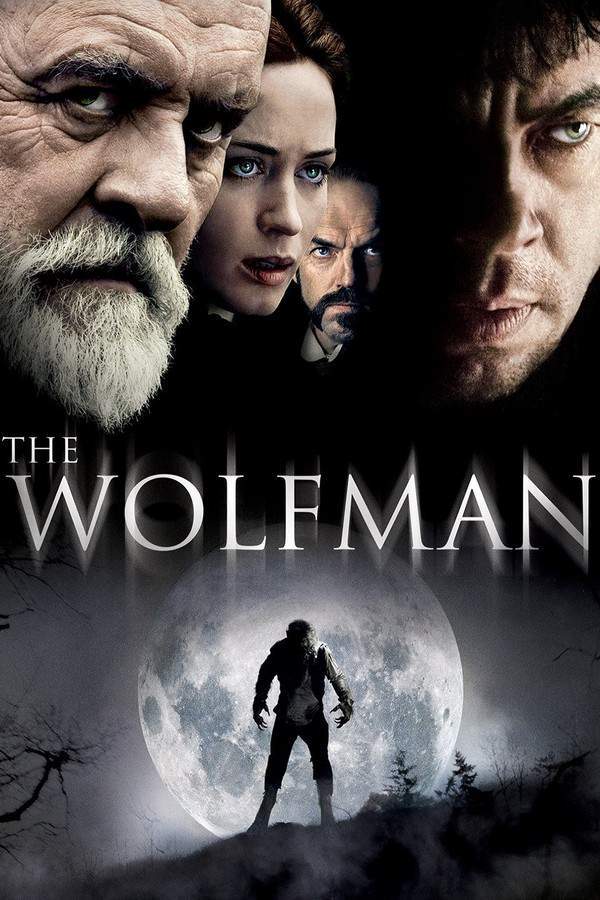
The Wolfman
2010

Dracula’s Widow
1988

1920: Horrors of the Heart
2023
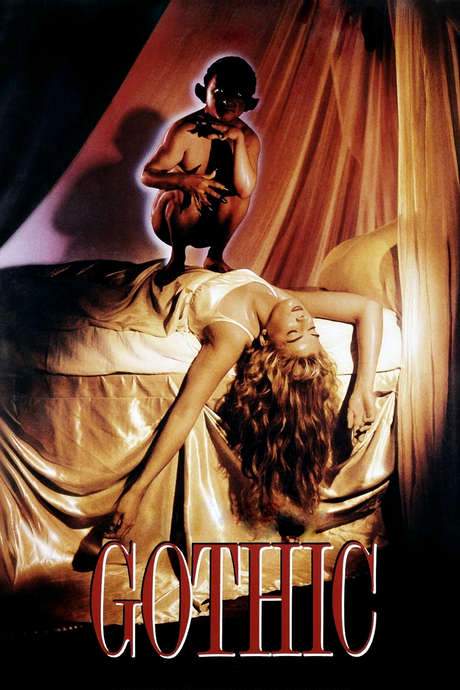
Gothic
1986

The Phantom of the Opera
1962

The Ghoul
1975

The Black Torment
1964

The Gorgon
1964

Night of Dark Shadows
1971
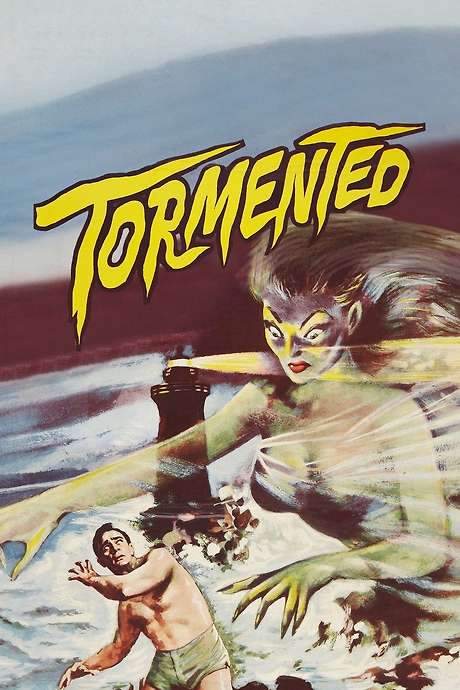
Tormented
1960

Taste the Blood of Dracula
1970

House of Dark Shadows
1970

Mr. Sardonicus
1961

The Terror
1963

Condemned to Live
1935
Narrative Summary
Narratives in this thread often involve a protagonist being stalked or tormented by a powerful figure within an isolated, gothic environment. The central conflict deepens as the villain's tragic origins are unveiled, creating a complex dynamic where fear is mingled with pity.
Why These Movies?
These movies are grouped by their shared high-intensity, dark tone, and the specific archetype of the tragic monster. They create a unique emotional mix of dread and sorrow, set against a backdrop of dramatic, often theatrical, horror.
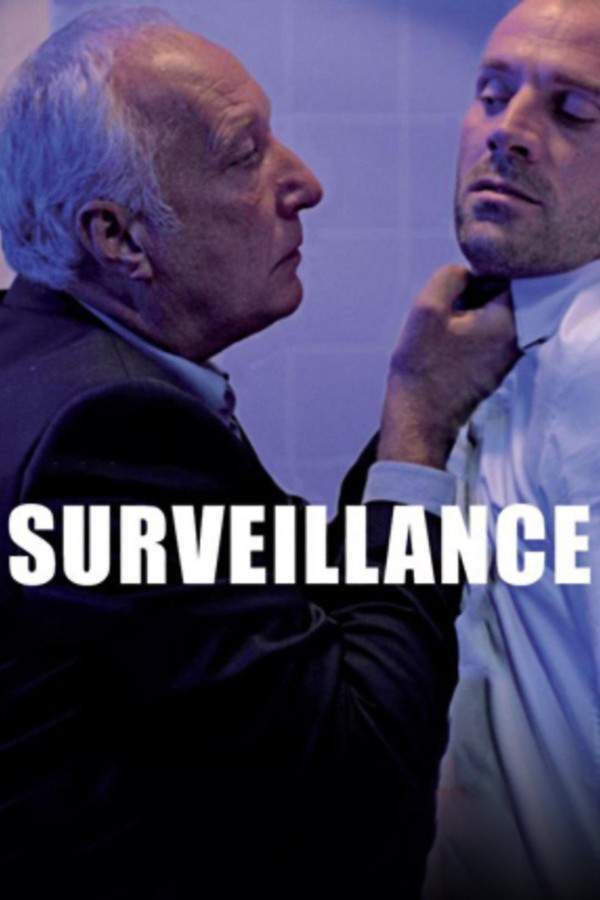
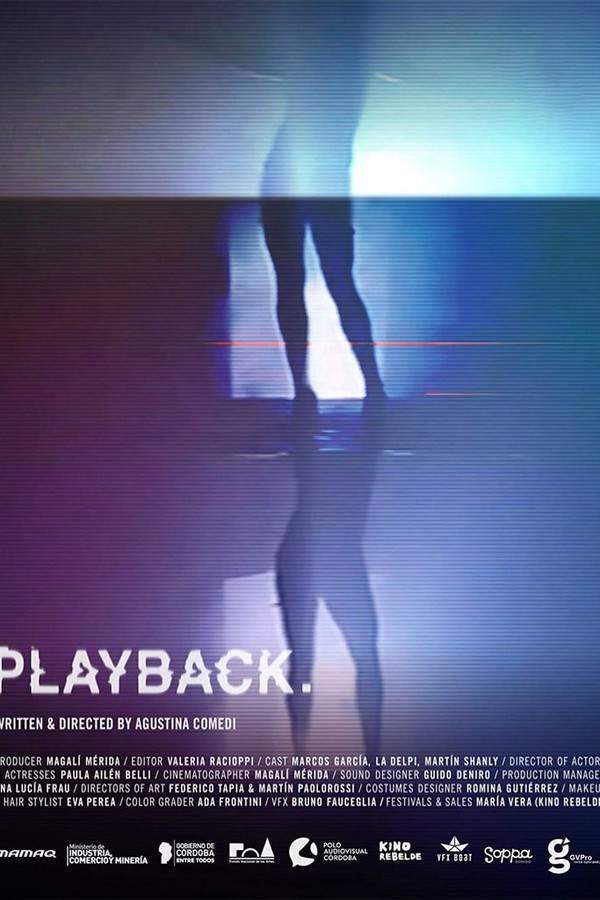
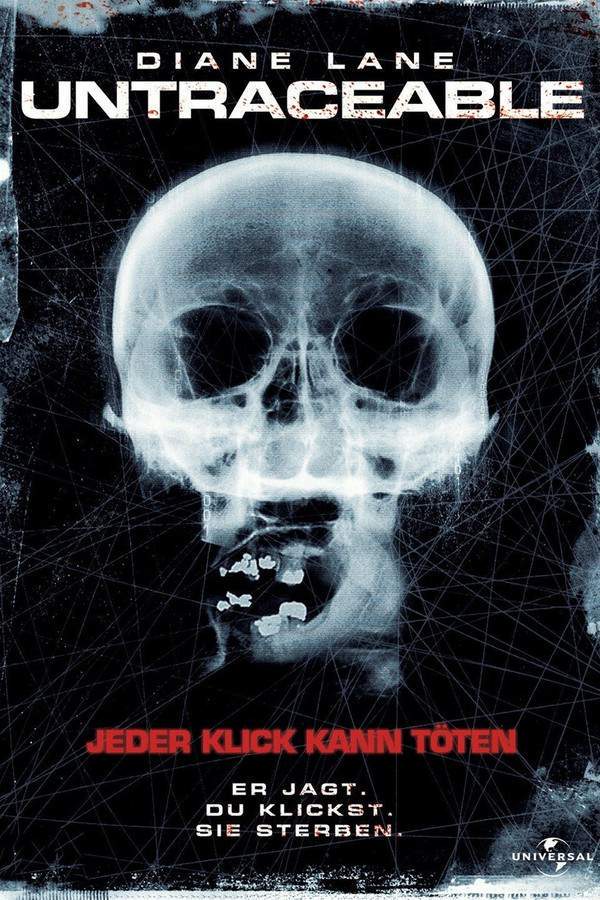
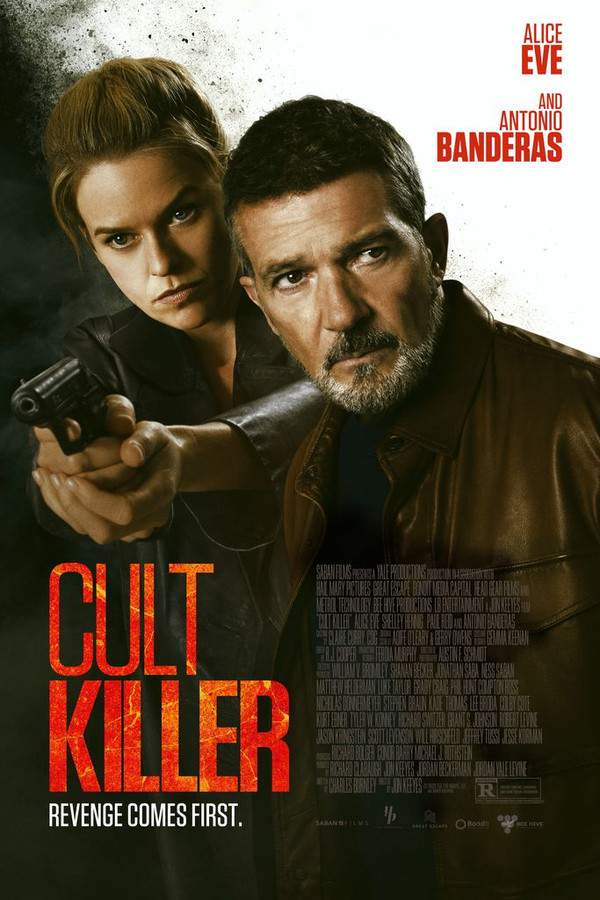
Movies about obsessive stalkers and captivity like The Phantom of the Opera
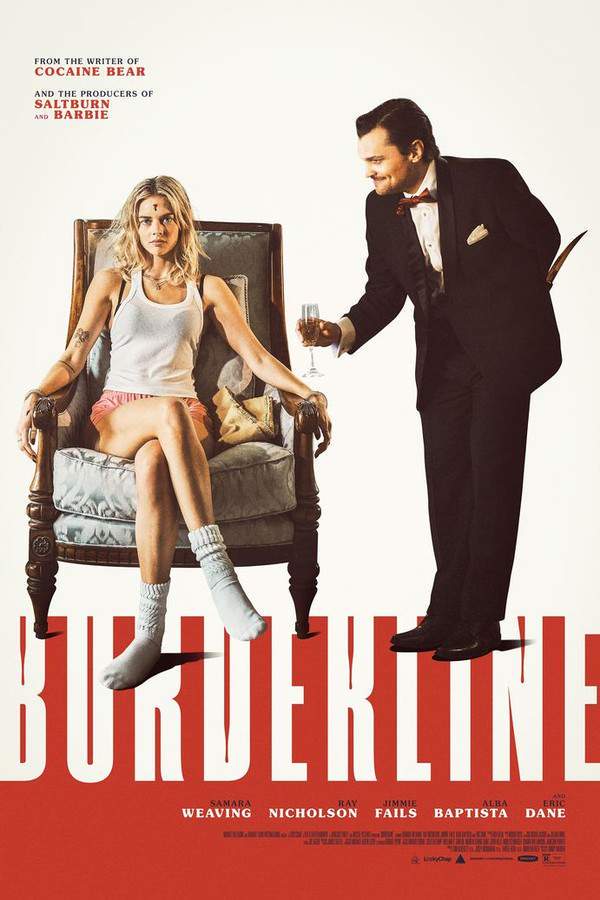
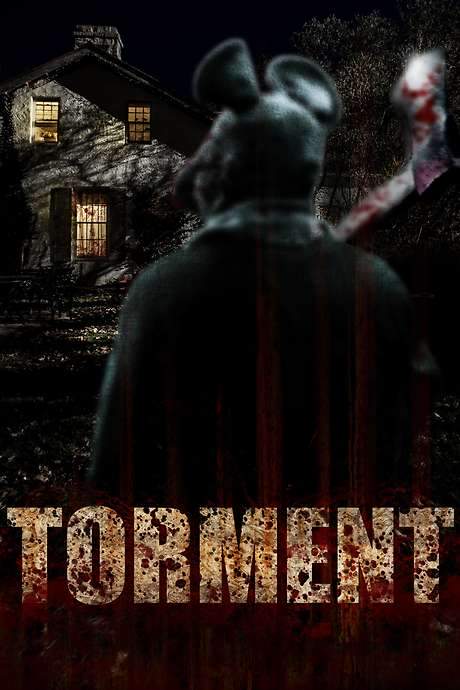
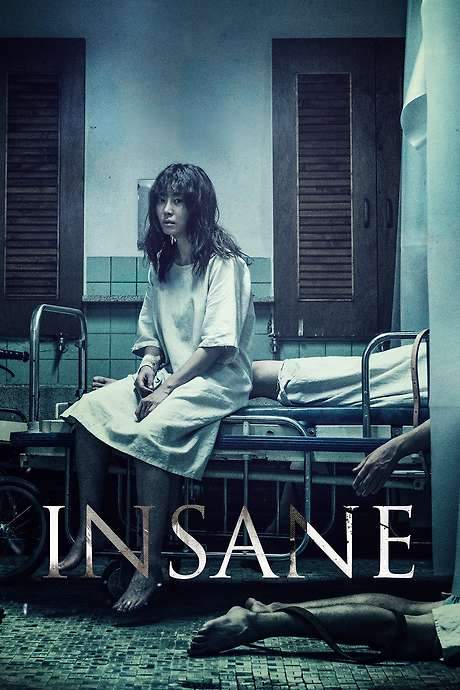
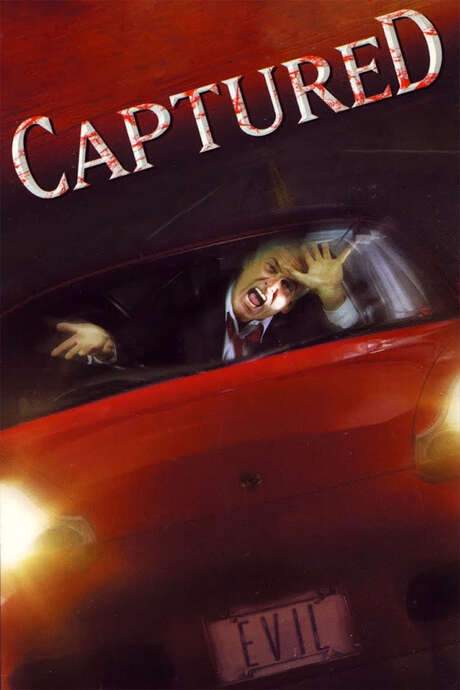
Thrillers about characters trapped by the fixation of a dangerous individual.If you liked the dynamic of obsession and control in The Phantom of the Opera, discover more movies where a character is psychologically and physically trapped by a stalker's fixation. These are fast-paced, dark thrillers with heavy emotional weight.




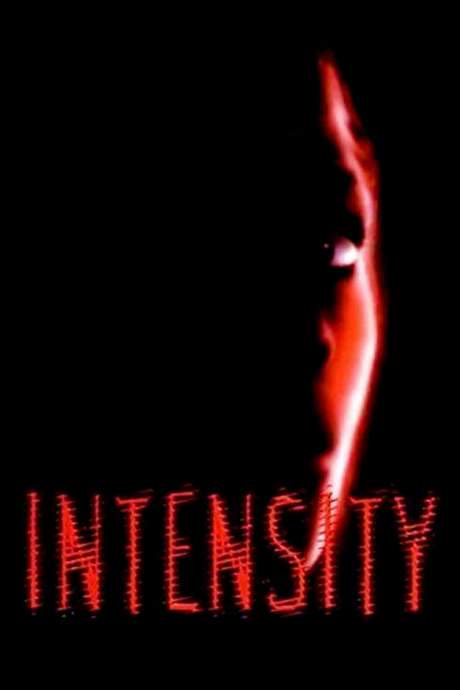
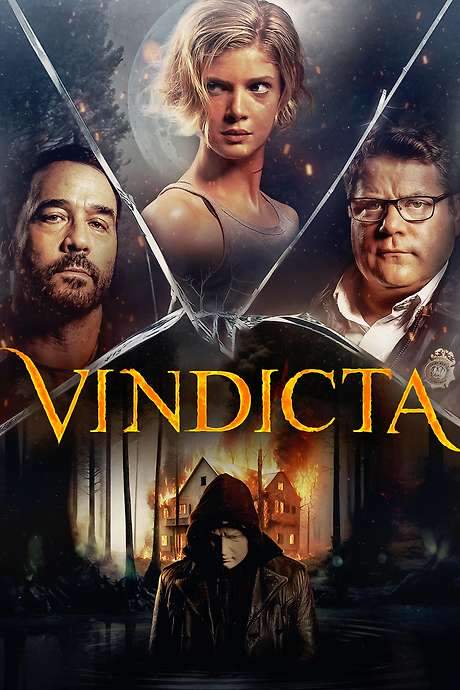
Narrative Summary
The narrative pattern involves a protagonist being isolated and controlled by an obsessed antagonist who uses manipulation and threat to enforce their will. The story is a high-stakes battle of wits and survival, often leading to a destructive confrontation.
Why These Movies?
They share a core theme of dangerous obsession, a dark tone, and a high level of psychological tension. The experience is defined by a sense of claustrophobic dread and the intense emotional weight of being a target.
Unlock the Full Story of The Phantom of the Opera
Don't stop at just watching - explore The Phantom of the Opera in full detail. From the complete plot summary and scene-by-scene timeline to character breakdowns, thematic analysis, and a deep dive into the ending - every page helps you truly understand what The Phantom of the Opera is all about. Plus, discover what's next after the movie.
The Phantom of the Opera Summary
Read a complete plot summary of The Phantom of the Opera, including all key story points, character arcs, and turning points. This in-depth recap is ideal for understanding the narrative structure or reviewing what happened in the movie.

Characters, Settings & Themes in The Phantom of the Opera
Discover the characters, locations, and core themes that shape The Phantom of the Opera. Get insights into symbolic elements, setting significance, and deeper narrative meaning - ideal for thematic analysis and movie breakdowns.


Similar Movies to The Phantom of the Opera
Discover movies like The Phantom of the Opera that share similar genres, themes, and storytelling elements. Whether you’re drawn to the atmosphere, character arcs, or plot structure, these curated recommendations will help you explore more films you’ll love.
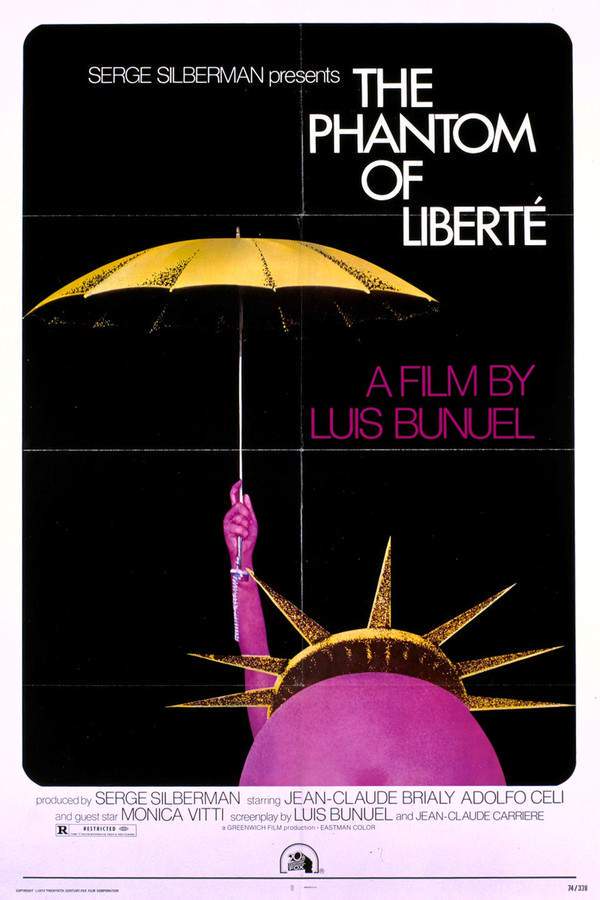
The Phantom of Liberty (re-release)
2002
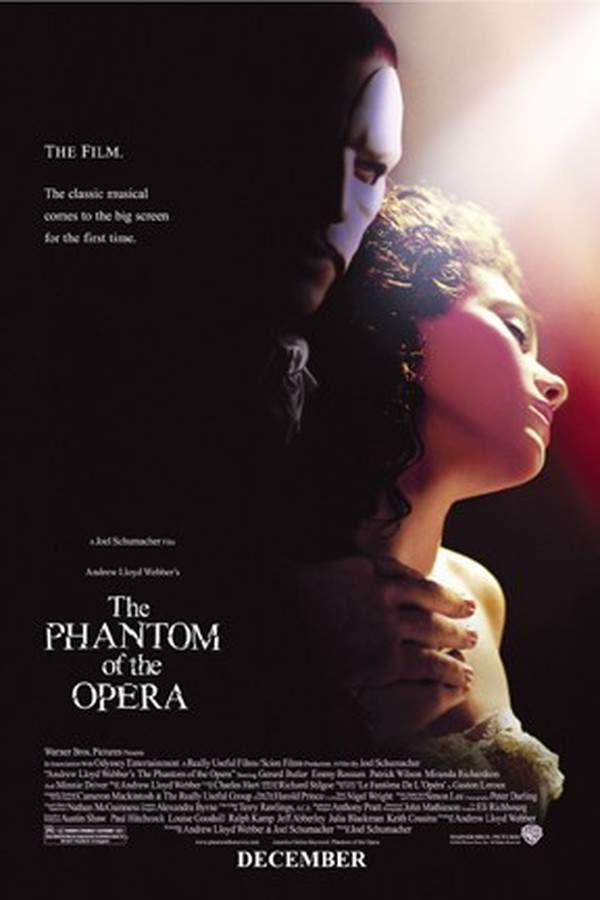
The Phantom of the Opera
2004
Phantom of the Paradise
1974

The Phantom of the Opera
1000

Phantom of the Opera: Behind the Mask
2006

The Phantom of the Opera
1983

The Phantom of the Opera
1916

The Phantom of the Opera
1991

The Phantom of Paris
1931

Phantom
1922

Cherche Le Phantom
1968

Song at Midnight
1937

The Phantom Baron
1943

The Phantom of the Moulin-Rouge
1925

The Phantom of the Opera
1925
Explore More About Movie The Phantom of the Opera
The Phantom of the Opera (1988) Plot Summary & Movie Recap
The Phantom of the Opera (1988) Scene-by-Scene Movie Timeline
The Phantom of the Opera (1988) Spoiler-Free Summary & Key Flow
Movies Like The Phantom of the Opera – Similar Titles You’ll Enjoy
The Phantom of Liberty (re-release) (2002) Story Summary & Characters
The Phantom of the Opera (2004) Plot Summary & Ending Explained
Phantom of the Paradise (1974) Full Summary & Key Details
The Phantom of the Opera (1000) Spoiler-Packed Plot Recap
Phantom of the Opera: Behind the Mask (2006) Movie Recap & Themes
The Phantom of the Opera (1983) Full Movie Breakdown
The Phantom of the Opera (1916) Full Movie Breakdown
The Phantom of the Opera (1991) Ending Explained & Film Insights
The Phantom of Paris (1931) Full Movie Breakdown
Phantom (1922) Plot Summary & Ending Explained
Cherche Le Phantom (1968) Complete Plot Breakdown
Song at Midnight (1937) Full Summary & Key Details
The Phantom Baron (1943) Spoiler-Packed Plot Recap
The Phantom of the Moulin-Rouge (1925) Full Movie Breakdown
The Phantom of the Opera (1925) Story Summary & Characters