Plot Explained Spoilers guaranteed!
Plot Explained

Browse by genre

The Mercy (2018) movie poster

Plot Summary

The Mercy (2018) Plot Summary Explained

Release, runtime and language
2018 · 112 min · English
Echo score 55
JustWatch #2,695 26
Directed by
James Marsh
Starring
Rachel Weisz, David Thewlis, Mark Gatiss, Simon McBurney, Colin Firth, Ken Stott
Budget
$18M

Driven by a desire for recognition, yachtsman Donald Crowhurst enters the 1968 Golden Globe Race. However, as his boat proves ill-equipped for the challenge, his hopes of victory quickly fade. Facing public humiliation, he makes the startling decision to fabricate his progress, spinning an elaborate fiction to deceive the world and desperately clinging to the illusion of success. The situation spirals into a poignant and increasingly unsettling psychological drama.

On this page (6)
  1. 1 Where to watch
  2. 2 What happens: full plot
  3. 3 Plot questions answered
  4. 4 Movie threads
  5. 5 Movies like The Mercy
  6. 6 Every angle

Where to watch

Where to Watch The Mercy (2018)

Where can you watch The Mercy? Stream, rent or buy it in the US, including on Amazon Prime Video, fuboTV and Amazon MX Player: current JustWatch availability with up-to-date prices.

Streaming availability powered by JustWatch

Full plot summary · contains spoilers

What Happens in The Mercy: Full Plot Summary

The whole story of The Mercy (2018) explained, from the opening scene to the final frame: every key event, every twist and what it all adds up to. Read it as a quick recap before the sequel, to check a scene you missed, or to finally understand what really happened.

In 1968, a year of significant upheaval, English entrepreneur Donald Crowhurst embarked on an ambitious journey to conquer the Sunday Times Golden Globe Race—a solo circumnavigation of the globe. This daring venture was driven by his desire to provide a better life for his wife, Clare, and their children, as he yearned for both personal fulfillment and financial security. Despite his status as an amateur sailor, Crowhurst was convinced that he could achieve greatness with his state-of-the-art trimaran, the Teignmouth Electron, believing that modern technology and sheer willpower would be the keys to securing his family's future.

However, as the pressures of mounting delays and expenses grew, his primary sponsor, Stanley Best, became increasingly anxious about Crowhurst's progress. In a desperate attempt to maintain support, the distressed sailor signed promissory notes pledging his home and company as collateral. Setting sail, Crowhurst's voyage soon morphed into a grueling test of not just his sailing skills but also his emotional endurance.

While battling the unforgiving nature of the open seas, Crowhurst diligently crafted an illusion of confidence to share with both his family and his press agent. The reality, however, was far more daunting as he faced the crushing weight of financial burdens, perilous nautical challenges, and the haunting isolation that accompanied solo sailing. The film beautifully juxtaposes Crowhurst's challenging maritime journey with the struggles Clare faces at home as she tries to maintain a semblance of normality despite the whirlwind of uncertainty.

As his boat suffered damages, Crowhurst was thrust into a tough decision: should he abandon the race or risk everything to complete it? To conceal the truth from the public and the press, he started fabricating his coordinates and exaggerating his daily achievements. This charade continued for months, feeding the media's frenzy for updates about the race. Meanwhile, as the race came to a close, [Robin Knox Johnston] emerged as the first to finish, leaving Crowhurst as the last remaining competitor.

Feeling the burden of his lies weigh heavily on him, Crowhurst faced a profound internal struggle as he sought to balance his desire to finish the race with the ever-growing fear of being caught in his deception. As he realized that his only competitor had also withdrawn from the race, a paralyzing guilt and the fear of exposure began to engulf him. The psychological pressure drove him into a spiral of hallucinations, where he envisioned the comforting presence of Clare, ultimately confessing his overwhelming burden in a desperate plea for solace. His mental decline mirrored his physical deterioration, and he became increasingly oblivious to his self-neglect while obsessively managing the radio equipment. His boat drifted quietly, becoming a powerful emblem of his forsaken hopes.

As the world anxiously awaited his return, Crowhurst's grip on reality slipped away, leaving him trapped in a situation spiraling beyond his control. Ultimately, he came to a chilling conclusion—that returning home was no longer an option. In this bleak moment, he resolved to escape the dreadful consequences of his own actions. Authorities later discovered his abandoned vessel, but the mystery of his fate persisted—did he plunge into the abyss, or did he succumb to the relentless seas?

In the end, Crowhurst wasn't claimed by the ocean but rather by the overwhelming burden of deception he had created. The concluding credits reveal a haunting reality: Crowhurst's lifeless body was never recovered, and he drifted at sea for seven long months, covering a staggering 13,000 miles. In an extraordinary act of compassion, [Robin Knox-Johnston] donated his prize earnings to Crowhurst's grieving family, showcasing the lasting impact of human kindness in the face of adversity.

Last updated: November 22, 2024 at 15:43

Was this helpful?

Plot questions answered

The Mercy Plot Explained: Your Questions Answered

The questions people ask most about The Mercy (2018): what happens in the confusing scenes, why the characters do what they do, the twists, hidden details and what the ending means. Each answer contains spoilers.

Q1

Why did Donald Crowhurst start fabricating his coordinates during the race?

Crowhurst began fabricating his coordinates because his boat, the Teignmouth Electron, was ill-equipped for the harsh conditions of solo circumnavigation. As he fell behind schedule and faced mounting pressure from his sponsor Stanley Best, who demanded progress, Crowhurst feared public humiliation. Rather than admitting failure, he chose to create a false narrative of success by exaggerating his position and daily achievements, hoping to maintain the illusion of competitiveness until he could find a way out.

  • donald crowhurst
  • fake coordinates
  • fabricated position
  • deception
  • golden globe race
Q2

Why didn't Donald Crowhurst just abandon the race when he realized he couldn't win?

Crowhurst couldn't abandon the race because he had signed promissory notes pledging his home and company as collateral to secure sponsor support. Returning home in failure would mean facing financial ruin and public shame. Additionally, by the time he realized his predicament, he had already been broadcasting false progress for months, making it impossible to come clean without destroying his reputation and leaving his family in debt.

Foreshadowing: Early pressure from sponsor Stanley Best to maintain progress planted the seeds for his impossible situation.

  • abandon race
  • withdraw
  • financial ruin
  • shame
  • crowhurst sponsor
Q3

What caused Donald Crowhurst's mental breakdown at sea?

Crowhurst's mental breakdown resulted from the accumulated psychological pressure of sustained deception combined with isolation, fatigue, and guilt. As the only remaining competitor after Robin Knox-Johnston finished first, Crowhurst faced the certainty that his lies would soon be exposed. The crushing weight of maintaining his fabricated narrative while knowing he had no legitimate way to complete the race drove him into hallucinations and severe mental deterioration.

Foreshadowing: His earlier decision to fabricate coordinates created an inescapable web of lies that compounded with each passing day.

  • mental breakdown
  • hallucinations
  • psychological pressure
  • isolation
  • guilt
  • crowhurst insanity
Q4

What happened to Donald Crowhurst after he disappeared?

Crowhurst's body was never recovered. After abandoning his vessel, he drifted at sea for seven months, covering approximately 13,000 miles before the Teignmouth Electron was finally found. The exact circumstances of his death remain unknown, whether he jumped into the ocean or succumbed to exposure while aboard remains a haunting mystery.

Foreshadowing: His final journal entries showed his grip on reality slipping away, making his disappearance seem inevitable.

  • body never found
  • disappearance
  • drifted at sea
  • seven months
  • crowhurst death
Q5

Why did Donald Crowhurst continue sailing when he knew he couldn't win?

Crowhurst continued sailing because returning home represented a worse outcome than staying at sea. He had invested months in a elaborate deception, and facing his family, creditors, and the public as a failure who had lied about his progress was unbearable. At sea, he could maintain the illusion of possibility; returning home would force him to confront the complete collapse of his identity and promises.

Foreshadowing: His early decision to bet his home and business on the race made retreat impossible.

  • kept sailing
  • couldnt return
  • shame
  • failure
  • illusion of success
Q6

Why did Robin Knox-Johnston donate his prize money to Crowhurst's family?

Robin Knox-Johnston donated his prize earnings to Crowhurst's family as an act of compassion and respect for his fellow sailor. Having competed in the same grueling race and understanding the immense psychological toll it took, Knox-Johnston felt empathy for Crowhurst's widow Clare and their children who faced financial hardship and the trauma of his disappearance.

  • robin knox-johnston
  • donated prize
  • compassion
  • family support
  • golden globe race winner
Q7

Why was the Teignmouth Electron unsuitable for the Golden Globe Race?

The Teignmouth Electron, though marketed as a state-of-the-art trimaran, was not designed to withstand the extreme conditions of solo circumnavigation. Crowhurst, an amateur sailor, believed modern technology and willpower would compensate for his lack of experience, but the boat suffered damage early in the voyage, forcing him to make the difficult choice between abandoning the race or continuing with a compromised vessel.

Foreshadowing: Crowhurst's confidence in his trimaran was misplaced, as his amateur status became apparent against the ocean's challenges.

  • teignmouth electron
  • trimaran
  • boat damage
  • unsuitable
  • amateur sailor
Q8

Why did Donald Crowhurst enter the 1968 Golden Globe Race?

Crowhurst entered the Golden Globe Race driven by a desire for personal fulfillment, financial security, and recognition. As an English entrepreneur, he wanted to provide a better life for his wife Clare and their children. He believed his modern trimaran and determination would secure victory, viewing the race as his opportunity to achieve greatness and transform his family's circumstances.

  • golden globe race
  • ambition
  • family
  • financial security
  • donald crowhurst motivation
Q9

What did Donald Crowhurst's hallucinations represent?

Crowhurst's hallucinations, in which he envisioned his wife Clare, represented his desperate need for comfort and absolution from the burden of his deception. In these visions, he confessed his overwhelming guilt and sought solace, revealing the depth of his psychological collapse. The hallucinations reflected his fractured mind struggling between the desire to be forgiven and the impossibility of facing reality.

Foreshadowing: His earlier crafted illusion of confidence masked the growing internal torment he carried.

  • hallucinations
  • clare
  • confession
  • psychological collapse
  • delusion
Q10

Why did Crowhurst keep feeding the media false updates about his progress?

Crowhurst fabricated progress reports to maintain public interest and sponsorship support while concealing his actual failing position. The media frenzy around the Golden Globe Race created pressure for constant updates, and Crowhurst feared that admitting difficulties would expose his deception. By continuing to exaggerate his achievements, he kept his sponsors and the press believing in his chances, buying time while desperately seeking a way out of his impossible situation.

Foreshadowing: Early media attention on his ambitious departure set the stage for the deception that followed.

  • media
  • press
  • public updates
  • fabricated progress
  • deception

Movie threads

More Movies Like The Mercy, by Mood & Story

Curated lists built around what makes The Mercy tick: the same mood, the same kind of story or the same emotional payoff. Each list explains why these movies belong together.

Movies about psychological unraveling like The Mercy

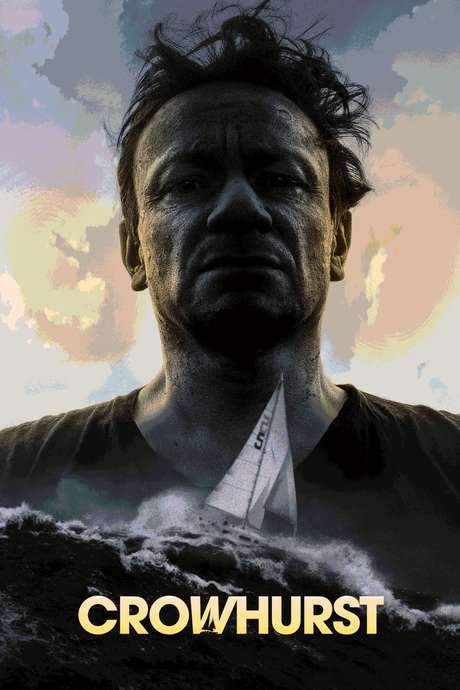
Character-driven stories of isolation leading to mental breakdown and deception. If you were captivated by the psychological breakdown in The Mercy, this collection features similar movies about characters crumbling under pressure. These films explore themes of deception, isolation, and the heavy toll of maintaining a facade, often based on true stories of ambition gone awry.
  • psychological
  • unsettling
  • isolated
  • desperate
  • haunting
  • claustrophobic
  • Tone: melancholic, unsettling, desperate
  • Pacing: steady, deliberate
Why these movies?

The story pattern: Stories in this thread typically follow a linear progression where a character, driven by ambition or fear of failure, becomes trapped by their own choices. The narrative focuses on their increasing isolation—both physical and emotional—leading to hallucinations, paranoia, and a fractured sense of reality as their carefully constructed world collapses.

Why they belong together: These films are grouped by their intense focus on a single character's mental state, a steady pacing that builds unease, and a melancholic tone. They share a heavy emotional weight and often conclude with tragic or deeply sad endings, exploring the human cost of desperation.

Somber biographical dramas like The Mercy

Melancholic dramas based on real-life figures whose grand ambitions ended in tragedy. For viewers who appreciated the melancholic true story of The Mercy, this section highlights similar movies based on real events. These films explore the heavy themes of ambition, the exploration of failure, and the personal cost of striving for greatness, often with a steady, character-driven pace.

  • melancholic
  • somber
  • reflective
  • tragic
  • biographical
  • haunting
  • Tone: melancholic, reflective, somber
  • Pacing: steady, chronological
Why these movies?

The story pattern: The narrative pattern involves introducing a driven individual with a specific goal, following their journey as unforeseen challenges and their own flaws compromise the mission. The story builds towards an inevitable, often public, failure that is treated with empathy and a focus on the human element rather than just the historical facts.

Why they belong together: These films share a melancholic tone, steady pacing, and heavy emotional weight. They are united by their basis in true events, their focus on the psychological toll of ambition, and their bittersweet or sad examination of how grand dreams can lead to isolation and downfall.

If you liked this

Movies Like The Mercy

Similar movies to The Mercy: the same genre, themes or kind of story. Each one comes with its own plot summary, timeline and ending explained.

Browse all movie summaries

Every angle

The Mercy (2018) Explained: Plot, Timeline & Characters

Everything about The Mercy in one place: what happens in the plot summary, the timeline in chronological order, the characters and meaning and a spoiler-free summary. What's After the Movie adds the cast, box office and post-credit scenes.

Coming soon on iOS and Android

The Plot Explained Movie Summary App

Plot summaries, endings explained and timelines on your phone. Catch up on any movie in minutes, save your favorites and never miss a twist again.

Be the first to know when we launch. Your email stays private, always.

Learn more about the app