Plot Explained Spoilers guaranteed!
Plot Explained

Browse by genre

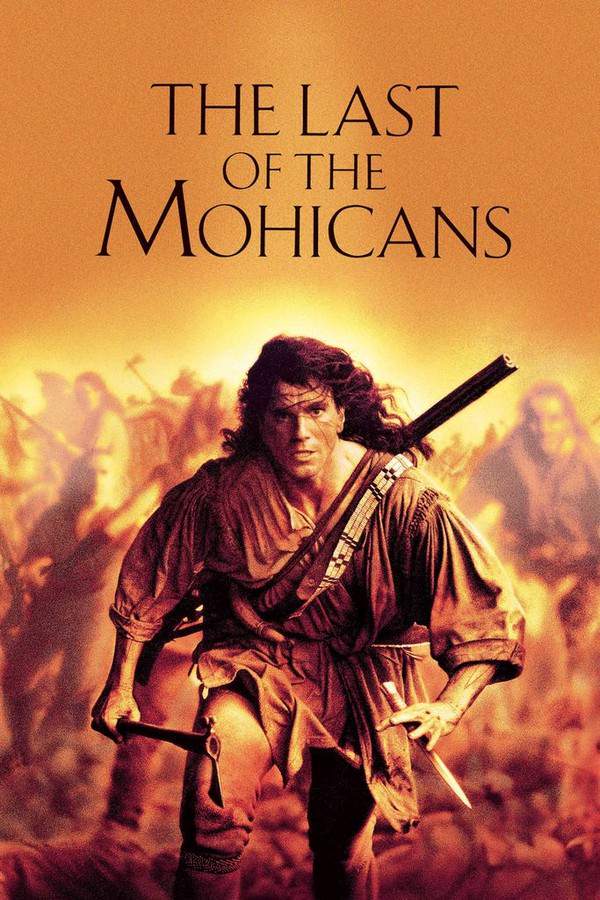
The Last of the Mohicans (1936) movie poster

Plot Summary

The Last of the Mohicans (1936) Plot Summary Explained

Release, runtime and language
1936 · 91 mins · English
Loading streaming availability…
Directed by
George B. Seitz
Starring
Bruce Cabot, Robert Barrat, Heather Angel, Randolph Scott, Reginald Barlow, Willard Robertson

Set in New York during the French and Indian War, the story shows a Huron massacre—passively aided by the French—of 500 to 1,500 Anglo‑American troops who surrendered at Fort William Henry, together with women and servants. The attack leads to the kidnapping of two sisters, the commander’s daughters, and their rescue by the last Mohicans.

On this page (6)
  1. 1 Where to watch
  2. 2 What happens: full plot
  3. 3 Plot questions answered
  4. 4 Movie threads
  5. 5 Movies like The Last of the Mohicans
  6. 6 Every angle
Loading streaming availability…

Full plot summary · contains spoilers

What Happens in The Last of the Mohicans: Full Plot Summary

The whole story of The Last of the Mohicans (1936) explained, from the opening scene to the final frame: every key event, every twist and what it all adds up to. Read it as a quick recap before the sequel, to check a scene you missed, or to finally understand what really happened.

**During the French and Indian War, Alice Munro and Cora Munro, the two daughters of Colonel Munro, set out from Albany to join their father at his rural fort. They are accompanied by Major Duncan Heyward, who has long loved Alice, and by the sly Magua, a brutal Huron scout with a hidden vendetta. Magua, drinking and dangerous, secretly plots to murder the Munro family. He shepherds the group into an ambush, but fate intervenes: the white frontiersman Hawkeye and the last two surviving Mohicans, Chingachgook and his son Uncas, come to their aid. On the journey toward the fort, the budding bond between Uncas and Cora Munro grows, even as Hawkeye and Alice Munro feel a growing mutual attraction amid the danger.

The fort soon comes under siege from the French forces led by General Montcalm and their Indian allies. That night, [Hawkeye] learns that Magua has persuaded the Indians to strike the colonial settlements while the defenders are distracted. The fort’s commander, Colonel Munro, refuses to take [Hawkeye]’s warning as proof, insisting on loyalty to his own men. Undeterred, [Hawkeye] helps organize a partial withdrawal of the militia, knowing he must stay behind to hold the line. When the order to countermand his plan is issued, he is condemned for insubordination, facing a grim fate as the attackers close in.

Magua pushes the attack, and tragedy follows: Colonel Munro is mortally wounded, and his daughters are carried off by Magua’s war party. Magua brutalizes his captives, declaring that Cora Munro will become his squaw and that Alice Munro will be executed by fire if she resists.

In pursuit, [Hawkeye] and his Mohican allies press after Magua’s band along the river. The party splits at a stream: [Hawkeye] with [Chingachgook] and [Uncas] head downstream, while [Major Duncan Heyward] and [Uncas] go upstream to intercept. The trail leads to a cliff where [Uncas] fights to rescue Cora Munro, only to be overwhelmed; Magua drives him to a fatal fall, and [Cora] makes a desperate choice, leaping to death rather than fall into Magua’s hands. In sorrow, [Uncas] drags himself to the edge and, with his last courage, reaches for her hand before dying.

When [Chingachgook] confronts Magua, the Mohican chief challenges him to single combat. [Hawkeye] refrains [Heyward] from intervening, and the struggle ends with Magua drowning in the river at the hands of [Chingachgook]. With [Cora] and [Uncas] lost, the Indians remove the remaining captive women toward a settlement where the ritual burning awaits. [Hawkeye] then orchestrates a daring diversion: he sends [Chingachgook] to guard the encampment and offers to surrender himself in exchange for Alice Munro.

[Heyward] devises a plan to save Alice Munro by disguising himself as an enemy warrior. He enters the armed camp while [Hawkeye] regroups and realizes the deception. The enemy chief now faces a test: two men claim to be Hawkeye, but a true measure of respect and skill is required. The chief’s shooting contest declares the real Hawkeye the victor, and [Alice] (who has been watching) shares a kiss with him before the flames rise around the stake where [Hawkeye] is bound.

Just in time, a British relief force under General Abercrombie storms the camp and frees [Hawkeye]. Although he survives the ordeal, a court-martial looms until Major Duncan Heyward manages to have the charges dismissed. With his name cleared, [Hawkeye] enlists in the British Army and rides with the expedition to strike deeper into French Canada. Before parting, Alice Munro vows to await his return in Albany, marking a quiet, hopeful end to a brutal, war-torn chapter.

The narrative, anchored by the rugged camaraderie of the Mohican people and the stubborn resolve of colonial frontiersmen, paints a timeless portrait of loyalty, loss, and the tenuous threads that bind families under fire. The film’s sweeping landscape and intense, tightly choreographed action sequences emphasize the precarious balance between civilization and wilderness, while its core remains the fragile human bonds that endure even in the face of overwhelming violence.

Last updated: October 07, 2025 at 08:29

Was this helpful?

Plot questions answered

The Last of the Mohicans Plot Explained: Your Questions Answered

The questions people ask most about The Last of the Mohicans (1936): what happens in the confusing scenes, why the characters do what they do, the twists, hidden details and what the ending means. Each answer contains spoilers.

Q1

Why does Magua want to kidnap Colonel Munro's daughters?

Magua harbors a deep vendetta against the Munro family stemming from his personal history. During the French and Indian War, he was previously betrayed and humiliated by the British colonial forces, and he holds Colonel Munro responsible for past wrongs against his people. His plan is to murder the Colonel and take his daughters as revenge and leverage, intending to make Cora his squaw and kill Alice by fire if she resists.

Foreshadowing: Magua's hostile demeanor and drinking are introduced early in the journey, hinting at his dangerous intentions.

  • magua
  • colonel Munro
  • kidnap
  • vendetta
  • revenge
  • huron
Q2

Why does Colonel Munro refuse to believe Hawkeye's warning about the Indian attack?

Colonel Munro refuses to act on Hawkeye's warning because he views the frontier scout as an outsider and a potential traitor. Munro is distrustful of anyone not wearing a British uniform, and he insists on loyalty to his own men rather than heeding intelligence from a colonial woodsman. His stubborn pride and class prejudice prevent him from recognizing the validity of Hawkeye's warning until it is too late.

  • colonel munro
  • hawkeye
  • warning
  • ignore
  • indian attack
  • siege
Q3

Why is Hawkeye sentenced to death for insubordination?

Hawkeye is sentenced to death because he defies Colonel Munro's direct orders during the siege. After warning the Colonel about the impending Indian attack and being ignored, Hawkeye takes matters into his own hands and engineers a plan to withdraw the colonial militia without authorization. Munro sees this as a grave breach of military discipline and has Hawkeye convicted of insubordination, sentencing him to face execution as the attackers close in.

Foreshadowing: The buildup to this moment begins when Hawkeye overhears Magua persuading the Indians to attack settlements.

  • hawkeye
  • insubordination
  • death sentence
  • munro
  • fort siege
  • military court
Q4

Why does Cora choose to jump from the cliff instead of being captured by Magua?

Cora Munro chooses death over capture because she faces a horrific fate at Magua's hands. He has already declared she will become his squaw, and he intends to burn Alice alive if she resists. Rather than submit to this brutal captivity, Cora makes the desperate choice to leap from the cliff heights, preferring death to becoming Magua's prisoner. Her act is one of dignity and defiance against impossible odds.

Foreshadowing: Magua's explicit threats to make Cora his squaw and burn Alice are made clear during the kidnapping scene.

  • cora Munro
  • cliff
  • jump death
  • magua
  • captivity
  • sacrifice
Q5

Why does Uncas die while trying to rescue Cora?

Uncas dies because Magua's war party overwhelms him during the rescue attempt at the cliff edge. Despite successfully freeing Cora from the cliff, Uncas is surrounded by Magua's men and fatally wounded in the confrontation. Mortally wounded, he manages to drag himself to the edge and reaches for Cora's hand one last time before dying, having sacrificed his life trying to save the woman he loves.

Foreshadowing: The developing romance between Uncas and Cora during the journey to the fort builds emotional investment in his fate.

  • uncas
  • death
  • rescue
  • cora Munro
  • cliff
  • magua
  • war party
Q6

Why does Chingachgook fight Magua in single combat instead of letting Hawkeye help?

Chingachgook insists on fighting Magua one-on-one to uphold Mohican warrior tradition and to personally avenge his son's death. As the chief of the Mohicans, he views this as a matter of honor and tribal justice rather than simply eliminating an enemy. Hawkeye respects this code and restrains Heyward from intervening, allowing Chingachgook to fulfill his duty as a father and a leader by confronting Magua directly.

Foreshadowing: Chingachgook's role as the Mohican chief and Uncas's father establishes his motivation for seeking personal revenge.

  • chingachgook
  • magua
  • single combat
  • duel
  • revenge
  • mohican tradition
  • honor
Q7

How does the shooting contest determine which man is the real Hawkeye?

When two men claim to be Hawkeye after Heyward's disguise plan, the Indian chief orders a shooting contest to reveal the true frontiersman. The test requires exceptional skill and precision with a rifle. The real Hawkeye, being the legendary marksman he is, demonstrates superior shooting ability that cannot be faked. His proven skill wins the chief's respect and identification, proving his identity beyond doubt.

Foreshadowing: Hawkeye's reputation as a legendary frontiersman and sharpshooter has been established throughout the film.

  • shooting contest
  • hawkeye
  • identify
  • disguise
  • heyward
  • marksmanship
  • proof
Q8

How does the British relief force arrive in time to save Hawkeye?

The British relief force under General Abercrombie arrives at the exact moment needed because they have been marching to reinforce the colonial forts during the French and Indian War. Their timing is coincidental to Hawkeye's situation but strategically aligned with the overall military campaign. They storm the Indian camp just as Hawkeye is tied to the stake and about to be burned, freeing him and turning the tide of the battle.

  • british relief
  • general abercrombie
  • hawkeye
  • rescue
  • camp
  • arrival
  • timing
Q9

Why does Hawkeye enlist in the British Army after being cleared of charges?

Hawkeye enlists in the British Army after his court-martial is dismissed because he wants to continue fighting against the French forces threatening the colonies. Although he was wrongly condemned by Colonel Munro, his cleared name and爱国心 (patriotism) drive him to join the British campaign to strike deeper into French Canada. His action also represents a path forward after the loss of his friends and the conclusion of his personal vendetta with Magua.

  • hawkeye
  • enlist
  • british army
  • canada
  • french
  • war
  • after court-martial
Q10

Why does Major Heyward disguise himself as an Indian warrior to save Alice?

Major Heyward disguises himself as an enemy Indian warrior to infiltrate the armed camp and rescue Alice from being burned at the stake. He volunteers to go in Hawkeye's place during the exchange, hoping his deception will allow him to free Alice unnoticed. When the enemy chief becomes suspicious, Hawkeye reveals the swap to save Heyward from being exposed, leading to the shooting contest that ultimately proves Hawkeye's identity.

Foreshadowing: Heyward's affection for Alice motivates his willingness to risk his life in the daring rescue attempt.

  • heyward
  • disguise
  • indian warrior
  • alice rescue
  • camp infiltration
  • rescue plan
Q11

What happens to Cora and Uncas after their deaths?

After Cora jumps from the cliff, the dying Uncas drags himself to the edge and reaches for her hand before expiring. Their bodies remain together at the cliff edge where they died. The tragic ending sees both the Mohican warrior and the colonial woman united in death, their bodies left at the site of their final act of love and defiance.

  • cora
  • uncas
  • death
  • cliff
  • bodies
  • burial
  • tragic ending
Q12

Why does Alice promise to wait for Hawkeye in Albany?

Alice Munro promises to wait for Hawkeye's return in Albany because their bond has grown strong throughout the perilous journey and shared danger. Despite the war tearing everything around them apart and the losses they have endured, Alice recognizes her love for the frontier scout. She vows to remain faithful and await his return, marking a hopeful note amid the tragedy that has claimed so many lives.

Foreshadowing: The growing attraction between Hawkeye and Alice develops during their journey to the fort.

  • alice
  • hawkeye
  • promise
  • wait
  • albany
  • love
  • return

Movie threads

More Movies Like The Last of the Mohicans, by Mood & Story

Curated lists built around what makes The Last of the Mohicans tick: the same mood, the same kind of story or the same emotional payoff. Each list explains why these movies belong together.

Frantic historical survival stories like in The Last of the Mohicans

Fast-paced tales of survival against overwhelming odds in unforgiving historical settings. If you enjoyed the relentless pace and desperate survival of The Last of the Mohicans, explore more movies like it. These films are fast-paced historical epics where characters face overwhelming odds, brutal warfare, and a frantic fight for life on the frontier.

  • tense
  • urgent
  • violent
  • brutal
  • sweeping
  • desperate
  • Tone: dark, tense, urgent
  • Pacing: fast, relentless
Why these movies?

The story pattern: Narratives in this thread are often linear missions of escape or rescue, set against the backdrop of large-scale historical conflicts. The plot is driven forward by immediate physical threats, chases, and battles, with little room for downtime. Characters are defined by their resilience and adaptability in the face of constant danger.

Why they belong together: These movies are grouped together because they share a visceral, high-intensity experience. They combine a fast pace with a dark tone and heavy emotional weight, focusing on the gritty reality of survival in a brutal historical context. The shared elements of urgency, violence, and a sweeping, dangerous setting create a cohesive and adrenaline-fueled vibe.

Bittersweet frontier epics with cultural clashes like in The Last of the Mohicans

Epic stories of love and loss set against the violent collision of civilizations. For viewers who liked the emotional depth and tragic sweep of The Last of the Mohicans, this section highlights similar movies. These are heavy historical dramas about cultural clashes on the frontier, featuring romance amidst violence and endings that mix loss with a glimmer of hope.

  • tragic
  • sweeping
  • melancholic
  • romantic
  • violent
  • epic
  • Tone: dark, tragic, melancholic
  • Pacing: sweeping, steady
Why these movies?

The story pattern: The narrative pattern often involves a romance or deep personal bond that is tested by a larger, uncontrollable historical force. The story explores the friction between different cultures, leading to tragic misunderstandings and violence. The journey is punctuated by significant losses, and while the immediate threat may be overcome, the ending acknowledges the profound cost and irreversible change.

Why they belong together: These films are united by their exploration of tragic love and duty within a context of violent cultural upheaval. They share a heavy emotional weight, a dark and melancholic tone, and a bittersweet conclusion that balances personal sacrifice against a fragile hope. The combination of epic scale with intimate tragedy creates a powerfully resonant experience.

If you liked this

Movies Like The Last of the Mohicans

Similar movies to The Last of the Mohicans: the same genre, themes or kind of story. Each one comes with its own plot summary, timeline and ending explained.

Browse all movie summaries

Every angle

The Last of the Mohicans (1936) Explained: Plot, Timeline & Characters

Everything about The Last of the Mohicans in one place: what happens in the plot summary, the timeline in chronological order, the characters and meaning and a spoiler-free summary. What's After the Movie adds the cast, box office and post-credit scenes.

Coming soon on iOS and Android

The Plot Explained Movie Summary App

Plot summaries, endings explained and timelines on your phone. Catch up on any movie in minutes, save your favorites and never miss a twist again.

Be the first to know when we launch. Your email stays private, always.

Learn more about the app