Plot Explained Spoilers guaranteed!
Plot Explained

Browse by genre

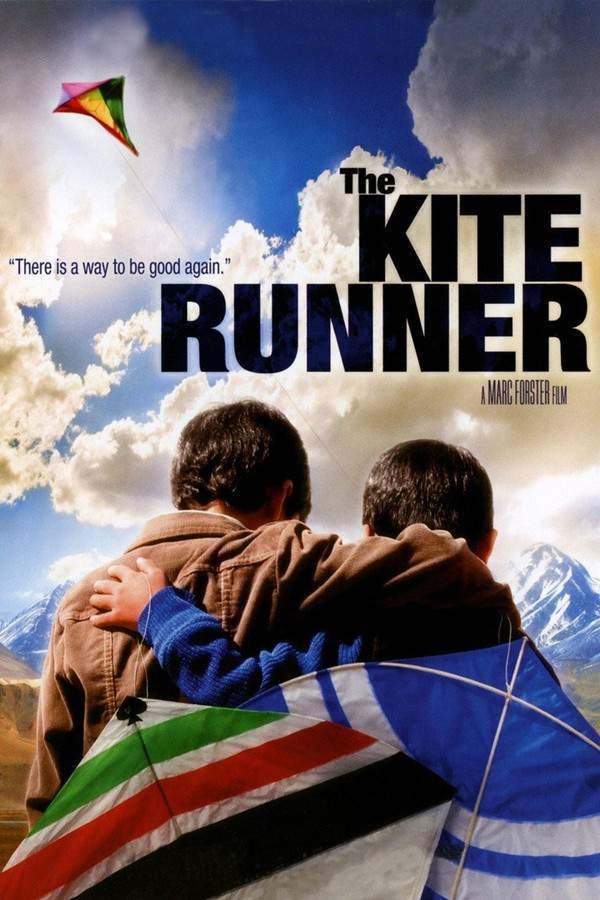
The Kite Runner (2007) movie poster

Plot Summary

The Kite Runner (2007) Plot Summary Explained

Release, runtime and language
2007 · 128 min · English
Loading streaming availability…
Directed by
Marc Forster
Starring
Khalid Abdalla, Ahmad Khan Mahmoodzada

In pre-war Kabul, a young boy named Amir finds friendship and joy in kite-flying with his loyal servant, Hassan. A traumatic event and subsequent betrayal shatter their bond, deeply affecting both of them. Years later, now living abroad, Amir is compelled to return to his war-torn homeland under Taliban rule. He embarks on a perilous journey, driven by a desire for redemption and a chance to confront the past, ultimately taking a courageous action to atone for his earlier mistakes.

On this page (6)
  1. 1 Where to watch
  2. 2 What happens: full plot
  3. 3 Plot questions answered
  4. 4 The book behind the movie
  5. 5 Movie threads
  6. 6 Every angle
Loading streaming availability…

Full plot summary · contains spoilers

What Happens in The Kite Runner: Full Plot Summary

The whole story of The Kite Runner (2007) explained, from the opening scene to the final frame: every key event, every twist and what it all adds up to. Read it as a quick recap before the sequel, to check a scene you missed, or to finally understand what really happened.

In San Francisco during the year 2000, Afghan-American writer Amir Qadiri and his wife, Soraya, observe children joyfully flying kites. Upon returning home, Amir receives a call from Rahim Khan, an old friend of his father's who is now in Peshawar, Pakistan.

The story takes us back to Kabul in 1978, where 10-year-old Amir, the son of a wealthy and philanthropic Pashtun known locally as Agha Sahib, whom he affectionately calls "Baba," shares a close bond with his best friend Hassan. Hassan, who is the son of Baba's devoted servant Ali, belongs to the Hazara ethnic group. Amir participates in the competitive sport of kite fighting, with Hassan acting as his spool-holder and skilled "kite runner," able to predict the trajectories of fallen kites and adept with his trusty slingshot. On Hassan's birthday, Amir surprises him with a special gift: a kite made in the United States.

During a kite-fighting contest, Amir breaks his father's record by claiming 14 "kills". However, their victory is marred when Hassan runs after the final defeated kite only to be confronted and cornered by Assef and his gang. Despite Hassan's courage and refusal to hand over the kite, the gang brutally assaults him. Amir watches this horrific act unfold in fear, paralyzed by his guilt and shame, leading him to distance himself from his loyal friend. When Baba and Ali inquire about Hassan's unusual behavior, Amir feigns ignorance. After a heart-wrenching moment, Amir confronts his father, asking if he would ever consider replacing Ali and Hassan, only to be met with indignation.

The trauma of that day overshadows Amir's enjoyment of his 11th birthday party. In a moment of spite, he frames Hassan for stealing his wristwatch, which Hassan accepts without protest. While Baba forgives Amir quickly, it leads to Ali feeling humiliated, prompting him to leave their employment, much to Baba's dismay.

As the Soviet Union invades Afghanistan in June 1979, Baba and Amir are forced to flee to Pakistan hidden in an oil tanker, leaving Rahim behind to look after their home.

Fast forward to 1988, Baba now owns a service station in Fremont, California, and runs a stall at a local flea market. Amir, having graduated from a community college, starts working alongside his father. One day, Baba introduces him to General Taheri, a former Afghan army officer. Amir’s eyes are drawn to Soraya, the general's daughter, leading him to share a story with her, only for the general to confiscate it.

As their lives progress, tragedy strikes when Baba is diagnosed with terminal lung cancer. Amir pleads with him to ask General Taheri for Soraya's hand in marriage, which he grants during a picturesque stroll. Soraya reveals her checkered past concerning a failed romance with a Pashtun man, but Amir reassures her of his unconditional love. They marry, shortly after which Baba passes away.

In 2000, Rahim persuades Amir to visit him in Pakistan to seek redemption. In Peshawar, a dying Rahim reveals to Amir that he had summoned Hassan back, and that Hassan had returned with his wife and son, Sohrab. After the Taliban seized power following a civil war, they demanded Hassan vacate his home, leading to his tragic execution along with his wife, while little Sohrab was sent to an orphanage.

With a heavy heart, Rahim implores Amir to return to Kabul and find Sohrab, delivering a letter written by Hassan, who had taught himself to read and write. Initially hesitant, Amir's world shatters when he learns that his father had an affair with Ali's wife, making him and Hassan half-brothers.

Disguised in a fake beard to adhere to Taliban restrictions, Amir searches for Sohrab at an orphanage, only to find that he has been sold to a Taliban official. An appointment is set, and to Amir's shock, Assef, once a bully, now assists the official. During a violent encounter, Assef introduces Sohrab as his "dance boy" and assaults Amir. In a display of bravery, Sohrab uses Hassan's old slingshot to shoot Assef in the eye, allowing him and a wounded Amir to escape to Peshawar, where they learn of Rahim's death, but also receive a letter meant for Amir.

As they settle back in San Francisco, Amir and Soraya welcome Sohrab into their family. Embracing their past and shared experiences, Amir teaches Sohrab the intricacies of kite flying and volunteers to be his "kite runner." In a poignant moment, as Amir chases a falling kite, he echoes a cherished phrase from his childhood: > "For you, a thousand times over."

Last updated: November 08, 2024 at 03:06

Was this helpful?

Plot questions answered

The Kite Runner Plot Explained: Your Questions Answered

The questions people ask most about The Kite Runner (2007): what happens in the confusing scenes, why the characters do what they do, the twists, hidden details and what the ending means. Each answer contains spoilers.

Q1

Why did Amir watch Hassan get assaulted without intervening?

Amir was paralyzed by fear and guilt. He saw Assef and his gang cornering Hassan but did nothing to help because he was terrified of Assef, and more importantly, he felt guilty about winning the kite competition while Hassan ran the kite for him. His cowardice stemmed from a conflicted desire to impress his father, he wanted to be the one who brought home the winning kite, not share that victory with Hassan. This moment defines Amir's character flaw and sets up his lifelong journey toward redemption.

Foreshadowing: Earlier, Amir deliberately avoids letting Hassan compete in the poetry reading he participates in, showing his pattern of prioritizing his own image over loyalty.

  • amir
  • hassan
  • assault
  • assef
  • kite
  • guilt
  • betrayal
Q2

Why did Amir frame Hassan for stealing his watch?

After witnessing Hassan's assault, Amir couldn't bear to be around him because it reminded him of his own cowardice. The guilt became unbearable, so he tried to distance himself by framing Hassan for theft. When Hassan quietly accepted the accusation without defending himself, it devastated Amir but also relieved him, Hassan's silence effectively ended their friendship without Amir having to confront his own actions directly.

Foreshadowing: Amir's earlier question to Baba about replacing Ali and Hassan reveals his growing resentment toward the friendship that makes him feel inferior.

  • amir
  • hassan
  • watch
  • stealing
  • accusation
  • ali
  • leaving
Q3

Why was Baba so upset when Ali and Hassan left?

Baba was devastated because he loved Hassan as his son, not just as a servant's child. Baba had secretly had an affair with Ali's wife, making Hassan his biological child. When Ali left, Baba lost the chance to be close to his real son, and he could never openly acknowledge this relationship. His grief was profound but had to remain hidden due to the social shame of the era.

Foreshadowing: Baba's generous actions toward Hazara communities throughout the story reflect his guilt and attempts at redemption for his secret.

  • baba
  • ali
  • hassan
  • leaving
  • pashtun
  • hazara
  • love
Q4

Why did Rahim Khan ask Amir to come to Pakistan?

Rahim Khan summoned Amir because he was dying and needed to right old wrongs before passing. He had brought Hassan and his family back to Baba's house in Kabul, but the Taliban eventually killed them. Rahim wanted Amir to rescue Hassan's orphaned son, Sohrab, believing it was Amir's chance at redemption for his childhood betrayal.

Foreshadowing: Rahim's earlier letter to Amir, which Baba had hidden, showed Rahim's persistent belief in Amir's potential for goodness.

  • rahim khan
  • pakistan
  • amir
  • call
  • redemption
  • sohrab
Q5

How were Amir and Hassan half-brothers?

Amir and Hassan shared the same father. Baba had a secret affair with Ali's wife, Sanaubar, which produced Hassan. Baba never acknowledged this publicly due to the social stigma and his own fear of judgment. Amir only learned this devastating truth from Rahim Khan during his trip to Pakistan, which forced him to confront how deeply his father had kept secrets and how his betrayal of Hassan was even more profound.

Foreshadowing: Baba's intense reaction to Amir's question about replacing Ali and Hassan hints at the deeper connection he couldn't openly acknowledge.

  • amir
  • hassan
  • half-brother
  • baba
  • father
  • secret
  • revelation
Q6

What happened to Hassan and his family under the Taliban?

After returning to Kabul to live in Baba's house, Hassan and his wife were executed by the Taliban simply for being Hazaras. Their crime was refusing to vacate the home that rightfully belonged to them. Their young son, Sohrab, was sent to an orphanage, but was later sold to a Taliban official, effectively becoming trapped in the oppressive system that had murdered his parents.

Foreshadowing: Rahim Khan's warning about the Taliban's increasing persecution of Hazaras sets the tragic fate in motion.

  • hassan
  • family
  • taliban
  • execution
  • hazara
  • sohrab
  • orphanage
Q7

How did Sohrab end up in an orphanage and then with the Taliban?

After the Taliban executed Hassan and his wife, Sohrab was placed in a Kabul orphanage. When Amir arrived searching for him, he discovered the Taliban had already purchased the boy to use as a "dance boy", a euphemism for sexual exploitation. This illustrates the brutal reality faced by orphans during Taliban rule, particularly those from the Hazara minority.

Foreshadowing: The orphanage director's willingness to sell children hints at the corruption and desperation under Taliban rule.

  • sohrab
  • orphanage
  • taliban
  • assef
  • sold
  • abuse
Q8

Why did Amir decide to adopt Sohrab and bring him to America?

Amir adopted Sohrab as the culmination of his redemption journey. Having learned that Hassan was his half-brother and that Hassan died trying to protect Baba's home, Amir felt responsible for Hassan's son. By rescuing Sohrab and giving him a loving family in America, Amir finally atoned for his childhood betrayal, instead of abandoning Hassan like he did in the alley, he now saved Hassan's child.

Foreshadowing: Amir's promise to Rahim Khan to find Sohrab represents the moment he stops running from his past.

  • amir
  • sohrab
  • adoption
  • america
  • redemption
  • family
  • hope
Q9

What does "For you, a thousand times over" mean at the end?

This phrase, which Amir echoes from his childhood, represents his complete transformation. When he was a boy, Hassan said this while running kites for Amir, showing unconditional loyalty. At the end, Amir says it to Sohrab while running a kite for him, reversing their roles, Amir now gives the loyalty and devotion that Hassan once gave him. It signifies that Amir has finally become the person Hassan always believed he could be.

Foreshadowing: Hassan's original declaration while running the winning kite sets up the emotional payoff of Amir echoing these words years later.

  • kite runner
  • thousand times
  • amir
  • sohrab
  • loyalty
  • redemption
  • symbol
Q10

Why did Hassan remain loyal to Amir despite being betrayed?

Hassan's loyalty stems from his pure, selfless nature and his view of Amir as his true friend rather than his social superior. Even after Amir framed him for theft and caused his family to leave, Hassan never revealed the truth to protect Amir's reputation. This reflects Hassan's incredible kindness but also highlights the power imbalance in their relationship, he accepts mistreatment because he has been taught his place in society.

Foreshadowing: Hassan's refusal to hand over the kite to Assef, even when faced with violence, demonstrates his unwavering loyalty.

  • hassan
  • loyalty
  • amir
  • friendship
  • hazara
  • devotion
  • sacrifice
Q11

Why did Baba and Amir flee Afghanistan during the Soviet invasion?

Baba and Amir escaped to Pakistan in June 1979, just before the full Soviet invasion, because their lives became dangerous. Baba was a prominent businessman who opposed the Soviet influence, and his wealth made him a target. They traveled hidden in an oil tanker, a perilous journey that Baba orchestrated to save his son. This escape marked the end of their comfortable life in Kabul and the beginning of their struggle in America.

Foreshadowing: The earlier hint of political tension in Kabul and Baba's strong anti-Soviet sentiments foreshadow the urgency of their departure.

  • baba
  • afghanistan
  • soviet
  • escape
  • pakistan
  • flee
  • war
Q12

What happened between Amir, Soraya, and Baba in California?

In Fremont, California, Amir met Soraya at his father's flea market. After Baba developed terminal lung cancer, Amir asked General Taheri for Soraya's hand in marriage, a traditional request that Baba couldn't make himself. They married shortly before Baba died, giving Amir both a wife and the loss of his father within the same period. This segment shows Amir building a new life while losing the parent he was trying to please.

Foreshadowing: Baba's insistence on Amir completing college reflects his desire for Amir to succeed in their new country.

  • amir
  • soraya
  • baba
  • california
  • marriage
  • death
  • cancer

Movie threads

More Movies Like The Kite Runner, by Mood & Story

Curated lists built around what makes The Kite Runner tick: the same mood, the same kind of story or the same emotional payoff. Each list explains why these movies belong together.

Redemptive Journeys like in The Kite Runner

Characters haunted by guilt undertake dangerous quests to make amends. If you were moved by Amir's quest for redemption in The Kite Runner, explore these other movies about characters seeking to atone for past sins. These similar drama and romance stories feature heavy emotional weight, bittersweet endings, and journeys of guilt and atonement.

  • redemptive
  • somber
  • guilt-ridden
  • hopeful
  • tense
  • melancholic
  • Tone: bittersweet, heavy
  • Pacing: variable, character-driven
Why these movies?

The story pattern: Stories in this thread typically follow a linear or flashback-driven structure, starting with a pivotal mistake or trauma. The bulk of the plot is then dedicated to the protagonist's external and internal journey to confront their past, often involving significant personal risk, leading to a resolution that is cathartic but not entirely free of sadness.

Why they belong together: Movies are grouped here for their shared focus on the redemptive arc. They share a heavy emotional tone, a mix of painful memories and hopeful action, and a central theme of confronting one's own moral failings to achieve a form of peace.

Movies about Childhood Trauma and Friendship like The Kite Runner

Innocent youth is lost when a traumatic event destroys a deep friendship. Fans of The Kite Runner's exploration of Amir and Hassan's fractured friendship will find similar stories here. Discover other dramas about childhood bonds broken by trauma, dealing with heavy themes like guilt, betrayal, and the lasting impact of formative events.

  • nostalgic
  • somber
  • traumatic
  • reflective
  • melancholic
  • tense
  • Tone: somber, nostalgic, melancholic
  • Pacing: variable, with reflective pauses
Why these movies?

The story pattern: The narrative pattern often begins with an idyllic depiction of childhood friendship, which is then violently interrupted. The aftermath shows the characters living with the fallout, frequently involving secrets, shame, and a narrative that returns to the past event to fully understand its consequences, sometimes decades later.

Why they belong together: These films are connected by their specific focus on a pivotal childhood trauma that severs a key relationship. They share a nostalgic yet somber mood, a structure that contrasts innocence with harsh reality, and a deep exploration of memory, guilt, and the loss of innocence.

Every angle

The Kite Runner (2007) Explained: Plot, Timeline & Characters

Everything about The Kite Runner in one place: what happens in the plot summary, the timeline in chronological order, the characters and meaning and a spoiler-free summary. What's After the Movie adds the cast, box office and post-credit scenes.

Coming soon on iOS and Android

The Plot Explained Movie Summary App

Plot summaries, endings explained and timelines on your phone. Catch up on any movie in minutes, save your favorites and never miss a twist again.

Be the first to know when we launch. Your email stays private, always.

Learn more about the app