Plot Explained Spoilers guaranteed!
Plot Explained

Browse by genre

The Boy Friend (1971) movie poster

Timeline

The Boy Friend (1971) Timeline Explained – Every Event in Order

Release, runtime and language
1971 · 137 mins · English
Directed by
Ken Russell
Starring
Vladek Sheybal, Kenneth Colley, Glenda Jackson, Tommy Tune, Imogen Claire, Brian Murphy

A glittering, larger‑than‑life, heart‑warming, toe‑tapping musical extravaganza. When the star of a modest, low‑budget revue twists her ankle, the assistant stage manager steps in as understudy, taking the spotlight and delivering a lively performance in her place.

On this page (5)
  1. 1 Events in order (12)
  2. 2 Timeline questions answered
  3. 3 Movie threads
  4. 4 Movies like The Boy Friend
  5. 5 Every angle

12 events in order · contains spoilers

The Boy Friend Timeline: Events in Chronological Order

Every key event of The Boy Friend (1971) in order, scene by scene, with when and where it takes place. Use it to untangle flashbacks, time jumps and parallel storylines, to refresh your memory before the sequel or to find the exact scene you are thinking of.

  1. Polly steps in after Rita Monroe's absence

    The Theatre Royal in Portsmouth prepares for a Saturday matinee when the star, Rita Monroe, is not in attendance. Polly Browne, the new assistant stage manager, helps keep the company moving as they adjust to the missing lead. When they learn Monroe has broken her ankle, director Max Mandeville asks Polly to take over the role because she knows the show by heart.

    When
    Late 1920s
    Where
    Theatre Royal, Portsmouth
  2. Polly takes over Monroe's part for the matinee

    Polly steps into Monroe's part for the matinee, facing the pressure of performing with little rehearsal but a strong knowledge of the show. The rest of the company and Max Mandeville watch anxiously as she carries the numbers she already knows by heart. Her successful improvisation marks the start of the show blending with backstage tensions.

    When
    Matinee performance
    Where
    Theatre Royal stage
  3. Mr. De Thrill arrives; talkies and film adaptation loom

    Hollywood talkie director Mr. De Thrill arrives, introducing a shiny outsider presence backstage. He contemplates adapting The Boy Friend for film, which heightens Max Mandeville's anxieties about the show's future. De Thrill's arrival also stimulates the company to imagine their numbers as if they were in a lavish movie production.

    When
    Before/during show preparations
    Where
    Backstage, Theatre Royal
  4. Polly and Tony's on-stage romance begins

    Within the show's musical world, Polly meets Tony at a continental villa and their stylish, pretend-poor romance begins as part of the plot. The on-stage relationship runs parallel to backstage drama, and Polly and Tony start to show real attraction beyond their characters. The audience senses their chemistry as rehearsals continue.

    When
    Act I
    Where
    On-stage within The Boy Friend
  5. Monroe's visit and backstage encouragement

    Rita Monroe visits backstage and offers encouragement to Polly as she takes center stage. Polly's nerves are soothed by the support of Monroe and sympathetic stage hands and fellow performers. The presence of Monroe adds a bittersweet layer to Polly's growing confidence as she navigates the role.

    When
    Act I
    Where
    Backstage
  6. Intermission moment: Polly sings to Tony's photo; De Thrill overhears; Maisie sabotages

    During the intermission, Polly sings to a picture of Tony, while De Thrill overhears the moment from behind the scenes. Maisie sabotages De Thrill's chance to talk with Polly, trying to ingratiate herself with the director and win her own advantage. The backstage plot thickens as the boundary between stage fiction and real feelings becomes blurrier.

    When
    Intermission, Act I
    Where
    Backstage
  7. Polly misreads Tony's interest; heartbreak

    Polly witnesses Tony apparently flirting with chorus girl Dulcie, which leads her to misinterpret the situation and feel heartbroken. The real-life tension mirrors the on-stage tension, deepening Polly's suspicions about Tony. She withdraws as backstage dynamics become more tangled.

    When
    Act I, late
    Where
    Theatre, backstage
  8. Second and third acts: tensions and tricks to impress De Thrill

    In acts two and three, Polly's mood remains low as her trust in Tony wavers. Tommy and the other men in the company retaliate against Maisie's scheming by ruining their number on-stage, turning quick-witted numbers into farce. De Thrill's attempts to impress the producer become increasingly ridiculous as the backstage farce intensifies.

    When
    Acts II–III
    Where
    On stage and backstage
  9. Show finale: Pierrette dress and Tony's comfort; cake revelation

    In the finale, Polly, dressed as Pierrette, finds solace when Tony comes to comfort her on stage in his Pierrot role. An unscripted moment follows as Tony and Dulcie present Polly with a cake and declare their love, bridging the show-within-a-show romance and the real-life romance. The two stories move toward a joyous conclusion.

    When
    Show finale
    Where
    Stage
  10. Monroe's tears and understudy success

    As the show ends, Polly is congratulated by most of the company and Monroe is moved to tears, realizing she has done well as an understudy. The audience is touched by Polly's composure and the cast's support as the understudy steps into the role with grace.

    When
    End of show
    Where
    Theatre
  11. De Thrill decides not to adapt; invites Polly to Hollywood

    De Thrill ultimately decides not to adapt The Boy Friend for film, but leaves a card for Polly inviting her to Hollywood. Maisie hopes the invitation will come to her, while De Thrill instead recognizes Tommy as his long-lost son and departs with him. The Hollywood invitation becomes a pivot point between the stage world and a possible future.

    When
    End of show
    Where
    Backstage
  12. Polly chooses London life with Tony

    Polly is handed De Thrill's Hollywood card but chooses to stay in London with Tony. Her decision favors love and the local theatre over a move to Hollywood, sealing the real-life romance that paralleled the stage musical. The show ends with Polly and Tony committed to each other in the city where their story began.

    When
    Post-show
    Where
    London

Last updated: October 05, 2025 at 12:12

Was this helpful?

Timeline questions answered

The Boy Friend Timeline Explained: Your Questions Answered

When does it happen, and why in that order? The questions people ask about the chronology of The Boy Friend (1971): time jumps, flashbacks, cause and effect between scenes and the correct order of events, each answered with spoilers.

Q1

Why does Polly step in as the lead when Rita Monroe is absent?

Rita Monroe, the star of the revue, breaks her ankle and cannot perform. Director Max Mandeville asks Polly Browne, the assistant stage manager, to take over the role because she knows all the numbers by heart from working behind the scenes. Despite having no rehearsal as lead, Polly successfully carries the show.

Foreshadowing: Early in the film, Polly is shown helping keep the company together while they adjust to the missing lead, establishing her knowledge of the production.

  • polly browne
  • rita monroe
  • understudy
  • broken ankle
  • max mandeville
Q2

Why does Mr. De Thrill decide not to adapt The Boy Friend into a film?

Despite being a Hollywood director interested in talkies, De Thrill ultimately decides not to proceed with the adaptation. He leaves a card for Polly inviting her to Hollywood personally, suggesting he was more interested in individual talent than the show itself. The exact reasoning is left somewhat ambiguous, though his fascination with Polly throughout suggests his interest was in people rather than the property.

Foreshadowing: De Thrill's attention repeatedly shifts toward individual performers, particularly Polly, rather than evaluating the show as a whole for adaptation.

  • mr. de thrill
  • hollywood
  • film adaptation
  • the boy friend
  • talkies
Q3

Why does Mr. De Thrill take Tommy to Hollywood instead of Maisie?

De Thrill reveals that Tommy is his long-lost son, which explains why he chooses to depart with Tommy rather than offering any of the adult performers a film opportunity. Maisie, who had been actively scheming to attract the director's attention throughout the production, is passed over completely.

Foreshadowing: De Thrill shows unusual interest in Tommy during the production, and the film hints at his personal history through subtle interactions.

  • mr. de thrill
  • tommy
  • long-lost son
  • maisie
  • hollywood
Q4

Why does Polly turn down the Hollywood invitation and stay in London?

Polly receives De Thrill's card inviting her to Hollywood but chooses to stay with Tony Brockhurst in London. Her decision prioritizes love and the life she's built in the theatre over a potentially glamorous but uncertain future in films. The ending affirms her commitment to both Tony and the stage career she has discovered she loves.

Foreshadowing: Throughout the film, Polly's emotional investment in Tony and her growing confidence in her theatrical abilities conflict with the allure of the Hollywood opportunity.

  • polly browne
  • tony brockhurst
  • hollywood
  • london
  • love
  • stage career
Q5

Why is the cake scene at the end unscripted?

Tony and Dulcie's presentation of the cake and Tony's declaration of love is an improvised, spontaneous moment that blends the show-within-a-show with real-life emotion. This unscripted flourish is deliberately used to bridge the theatrical fantasy with the genuine feelings that have developed between Tony and Polly backstage.

Foreshadowing: The earlier tension between Polly and Tony, fueled by her jealousy over Dulcie, sets up this moment of clarification where Tony's true feelings become clear.

  • cake
  • tony brockhurst
  • dulcie
  • love declaration
  • improvised
  • finale
Q6

Why does Polly become jealous of Dulcie?

Polly witnesses Tony apparently flirting with chorus girl Dulcie during the first act, leading her to misinterpret the situation and feel heartbroken. This real-life misunderstanding mirrors the on-stage tension in the musical and causes Polly to withdraw emotionally, affecting her performance in the subsequent acts.

Foreshadowing: Earlier, Polly sings to a picture of Tony during intermission, showing her genuine romantic investment before the misunderstanding occurs.

  • polly browne
  • tony brockhurst
  • dulcie
  • jealousy
  • misunderstanding
Q7

Why do the male performers sabotage the number with Maisie?

Tommy and the other male performers deliberately ruin their joint number with Maisie as retaliation for her scheming behavior throughout the production. Maisie has been actively trying to ingratiate herself with Mr. De Thrill at the expense of others, and the men respond by turning the performance into farce, sabotaging her chances of impressing the Hollywood director.

Foreshadowing: Maisie's ambitious maneuvering is established early, as she tries to redirect De Thrill's attention away from Polly during the intermission.

  • maisie
  • tommy
  • male performers
  • sabotage
  • retaliation
  • farce
Q8

What causes the tension between Polly and Tony in the second and third acts?

The tension stems from Polly's misreading of Tony's interaction with Dulcie, which erodes her trust in Tony just as the musical romance is unfolding on stage. As Polly's doubt grows, the gap between the fictional romance in the show and the real-life uncertainty backstage widens, affecting both her mood and her performance.

Foreshadowing: The parallel between Polly's on-stage relationship with Tony and their real-life attraction is established early, making the misunderstanding particularly impactful.

  • polly browne
  • tony brockhurst
  • tension
  • second act
  • jealousy
  • trust
Q9

Why is Rita Monroe moved to tears at the end of the show?

Rita Monroe watches from the audience as Polly successfully carries the lead role she was originally supposed to perform. Seeing the understudy rise to the occasion and deliver a confident performance, combined with perhaps reflecting on her own career and vulnerability, moves Monroe to tears. Her emotional response signifies her recognition of Polly's talent and the emotional weight of stepping aside.

Foreshadowing: Monroe's earlier backstage visits to encourage Polly show her supportive nature and investment in the young performer's success.

  • rita monroe
  • tears
  • understudy success
  • emotional
  • recognition
Q10

Why is Mr. De Thrill specifically interested in Polly?

De Thrill's fascination with Polly appears to stem from several factors: he overhears her singing to his picture of Tony during intermission, showing genuine emotion and talent; he witnesses her natural chemistry with Tony on stage; and ultimately, he sees her rise to the occasion under pressure. His personal invitation to Hollywood suggests he recognizes her star quality, though his ultimate motive in taking Tommy reveals a deeper personal reason for his attention.

Foreshadowing: De Thrill's focus on Polly is established early when he overhears her intermission serenade, and his interest intensifies as he watches her perform.

  • mr. de thrill
  • polly browne
  • interest
  • hollywood invitation
  • talent
Q11

Why does the musical romance between Polly and Tony mirror their real-life relationship?

The show-within-a-show structure deliberately blurs the line between performance and reality. As Polly and Tony perform the fictional romance of the show, genuine feelings develop between them. The parallel intensifies the emotional stakes, as every on-stage interaction carries real-world significance, and the climax where Tony declares his love directly bridges the two narratives.

Foreshadowing: The opening scenes establish the meta-theatrical structure, with the audience aware that real romance is developing alongside the performed one.

  • show within a show
  • polly browne
  • tony brockhurst
  • romance
  • parallel
  • meta-theatrical
Q12

Why does Polly become indispensable to the company?

Polly's indispensability stems from her unique position as assistant stage manager who knows every number by heart from extensive time behind the scenes. When Rita breaks her ankle, Polly is the only person who can step into the lead without rehearsal. Her success in the role then transforms her from behind-the-scenes helper to center stage star, making her essential to the production's completion.

Foreshadowing: The opening establishes Polly's comprehensive knowledge of the show through her backstage work, explaining why she's the obvious choice when needed.

  • polly browne
  • indispensable
  • assistant stage manager
  • knowledge
  • transformation
  • lead role

Movie threads

More Movies Like The Boy Friend, by Mood & Story

Curated lists built around what makes The Boy Friend tick: the same mood, the same kind of story or the same emotional payoff. Each list explains why these movies belong together.

Backstage musicals and showbiz stories like The Boy Friend

Stories of ambition, rivalry, and romance unfolding behind the glittering stage. If you loved the backstage drama and theatrical flair of The Boy Friend, explore more movies about the world of performance. These films capture the ambition, rivalry, and romance that happen behind the curtain, featuring dazzling numbers and heartfelt journeys from rehearsal to opening night.

  • backstage drama
  • glamorous
  • heartwarming
  • playful
  • nostalgic
  • romantic
  • Tone: whimsical, heartwarming
  • Pacing: variable, building to a climax
Why these movies?

The story pattern: Narratives in this thread typically follow a performer or production crew navigating the high-stakes world of show business. Conflicts often arise from professional rivalry, the pressure to succeed, and the tension between ambitious career goals and personal relationships. The journey culminates in a triumphant performance or a poignant decision that defines the character's true values.

Why they belong together: These films are grouped together for their shared focus on the performing arts as both a setting and a central theme. They blend the glamour of the stage with the relatable human drama of ambition, creating a heartwarming and often playful vibe that appeals to fans of musicals and character-driven stories.
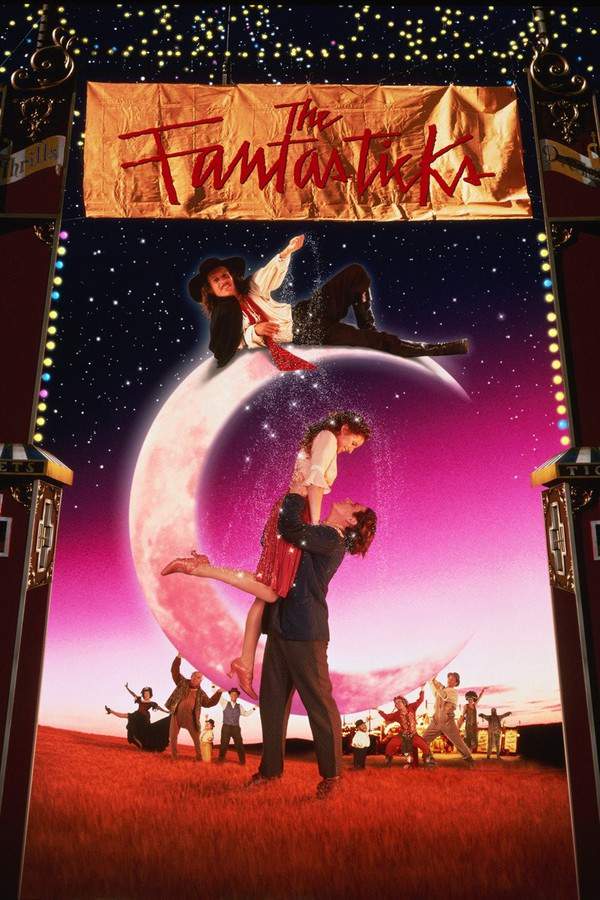
Whimsical and bittersweet comedies like The Boy Friend

Charming stories that blend fantasy and reality for a delightful, thoughtful escape. Fans of The Boy Friend's playful tone and nostalgic glamour will enjoy these whimsical stories. Discover movies that blend comedy, romance, and fantasy into a heartwarming spectacle, often ending on a bittersweet note that celebrates love and personal joy over conventional success.

  • whimsical
  • nostalgic
  • bittersweet
  • romantic
  • playful
  • fantastical
  • Tone: whimsical, bittersweet, romantic
  • Pacing: variable, with rhythmic highs and lows
Why these movies?

The story pattern: The narrative pattern involves characters using imagination or fantasy as a refuge from a less-than-perfect reality. The journey is often comedic and romantic, but it gently acknowledges the limits of fantasy, leading to a conclusion where characters choose authentic, personal happiness—a choice that is joyful yet tinged with the sadness of paths not taken.

Why they belong together: These movies share a specific tonal blend: they are primarily light and whimsical, yet they carry an undercurrent of thoughtful reality that prevents them from being purely saccharine. This mix of playful escapism and bittersweet grounding creates a unique, heartwarming vibe that feels both uplifting and genuine.

If you liked this

Movies Like The Boy Friend

Similar movies to The Boy Friend: the same genre, themes or kind of story. Each one comes with its own plot summary, timeline and ending explained.

Browse all movie summaries

Every angle

The Boy Friend (1971) Explained: Plot, Timeline & Characters

Everything about The Boy Friend in one place: what happens in the plot summary, the timeline in chronological order, the characters and meaning and a spoiler-free summary. What's After the Movie adds the cast, box office and post-credit scenes.

Coming soon on iOS and Android

The Plot Explained Movie Summary App

Plot summaries, endings explained and timelines on your phone. Catch up on any movie in minutes, save your favorites and never miss a twist again.

Be the first to know when we launch. Your email stays private, always.

Learn more about the app