Plot Explained Spoilers guaranteed!
Plot Explained

Browse by genre

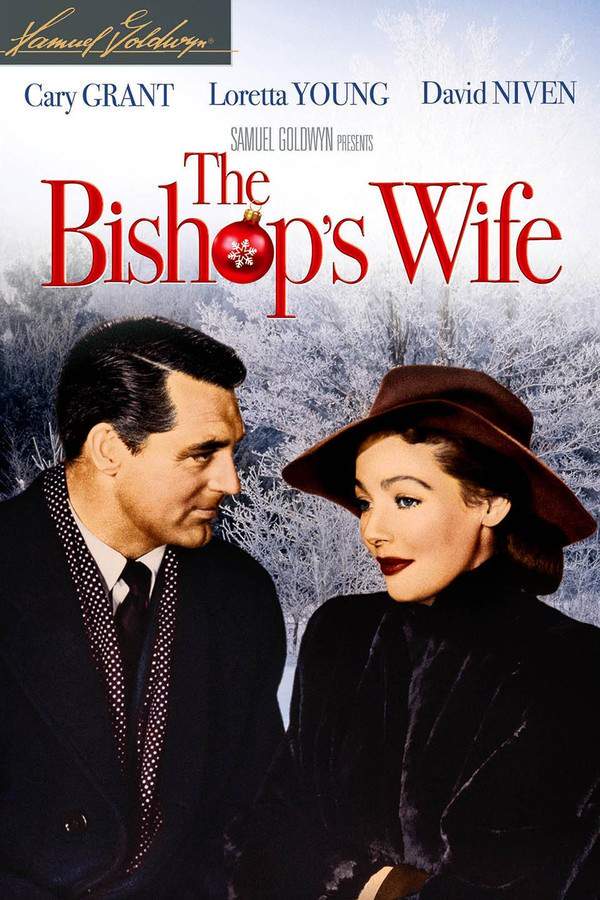
The Bishop's Wife (1948) movie poster

Plot Summary

The Bishop's Wife (1948) Plot Summary Explained

Release, runtime and language
1948 · 109 min · English
JustWatch #9,849 7
Directed by
Henry Koster
Starring
David Niven, Gladys Cooper, Cary Grant, Elsa Lanchester, James Gleason, Karolyn Grimes

Facing a crisis with his cathedral fund, Bishop Henry Brougham seeks divine intervention. He unexpectedly receives an angel named Dudley, who arrives to help but unintentionally complicates matters. Dudley's charm and presence stir up feelings and disrupt the bishop's marriage, forcing Henry to question his values and re-evaluate his relationships in this delightful romantic comedy.

On this page (6)
  1. 1 Where to watch
  2. 2 What happens: full plot
  3. 3 Plot questions answered
  4. 4 Movie threads
  5. 5 Movies like The Bishop's Wife
  6. 6 Every angle

Where to watch

Where to Watch The Bishop's Wife (1948)

Where can you watch The Bishop's Wife? Stream, rent or buy it in the US, including on Amazon Prime Video, BYUtv and Fawesome: current JustWatch availability with up-to-date prices.

Streaming availability powered by JustWatch

Full plot summary · contains spoilers

What Happens in The Bishop's Wife: Full Plot Summary

The whole story of The Bishop's Wife (1948) explained, from the opening scene to the final frame: every key event, every twist and what it all adds up to. Read it as a quick recap before the sequel, to check a scene you missed, or to finally understand what really happened.

On a snowy evening in New York City, a charming gentleman, Cary Grant, leisurely wanders the streets, taking in the holiday decorations and the joyous smiles of children. His kind actions seem almost magical as he helps a blind man navigate the streets and saves a baby in peril from oncoming traffic. When he encounters the lovely yet sorrowful Julia, portrayed by Loretta Young, engaged in conversation with her old friend, Professor Wutheridge, played by Monty Woolley, he feels compelled to lend her assistance. Assuming the guise of an old acquaintance, he gathers information about Julia's struggles from the professor, who is left questioning the gentleman's true identity.

Returning to her home, Julia finds her husband, David Niven, the bishop Henry Brougham, embroiled in a tense argument with the powerful and affluent committee chair, Mrs. Hamilton, portrayed by Gladys Cooper. Henry is passionate about constructing a new cathedral but needs Mrs. Hamilton's financial backing, which she insists must be a tribute to her deceased husband. The marital tension between Henry and Julia is palpable as their relationship deteriorates under the strain of his obsession with the cathedral project. Distressed and overwhelmed, Henry retires to his study, ultimate in despair, and prays for divine guidance.

Unexpectedly, a gentleman named Dudley claims to be an angel who has appeared in response to Henry's prayer. Despite Henry's skepticism, Dudley swiftly endears himself to everyone around—his maid, Matilda (Elsa Lanchester), his little daughter Debby (Karolyn Grimes), and even Julia, who is captivated by Dudley's extensive knowledge and charm. Throughout this, Henry finds himself becoming increasingly frustrated by Dudley's presence, particularly as his plans for the cathedral remain stagnant.

An impending confrontation brews as Henry contemplates yielding to Mrs. Hamilton’s demands to expedite his life returning to normal. Uneasy about his lunch plans with Julia and the choir practice at St. Timothy's, Henry begrudgingly declines Dudley’s offer to visit Mrs. Hamilton, leading to a lively outing between Dudley and Julia filled with lunch, choir rehearsal, and ice skating. While Dudley inspires joy among the choir boys, Henry struggles to appease Mrs. Hamilton, ultimately pledging to fulfill her whimsical stained-glass window requirements, humorously leading to a comedic situation where he gets stuck to his chair.

Later, Henry expresses to Dudley that he is ready for him to leave, believing his prayer has been answered. However, Dudley raises doubts about whether Henry truly desires the cathedral or Julia’s happiness more. Angry, Henry commands Dudley to exit his life. As Dudley departs, he wisely advises Henry not to show such anger to Julia. During a visit to Professor Wutheridge, Henry reveals his fears about losing Julia to Dudley but learns from the professor that his status as a mortal man provides a significant edge over an angel in matters of the heart.

As December 24th unfolds, Henry submits his Christmas Eve sermon manuscript to his secretary, Miss Cassaway (Sara Haden), who is less than enthusiastic about the late hours. Dudley offers to assist, whimsically discarding the manuscript and dictating a new sermon focused on Christmas gifts and goodwill. Meanwhile, as Henry and Julia make social calls, they return home to find that Dudley has moved Mrs. Hamilton with a poignant musical piece that evokes memories of her first love, Allan, resulting in a softened heart and a willingness to support the poor.

With renewed clarity, Henry confronts Dudley, admitting that Julia surpasses all else in importance, thus establishing his priorities. Dudley acknowledges this shift and prepares to depart, stating that Henry had indeed received his answer to prayer—not for a cathedral, but for wisdom. Dudley has one last heartfelt conversation with Julia, confirming he must move on, which she firmly accepts, leading to him removing any remnants of his existence from their memory.

Ultimately, as the community gathers for Henry's transformed Christmas Eve sermon, Dudley stands outside, unrecognized, departing with a smile into the snowy streets. Henry delivers an impassioned message urging his congregation to fill Jesus' stocking with love, kindness, and understanding—all the beautiful gifts that contribute to peace on Earth.
Last updated: May 28, 2025 at 19:07

Was this helpful?

Plot questions answered

The Bishop's Wife Plot Explained: Your Questions Answered

The questions people ask most about The Bishop's Wife (1948): what happens in the confusing scenes, why the characters do what they do, the twists, hidden details and what the ending means. Each answer contains spoilers.

Q1

Why does Bishop Henry become jealous of the angel?

Henry becomes jealous because Dudley, despite being sent to help Henry with his cathedral project, instead wins over Julia's heart and the entire household. Henry feels sidelined in his own home as Dudley spends time with Julia, takes her to choir practice and ice skating, and becomes the beloved figure Henry wishes he could be. The jealousy forces Henry to confront what truly matters to him, his marriage or his ambition.

Foreshadowing: Early scenes show Henry neglects Julia while focusing on the cathedral, creating the emotional gap Dudley fills.

  • bishop henry
  • duley
  • jealousy
  • marriage
  • angel
Q2

How does Dudley convince Mrs. Hamilton to support the cathedral?

Dudley doesn't directly convince Mrs. Hamilton about the cathedral. Instead, he plays an old love song on her harp that evokes memories of her first love, Allan. This musical moment softens her heart and reminds her of the importance of love and compassion over material wealth. She decides to use her wealth for charitable causes instead of demanding the cathedral be a tribute to her deceased husband.
Foreshadowing: Mrs. Hamilton's rigid stance earlier in the film hints at her underlying emotional vulnerability.

  • mrs hamilton
  • cathedral funding
  • song
  • harp
  • charity
Q3

Does Henry choose Julia or the cathedral?

Henry ultimately chooses Julia. After Dudley challenges him to examine his true priorities, Henry confronts Dudley and declares that Julia is more important than the cathedral he has spent years pursuing. This realization, that his marriage matters more than his ambitious project, proves Henry has learned his lesson and received the wisdom he prayed for.

Foreshadowing: Henry's obsession with the cathedral has been straining his marriage from the beginning.

  • henry
  • julia
  • cathedral
  • choice
  • priorities
Q4

Why does Dudley seem to help Julia more than Henry?

Dudley's true purpose is not to build the cathedral but to restore balance in Henry's life. By spending time with Julia, Dudley helps her reconnect with joy and kindness, which indirectly forces Henry to recognize what he's been neglecting. Henry's initial prayer asked for help with the cathedral, but Dudley recognizes that Henry's deeper need is to rediscover his priorities and strengthen his marriage.

Foreshadowing: Dudley observes early on that Julia is sad and troubled, showing his attention is already drawn to her needs.

  • dudley
  • julia
  • help
  • angel purpose
Q5

Why does Dudley have to leave at the end?

Dudley must leave because angels cannot form lasting attachments to humans. During his final conversation with Julia, she accepts that he cannot stay. Dudley removes any remnants of his existence from their memory, ensuring the family is better off for his presence but without retaining any conscious recollection of him.

Foreshadowing: Dudley himself hints at his transient nature when he tells Julia he must move on.

  • duley
  • departure
  • angel
  • memory
  • farewell
Q6

What memory does Dudley's song trigger for Mrs. Hamilton?

Dudley plays an old love song on Mrs. Hamilton's harp that evokes memories of her first love, Allan. The song brings back her romantic past and reminds her that love and emotional connection matter more than wealth or memorial obligations. This emotional journey softens her rigid stance about the cathedral being a tribute to her deceased husband.

  • mrs hamilton
  • song
  • harp
  • allan
  • memory
Q7

What happens to the cathedral funding after Dudley leaves?

After Dudley's influence softens Mrs. Hamilton's heart, she decides to use her wealth for charitable causes rather than demanding the cathedral be a tribute to her deceased husband. While the film doesn't explicitly state the cathedral is fully funded, Mrs. Hamilton's change of heart removes the major obstacle that had consumed Henry's attention for years.

Foreshadowing: Henry's earlier refusal to compromise on the cathedral's design contrasts with Mrs. Hamilton's eventual willingness to give generously.

  • cathedral
  • funding
  • mrs hamilton
  • charity
Q8

Why does Henry pray for divine intervention?

Henry prays for guidance because he is overwhelmed by the strain between his cathedral project and his deteriorating marriage. Facing a crisis with Mrs. Hamilton's demands and feeling distant from Julia, Henry desperately seeks divine help, but what he receives is not the cathedral he wanted, but wisdom about what truly matters in life.

Foreshadowing: The opening scenes establish Henry's frustration and the marital tension caused by his obsession.

  • henry
  • prayer
  • guidance
  • cathedral
  • crisis
Q9

What is the meaning of Henry's Christmas Eve sermon?

Henry's Christmas Eve sermon, which Dudley helped inspire by discarding his original manuscript, delivers the film's message: the true gifts of Christmas are love, kindness, and understanding. Henry urges his congregation to fill Jesus' stocking with these qualities rather than material presents, reflecting the lesson he learned from Dudley about prioritizing genuine human connection over ambitious projects.

Foreshadowing: Dudley's whimsical discarding of Henry's original sermon and his dictation of a new one foreshadows this heartwarming conclusion.

  • christmas
  • sermon
  • message
  • love
  • kindness
Q10

Why do the children and Julia enjoy ice skating with Dudley so much?

Dudley's angelic nature brings out joy and wonder in those around him. During the ice skating outing, his charm and playful demeanor inspire genuine happiness in Julia and the children, contrasting sharply with Henry's preoccupied and frustrated state. This experience helps Julia reconnect with joy and shows Henry what he's been missing by neglecting his family.

  • dudley
  • julia
  • ice skating
  • joy
  • children

Movie threads

More Movies Like The Bishop's Wife, by Mood & Story

Curated lists built around what makes The Bishop's Wife tick: the same mood, the same kind of story or the same emotional payoff. Each list explains why these movies belong together.

Magical Intervention Movies like The Bishop's Wife

Stories where gentle magic brings clarity and warmth to human lives. If you loved the charming angel Dudley in The Bishop's Wife, discover more movies where magical helpers appear. These films share a gentle, whimsical tone and explore themes of faith, love, and re-evaluating life's priorities through delightful supernatural encounters.

  • magical
  • hopeful
  • comforting
  • whimsical
  • gentle
  • heartwarming
  • Tone: whimsical, hopeful
  • Pacing: steady, gentle
Why these movies?

The story pattern: This thread groups stories where a benevolent magical force intervenes in human affairs. The narrative typically follows a character who is lost or stressed, and the magical element subtly guides them—and often those around them—toward a happier, more meaningful resolution without high-stakes conflict.

Why they belong together: Movies in this thread are united by their use of gentle fantasy to explore heartfelt themes. They share a low-intensity, hopeful mood where the primary drama comes from internal reflection and interpersonal relationships, always leading to a positive and uplifting conclusion.

Holiday Romance and Redemption Movies like The Bishop's Wife

Festive stories where the season helps characters reconnect and find joy. Fans of The Bishop's Wife will enjoy these other holiday films where Christmas spirit rekindles love and fixes relationships. These movies blend romance, gentle comedy, and a message of hope, perfect for viewers seeking uplifting seasonal stories with emotional warmth.
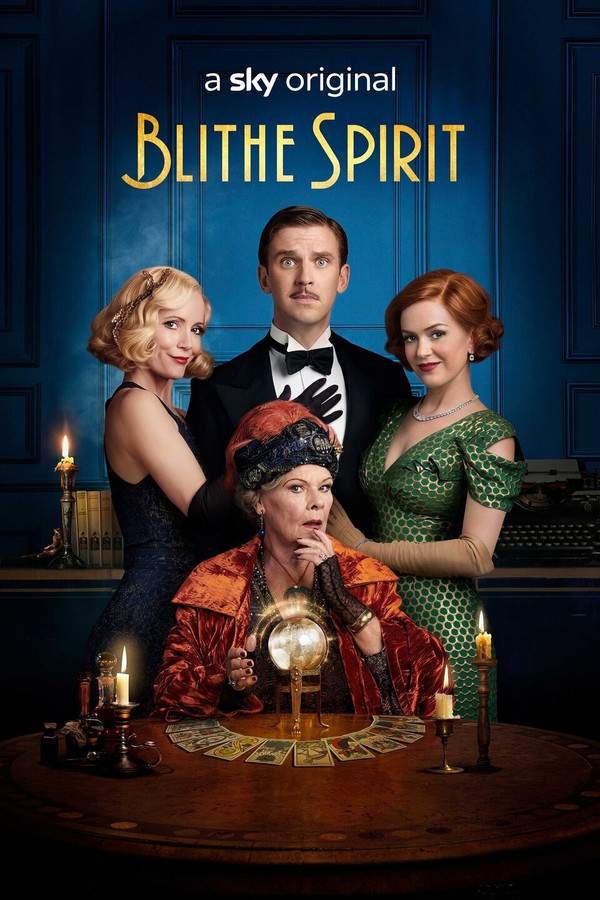
  • holiday
  • romantic
  • nostalgic
  • comforting
  • hopeful
  • cozy
  • Tone: hopeful, nostalgic
  • Pacing: steady, cozy
Why these movies?

The story pattern: The narrative pattern involves a central relationship—often a marriage—that has grown distant due to work or other distractions. The holiday season introduces an element, sometimes magical, that forces the characters to spend time together and remember their foundational bonds, leading to a heartfelt reconciliation.
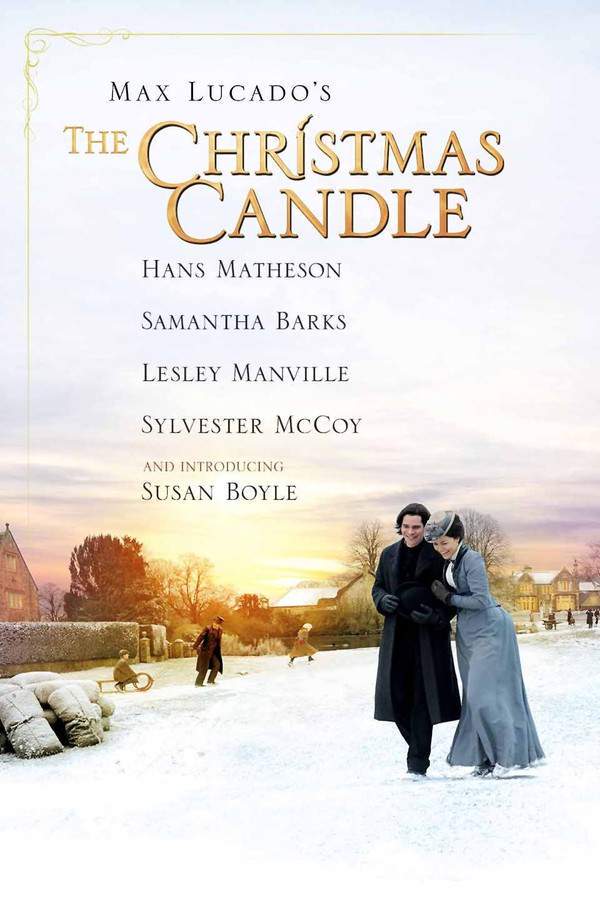
Why they belong together: This thread connects films through their shared holiday setting and its thematic role in facilitating emotional repair. They possess a steady pace, a light emotional weight, and a consistently hopeful, comforting mood that makes them perfect for seasonal viewing.

If you liked this

Movies Like The Bishop's Wife

Similar movies to The Bishop's Wife: the same genre, themes or kind of story. Each one comes with its own plot summary, timeline and ending explained.

Browse all movie summaries

Every angle

The Bishop's Wife (1948) Explained: Plot, Timeline & Characters

Everything about The Bishop's Wife in one place: what happens in the plot summary, the timeline in chronological order, the characters and meaning and a spoiler-free summary. What's After the Movie adds the cast, box office and post-credit scenes.

Coming soon on iOS and Android

The Plot Explained Movie Summary App

Plot summaries, endings explained and timelines on your phone. Catch up on any movie in minutes, save your favorites and never miss a twist again.

Be the first to know when we launch. Your email stays private, always.

Learn more about the app