Plot Explained Spoilers guaranteed!
Plot Explained

Browse by genre

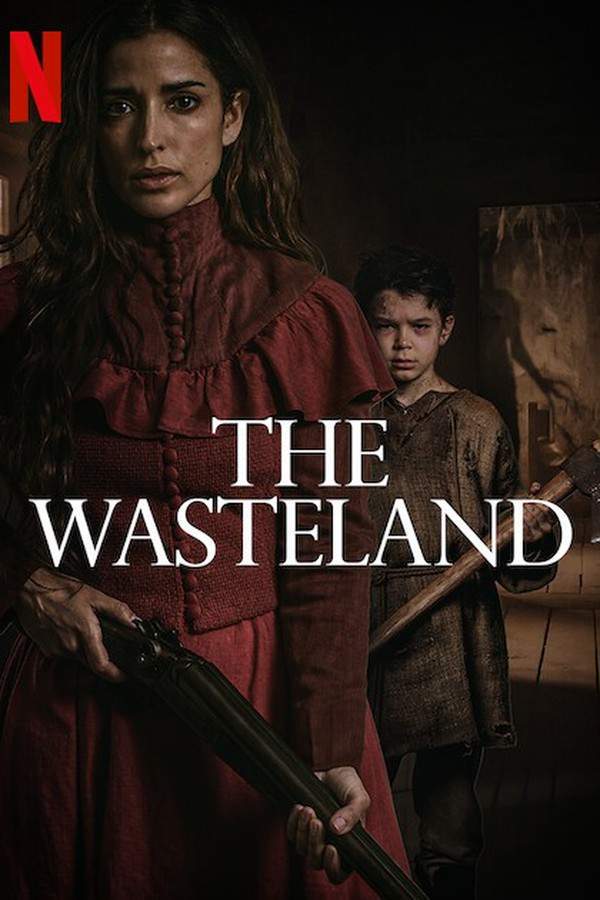
The Wasteland (2022) movie poster

Ending Explained

The Wasteland (2022) Ending Explained – Final Scene & Meaning

Release, runtime and language
2022 · 92 min · Spanish
Echo score 54
Directed by
David Casademunt
Starring
Asier Flores, Inma Cuesta, Alejandra Howard, Roberto Álamo, Víctor Benjumea
Budget
$2M

A seemingly idyllic family's peaceful existence is threatened when a terrifying presence invades their isolated home. As the entity's influence grows, the family must confront the fragility of their bond and the unsettling darkness that surrounds them, testing the limits of their love and sanity.

On this page (5)
  1. 1 What happens at the end
  2. 2 Final events in order
  3. 3 Ending questions answered
  4. 4 Movie threads
  5. 5 Every angle

Ending explained · contains spoilers

What Happens at the End of The Wasteland?

How The Wasteland (2022) ends, what the final scene means, which earlier moments set it up and how to read the ending if the film leaves it open. The full ending explained, with every spoiler.

The ending of "The Wasteland" leaves viewers contemplating the blurred line between reality and imagination, rooted in deep psychological fears. Throughout the film, the family’s encounters with an ominous beast symbolize their internal anxieties—fear, trauma, and helplessness—rather than a literal monster. The creature appears to be a personification of these collective fears, especially heightened by Salvador’s absence and the growing instability of Lucia’s mental state. Lucia’s paranoia intensifies as she fires her shotgun at the lurking figure, convinced of its presence, though Diego initially doubts her perception. As the story progresses, it becomes clear that the beast isn’t a real entity but a manifestation of subconscious dread—one influenced heavily by Lucia’s fragile psyche and her belief in its existence.

When Salvador’s sister also saw the beast and ultimately took her own life, it hints that her perception might have been shaped by her own troubled mind and abuse, rather than an actual monster. Diego, influenced by his mother’s paranoia and love, begins to believe in the beast himself. In the final gut-wrenching scene, Diego’s act of immersing his mother’s body in the river is a tragic culmination. His reflection reveals scars similar to his father’s, implying that Salvador had perhaps seen the beast and endured its terror silently. Meanwhile, the beast's presence in the reflection suggests that these fears—though seemingly vanquished—still linger beneath the surface. Diego, following in his father’s footsteps, chooses to return home, carrying the burden of trauma and uncertainty.

The film ultimately explores how our fears—whether real or imagined—can take hold of us, shaping our perception of the world and ourselves. In a time marked by collective crises such as the pandemic, "The Wasteland" becomes a powerful metaphor for the way fear and psychological trauma can become like ghosts that haunt us long after the immediate danger has passed. The ending emphasizes that closure remains elusive, and that sometimes, the monsters we fear the most are born from within us. The haunting image of Diego looking at his scars and the reflection of the beast reminds us that these inner demons are complex, persistent, and often intertwined with the trauma of loss and survival.

Last updated: June 25, 2025 at 08:58

Was this helpful?

The last 4 events

How The Wasteland Ends: The Final Events in Order

The last events of The Wasteland (2022) in chronological order, the run-up to the ending explained above. The complete timeline has all 12 events, scene by scene.

Open the full timeline
  1. Diego faces the beast

    Mustering courage, Diego grabs a gun and fires at the unseen threat. The blast echoes through the shack, but the beast remains unseen and the danger persists. The act proves he will not surrender.

    Where
    Shack
  2. Shack on fire and evacuation

    He sets the shack on fire and drags his mother outside. The flames roar as he fights to evacuate her from the burning home. The blaze consumes their shelter, sealing his decision to take matters into his own hands.

    Where
    Shack
  3. Wheelbarrow to the river

    He puts his mother in a wheelbarrow and wheels toward the river. Reaching the edge, he discovers she has died. The moment underscores the devastating cost of their encounter.

    Where
    Riverbank
  4. A silent walk into the future

    He floats her body down the river and walks away with quiet resolve. The landscape around him remains still as he moves toward an uncertain future. The final image is of a hardened boy pressed by loss and the mystery of the beast.

    Where
    Riverbank

Ending questions answered

The Wasteland Ending: Your Questions Answered

The questions people ask most about the ending of The Wasteland (2022): what the final scene means, how the twist works, what happens to each character and how to read the ending. Each answer contains spoilers.

Q1

Is the beast in The Wasteland real or a hallucination?

The beast is not a real entity but a manifestation of the family's collective psychological fears. Throughout the film, it personifies their internal anxieties, fear, trauma, and helplessness, rather than representing an actual monster lurking in their home.

Foreshadowing: Earlier encounters with the creature symbolize the family's growing psychological instability.

  • beast
  • monster
  • hallucination
  • psychological
  • fear
  • manifestation
Q2

Why does Lucia die in The Wasteland?

Lucia dies after becoming consumed by paranoia about the beast's presence. Her mental state deteriorates as she becomes convinced the creature is real, leading her to fire her shotgun at it. In the final scene, Diego immerses her body in the river, marking the tragic culmination of her psychological breakdown.

Foreshadowing: Lucia's paranoia intensifies progressively throughout the film as she loses touch with reality.

  • lucia
  • death
  • mother
  • paranoia
  • psychological breakdown
Q3

What do Diego's scars represent in the ending?

Diego's scars mirror his father's (Salvador's) scars, revealing that Salvador also experienced the same psychological terror. This implies that Salvador had seen the beast and endured its terror silently, passing this trauma down to his son.

Foreshadowing: The scars connect Diego to his father's history, suggesting a pattern of inherited trauma.

  • diego
  • scars
  • father
  • trauma
  • reflection
  • generational
Q4

Why does Diego start believing in the beast?

Diego comes to believe in the beast because of his mother's influence. As Lucia's paranoia intensifies and she becomes increasingly convinced of the creature's presence, Diego, influenced by her love and fear, adopts this belief as well.

Foreshadowing: Diego initially doubts the beast but gradually accepts it as his mother's conviction grows.

  • diego
  • belief
  • mother
  • influence
  • psychology
Q5

What happened to Salvador in The Wasteland?

Salvador appears to have experienced the same psychological phenomenon as his son. The scars on Diego's body mirror his father's, suggesting Salvador had seen the beast and endured its terror silently before his disappearance or death.

Foreshadowing: Salvador's warnings about the wasteland hint at his own traumatic encounters.

  • salvador
  • father
  • disappearance
  • fate
  • trauma
Q6

Why did Salvador's sister commit suicide?

Salvador's sister saw the beast and ultimately took her own life, but her perception was likely shaped by her own troubled mind and history of abuse, mirroring Lucia's psychological decline. This suggests she experienced the same manifestation of fear and trauma.

Foreshadowing: The family's history of trauma connects to multiple generations.

  • aunt
  • suicide
  • abuse
  • family history
  • trauma
Q7

What is the meaning of The Wasteland ending?

The ending explores how fear, whether real or imagined, can take hold of us and shape our perception of the world. The beast represents psychological trauma that persists even after immediate danger passes. Diego walking away with the beast still reflected in him suggests these inner demons are complex, persistent, and intertwined with loss and survival.

Foreshadowing: The film establishes fear as a haunting force from the opening scenes.

  • meaning
  • ending
  • metaphor
  • fear
  • trauma
  • psychological
Q8

What does the river scene mean in The Wasteland?

The river scene is Diego's tragic act of letting go, he immerses his mother's body in the water while confronting his own reflection. The reflection reveals his scars and the lingering beast, symbolizing that while the immediate threat may have passed, the psychological trauma remains embedded in him.

Foreshadowing: Water appears as a cleansing but also threatening element throughout the film.

  • river
  • body
  • reflection
  • water
  • symbolism
Q9

What does the beast's reflection in the final scene represent?

The beast appearing in Diego's reflection during the river scene signifies that the cycle of trauma continues. Though the physical manifestations may have ended, the psychological fear remains embedded in Diego, just as it was in his father. The inner demons persist and will likely affect future generations.

Foreshadowing: The beast's reflection mirrors earlier moments of psychological distortion.

  • reflection
  • cycle
  • demon
  • repetition
  • psychology
Q10

Is The Wasteland about generational trauma?

Yes, the film strongly explores generational trauma. Both Salvador and Diego bear scars from seeing the beast, suggesting the psychological fear passes between generations. The film metaphorically portrays how trauma and psychological struggles can become like ghosts that haunt families long after the original source of fear.

Foreshadowing: The father's warnings and absence set the pattern for Diego's journey.

  • generational
  • trauma
  • family
  • cycle
  • inheritance
Q11

Is The Wasteland a metaphor for the pandemic?

While not explicitly stated, the film uses the beast as a metaphor for collective crises like the pandemic. It represents how fear and psychological trauma can haunt us long after the immediate danger has passed. The family's isolation mirrors pandemic lockdowns, and their psychological deterioration reflects the mental health toll of collective crises.

Foreshadowing: The family's isolated setting amplifies their psychological unraveling.

  • pandemic
  • metaphor
  • collective fear
  • isolation
  • crisis

Movie threads

More Movies Like The Wasteland, by Mood & Story

Curated lists built around what makes The Wasteland tick: the same mood, the same kind of story or the same emotional payoff. Each list explains why these movies belong together.

Slow burn family trauma horror like The Wasteland

Stories where a family's fragile bond is shattered by relentless psychological terror. If you liked the oppressive dread and family breakdown in The Wasteland, explore more movies where psychological terror tests familial bonds. These films share a bleak tone, heavy emotional weight, and a focus on the tragic collapse of domestic safety.

  • psychological horror
  • family in peril
  • oppressive
  • desolate
  • dread
  • traumatic
  • Tone: bleak, oppressive, tragic
  • Pacing: slow, deliberate, atmospheric
Why these movies?

The story pattern: The narrative follows a family isolated by circumstance, often in a remote setting, as an unseen or psychological threat infiltrates their home. The story unfolds slowly, charting the gradual erosion of trust and sanity, leading to a devastating emotional climax that leaves the family unit permanently scarred or destroyed.

Why they belong together: Movies in this thread are grouped by their shared focus on domestic horror, a slow pacing that builds unbearable tension, and a bleak, emotionally crushing tone. They prioritize psychological dread over jump scares and explore the terrifying vulnerability of family dynamics.
Atmospheric isolation horror movies like The Wasteland

Films that craft a suffocating atmosphere of dread in isolated settings. Fans of The Wasteland's desolate setting and hopeless atmosphere will find more recommendations here. These movies use isolation to create a palpable sense of dread, focusing on psychological terror and bleak outcomes for characters trapped in unforgiving environments.

  • isolated
  • atmospheric
  • desolate
  • dread
  • hopeless
  • supernatural horror
  • Tone: bleak, gloomy, terrifying
  • Pacing: slow, atmospheric, tense
Why these movies?

The story pattern: The plot revolves around characters, often a small group or family, trapped in a remote location—a house in a wasteland, an arctic station, a secluded cabin. The narrative is straightforward, focusing less on complex twists and more on the relentless, slow-building pressure of the environment and the unseen threat within it, leading to a grim conclusion.

Why they belong together: These films are connected by their overwhelming atmosphere of isolation and dread. They share a slow, deliberate pace that allows the setting to become a character, a bleak tone that offers little hope, and a high intensity of psychological fear rather than graphic action.

Every angle

The Wasteland (2022) Explained: Plot, Ending, Timeline & Characters

Everything about The Wasteland in one place: what happens in the plot summary, the timeline in chronological order, the characters and meaning, the ending explained and a spoiler-free summary. What's After the Movie adds the cast, box office and post-credit scenes.

Coming soon on iOS and Android

The Plot Explained Movie Summary App

Plot summaries, endings explained and timelines on your phone. Catch up on any movie in minutes, save your favorites and never miss a twist again.

Be the first to know when we launch. Your email stays private, always.

Learn more about the app