Plot Explained Spoilers guaranteed!
Plot Explained

Browse by genre

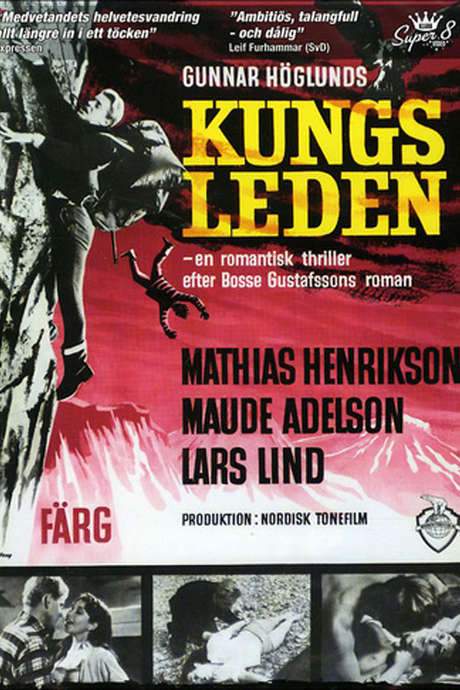
The Bad Seeds (1996) movie poster

Timeline

The Bad Seeds (1996) Timeline Explained – Every Event in Order

Release, runtime and language
1996 · 90 mins · Danish
Directed by
Carsten Fromberg
Starring
Thomas Bo Larsen, Bjarne Henriksen, Claes Ljungmark, Sten Elfström, Jens Okking, Paul Hüttel

A veteran prison guard, Lasse, runs a rehabilitation program that takes young inmates on a grueling survival trek across the bleak Swedish wilderness. As his health forces him toward retirement, he organizes one final expedition, hoping to give the boys a chance at redemption before he must step down.

On this page (5)
  1. 1 Events in order (12)
  2. 2 Timeline questions answered
  3. 3 Movie threads
  4. 4 Movies like The Bad Seeds
  5. 5 Every angle

12 events in order · contains spoilers

The Bad Seeds Timeline: Events in Chronological Order

Every key event of The Bad Seeds (1996) in order, scene by scene, with when and where it takes place. Use it to untangle flashbacks, time jumps and parallel storylines, to refresh your memory before the sequel or to find the exact scene you are thinking of.

  1. Introduction of Rhoda Penmark

    Eight-year-old Rhoda Penmark is introduced as a sweet and intelligent girl loved by adults but perceived as unsettling by her classmates who sense she is 'not quite right.' Her family life appears normal, but there's an underlying darkness in her character. Rhoda is shown as callous and detached from her surroundings.

  2. Rhoda's callous reaction to Claude Daigle's death

    While her father is away on a business trip, Christine notices Rhoda's indifferent attitude toward her classmate Claude Daigle's death, which was ruled accidental but leaves crescent-shaped marks on his face. Rhoda's lack of remorse raises suspicion about her true nature. This event marks the beginning of Christine's growing concern.

    Where
    Fern Grammar School
  3. Conflict over the penmanship medal

    Rhoda quarreled with Claude over a medal for perfect penmanship that she believed she deserved, suggesting early signs of her competitiveness and entitlement. This conflict hints at her potential motives related to competition and recognition. Christine begins to realize her daughter might be capable of darker actions.

  4. Suspicious incidents involving family pets and babysitter

    Christine recalls mysterious deaths of her pet dog and Rhoda's elderly babysitter, both of which seem suspicious and potentially linked to Rhoda's callousness. These incidents highlight a pattern of troubling behavior and hint at Rhoda's capacity for harm. Christine's concern about her daughter's true nature deepens.

  5. Christine's investigation into Rhoda's background

    Christine discovers that she was adopted and that her birth mother, Bessie Denker, was a serial killer executed in the electric chair. This startling revelation causes Christine to worry about hereditary tendencies in Rhoda. Her mental state begins to deteriorate as she grapples with the disturbing truths.

  6. Christine's emotional turmoil and secret letters

    Overcome with guilt and fear, Christine writes secret letters to her husband, blaming herself for passing on the 'bad seed' gene to Rhoda. She fears that her discovery about her mother's dark past might lead to catastrophe. She chooses not to mail the letters to protect her family.

  7. Leroy Jessup's suspicion and teasing

    Leroy Jessup, the maintenance man, becomes aware of Rhoda's possible involvement in Claude's death and teases her about it. Rhoda feigns indifference until Leroy suggests she used her shoes to beat Claude, which triggers her fear of being exposed. This marks the beginning of her attempt to conceal her true nature.

    Where
    Apartment complex
  8. Leroy's murder

    Fearing exposure, Rhoda waits until Leroy is asleep, then sets his mattress ablaze and locks him in his shed. Christine witnesses the horrifying scene from afar, realizing Rhoda’s capacity for murder. Leroy dies in the fire, confirming Rhoda's lethal tendencies.

    Where
    Apartment complex shed
  9. Confrontation and confession

    Christine confronts Rhoda, who admits to killing Leroy and Claude without showing remorse. Her chilling confession reveals her complete lack of conscience. This confrontation seals the reality of Rhoda's dark nature for Christine.

  10. Christine's final attempt to stop Rhoda

    Desperate to prevent Rhoda from becoming like her mother, Christine secretly gives Rhoda an overdose of sleeping pills. She also destroys the unsent letters that detail her suspicions. Her aim is to protect her daughter from her own dangerous tendencies.

  11. Christine's self-sacrifice and her death

    Christine shoots herself in the head, dying in the hospital after destroying her secret writings. Her death leaves Rhoda free to continue her dark path. The neighbor, hearing the gunshot, intervenes and saves Rhoda, thus ending her mother's attempts to control her.

    Where
    Hospital
  12. Rhoda's future remains uncertain

    With her mother dead and all evidence of her crimes destroyed, Rhoda is left with the freedom to kill again. The film ends with her continuing her sinister nature, leaving her future open to interpretation. The story closes on her unrepentant and unsettling presence.

Last updated: August 19, 2025 at 05:14

Was this helpful?

Timeline questions answered

The Bad Seeds Timeline Explained: Your Questions Answered

When does it happen, and why in that order? The questions people ask about the chronology of The Bad Seeds (1996): time jumps, flashbacks, cause and effect between scenes and the correct order of events, each answered with spoilers.

Q1

Why did Rhoda kill her classmate Claude Daigle?

Rhoda killed Claude Daigle because she was furious that he won a medal for perfect penmanship that she believed she deserved. When Claude received the award, Rhoda quarreled with him and, in a fit of rage, used her cleated shoes to beat him to death, leaving crescent-shaped marks on his face. This reveals her extreme competitiveness and complete lack of conscience even at eight years old.

Foreshadowing: The film hints early on that Rhoda is 'not quite right,' with her classmates sensing something unsettling about her despite her charming exterior.

  • rhoda penmark
  • claude daigle
  • penmanship medal
  • child murder
  • crescent marks
Q2

What is the 'bad seed' gene that Christine fears?

Christine discovers she was adopted and that her birth mother, Bessie Denker, was a notorious serial killer who was executed in the electric chair. Believing this violent tendency might be hereditary, Christine becomes terrified that she may have passed this 'bad seed' gene to Rhoda, causing her daughter to inherit the same murderous impulses.

Foreshadowing: Christine recalls suspicious deaths of their pet dog and elderly babysitter, which now seem connected to Rhoda's dark nature.

  • bad seed
  • hereditary
  • serial killer
  • bessie denker
  • adoption
  • genetics
Q3

Why does Rhoda kill the maintenance man Leroy Jessup?

Leroy Jessup teases Rhoda about Claude's death, hinting that he knows she used her cleated shoes to beat Claude. Fearing exposure of her crimes, Rhoda waits until Leroy is asleep, then sets his mattress on fire and locks him in his shed. He dies in the blaze. This demonstrates her calculated ability to eliminate anyone who threatens to expose her.

Foreshadowing: Rhoda previously showed her capacity for harm through the deaths of the family pet and babysitter.

  • leroy jessup
  • maintenance man
  • fire
  • murder
  • cover-up
Q4

Why does Christine give Rhoda an overdose of sleeping pills?

After Rhoda admits to killing both Claude and Leroy without any remorse, Christine becomes desperate to prevent her daughter from following in her grandmother's footsteps as a serial killer. In a final attempt to stop Rhoda's potential future victims, she secretly gives her an overdose of sleeping pills, believing this is the only way to protect others from her daughter's deadly nature.

Foreshadowing: Christine has been writing unsent letters to her husband expressing her fear that Rhoda's 'bad seed' would lead to catastrophe.

  • sleeping pills
  • overdose
  • christine penmark
  • desperate mother
  • prevention
Q5

Why does Christine shoot herself after giving Rhoda the pills?

After administering the overdose to Rhoda, Christine destroys her unsent letters that documented her fears about Rhoda's nature. She then shoots herself in the head. In the hospital, she dies from her injuries. Her suicide appears to be driven by overwhelming guilt, despair at failing to save her daughter, and an inability to live with the knowledge of Rhoda's crimes.

Foreshadowing: Christine's mental health had been declining throughout the film as she grappled with her family secret and her daughter's true nature.

  • christine penmark
  • suicide
  • gunshot
  • guilt
  • despair
  • hospital death
Q6

What do the crescent-shaped marks on Claude Daigle's face mean?

The crescent-shaped marks on Claude Daigle's face were the impressions left by Rhoda's cleated shoes when she beat him to death. These marks became crucial evidence suggesting the death was not an accident but a deliberate attack. The marks are what first made Christine suspect her daughter might be responsible.

Foreshadowing: Rhoda is shown wearing cleated shoes early in the film, though their significance is not immediately clear.

  • crescent marks
  • claude daigle
  • cleated shoes
  • evidence
  • face marks
Q7

Is Rhoda Penmark a sociopath?

Rhoda displays classic traits of sociopathy: she feels no remorse for her actions, manipulates adults with her charming demeanor, and kills without hesitation when threatened. She maintains a sweet exterior while committing cold-blooded murders. Her complete lack of conscience and emotional attachment, even to her mother, strongly suggests she has antisocial personality traits.

Foreshadowing: From the opening, her classmates sense something is 'not quite right' about her, even while adults are charmed by her.

  • sociopath
  • sociopathy
  • no remorse
  • charming
  • manipulative
  • evil child
Q8

Why does Christine write letters to her husband but never send them?

Christine writes secret letters to her husband Kenneth, confessing her fears that Rhoda has inherited the 'bad seed' gene and could become a killer. She never sends them because she is terrified that if anyone discovers her confessions, they might take action against Rhoda, or expose her own fear that she passed on dangerous hereditary traits. She fears the social consequences and blames herself for Rhoda's nature.

Foreshadowing: These letters represent Christine's growing paranoia and guilt throughout the film.

  • unsent letters
  • christine
  • kenneth penmark
  • confession
  • self-blame
Q9

What happened to Rhoda's pet dog and babysitter?

Christine realizes that the mysterious deaths of their pet dog and Rhoda's elderly babysitter were likely caused by Rhoda. These incidents occurred before the main events of the film and represent a pattern of lethal behavior. Christine recalls these deaths with growing horror as she comes to terms with her daughter's capacity for violence against both animals and humans.

Foreshadowing: These early incidents establish Rhoda's history of violence before Claude's death.

  • pet dog
  • babysitter
  • deaths
  • mysterious
  • pattern of violence
Q10

What happens to Rhoda after Christine dies?

After Christine shoots herself and dies in the hospital, Rhoda is rescued by neighbors who break into the apartment. She is physically unharmed and remains free because all evidence of her crimes has been destroyed, including Christine's incriminating letters. With her mother dead and no one left who knows the truth, Rhoda is free to potentially kill again, as the film ends with her sinister nature unchallenged.

Foreshadowing: The film's bleak ending suggests Rhoda will continue her pattern of violence unchecked.

  • rhoda future
  • free
  • unchecked
  • cycle of violence
  • ominous ending
Q11

Why does the film end with Rhoda remaining free?

The film ends bleakly because Christine's attempts to stop Rhoda backfire completely. By killing herself, Christine removes the only person who knew the truth about Rhoda. Her destruction of the letters means no evidence remains. This tragic conclusion suggests the 'bad seed' has won, the innocent mother dies while the guilty child survives unscathed, free to potentially harm others.

Foreshadowing: The film establishes early on that Rhoda is 'not quite right' and seems destined for darkness.

  • bleak ending
  • tragic
  • no justice
  • mother dies child lives
  • cycle continues

Movie threads

More Movies Like The Bad Seeds, by Mood & Story

Curated lists built around what makes The Bad Seeds tick: the same mood, the same kind of story or the same emotional payoff. Each list explains why these movies belong together.

Slow Burn Psychological Thrillers Like The Bad Seeds

Stories where quiet tension methodically builds to a devastating conclusion. For viewers who appreciated the methodical build of tension in The Bad Seeds, this list features movies with a similar steady pacing and psychological depth. If you like thrillers where suspense grows from character and atmosphere rather than fast-paced action, you'll find similar unsettling stories here.

  • suspenseful
  • unsettling
  • anxious
  • grim
  • chilling
  • methodical
  • Tone: dark, tense, unsettling
  • Pacing: steady, methodical
Why these movies?

The story pattern: Narratives in this thread typically follow a linear but layered path, where a central mystery or disturbing reality is slowly revealed. The journey is characterized by growing suspicion and the gradual erosion of a character's sense of safety, often climaxing in a stark and unflinching resolution.

Why they belong together: Movies are grouped here based on their shared approach to suspense: a steady, deliberate pace, a high degree of psychological intensity, and a tone that is consistently dark and unsettling. They prioritize atmospheric dread over chaotic action.

Bleak Stories of Inherited Evil Like The Bad Seeds

Tragedies exploring the unsettling question of nature versus nurture. If the central theme of inherited evil and tragic inevitability in The Bad Seeds captivated you, this collection features similar movies. Explore other grim stories that delve into nature versus nurture, childhood psychopathy, and the heavy burden of confronting evil within one's own family.

  • disturbing
  • grim
  • tragic
  • unsettling
  • psychological
  • tense
  • Tone: dark, bleak, tragic
  • Pacing: steady, grim
Why these movies?

The story pattern: The narrative pattern revolves around the discovery and gradual confirmation of a character's inherent malevolence. The central conflict is often internal and moral, pitting love or duty against horrifying evidence. The journey typically ends in tragedy, with the 'evil' surviving and the innocent suffering, suggesting a cyclical and hopeless nature to the conflict.

Why they belong together: These films are connected by their shared focus on the theme of inherent evil, particularly in children or blood relations. They share a consistently dark tone, bleak endings, heavy emotional weight stemming from maternal/paternal guilt and tragedy, and the presence of deeply disturbing themes.

If you liked this

Movies Like The Bad Seeds

Similar movies to The Bad Seeds: the same genre, themes or kind of story. Each one comes with its own plot summary, timeline and ending explained.

Browse all movie summaries

Every angle

The Bad Seeds (1996) Explained: Plot, Timeline & Characters

Everything about The Bad Seeds in one place: what happens in the plot summary, the timeline in chronological order, the characters and meaning and a spoiler-free summary. What's After the Movie adds the cast, box office and post-credit scenes.

Coming soon on iOS and Android

The Plot Explained Movie Summary App

Plot summaries, endings explained and timelines on your phone. Catch up on any movie in minutes, save your favorites and never miss a twist again.

Be the first to know when we launch. Your email stays private, always.

Learn more about the app