





Plot Explained Spoilers guaranteed!
Plot Explained

Browse by genre

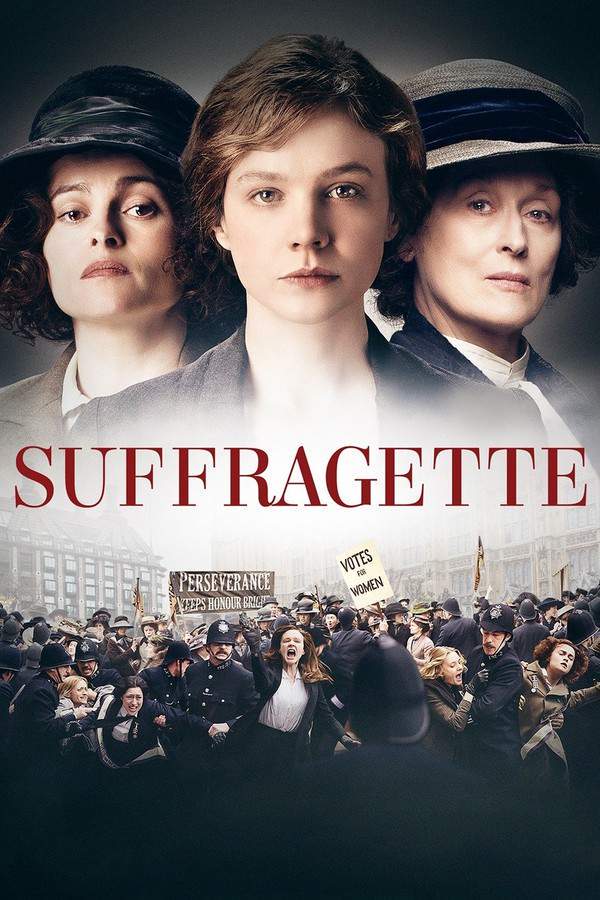
Suffragette (2015) movie poster

Timeline

Suffragette (2015) Timeline Explained – Every Event in Order

Release, runtime and language
2015 · 106 min · English
Directed by
Sarah Gavron
Starring
Helena Bonham Carter, Ben Whishaw, Anne-Marie Duff, Carey Mulligan

In early 20th-century England, working mother Maud Watts’s life changes dramatically as the suffragette movement gains strength. Inspired by Emmeline Pankhurst's activism, Maud joins a group of women fighting for the right to vote. Their bold actions lead to increasing police repression and severe consequences, putting their livelihoods, relationships, and even their lives at risk as they relentlessly pursue a just cause and equality for women.

On this page (6)
  1. 1 Where to watch
  2. 2 Events in order (14)
  3. 3 Timeline questions answered
  4. 4 Movie threads
  5. 5 Movies like Suffragette
  6. 6 Every angle

Where to watch

Where to Watch Suffragette (2015)

Where can you watch Suffragette? Stream, rent or buy it in the US, including on Amazon Video, Apple TV Store and Fandango At Home: current JustWatch availability with up-to-date prices.

Streaming availability powered by JustWatch

14 events in order · contains spoilers

Suffragette Timeline: Events in Chronological Order

Every key event of Suffragette (2015) in order, scene by scene, with when and where it takes place. Use it to untangle flashbacks, time jumps and parallel storylines, to refresh your memory before the sequel or to find the exact scene you are thinking of.

  1. Formation of the WSPU

    The Women’s Social and Political Union (WSPU) was established to advocate for women's suffrage in the early 20th century. This organization became a pivotal force in the fight for women's voting rights, bringing together passionate activists dedicated to the cause.

    Where
    London
  2. Early Peaceful Protests

    Initially, the suffragettes engaged in peaceful demonstrations and parliamentary efforts to secure voting rights for women. Despite their peaceful intentions, they faced significant resistance and their demands went largely unacknowledged.

    Where
    London
  3. Clandestine Meetings

    The suffragettes held secret meetings to strategize and discuss their next steps when peaceful protests failed. These meetings became crucial as they empowered the women to strengthen their resolve in the face of hostility.

    Where
    London
  4. Escalation of Activism

    As frustration grew due to ongoing mistreatment from employers and police, the suffragettes decided to escalate their activism. They transitioned from peaceful protests to acts of civil disobedience, believing that more aggressive actions were necessary to draw attention to their plight.

    Where
    London
  5. Acts of Vandalism

    The suffragettes began vandalizing key locations, including Oxford Street windows and government properties. This tactic was intended to disrupt everyday life and force society to confront the injustices faced by women seeking suffrage.

    Where
    London
  6. Increased Police Surveillance

    The government responded to the escalating protests with increased police surveillance of known suffragette leaders. As their actions intensified, so did the scrutiny and hostility towards the movement, creating a tense atmosphere in London.

    Where
    London
  7. Arrests and Imprisonment

    As a result of their civil disobedience, many suffragettes were arrested and imprisoned. This was a pivotal moment that brought further public attention to their cause, as they endured harsh treatment in prison.

    Where
    London
  8. Hunger Strikes

    In a desperate attempt to draw attention to their plight, the imprisoned suffragettes began hunger strikes. This act of defiance was aimed at highlighting the brutal conditions they faced and the minimal recognition of their rights.

    Where
    London
  9. Maud Watts' Transformation

    Maud Watts, initially a laundry worker, experiences a transformative journey as she becomes more involved with the WSPU. Her character represents the everyday woman who rises to challenge systemic oppression, showcasing the personal stakes involved in the suffragette movement.

    Where
    London
  10. Violet Miller's Involvement

    Violet Miller, another key figure in the film, embraces her role within the suffragette movement alongside Maud. Her character highlights the bonds of solidarity and friendship that develop among women fighting for a common cause.

    Where
    London
  11. Role of Supporting Characters

    The film also showcases the impact of suffragette actions on their families, particularly the struggles faced by their husbands. These narratives add depth, illustrating the wider societal challenges presented by the fight for women's rights.

    Where
    London
  12. Emmeline Pankhurst's Influence

    Emmeline Pankhurst emerges as a symbolic leader of the suffragette movement within the film. Her presence represents an indomitable spirit and an unwavering commitment to achieving women's suffrage, inspiring many to join the cause.

    Where
    London
  13. Public Awareness Surge

    As the suffragettes' actions gained media attention, public awareness of women's struggle for voting rights surged. This heightened visibility ultimately placed pressure on lawmakers to consider the demands of the movement more seriously.

    Where
    London
  14. Ongoing Fight for Equality

    The film concludes by emphasizing that the fight for women's rights did not end with the suffragettes. It serves as a poignant reminder of the ongoing struggle for equality, resonating with contemporary audiences and movements.

Last updated: November 04, 2024 at 01:38

Was this helpful?

Timeline questions answered

Suffragette Timeline Explained: Your Questions Answered

When does it happen, and why in that order? The questions people ask about the chronology of Suffragette (2015): time jumps, flashbacks, cause and effect between scenes and the correct order of events, each answered with spoilers.

Q1

Why did Maud Watts join the suffragette movement?

Maud joined the suffragette movement after witnessing the harsh treatment of working women and experiencing firsthand the systemic injustice they faced. Her journey began when she was invited to a secret WSPU meeting by Violet Miller, where she heard Emmeline Pankhurst speak about the need for women to demand the right to vote. The final catalyst came when her employer Sonny physically assaulted her for attending a political meeting, making her realize that silence and submission would only perpetuate her oppression.

Foreshadowing: Earlier scenes show Maud working grueling hours in the laundry and being treated as expendable, establishing the personal stakes that make her susceptible to the movement's message.

  • maud watts
  • suffragette movement
  • motivation
  • women's suffrage
  • wspu
Q2

Why did the suffragettes resort to window-breaking and vandalism?

The suffragettes escalated to window-breaking and other acts of civil disobedience because peaceful protests and parliamentary petitions had failed for years to secure voting rights for women. When their peaceful demonstrations were ignored and met with police brutality, they believed that disrupting public property and government buildings would force the government and public to acknowledge their demands. This shift from peaceful to militant tactics was a deliberate strategy to gain media attention and apply political pressure.

Foreshadowing: Early scenes show the suffragettes holding peaceful demonstrations that are met with ridicule and dismissal by authorities, building frustration that leads to the escalation.

  • suffragettes
  • window breaking
  • civil disobedience
  • escalation
  • protest tactics
Q3

Why did imprisoned suffragettes go on hunger strikes?

The imprisoned suffragettes went on hunger strikes as a desperate form of protest against the brutal conditions they faced in prison and to draw international attention to their cause. When the government responded by force-feeding them, a painful and dangerous procedure, the hunger strikes became even more effective at generating public sympathy and media coverage. This tactic forced the authorities to choose between releasing the women or facing public backlash for their mistreatment.

Foreshadowing: The film establishes early on that the suffragettes were willing to make extreme sacrifices, with characters discussing the possibility of imprisonment and its consequences.

  • hunger strikes
  • imprisonment
  • force feeding
  • protest
  • cat and mouse act
Q4

What happened between Maud and her husband Sonny after she joined the movement?

Maud's husband Sonny initially opposed her involvement in the suffragette movement and grew increasingly violent and controlling as her activism intensified. After Maud was arrested and publicly named in newspapers as a suffragette, Sonny kicked her out of their home and denied her access to see their son. His reaction represents how the suffragette movement not only challenged political systems but also disrupted domestic relationships, as many husbands viewed their wives' activism as a betrayal of traditional gender roles.

Foreshadowing: Early scenes show Sonny expressing disapproval of Maud's interest in politics and exerting control over her movements, foreshadowing his ultimate rejection of her activism.

  • sonny watts
  • husband
  • domestic violence
  • family
  • son
Q5

Why was Edith Ellyn willing to risk her shop and social standing for the movement?

Edith Ellyn, a shop owner, joined the suffragette movement despite having financial security and social status because she believed deeply in the cause of women's equality. Her character represents women from the middle class who had much to lose personally but chose to risk everything for political representation. Her willingness to participate in illegal activities like window-breaking shows her commitment went beyond theoretical support, she was prepared to sacrifice her livelihood for the movement.

Foreshadowing: Edith is shown attending WSPU meetings and expressing frustration with the government's refusal to listen to peaceful appeals, indicating her growing frustration and eventual radicalization.

  • edith ellyn
  • shop owner
  • sacrifice
  • middle class
  • commitment
Q6

What was the Cat and Mouse Act and how did it affect the suffragettes?

The Cat and Mouse Act was a 1913 British law that allowed the government to release imprisoned suffragettes who were too ill to continue hunger strikes, then re-arrest them once they recovered. This law was designed to circumvent the public relations nightmare of force-feeding dying women while still punishing the activists. The suffragettes viewed this as a manipulative attempt to silence their protest, and it only strengthened their resolve to continue fighting for voting rights.

Foreshadowing: The film builds tension around the increasing severity of prison treatment and the government's desperation to control the narrative around the hunger strikes.

  • cat and mouse act
  • hunger strikes
  • government
  • repression
  • prisoners
Q7

Why did Violet Miller leave her son to join the suffragettes?

Violet Miller left her son with her mother because she believed the fight for women's voting rights was more important than staying in a traditional family role. She recognized that without political representation, women like her would never have true autonomy over their own lives or the ability to protect their children from systemic injustice. Her sacrifice illustrates the profound personal cost of radical activism and the impossible choices faced by women who chose the movement over domestic stability.

Foreshadowing: Violet is shown expressing frustration with her limited role as a wife and mother, hinting at her desire for a life of greater purpose and agency.

  • violet miller
  • son
  • sacrifice
  • family
  • motherhood
Q8

How did police repression change throughout the film?

Police repression escalated from surveillance and harassment to mass arrests, violent interrogations, and forced feeding of hunger striking prisoners. Initially, suffragettes faced rough handling during protests, but as their tactics became more militant, the government authorized harsher measures. This escalation included raiding WSPU headquarters, infiltrating their meetings, and systematically targeting known leaders for arrest and imprisonment.

Foreshadowing: Early scenes show police roughly removing suffragettes from parliamentary galleries, establishing the adversarial relationship between activists and authorities from the start.

  • police
  • arrests
  • repression
  • brutality
  • surveillance
Q9

Why did the suffragettes target Oxford Street windows specifically?

The suffragettes targeted Oxford Street windows because it was one of London's premier shopping districts, representing the commercial heart of the city. By smashing the windows of major retailers, they ensured their protest would receive widespread media attention and disrupt the daily lives of the wealthy and powerful. This strategic choice was meant to demonstrate that women's issues could no longer be ignored by the economic and political establishment.

Foreshadowing: The WSPU meetings show characters debating which targets would generate the most impact, with discussions about choosing locations that would force the government to take notice.

  • oxford street
  • window breaking
  • protest target
  • london
  • commercial district
Q10

What was Emmeline Pankhurst's role in the film?

Emmeline Pankhurst, played by Meryl Streep, appears as the charismatic leader and founder of the WSPU who inspires other women to join the movement. Though her screen time is limited, her powerful speeches and unwavering commitment serve as the ideological backbone of the film. She represents the radical face of British feminism and demonstrates that change often requires confrontation with established power structures.

Foreshadowing: Maud's first encounter with Pankhurst's speech at a secret meeting serves as the pivotal moment that transforms her from a passive laundry worker into an activist.

  • emmeline pankhurst
  • wspu leader
  • speeches
  • inspiration
  • founder
Q11

Did the suffragettes achieve their goal of winning the right to vote?

The film ends in 1914 with the outbreak of World War I, which suspended the suffrage campaign as women redirected their efforts toward the war effort. However, the movement's ultimate victory came after the war when the Representation of the People Act was passed in 1918, granting some women the right to vote. The film implies this eventual success while showing the bitter personal costs paid by the activists who didn't live to see the achievement of their goals.

Foreshadowing: The final scenes show the suffragettes continuing their fight despite mounting personal losses, suggesting their struggle was far from over but pointing toward eventual historical victory.

  • right to vote
  • victory
  • world war 1
  • representation of the people act
  • success
Q12

Why did society initially ignore the suffragettes' peaceful protests?

Society ignored the suffragettes' peaceful protests because the government and media viewed women's suffrage as a trivial issue compared to other political concerns. The early demonstrations were dismissed as bothersome rather than substantive, and the press often mocked the suffragettes rather than seriously covering their demands. This disregard for their peaceful efforts is what drove the movement toward more aggressive tactics that would force acknowledgment.

Foreshadowing: Early scenes show suffragettes being laughed at during peaceful demonstrations and their petitions being dismissed in Parliament, illustrating the frustration that led to escalation.

  • peaceful protests
  • ignored
  • government
  • media
  • dismissal

Movie threads

More Movies Like Suffragette, by Mood & Story

Curated lists built around what makes Suffragette tick: the same mood, the same kind of story or the same emotional payoff. Each list explains why these movies belong together.

Urgent activism movies like Suffragette

Stories where ordinary people risk everything for a political cause. Explore films that capture the tense, determined spirit of grassroots rebellion. If you liked Suffragette, you'll find similar movies about political movements, civil disobedience, and the heavy personal cost of fighting for change against overwhelming odds.

  • urgent
  • determined
  • oppressive
  • gritty
  • anxious
  • hopeful
  • Tone: tense, determined
  • Pacing: steady, escalating
Why these movies?

The story pattern: Narratives in this thread typically follow a protagonist's journey from a state of passive acceptance to active, radicalized rebellion. The plot is driven by escalating confrontations with an oppressive authority, leading to arrests, personal sacrifice, and a profound questioning of societal norms. The journey is arduous, with progress measured in small, hard-won victories and immense personal loss.

Why they belong together: Movies are grouped here for their shared depiction of urgent, high-stakes political struggle from the ground up. They share a tense tone, a steady and consequential pacing, and a heavy emotional weight derived from themes of sacrifice, systemic injustice, and the collective fight for a better future.


Bittersweet historical dramas with heavy sacrifice like Suffragette

Historical journeys where the path to progress is paved with profound personal loss. Discover powerful historical films similar to Suffragette, where the fight for justice leads to a bittersweet conclusion. These movies showcase the immense personal sacrifice required for social change, leaving you with a heavy but hopeful feeling about the cost of progress.

  • somber
  • hopeful
  • heavy
  • determined
  • sacrificial
  • historical
  • Tone: somber, bittersweet
  • Pacing: steady, deliberate
Why these movies?

The story pattern: The narrative arc follows protagonists who commit fully to a cause larger than themselves, leading to the irreversible loss of their former lives—be it family, freedom, or safety. The story builds towards a historical outcome that is positive on a macro scale, but the micro-level ending for the characters is marked by suffering and sacrifice, creating a poignant emotional contrast.

Why they belong together: These films are connected by a shared bittersweet emotional structure. They balance heavy themes of sacrifice with a underlying thread of hope, feature a steady, deliberate pacing that allows the weight of consequences to settle, and deliver an ending that acknowledges victory while mourning the price paid.

If you liked this

Movies Like Suffragette

Similar movies to Suffragette: the same genre, themes or kind of story. Each one comes with its own plot summary, timeline and ending explained.

Browse all movie summaries

Every angle

Suffragette (2015) Explained: Plot, Timeline & Characters

Everything about Suffragette in one place: what happens in the plot summary, the timeline in chronological order, the characters and meaning and a spoiler-free summary. What's After the Movie adds the cast, box office and post-credit scenes.

Coming soon on iOS and Android

The Plot Explained Movie Summary App

Plot summaries, endings explained and timelines on your phone. Catch up on any movie in minutes, save your favorites and never miss a twist again.

Be the first to know when we launch. Your email stays private, always.

Learn more about the app