Plot Explained Spoilers guaranteed!
Plot Explained

Browse by genre

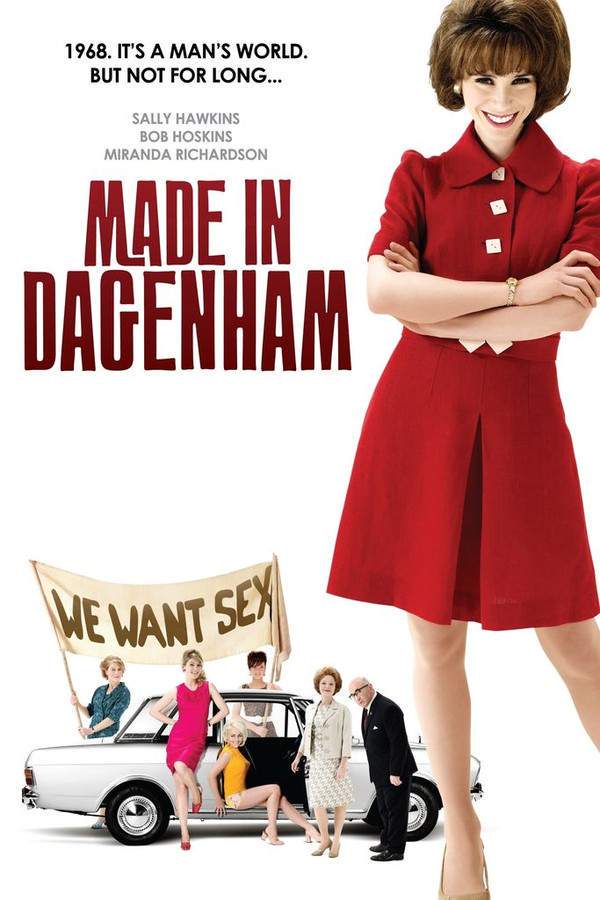
Made in Dagenham (2010) movie poster

Plot Summary

Made in Dagenham (2010) Plot Summary Explained

Release, runtime and language
2010 · 113 min · English
Directed by
Nigel Cole
Starring
Sally Hawkins, Bob Hoskins, Andrea Riseborough

In 1960s Britain, a group of women working at the Ford factory in Dagenham discover they are paid significantly less than their male colleagues. Determined to fight for equality, they initiate a sit-down strike, drawing attention to the issue of gender inequality in the workplace and challenging the practices of the time. Their fight for fair pay and equal rights becomes a pivotal moment in British social history, intertwining personal struggles with a wider movement for change.

On this page (6)
  1. 1 Where to watch
  2. 2 What happens: full plot
  3. 3 Plot questions answered
  4. 4 Movie threads
  5. 5 Movies like Made in Dagenham
  6. 6 Every angle

Where to watch

Where to Watch Made in Dagenham (2010)

Where can you watch Made in Dagenham? Stream, rent or buy it in the US, including on Amazon Video, Apple TV Store and Fandango At Home: current JustWatch availability with up-to-date prices.

Streaming availability powered by JustWatch

Full plot summary · contains spoilers

What Happens in Made in Dagenham: Full Plot Summary

The whole story of Made in Dagenham (2010) explained, from the opening scene to the final frame: every key event, every twist and what it all adds up to. Read it as a quick recap before the sequel, to check a scene you missed, or to finally understand what really happened.

The film begins with a glimpse into the Ford Dagenham factory, highlighting the working conditions and the demographics of its employees, a considerable number of whom are women. Against the rhythm of Desmond Dekkar's "The Israelites," we see the women hard at work in the sewing room, creating seat covers and door panels while often wearing only their underwear due to the heat. The union shop steward, Albert, enters the room, momentarily taken aback by their scant attire. He informs the women that the only way to advance their case regarding their classification as unskilled workers is to initiate industrial action. In unison, they agree to partake in an overtime ban and a one-day strike.

Later, the narrative shifts to a party where the women celebrate a birthday; amidst the festivities, a girl sneaks away for a brief encounter in a Ford Corsair before returning to be swept up in the revelry, which leads to a night of drunken antics. We then meet Rita, who is presented in her home life, waking her husband Eddie with a splash of cold water. Rita’s domestic challenges are portrayed realistically; her son expresses frustration about a teacher who struck him, sparking her determination to address the issue directly.

At the school, Rita confronts Mr. Clark, an overconfident teacher clad in academic attire, who dismisses her concerns with a condescending attitude. Angered, she exits only to encounter another parent, [Lisa], who shows understanding but is quickly met with Rita’s harsh retort. Back at the factory, the absence of proper facilities is illustrated as a leak drips onto the workers while [Connie] points out issues regarding [Sandra]'s workmanship. Albert soon announces an impending meeting at Ford HQ in Warley, where they decide that Rita and Connie should represent the women.

Back at home, media snippets of a protest underscore the era's turmoil, and we learn that Eddie is also employed at Ford. Before heading to the meeting, a standard stop at the Berni Inn for dinner introduces Monty Taylor, the works convener, whose advice is superficial at best. Upon their arrival at the meeting, it becomes apparent that the union leaders are betraying the women. Taking charge, Rita passionately argues for the recognition of their skills, prompting a pivotal shift in their stance from acceptance to action as she rallies the women with the emphatic declaration: “Everybody out!”

As the film unfolds, [Barbara Castle] steps into the political arena, expressing frustration over the deteriorating industrial relations in British factories. This leads to a vivid depiction of the women's picket line, where they battle inclement weather but show unwavering determination. Albert supports Rita's new role as shop steward, citing the urgent need for equal pay. The complexities of home life begin to surface, revealing Eddie's struggles to manage household duties as the strike intensifies.

Rita's mission to advocate for fairness escalates to demonstrations outside Parliament, creatively declaring on a banner that they seek “sex equality.” Tensions at home mount as Eddie feels the strain on their finances. The climax reaches a turning point when union leaders face mounting pressure from management, showcasing the devotion of the women who refuse to back down—even as the challenges of poverty loom large.

When tragedy strikes, the community's grief deepens the emotional stakes. [Lisa's] unexpected visit to Rita reveals layers of pain and shared frustrations, ultimately serving as a galvanizing force for Rita. Despite familial strife, she passionately addresses a union conference, winning over delegates and garnering support.

The culmination of their struggle unfolds as Rita and her allies engage directly with powerful figures like Barbara Castle, leaving a lasting impression on the political landscape. Rita’s steely determination and leadership lead to a groundbreaking agreement for the women of Ford Dagenham to receive 92% of male pay, heralding a historical shift in the quest for equality in the workplace.

As the credits roll, the return of the women to the factory signifies not only a personal victory but also a collective empowerment, emphasized by the uplifting strains of Jimmy Cliff's "You Can Get It If You Really Want," alongside real footage that cements the film's place in history.

Last updated: November 03, 2024 at 22:49

Was this helpful?

Plot questions answered

Made in Dagenham Plot Explained: Your Questions Answered

The questions people ask most about Made in Dagenham (2010): what happens in the confusing scenes, why the characters do what they do, the twists, hidden details and what the ending means. Each answer contains spoilers.

Q1

Why did the women at Ford Dagenham go on strike?

The women went on strike because they were classified as "unskilled workers" and paid significantly less than their male colleagues for doing the same work. When union steward Albert told them the only way to challenge this classification was through industrial action, they unanimously agreed to an overtime ban and a one-day strike. Their demands centered on fair pay and recognition of their skills, which were essential to producing car seat covers and door panels for Ford vehicles.

Foreshadowing: Earlier, Albert warns the women that their only path to changing their status is through taking action, foreshadowing the decision to strike.

  • ford dagenham strike
  • unskilled workers
  • equal pay
  • 1968
  • industrial action
Q2

What was the 1968 Ford Dagenham strike?

The 1968 Ford Dagenham strike was a real historical event where sewing machinists at the Ford motor factory walked out to protest pay inequity. In the film, this translates to the women refusing to work overtime and then holding a sit-down strike, eventually drawing national attention to workplace gender discrimination. The real strike lasted three weeks and involved 187 women, ultimately leading to government intervention and setting a precedent for equal pay legislation.

Foreshadowing: The opening scenes establish the harsh working conditions and the pay disparity that would drive the women to action.

  • ford dagenham 1968
  • strike history
  • sewing machinists
  • pay equity
  • labour dispute
Q3

Who was Rita in Made in Dagenham?

Rita is the film's protagonist, a sewing machinist at Ford Dagenham who becomes the reluctant leader of the women's strike. She is depicted as a determined, no-nonsense working-class woman who first finds her voice by confronting her son's teacher about his harsh treatment. Her passionate speech at Ford HQ, where she declares "Everybody out!" to rally the women, marks her transformation from a regular worker into a shop steward fighting for equal pay.

Foreshadowing: Rita's confrontation with Mr. Clark at the school demonstrates her willingness to challenge authority, foreshadowing her later leadership role in the strike.

  • rita
  • protagonist
  • shop steward
  • ford dagenham
  • leader
Q4

How did Barbara Castle help the striking women?

Barbara Castle, depicted as the Minister of Transport, becomes a key political ally for the women. She intervenes after the industrial relations in British factories deteriorate further, eventually meeting directly with Rita and the strikers. Castle's support proves crucial in pressing Ford to negotiate and helps elevate the women's cause from a local dispute to a national political issue, ultimately contributing to the agreement that granted the women 92% of male wages.

Foreshadowing: Castle's earlier expressions of frustration over deteriorating industrial relations hint at her eventual involvement in the women's fight.

  • barbara castle
  • minister
  • politician
  • transport minister
  • negotiations
Q5

What was the outcome of the Ford Dagenham equal pay strike?

The strike achieved a groundbreaking victory: the women of Ford Dagenham secured an agreement to receive 92% of the pay earned by their male counterparts. This was not full equal pay, but it represented a significant breakthrough and became a pivotal moment in British workplace equality history. The film's epilogue notes this was a crucial step toward the Equal Pay Act 1970, which legally mandated equal pay for women in the UK.

Foreshadowing: The women's unwavering determination on the picket line, even through harsh weather and personal hardship, builds toward this triumphant outcome.

  • 92 percent pay
  • equal pay act
  • victory
  • negotiated settlement
  • wage agreement
Q6

Why were the Ford factory women classified as 'unskilled'?

The women were classified as unskilled workers despite their specialized sewing work because of widespread gender discrimination in 1960s Britain. Their jobs involved operating industrial sewing machines to create seat covers and door panels for cars, work that required significant skill and training. However, the Ford company and broader societal attitudes systematically undervalued women's labor, using the "unskilled" label to justify paying them far less than male workers in other factory roles.

Foreshadowing: The opening scenes highlight the women's skilled work in the sewing room, making the unfair classification more apparent.

  • unskilled classification
  • gender discrimination
  • sewing work
  • ford factory
  • women workers
Q7

What happened to the women after the strike ended?

After the strike ended with the 92% pay agreement, the women returned to work at Ford Dagenham as depicted in the film's closing scene. The epilogue reveals this victory inspired the passage of the Equal Pay Act 1970, which legally required employers to pay men and women equally for work of equal value. The real Ford Dagenham women continued their careers and became symbols of the British equal pay movement.

Foreshadowing: The unity shown during the strike and the supportive speeches at the union conference foreshadow the lasting solidarity among the women.

  • return to work
  • equal pay act 1970
  • legacy
  • aftermath
  • 1970 legislation
Q8

Is Made in Dagenham based on a true story?

Yes, Made in Dagenham is based on the real 1968 Ford Dagenham sewing machinists' strike. The film takes creative liberties with characters and some events, combining several women into the composite character of Rita, and some details are dramatized for cinematic effect. However, the core historical facts are accurate: 187 women did go on strike, Barbara Castle did meet with their representatives, and the strike did lead to a pay agreement that helped inspire the Equal Pay Act 1970.

Foreshadowing: The epilogue includes real archival footage, signaling the film's grounding in historical fact.

  • based on true story
  • historical accuracy
  • 1968 strike
  • real events
  • film facts
Q9

Why did the union leadership initially oppose the women's strike?

The union leaders at Ford HQ initially sided with management against the women because they prioritized maintaining their relationships with company executives over supporting the machinists' demands. At the meeting in Warley, Rita discovers the union has betrayed them by accepting the company's position. This betrayal motivates Rita to take charge and rally the women herself, demonstrating how the established labor movement often overlooked women's concerns in favor of more powerful male-dominated departments.

Foreshadowing: Monty Taylor's superficial advice at the Berni Inn hints at the union leaders' detachment from the women's real struggles.

  • union betrayal
  • union leaders
  • ford hq
  • management
  • labour movement
Q10

How did the strike affect Rita's family?

The strike placed significant strain on Rita's family, particularly her husband Eddie, who also worked at Ford. As Rita became more involved in the activism and picket lines, Eddie struggled to manage household duties and felt the mounting financial pressure from lost income during the strike. The film shows their marriage strained by these tensions, though ultimately their relationship survives and strengthens as Eddie comes to support Rita's cause.

Foreshadowing: Early scenes establishing Eddie's domestic challenges while Rita takes charge foreshadow the marital tensions that intensify during the strike.

  • rita husband eddie
  • family strain
  • financial pressure
  • marriage
  • household duties
Q11

What was the Equal Pay Act 1970 and how did the strike influence it?

The Equal Pay Act 1970 was landmark British legislation that made it illegal for employers to pay women less than men for the same work. The 1968 Ford Dagenham strike directly influenced this law by demonstrating the power of collective action and bringing national attention to workplace gender discrimination. The women's victory in securing 92% of male wages was a crucial stepping stone that pressured Parliament to pass this pioneering equal pay legislation.

Foreshadowing: Rita's demonstration outside Parliament with the "sex equality" banner represents the political pressure that helped build momentum for the legislation.

  • equal pay act 1970
  • legislation
  • parliament
  • law
  • gender discrimination law

Movie threads

More Movies Like Made in Dagenham, by Mood & Story

Curated lists built around what makes Made in Dagenham tick: the same mood, the same kind of story or the same emotional payoff. Each list explains why these movies belong together.

Gritty Uplifting Historical Dramas like Made in Dagenham

True stories of ordinary people fighting for justice against the odds. If you liked Made in Dagenham, discover more movies like it in this collection of inspiring true stories. These films focus on historical fights for social justice, blending a gritty, determined mood with an uplifting, triumphant ending.

  • uplifting
  • determined
  • gritty
  • triumphant
  • frustrating
  • historical
  • Tone: hopeful, determined
  • Pacing: steady, linear
Why these movies?

The story pattern: Stories in this thread typically follow a linear, cause-and-effect structure, starting with an injustice that sparks a movement. The protagonists face significant obstacles and personal sacrifices, leading to a climactic negotiation or confrontation that results in a meaningful, real-world victory.

Why they belong together: These movies are grouped by their shared foundation in historical truth, their focus on collective action against inequality, and their emotionally rewarding blend of righteous frustration and hopeful triumph.

Underdog Community Triumphs like in Made in Dagenham

Stories where a united group overcomes powerful opposition through sheer will. Find movies similar to Made in Dagenham that feature a group of underdogs fighting for a common cause. These stories highlight community strength, personal sacrifice, and the satisfying victory of ordinary people standing up to powerful systems.

  • community
  • underdog
  • triumphant
  • determined
  • hopeful
  • uplifting
  • Tone: hopeful, triumphant
  • Pacing: steady, character-driven
Why these movies?

The story pattern: The pattern involves introducing a diverse group of characters united by a common grievance. They organize and take action, facing setbacks that test their resolve. The conflict is often between the grassroots community and an impersonal corporation or government, culminating in a victory that validates their collective effort.

Why they belong together: Movies here share a core theme of collective action, the empowering dynamic of a community underdog story, and a steady pacing that builds to a cathartic and happy resolution for the group.

If you liked this

Movies Like Made in Dagenham

Similar movies to Made in Dagenham: the same genre, themes or kind of story. Each one comes with its own plot summary, timeline and ending explained.

Browse all movie summaries

Every angle

Made in Dagenham (2010) Explained: Plot, Timeline & Characters

Everything about Made in Dagenham in one place: what happens in the plot summary, the timeline in chronological order, the characters and meaning and a spoiler-free summary. What's After the Movie adds the cast, box office and post-credit scenes.

Coming soon on iOS and Android

The Plot Explained Movie Summary App

Plot summaries, endings explained and timelines on your phone. Catch up on any movie in minutes, save your favorites and never miss a twist again.

Be the first to know when we launch. Your email stays private, always.

Learn more about the app