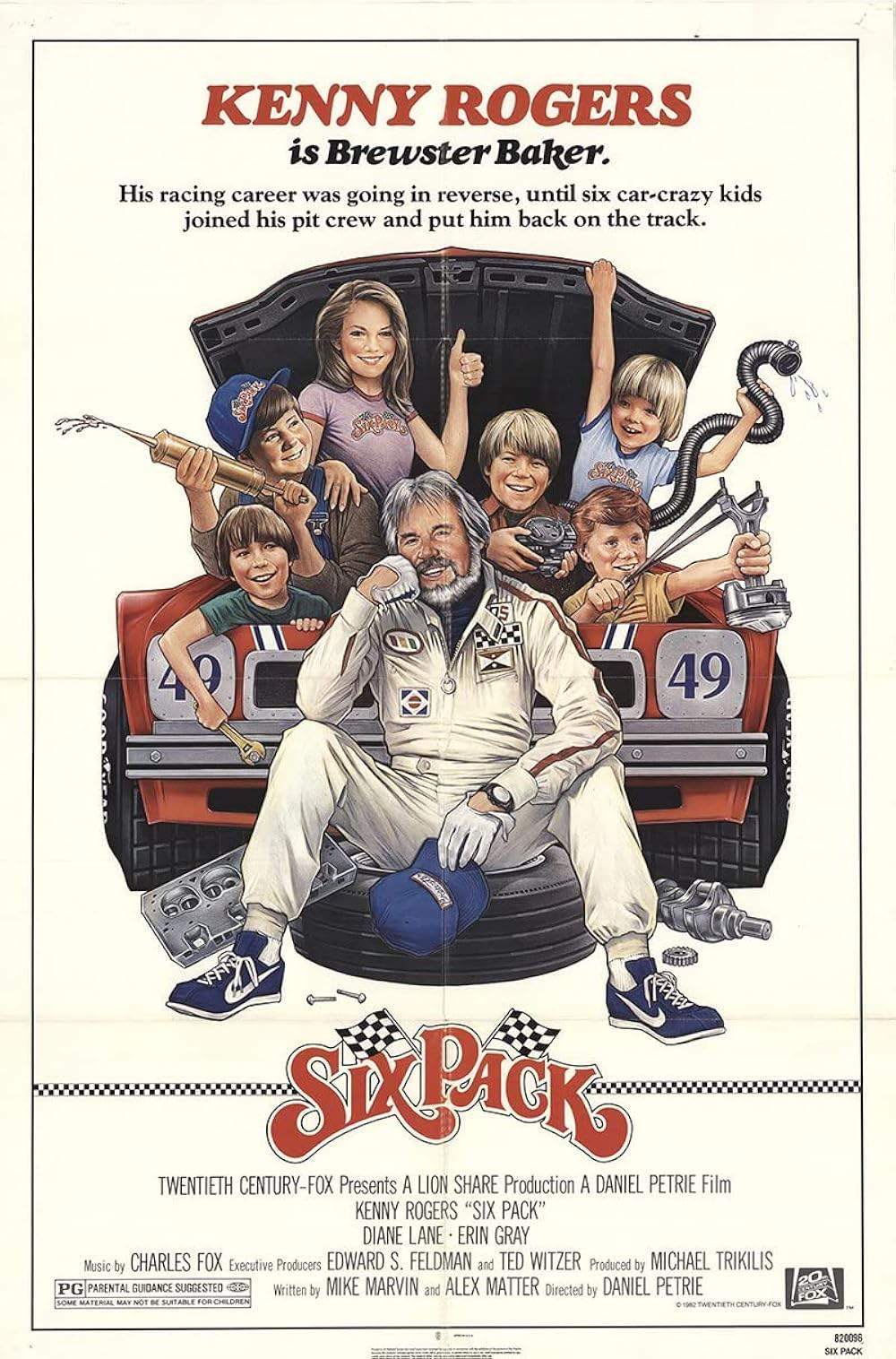
In a small Texas town, a stop at a gas station pulls race car driver Brewster Baker into trouble when parts vanish from his car. Later, at a local diner, he notices others stealing parts from a different car and he gives chase, hoping to intervene. The pursuit ends when the thieves’ van plunges into a river, and Brewster unexpectedly rescues the occupants: a group of orphaned children who are clearly in over their heads.
The kid’s guardian, a corrupt county sheriff known as Big John, wastes little time in punishing Brewster for what he calls breaking and entering, larceny, resisting arrest, and speeding. The young trio, having survived on their own, help Brewster escape from jail, and a reluctant truce forms as Brewster agrees to take them with him. To keep the sheriff from pursuing them with more force, the group uses their wits to loosen bolts on Brewster’s car—doors, hood, lug nuts—buying time and adding a layer of improvisational teamwork to their escape.
As they roll toward Shreveport, Louisiana, Brewster stops in a bar to reconnect with Lilah. Meanwhile, the kids keep busy by stripping parts from other cars to re-equip Brewster’s ride, a rough-and-ready collaboration that helps him reach the Dixie 100 in better shape than expected. He finishes in fourth place, but most of his winnings go right back to the drivers whose cars were raided, underscoring the odd family they’ve become and the debt Brewster feels toward them.
The route then takes them to a race in Mississippi, where Breezy distracts Terk while her brothers tinker with the car in the pits. After a few more races, Terk and his allies try to settle scores by calling in the law on Brewster and the kids. A bond has formed, and Brewster helps them slip away by disguising themselves as law enforcement, a gesture that marks the depth of their unlikely alliance.
A sponsorship from Ford arrives, bringing a fresh car for the Atlanta 500. Lilah arrives with an unexpected surprise, and danger soon follows: Terk and some men ambush Brewster, dumping him in the woods. He recovers, finds a ride, and makes it to the track in time to race. During a tense pit stop, he learns that the Texas sheriff has taken the kids. Brewster abandons his own pit box to intervene, while Terk crashes into the wall and chases the sheriff into the pits. The sudden media attention helps Brewster rally public support and compel the sheriff to admit the kids are in good hands.
In the end, Brewster’s life takes on a new direction as he and Lilah marry, adopt the children, and move into a home together. The final moments of the film blend fiction with real NASCAR history, as footage from the 1982 Coca-Cola 500 at Atlanta Motor Speedway—won that year by Darrell Waltrip—plays out, sealing the story with an authentic racing backdrop. The film’s closing notes leave Brewster’s journey as much about family, loyalty, and second chances as it is about speed on the track, a testament to the strange, steadfast bond he forms with the children and the people who come to care for them.