
Shin Godzilla
Year: 2016
Runtime: 120 mins
Language: Japanese
Director: Shinji Higuchi
A colossal, gilled monster rises from the ocean depths, devastating a city and prompting an urgent government response. A dedicated team navigates bureaucratic obstacles to understand the creature's origins, vulnerabilities, and potential connection to a foreign power. As the crisis escalates, they race against time to prevent a global catastrophe and confront the monster's terrifying evolution.
Warning: spoilers below!
Haven’t seen Shin Godzilla yet? This summary contains major spoilers. Bookmark the page, watch the movie, and come back for the full breakdown. If you're ready, scroll on and relive the story!
Shin Godzilla (2016) – Full Plot Summary & Ending Explained
Read the complete plot breakdown of Shin Godzilla (2016), including all key story events, major twists, and the ending explained in detail. Discover what really happened, and what it all means.
In 2016, the Japan Coast Guard investigates an abandoned yacht in Tokyo Bay. The boat is soon destroyed, and the Tokyo Bay Aqua-Line is flooded with blood. After a viral video surfaces, Rando Yaguchi believes the incident was caused by a living creature, a view that is later supported as news reports reveal a tail emerging from the ocean. The creature then moves inland, crawling through the Kamata district and the Shinagawa area of Tokyo, leaving a deadly path through a disorganized and chaotic evacuation. It quickly evolves into a bipedal form, but overheats and returns to the sea.
The government officials turn their attention to military strategy and civilian safety; Yaguchi is put in charge of a task force researching the creature. With rising radiation readings along its trail, the team concludes that the entity is energized by nuclear fission. The United States sends a special envoy, Kayoko Ann Patterson, who reveals that Goro Maki, a disgraced anti-nuclear zoologist, studied mutations caused by radioactive contamination and predicted the creature’s appearance. Maki had been dismissed by both American and Japanese scientific circles, and the U.S. later prevented him from publishing his conclusions. The abandoned yacht in Tokyo Bay belonged to Maki, who left his research notes, encoded in a cryptic code, on the boat before disappearing. The creature—named Godzilla after Maki’s research—reappears in its fourth form, twice its original size, making landfall near Kamakura. The Japan Self-Defense Forces mobilize but fail to stop Godzilla as it breaches defenses and presses toward Tokyo. The U.S. intervenes with a massively destructive airstrike plan, triggering evacuations of civilians and high-ranking government personnel. Godzilla is wounded with a bunker-buster warhead but responds with devastating atomic rays from its mouth and dorsal plates, destroying a helicopter carrying the prime minister and several top officials and incinerating large swaths of Tokyo. Depleted of energy, Godzilla retreats into hibernation.
Yaguchi’s team discovers that Godzilla’s plates and blood function as a cooling system, and they theorize that a coagulating agent could freeze the creature. Analyzing tissue samples reveals that Godzilla is an ever-evolving being capable of asexual reproduction. The United Nations notifies Japan that thermonuclear weapons will be used if Godzilla cannot be subdued within a few days, prompting evacuations across multiple prefectures. Reluctant to witness Japan endure another nuclear catastrophe, Patterson leverages her political connections to buy time for Yaguchi’s team, while the interim government struggles to maintain faith in the plan.
The team deciphers Goro Maki’s encoded notes using origami and then secures the means to execute a deep-freeze plan with international support. Just hours before a planned nuclear strike, Japan triggers the deep-freeze protocol. Godzilla is provoked into expending its atomic breath and energy against Predator and Reaper drones. Unmanned trains loaded with explosives race toward Godzilla’s feet, while tankers carrying a coagulating agent are guided to inject into the creature’s mouth. The operation succeeds in freezing Godzilla solid, though at great cost.
In the aftermath, scientists determine that Godzilla’s isotope has a half-life of twenty days, allowing Tokyo to be rebuilt with time. The international community agrees to cancel the nuclear option on the condition that, should Godzilla reawaken, an immediate thermonuclear strike will be carried out. On Godzilla’s tail, humanoid creatures appear, frozen in the process of emerging.
Last updated: October 03, 2025 at 06:47
Shin Godzilla (2016) Plot Questions Answered – Summary FAQ
Explore frequently asked questions about Shin Godzilla (2016) with spoiler-rich answers covering the full plot summary, major story beats, character motivations, hidden details, and ending meaning. This movie summary FAQ helps explain confusing scenes, plot twists, and narrative decisions in clear, searchable detail.
Why does Godzilla return to the sea after attacking Tokyo?
Godzilla overheats after expending massive energy during its bipedal form's attack on Tokyo. Its internal nuclear fission generates enormous heat, and when it can't dissipate that heat efficiently in its land-based form, it retreats to the ocean where the water provides cooling. This is the first indication of Godzilla's biological cooling system, which becomes crucial to the later deep-freeze strategy.
Earlier, when Godzilla first crawls through Tokyo in its amphibious form, it already shows signs of overheating and retreats to the water temporarily.
How did Goro Maki predict Godzilla's appearance?
Goro Maki was a disgraced anti-nuclear zoologist who studied mutations caused by radioactive contamination. He theorized that high levels of radiation in the ocean would eventually trigger the evolution of a massive creature. Maki's research, which he encoded in cryptic notes before disappearing, directly predicted the emergence of Godzilla. Both American and Japanese scientific communities had dismissed his work, and the U.S. had actively suppressed his publication.
How does Godzilla's atomic breath work?
Godzilla's atomic breath is generated through nuclear fusion occurring in its body. The creature channels energy from its internal nuclear fission reactor through specialized organs in its mouth and dorsal plates, releasing it as a concentrated beam of radioactive energy. When wounded by the bunker-buster, Godzilla unleashes this breath as a devastating retaliatory attack, destroying military assets and incinerating large sections of Tokyo.
What is the deep-freeze plan and how does it work?
The deep-freeze plan exploits Godzilla's cooling system vulnerability. Yaguchi's team discovers that Godzilla's blood and dorsal plates function as a radiator, and they theorize that a coagulating agent could freeze the creature from inside out. The operation uses drones to provoke Godzilla into expending its atomic breath, unmanned trains loaded with explosives to damage its feet, and tankers to inject the coagulating agent directly into Godzilla's mouth. Once inside, the agent triggers rapid freezing that solidifies the creature.
Why does the United Nations threaten to use nuclear weapons against Godzilla?
The UN issues the nuclear threat because Godzilla has proven nearly invulnerable to conventional military forces. After the SDF fails and Godzilla devastates Tokyo with its atomic breath, the international community fears the creature will continue spreading destruction. With no proven method to stop it and Godzilla's apparent ability to absorb or survive attacks, the UN gives Japan a deadline to subdue Godzilla or face a thermonuclear strike that would cause catastrophic radioactive fallout across Japan.
What are the humanoid creatures seen on Godzilla's tail at the end?
The humanoid creatures emerging from Godzilla's tail are implications of its asexual reproductive capability. Earlier, Yaguchi's team analyzes tissue samples and concludes Godzilla can reproduce without a mate. These frozen figures suggest that Godzilla may reproduce by budding or releasing offspring from its body, potentially creating additional creatures. Their appearance sets up the sequel premise that Godzilla remains a persistent threat.
How does Godzilla's cooling system work?
Godzilla's dorsal plates and blood vessels function as a biological cooling system, essentially acting like a radiator for the massive heat generated by its internal nuclear reactor. The plates increase surface area to dissipate heat, while specialized blood flow transports excess thermal energy away from its core. This biological mechanism is what allows Godzilla to survive its own nuclear fission process, and it's this same system that the deep-freeze plan targets.
Why is the prime minister's helicopter destroyed by Godzilla?
The prime minister and top government officials are evacuated via helicopter as the U.S. launches a massive airstrike plan against Godzilla. However, the wounded Godzilla retaliates by firing its atomic breath, which destroys the helicopter carrying the prime minister and several officials. This catastrophic loss forces Japan into a leadership crisis at the worst possible moment and demonstrates the futility of the conventional military approach.
How does the team decode Goro Maki's encoded notes?
Yaguchi's team uses origami, the art of paper folding, to decode Maki's cryptic notes left on his abandoned yacht. Maki encoded his research using mathematical patterns and structural relationships that could only be deciphered by physically folding paper in specific ways. This origami-based cipher reveals the scientific foundation for understanding Godzilla's biology and becomes essential to developing the deep-freeze strategy.
How does Godzilla evolve throughout the film?
Godzilla undergoes rapid evolutionary changes across multiple distinct forms. It begins as an aquatic creature in Tokyo Bay, then transitions to an amphibious form that crawls inland. Later, it evolves into a bipedal creature that attacks Tokyo, but overheats and returns to the sea. Finally, it appears in its fourth form, twice the original size, making landfall near Kamakura as the terrifying monster that devastates the military. Each evolution increases its size, strength, and destructive capability.
What is Kayoko Ann Patterson's role in the crisis?
Kayoko Ann Patterson serves as the U.S. special envoy to Japan, but her position is politically complex. She reveals Maki's background and connects the U.S. suppression of his research. More crucially, she leverages her political connections to buy time for Yaguchi's team by convincing the U.S. and UN to delay the nuclear strike. Her actions are motivated by her desire to prevent Japan from suffering another nuclear catastrophe, having witnessed the historical weight of Hiroshima and Nagasaki.
What does the isotope half-life of twenty days mean for Tokyo's future?
After Godzilla is frozen, scientists determine that the radioactive isotope within its body has a half-life of only twenty days. This means the radiation contamination from the frozen creature will decay relatively quickly, allowing Tokyo to be rebuilt without permanent radioactive danger. The short half-life is a critical plot point that makes the deep-freeze solution viable long-term, as the city can eventually recover rather than remain a permanent nuclear wasteland.

Explore Movie Threads
Discover curated groups of movies connected by mood, themes, and story style. Browse collections built around emotion, atmosphere, and narrative focus to easily find films that match what you feel like watching right now.
Bureaucratic crisis thrillers like Shin Godzilla
Stories where navigating red tape becomes the ultimate survival strategy.Discover movies like Shin Godzilla that blend intense disaster scenarios with the intricate drama of political and bureaucratic maneuvering. If you enjoyed the high-stakes problem-solving against a labyrinth of red tape, these films offer a similar tense and cerebral experience.
Skyscraper
2018

Emergency Declaration
2022
Outbreak
1995

Executive Decision
1996

The Siege
1998

Olympus Has Fallen
2013
Bullet Train Explosion
2025

Airline Disaster
2010

Air Panic
2002

On Hostile Ground
2000

Breaking News
2004

Magma: Volcanic Disaster
2006

The Hunt for Eagle One: Crash Point
2006

Skyscraper
1996

Deadly Outbreak
1996
Narrative Summary
Narratives in this thread typically involve a sudden, overwhelming crisis that exposes the flaws and inertia of large institutions. The protagonists, often mid-level officials or experts, must work within and against a rigid system, racing to find a solution before the system's own inefficiency causes total failure.
Why These Movies?
Movies are grouped here for their shared focus on the tension between a fast-moving catastrophe and the slow-grinding wheels of bureaucracy. They create a unique blend of procedural detail, high-intensity stakes, and a mood of anxious frustration.
Existential monster horror movies like Shin Godzilla
Horror stories where the monster represents an unstoppable force of nature or existential dread.Find films similar to Shin Godzilla that feature monsters as forces of nature beyond human control. These stories focus on large-scale destruction, scientific investigation, and the heavy emotional weight of facing an overwhelming, evolving existential threat.
Godzilla: King of the Monsters
2019
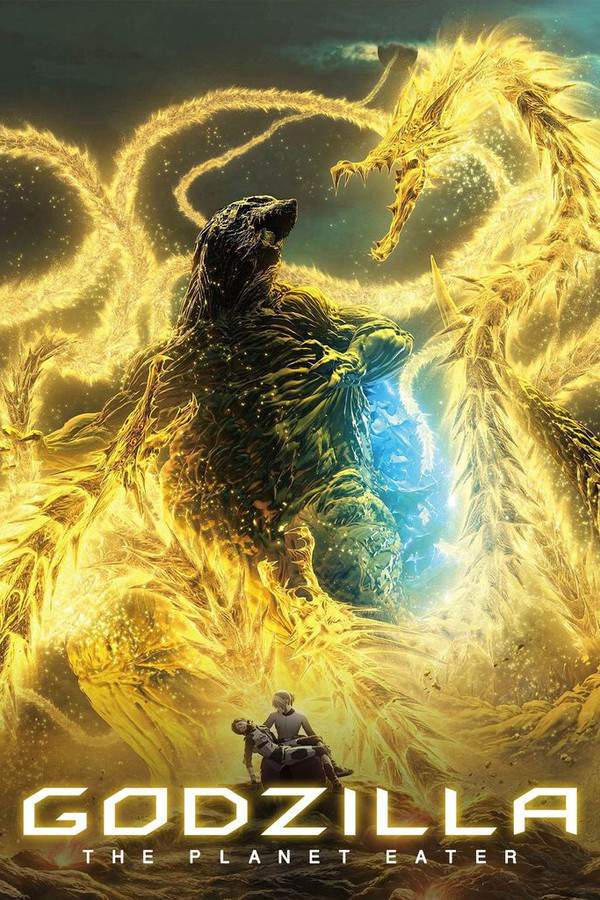
Godzilla: The Planet Eater
2019
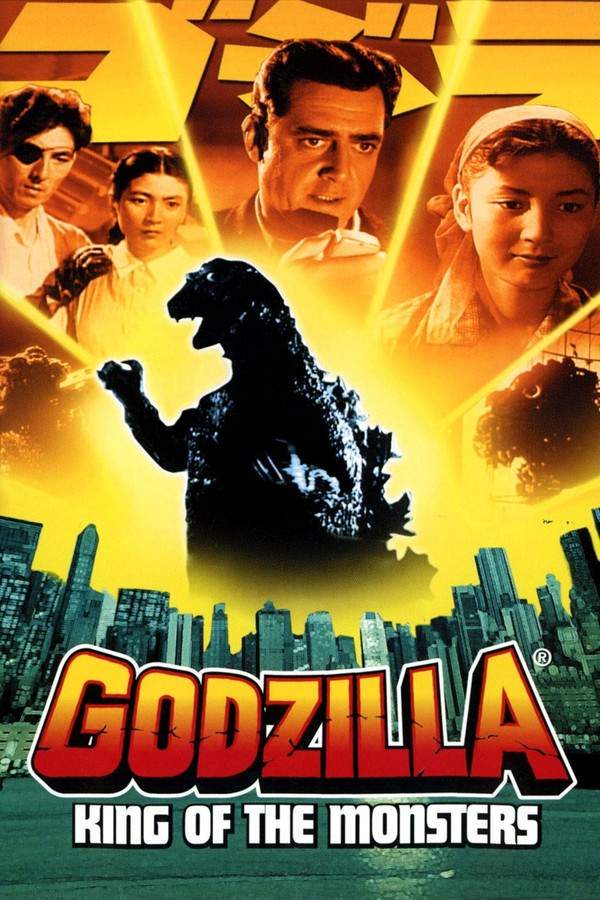
Godzilla, King of the Monsters!
1956
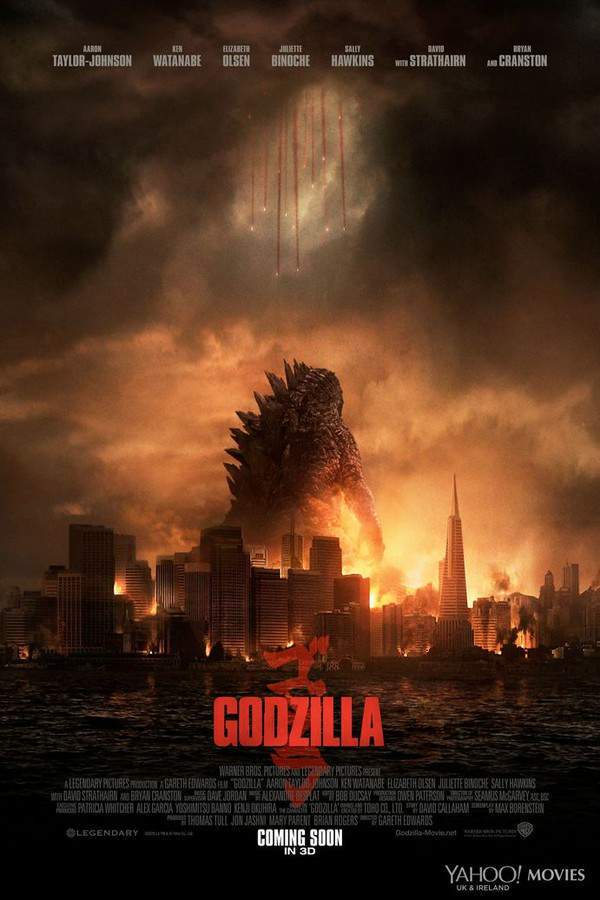
Godzilla
2014
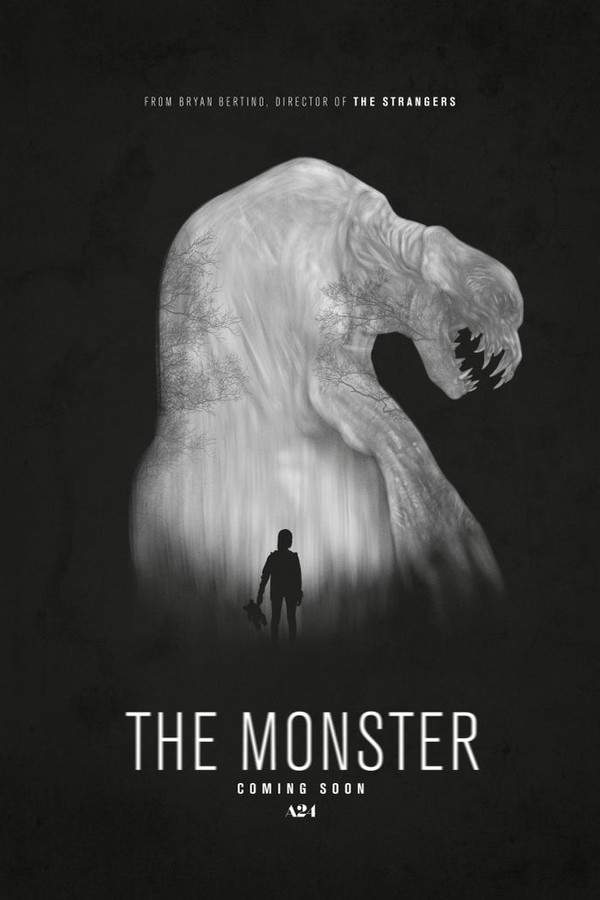
The Monster
2016
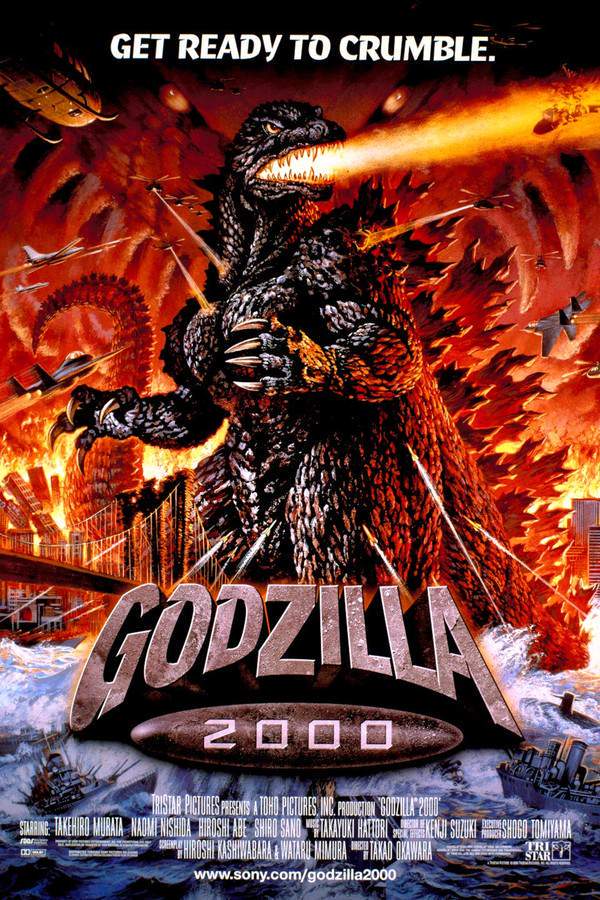
Godzilla 2000
2000
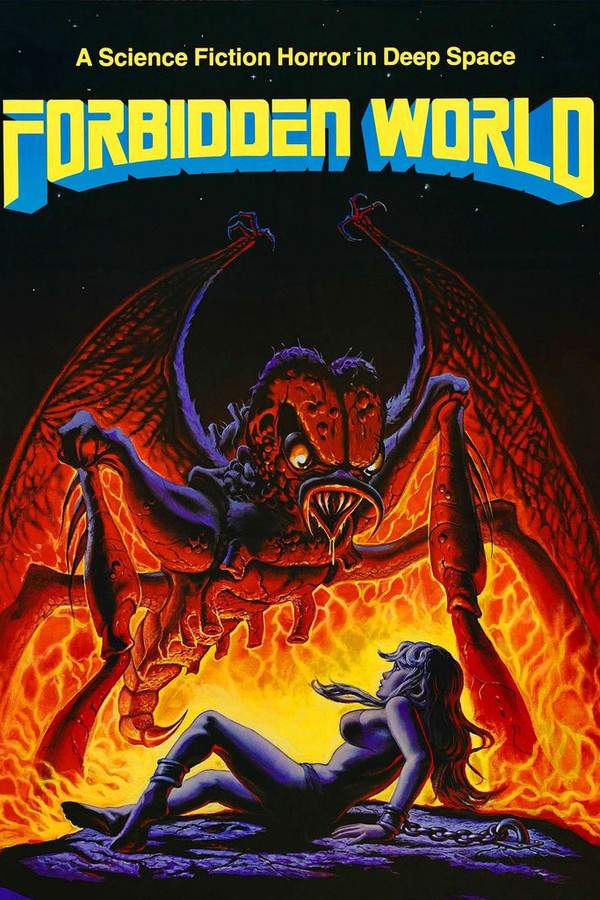
Forbidden World
1982
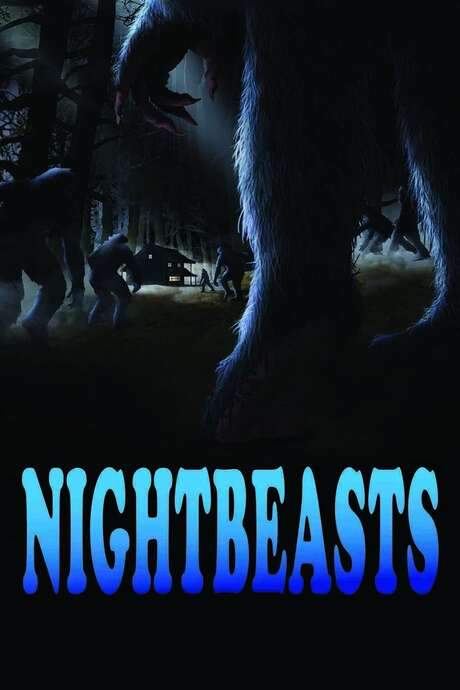
Nightbeasts
2010

Godzilla, Mothra and King Ghidorah: Giant Monsters All-Out Attack
2001

Eye of the Beast
2007

Unearthed
2007

Godzilla vs. Biollante
1989

The Beast from 20,000 Fathoms
1953

Godzilla, King of the Monsters
1998

Frankenstein
1992
Narrative Summary
The narrative pattern follows the discovery and escalation of a seemingly unstoppable entity. The focus is on understanding the creature's origin and nature, leading to desperate attempts at containment or defeat that often come at a great cost, resulting in a pyrrhic victory or a bleak new status quo.
Why These Movies?
These films are grouped by their shared atmosphere of overwhelming dread, the scale of the threat, and the heavy emotional impact of confronting something that challenges humanity's place in the world. The tone is consistently tense and the endings are rarely purely triumphant.
Unlock the Full Story of Shin Godzilla
Don't stop at just watching - explore Shin Godzilla in full detail. From the complete plot summary and scene-by-scene timeline to character breakdowns, thematic analysis, and a deep dive into the ending - every page helps you truly understand what Shin Godzilla is all about. Plus, discover what's next after the movie.
Shin Godzilla Timeline
Track the full timeline of Shin Godzilla with every major event arranged chronologically. Perfect for decoding non-linear storytelling, flashbacks, or parallel narratives with a clear scene-by-scene breakdown.

Characters, Settings & Themes in Shin Godzilla
Discover the characters, locations, and core themes that shape Shin Godzilla. Get insights into symbolic elements, setting significance, and deeper narrative meaning - ideal for thematic analysis and movie breakdowns.


