Plot Explained Spoilers guaranteed!
Plot Explained

Browse by genre

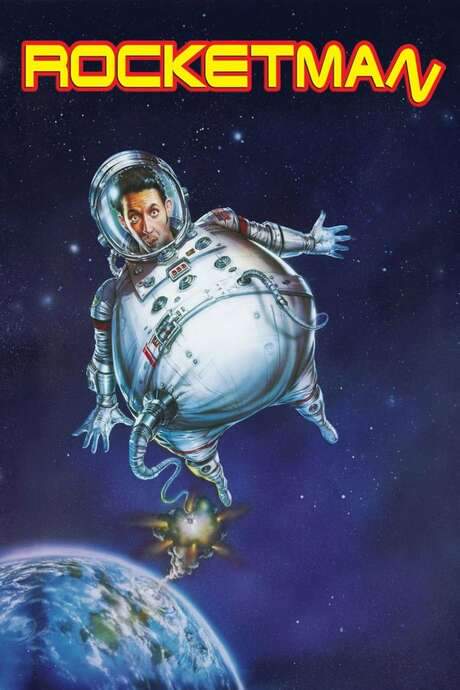
RocketMan (1997) movie poster

Plot Summary

RocketMan (1997) Plot Summary Explained

Release, runtime and language
1997 · 95 mins · English
Directed by
Stuart Gillard
Starring
Shelley Duvall, Beau Bridges, William Sadler, Harland Williams, Jeffrey DeMunn, Gailard Sartain

He’s just taking up space, yet this accident‑prone, obnoxious geek secures a seat on a NASA mission to Mars. His blunders repeatedly put the whole crew in jeopardy, but when the red planet’s unforgiving surface threatens their survival, he must rise as the unlikely hero who can save them.

On this page (6)
  1. 1 Where to watch
  2. 2 What happens: full plot
  3. 3 Plot questions answered
  4. 4 Movie threads
  5. 5 Movies like RocketMan
  6. 6 Every angle

Where to watch

Where to Watch RocketMan (1997)

Where can you watch RocketMan? Stream, rent or buy it in the US, including on Amazon Video, Apple TV Store and Fandango At Home: current JustWatch availability with up-to-date prices.

Streaming availability powered by JustWatch

Full plot summary · contains spoilers

What Happens in RocketMan: Full Plot Summary

The whole story of RocketMan (1997) explained, from the opening scene to the final frame: every key event, every twist and what it all adds up to. Read it as a quick recap before the sequel, to check a scene you missed, or to finally understand what really happened.

NASA is training for the first human mission to Mars aboard the spacecraft Aries. When a suspected glitch in the navigation system is detected, the agency digs back to the original programmer to understand the fault. Fred Z. Randall, the eccentric and bookish coder who wrote the software, meets several key figures: Paul Wick, the capable flight director; Wild Bill Overbeck, the battle‑hardened mission commander; and Gary Hackman, the computer specialist whose math seems to have sparked the trouble. Fred’s early look at the code reveals that the problem isn�t purely a glitch at all but an error Gary made in the mathematics, a discovery that foreshadows the tense choices ahead. Meanwhile, Gary is suddenly felled by a model of the Pilgrim 1 Mars lander, suffering a skull fracture, and NASA faces a difficult decision: delay the mission or replace him.

As the dust settles, NASA decides to bring Fred in as a potential astronaut, putting him through a demanding set of tests and simulations. He demonstrates an astonishing knack for problem‑solving, shattering records that even Overbeck had set and proving his worth under pressure. Yet even as his technical prowess shines, Fred’s nerves fray at the prospect of actually boarding the mission. Bud Nesbitt—a steady, blunt ally—offers a piece of hard-won wisdom from a lifetime’s worth of spaceflight lore, including a trio of commemorative coins President Johnson once gave to Armstrong and Lovell. The scene is at once humorous and motivational, and Fred privately wrestles with the weight of history and the possibility of failure.

With the crew assembled—Commander Overbeck, geologist Julie Ford, and the chimpanzee Ulysses—fate drives them toward Mars. As they prepare to depart, the team communicates with the President and endures a moment of public embarrassment when they hum along to a sly chorus: “He’s Got the Whole World in His Hands.” The moment underscores the strange mix of heroism and humanity that threads through their mission. Resource constraints force the crew into hypersleep for eight months during the long voyage, a plan that aims to conserve fuel and supplies but requires Fred to sleep in a much smaller chamber after Ulysses, the trained chimp, takes his sleep pod for himself. Fred manages only a brief 13‑minute slumber before he must stay awake to monitor the long, perilous journey.

Arriving at Mars, Fred, Overbeck, Julie, and Ulysses press to explore; the weather data reveals dangerous sandstorms that threaten the landing site and the crew. They push through to set Pilgrim 1 down on the Martian surface, and the moment of first contact is both historic and chaotic: Fred slips from the ladder and lands before Overbeck, audaciously cementing the moment with the exclamation that it Wasn’t Me. In the days that follow, the storm front accelerates ahead of schedule, testing their resolve and their craft’s resilience. When the ship’s power falters after rocks kicked up by the wind damage the lander, Fred has to improvise a rapid fix, rewiring the circuits and rebooting the system in a fevered, high‑stakes sprint. With mere seconds to spare, he finds a way to complete the circuit, inserting a commemorative coin into a slot to restore power and buy the crew their escape back to Aries.

Once safely aboard, Fred and Julie share a moment of levity and wonder: a dance in zero gravity set to Johann Strauss’s The Blue Danube, with Fred in a gleaming silver tuxedo and Julie in a dress sewn from repurposed space blankets. The victory is tempered by continued strain back on the ship, as Ulysses again seizes Fred’s hypersleep chamber and the voyage home becomes a race against time and space. The Aries finally begins its eight‑month return to Earth, leaving Fred to shout his anguish as the stowaway chimp occupies his sleeping berth.

In a light‑hearted postscript, a Martian flag‑pole is shown missing its flag, and the crew’s flag‑related mischief is revealed: Fred’s American flag boxers, used earlier as a makeshift flag, have apparently been stolen and worn by a resourceful Martian. The crew’s odyssey—fraught with technical peril, stubborn pride, and a stubborn streak of luck—leaves a lasting impression of ingenuity, courage, and the stubborn belief that humanity can make a home among the stars.

Last updated: October 09, 2025 at 09:25

Was this helpful?

Plot questions answered

RocketMan Plot Explained: Your Questions Answered

The questions people ask most about RocketMan (1997): what happens in the confusing scenes, why the characters do what they do, the twists, hidden details and what the ending means. Each answer contains spoilers.

Q1

Why was a programmer recruited as an astronaut for the Mars mission?

NASA originally brought Fred Z. Randall in to investigate a suspected glitch in the navigation system. After discovering Gary Hackman's math error, Gary was injured in an accident, and NASA faced a choice: delay the mission or find a replacement. Fred had already proven himself by breaking all of Overbeck's training records during testing, so NASA decided to recruit him as the new crew member rather than push back the mission timeline.

Foreshadowing: Earlier in training, Fred demonstrated exceptional problem-solving abilities that impressed the selection panel.

  • fred randall
  • astronaut
  • recruitment
  • space mission
  • nasa
Q2

How did Gary Hackman get injured?

After Fred discovered Gary's mathematical error in the navigation code, Gary was suddenly struck by a model of the Pilgrim 1 Mars lander. The model fell from above, fracturing Gary's skull and leaving NASA without their computer specialist at a critical moment.

Foreshadowing: The tension between Fred and Gary over the coding error foreshadows this violent confrontation.

  • gary hackman
  • injury
  • lander model
  • accident
Q3

Why did Fred have to stay awake for eight months?

NASA planned an eight-month hypersleep period to conserve resources during the voyage to Mars. However, Ulysses the trained chimpanzee intentionally took Fred's sleep pod, leaving only a tiny chamber available. Fred managed only 13 minutes of sleep before having to stay awake to monitor the ship alone for the entire journey.

Foreshadowing: Ulysses's initial theft of the pod during the outbound voyage hints at the repeated pattern.

  • hypersleep
  • ulysses
  • eight months
  • chimpanzee
  • sleep pod
Q4

What caused the sandstorms on Mars to become dangerous?

Fred detected severe sandstorms from Mars weather data that could endanger the landing site and the crew. He contacted Houston with his warning, but flight director Paul Wick dismissed the concern and chose to proceed with the landing. The storms arrived ahead of schedule, narrowly threatening Overbeck and Ulysses and forcing the crew to fight to salvage the mission.

Foreshadowing: Fred's warning to Houston before landing establishes his attentiveness to detail that saves the crew later.

  • sandstorm
  • mars
  • weather
  • landing
  • danger
Q5

Why did Fred land on Mars before the commander?

Commander Overbeck was prepared to step first onto the Martian surface as the mission commander. However, Fred slipped from the ladder during the landing and accidentally became the first person to set foot on Mars. He punctuated the historic moment with the humorous exclamation 'It Wasn't Me!'

Foreshadowing: Fred's accident-prone nature established throughout training makes this outcome fitting.

  • first on mars
  • overbeck
  • landing
  • accident
  • it wasn't me
Q6

How did a coin save the Mars mission?

When rocks kicked up by the Martian wind damaged the Pilgrim 1 lander, the power system failed and the ship began spinning out of control. With less than 20 seconds to spare, Fred improvised a makeshift reboot by shoving a commemorative coin into a critical circuit slot. The coin completed the circuit and restored power just in time to save the crew's escape back to the Aries spacecraft.

Foreshadowing: Bud Nesbitt earlier explained the legend of the commemorative coins President Johnson gave to Armstrong and Lovell, foreshadowing their importance.

  • coin
  • power failure
  • rescue
  • circuit
  • commemorative
Q7

Why does Ulysses keep stealing Fred's sleep chamber?

Ulysses the chimpanzee repeatedly takes Fred's hypersleep chamber throughout the mission. The film presents this as the chimp's stubborn, playful rivalry with Fred rather than explaining a specific motive. The repeated theft forces Fred to stay awake during both the outbound and return voyages, adding comedic hardship to the journey.

Foreshadowing: Ulysses first takes the pod during the outbound trip, establishing the pattern that repeats at the film's end.

  • ulysses
  • sleep pod
  • chimpanzee
  • theft
  • humor
Q8

What is the significance of the zero-G dance between Fred and Julie?

After surviving the Martian crisis and securing their victory, Fred invites Julie to dance aboard the Aries in Martian orbit. The scene features them dancing to Johann Strauss's The Blue Danube in zero gravity, with Julie wearing a dress sewn from repurposed space blankets. The dance represents their romantic connection and marks a triumphant, light-hearted conclusion to their harrowing mission.

Foreshadowing: The scene follows their successful survival of the power failure crisis, celebrating their bond after shared hardship.

  • zero gravity
  • dance
  • julie ford
  • blue danube
  • romance
Q9

What happens to the flag and Fred's boxers in the post-credits scene?

In a humorous post-credits scene, the Martian flag is shown missing its flag, and Fred's American flag boxers, which he used as a makeshift flag earlier, are revealed to have been stolen and worn by a resourceful Martian. The joke wraps up the film with the same whimsical, absurdist humor that pervades the entire adventure.

Foreshadowing: Fred's use of his flag boxers as a stand-in flag earlier plants the setup for this punchline.

  • flag
  • boxers
  • martian
  • post credits
  • humor
Q10

What is the story behind the commemorative coins Bud mentions?

Bud Nesbitt tells Fred about three commemorative coins President Lyndon Johnson gave to astronauts Armstrong and Lovell after their missions. Bud suggests these coins might bring luck, offering Fred morale support before the dangerous journey. The coins later become crucial when Fred uses one to save the mission during the power failure crisis.

Foreshadowing: Bud's story about the coins directly foreshadows their use in the critical rescue moment.

  • coins
  • president johnson
  • armstrong
  • lovell
  • luck
  • bud nesbitt
Q11

Why was flight director Wick replaced during the mission?

During the critical landing phase on Mars, flight director Paul Wick's leadership falters under the pressure of the sandstorms and power failure crisis. Bud Nesbitt replaces Wick as mission director, reflecting loss of confidence in Wick's decision-making at that crucial moment.

Foreshadowing: Wick's earlier dismissal of Fred's sandstorm warning establishes his poor judgment under pressure.

  • paul wick
  • replaced
  • bud nesbitt
  • flight director
  • leadership

Movie threads

More Movies Like RocketMan, by Mood & Story

Curated lists built around what makes RocketMan tick: the same mood, the same kind of story or the same emotional payoff. Each list explains why these movies belong together.

Bumbling underdog space adventures like RocketMan

Accident-prone heroes who stumble their way to saving the day in outer space. If you liked the clumsy hero and chaotic fun of RocketMan, you'll enjoy these movies. This section features similar comedies about misfits on space missions, where funny mistakes lead to unexpected heroism and happy endings. Find more films with lighthearted sci-fi and slapstick humor.

  • slapstick
  • quirky
  • uplifting
  • adventurous
  • lighthearted
  • underdog
  • Tone: light, whimsical
  • Pacing: steady, comedic
Why these movies?

The story pattern: These stories follow a clear pattern: an incompetent or unlucky character is thrust into a high-stakes space scenario. Their initial blunders create escalating problems for the team, but a crisis forces them to discover hidden strengths, leading to a triumphant resolution that earns them respect.

Why they belong together: Movies are grouped here for their shared blend of sci-fi adventure and character-driven slapstick comedy. They feature a steady pace, light emotional weight, and a central theme of personal growth through chaotic, humorous circumstances in a space setting.

Movies about improvised heroism and teamwork like RocketMan

When everything goes wrong, the most unlikely person finds a clever way out. Looking for more films like RocketMan where teamwork and quick thinking save the day? This section gathers movies where a group in peril relies on an unlikely member's ingenuity. Discover similar stories about funny, uplifting rescues and personal growth under pressure.

  • teamwork
  • uplifting
  • resourceful
  • problem-solving
  • lighthearted
  • triumphant
  • Tone: light, uplifting
  • Pacing: steady, building to a climax
Why these movies?

The story pattern: The narrative typically involves a team with a clear hierarchy and a member who doesn't fit in. A major crisis paralyzes the group, exposing the limitations of standard procedures. The outlier, drawing on their perceived flaws or niche knowledge, improvises a risky but brilliant plan that ultimately succeeds, uniting the team.

Why they belong together: This thread connects movies through a core narrative beat: a chaotic crisis resolved by unconventional thinking from an unexpected source. They share a mix of tension and humor, a steady pacing that builds to a clever climax, and a feel-good ending that celebrates collective effort and individual resourcefulness.

If you liked this

Movies Like RocketMan

Similar movies to RocketMan: the same genre, themes or kind of story. Each one comes with its own plot summary, timeline and ending explained.

Browse all movie summaries

Every angle

RocketMan (1997) Explained: Plot, Timeline & Characters

Everything about RocketMan in one place: what happens in the plot summary, the timeline in chronological order, the characters and meaning and a spoiler-free summary. What's After the Movie adds the cast, box office and post-credit scenes.

Coming soon on iOS and Android

The Plot Explained Movie Summary App

Plot summaries, endings explained and timelines on your phone. Catch up on any movie in minutes, save your favorites and never miss a twist again.

Be the first to know when we launch. Your email stays private, always.

Learn more about the app