Plot Explained Spoilers guaranteed!
Plot Explained

Browse by genre

Red Zone Cuba (1966) movie poster

Plot Summary

Red Zone Cuba (1966) Plot Summary Explained

Release, runtime and language
1966 · 89 mins · English
Loading streaming availability…
Starring
John Carradine, Tom Hanson, Anthony Cardoza, Coleman Francis, Harold Saunders

After breaking out of prison, Griffin teams with two local thugs to invade Cuba. Their mission collapses when a Castro look‑alike captures them and subjects them to brutal, sub‑human treatment. Griffin then hatches a daring plan that may be the only chance to bring peace to the island.

On this page (6)
  1. 1 Where to watch
  2. 2 What happens: full plot
  3. 3 Plot questions answered
  4. 4 Movie threads
  5. 5 Movies like Red Zone Cuba
  6. 6 Every angle
Loading streaming availability…

Full plot summary · contains spoilers

What Happens in Red Zone Cuba: Full Plot Summary

The whole story of Red Zone Cuba (1966) explained, from the opening scene to the final frame: every key event, every twist and what it all adds up to. Read it as a quick recap before the sequel, to check a scene you missed, or to finally understand what really happened.

In the opening sequence, a young reporter named Jim Benton questions Mr. Wilson about three men—Griffin, Cook, and Landis—who hopped his freight train five years earlier, back in 1961. The film then shifts into a title sequence and returns to 1961, where Griffin escapes from jail and crosses paths with Cook and Landis. The trio makes their way to an airstrip run by Cherokee Jack, who airlifts them to a military training facility with the plan of being paid to participate in the infamous Bay of Pigs Invasion.

Deceived about the money they were promised, the three attempt to flee but are soon recaptured and pressed into invading Cuba. They are captured again by Cuban forces, triggering a brutal, extended sequence of executions, until they manage another escape. In a moment of desperation they abandon their badly wounded superior officer, Bailey Chastain; he pleads for them to take him along, but they refuse because he cannot be carried during their escape. He does manage to inform them about a mine back home belonging to his family, containing pitchblende, tungsten, and other valuable metals. The trio masters an airstrip, steals a light aircraft, and deserts Cuba to return to the United States.

Back on American soil, the men embark on a spree of crimes to reach the mine and help Bailey Chastain’s wife mine the metals his brother-in-law spoke of. They crush the café owner Cliff Weismeyer by throwing him down a well, and in a shocking act, Griffin rapes the blind daughter of Cliff’s family before stealing his car and slipping away. Their escape also includes hijacking Mr. Wilson’s train in Albuquerque. The fugitives press on to Arizona, where they meet Chastain’s wife Ruby and head toward the promised mine, but their car runs out of oil and law enforcement closes in. In a brutal turn, Griffin shoots Ruby and bolts into the fields, while [Landis] and [Cook] are captured.

Chastain, having survived Cuba, returns and is joyfully reunited with his wife after she is rescued and escorted home by a policeman. Griffin meets a final end in a shootout with the police; they recover his belongings—a penny and a bent cigarette—and the film closes with a somber voice-over.

> Griffin "ran all the way to hell... with a penny and a broken cigarette" as the film ends.

Last updated: October 09, 2025 at 09:18

Was this helpful?

Plot questions answered

Red Zone Cuba Plot Explained: Your Questions Answered

The questions people ask most about Red Zone Cuba (1966): what happens in the confusing scenes, why the characters do what they do, the twists, hidden details and what the ending means. Each answer contains spoilers.

Q1

Why did Griffin abandon Bailey Chastain in Cuba?

Griffin, Cook, and Landis abandoned Chastain because he was badly wounded from the Cuban captivity and could not be carried during their desperate escape. Despite Chastain pleading to be taken along, the trio knew they could not transport a wounded man while fleeing, so they left him behind. However, before they parted, Chastain revealed information about a mine back home belonging to his family that contained pitchblende, tungsten, and other valuable metals, which became the motive for their return to the United States.

Foreshadowing: Earlier scenes establish the harsh survival mindset of the trio, making their decision to prioritize escape over loyalty logical within their character framework.

  • bailey chastain
  • cuba escape
  • abandoned soldier
  • cave mine
Q2

What happened to the mine Bailey Chastain mentioned?

The mine was the driving force behind the trio's crime spree after returning to the United States. Chastain's brother-in-law had spoken of a mine containing pitchblende and tungsten that his wife Ruby was rumored to control. Griffin, Cook, and Landis embarked on violent crimes to reach Ruby and help her mine the valuable metals. However, they never actually reached the mine, their car ran out of oil in Arizona, law enforcement closed in, and Griffin shot Ruby before fleeing, ending their quest.

Foreshadowing: The mine revelation in Cuba directly sets up the entire American portion of the film, linking the Cuban escape to the subsequent crimes.

  • pitchblende
  • tungsten
  • mine
  • chastain family
  • ruby
Q3

Why did Griffin rape the blind daughter at the café?

Griffin's rape of Cliff Weismeyer's blind daughter appears to be an act of pure opportunistic brutality. After assaulting Weismeyer and throwing him down a well, Griffin encountered the blind woman in the house. The film presents this as a demonstration of Griffin's completely ruthless and depraved nature, a character who will commit any atrocity without hesitation. This act establishes Griffin as the film's primary antagonist rather than a sympathetic anti-hero.

Foreshadowing: The opening scene establishes Griffin as someone who 'ran all the way to hell,' foreshadowing his moral corruption and capacity for evil.

  • griffin
  • blind woman
  • rape
  • cliff weismeyer
  • brutality
Q4

Why did Griffin shoot Ruby in Arizona?

Griffin shot Ruby impulsively when law enforcement closed in during their escape toward the mine. With police cars approaching and their car having run out of oil, Griffin panicked and shot Ruby before bolting into the fields. This act demonstrates Griffin's willingness to eliminate anyone, even allies, when cornered, further cementing his characterization as a ruthless fugitive who prioritizes his own survival above all else.

Foreshadowing: The buildup shows the trio's desperation mounting as they face relentless pursuit, creating the pressure that leads to Griffin's violent outburst.

  • ruby
  • griffin shooting
  • arizona pursuit
  • police chase
Q5

How did Griffin, Cook, and Landis escape from Cuba?

The trio escaped Cuba by locating an airstrip, stealing a light aircraft, and flying back to the United States. After being captured by Cuban forces and subjected to brutal treatment and execution threats, they managed to overpower their captors or find an opportunity to flee. They abandoned Chastain due to his wounds, then discovered the airstrip that allowed them to steal the plane and desert Cuba entirely.

Foreshadowing: The earlier scene where they were deceived about payment for the Bay of Pigs Invasion establishes their desperate determination to escape their situation by any means.

  • cuba escape
  • stolen aircraft
  • airstrip
  • flee cuba
Q6

Why were Griffin and his crew recruited for the Bay of Pigs?

Griffin, Cook, and Landis were recruited for the Bay of Pigs Invasion through Cherokee Jack, who operated an airstrip and flew them to a military training facility. They were promised payment in exchange for participating in the invasion. However, this promise was a deception, they were coerced into the invasion after being recaptured when they tried to flee, essentially being used as expendable forces in the failed operation.

Foreshadowing: The recruitment setup establishes the pattern of deception that drives the plot, as the trio is repeatedly used and betrayed throughout the film.

  • bay of pigs
  • cherokee jack
  • recruitment
  • military training
Q7

What was the significance of the penny and bent cigarette?

The penny and bent cigarette recovered from Griffin's body after his death serve as symbolic bookends to his story. In the opening scene, Mr. Wilson describes Griffin as someone who 'ran all the way to hell,' and the closing voice-over repeats this sentiment, stating he 'ran all the way to hell with a penny and a broken cigarette.' These small, worthless items represent Griffin's futile journey, endless violence and brutality for nothing of real value.

Foreshadowing: The opening dialogue directly foreshadows this ending, with Mr. Wilson's description of Griffin establishing the thematic conclusion before the story unfolds.

  • penny
  • cigarette
  • symbolism
  • ending
  • griffin death
Q8

Why did Griffin and his crew turn to crime after returning to the US?

After escaping Cuba, Griffin, Cook, and Landis needed money and transportation to reach Ruby Chastain and the promised mine containing valuable metals. They embarked on a crime spree starting with assaulting café owner Cliff Weismeyer, throwing him down a well and stealing his car, then hijacking Mr. Wilson's train in Albuquerque. Their motivation was to reach the mine and help Ruby extract the pitchblende and tungsten, which they believed would make them wealthy.

Foreshadowing: Chastain's revelation about the mine in Cuba directly motivates every criminal act the trio commits on American soil.

  • crime spree
  • albuquerque
  • train hijacking
  • weismeyer cafe
Q9

How did Bailey Chastain survive and return home?

Bailey Chastain survived Cuba despite being left behind by Griffin, Cook, and Landis. The film does not explicitly show his escape, but he managed to survive his wounds and eventually made it back to the United States. He returns to find his wife Ruby, who has been rescued and escorted home by a policeman after Griffin shot her. The film ends with Chastain's joyful reunion with Ruby, providing a brief moment of closure amid the bleak narrative.

Foreshadowing: Chastain's survival is hinted at when the group abandons him, he is portrayed as resourceful enough to potentially make it out alive despite his injuries.

  • bailey chastain
  • survival
  • reunion
  • ruby
Q10

What happened to Cook and Landis after Griffin shot Ruby?

After Griffin shot Ruby and fled into the fields, Cook and Landis were captured by law enforcement in Arizona. Unlike Griffin, who died in a shootout with police, the two accomplices were taken alive. Their fate contrasts with Griffin's violent end, as they face legal consequences for their crimes rather than dying in a final confrontation.

Foreshadowing: The police pursuit has been building throughout the American segment, making their capture an inevitable narrative conclusion.

  • cook
  • landis
  • arrested
  • arizona capture
Q11

Why did Griffin throw Cliff Weismeyer down a well?

Griffin threw café owner Cliff Weismeyer down a well as part of their violent crime spree to obtain a vehicle and escape. After assaulting Weismeyer at his café, Griffin and his crew needed to eliminate him as a witness and obtain his car to continue their journey to Arizona and the promised mine. The act demonstrates the trio's extreme willingness to use murder as a simple tool for convenience rather than necessity.

Foreshadowing: The opening establishes Griffin as a hardened criminal whose violence knows no bounds, setting up this casual act of murder.

  • cliff weismeyer
  • well
  • murder
  • cafe

Movie threads

More Movies Like Red Zone Cuba, by Mood & Story

Curated lists built around what makes Red Zone Cuba tick: the same mood, the same kind of story or the same emotional payoff. Each list explains why these movies belong together.

Moral collapse stories like Red Zone Cuba

Stories of desperate characters whose violent journeys lead to absolute moral decay. If you liked the harrowing descent into darkness in Red Zone Cuba, explore more movies like it. These films feature desperate characters on violent paths, leading to absolute moral decay, brutal consequences, and bleak endings. Find similar grim journeys in the crime and thriller genres.

  • grim
  • cynical
  • brutal
  • desperate
  • oppressive
  • exploitative
  • Tone: dark, bleak, cynical
  • Pacing: fast, relentless
Why these movies?

The story pattern: Narratives in this thread typically follow a linear downward spiral. A character, often starting from a place of desperation, makes increasingly violent and unethical choices. There is no redemption arc; instead, the story charts their inevitable collapse, confronting them with the full consequences of their actions in a punishing finale.

Why they belong together: These movies are grouped by their unwavering focus on moral decay as a central theme. They share a bleak, cynical tone, high intensity from relentless grim events, and a heavy emotional weight derived from witnessing a character's humanity erode. The pacing is often fast or steady, propelling the protagonist toward their grim fate.
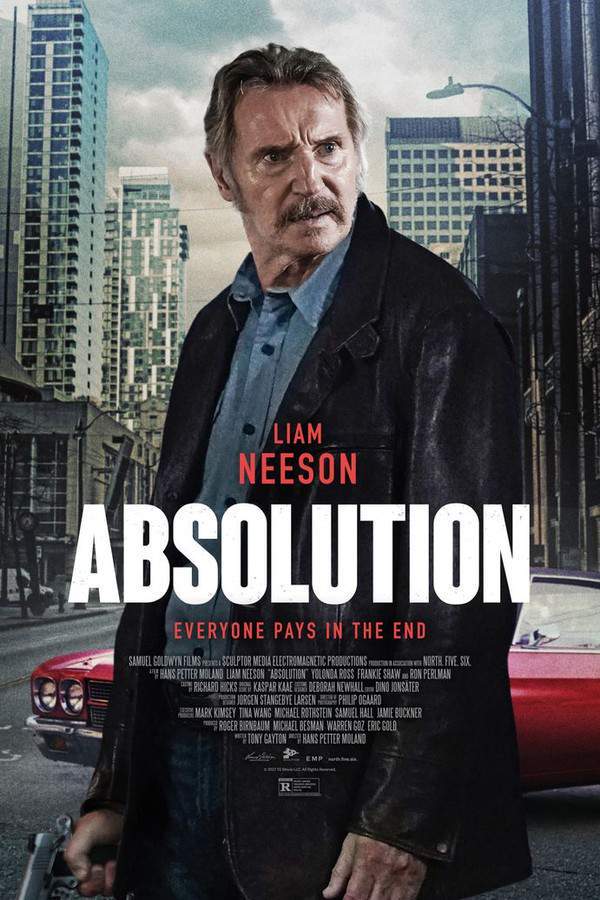
Grim fugitive thrillers similar to Red Zone Cuba

Relentless chase films where desperate characters find only betrayal and brutality. For viewers of Red Zone Cuba who want more relentless fugitive stories. Discover movies like it featuring desperate characters on the run, facing betrayal, brutal survival, and violent conclusions. These similar action-thrillers share a dark tone, fast pace, and heavy emotional impact.

  • anxious
  • desperate
  • oppressive
  • brutal
  • grim
  • tense
  • Tone: dark, tense, oppressive
  • Pacing: fast, chaotic
Why these movies?

The story pattern: The narrative pattern is a linear sequence of perilous events. Fugitives, often ill-prepared or morally compromised, move from one dangerous situation to the next. Alliances are temporary and fraught with betrayal. The world is hostile, and any hope of a clean escape is systematically crushed, leading to a climax of ultimate confrontation or capture.

Why they belong together: These films are united by the core experience of a desperate, high-stakes flight. They generate tension through constant danger and the fragility of the characters' situation. A shared dark tone, fast pacing propelled by chase sequences, and high intensity from the relentless threat of capture or death create a cohesive, anxious viewing experience.

If you liked this

Movies Like Red Zone Cuba

Similar movies to Red Zone Cuba: the same genre, themes or kind of story. Each one comes with its own plot summary, timeline and ending explained.

Browse all movie summaries

Every angle

Red Zone Cuba (1966) Explained: Plot, Timeline & Characters

Everything about Red Zone Cuba in one place: what happens in the plot summary, the timeline in chronological order, the characters and meaning and a spoiler-free summary. What's After the Movie adds the cast, box office and post-credit scenes.

Coming soon on iOS and Android

The Plot Explained Movie Summary App

Plot summaries, endings explained and timelines on your phone. Catch up on any movie in minutes, save your favorites and never miss a twist again.

Be the first to know when we launch. Your email stays private, always.

Learn more about the app