







Plot Explained Spoilers guaranteed!
Plot Explained

Browse by genre

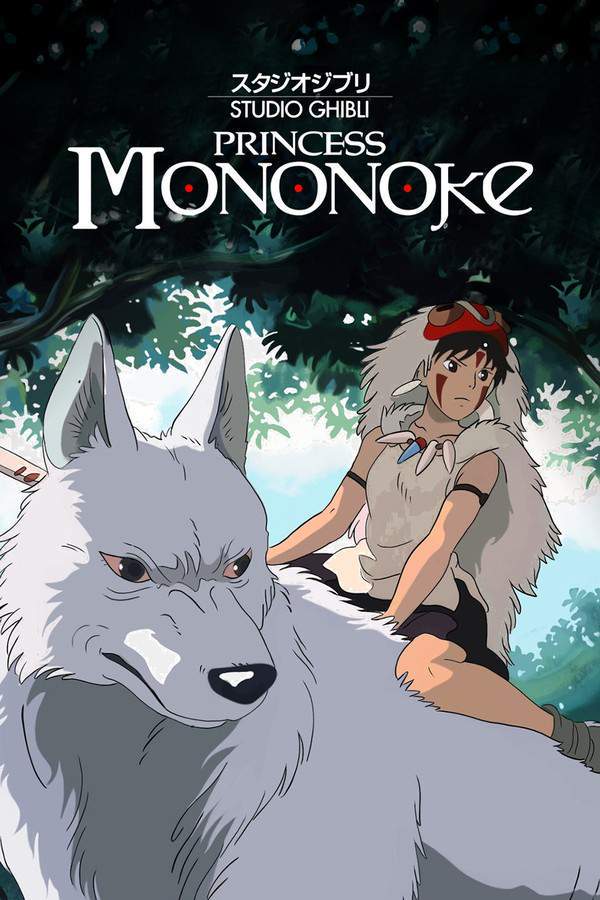
Princess Mononoke (1999) movie poster

Characters & Themes

Princess Mononoke (1999) Characters, Setting & Themes Explained

Release, runtime and language
1999 · 134 min · Japanese
JustWatch #7,101 145
Directed by
Hayao Miyazaki
Starring
Yôji Matsuda, Yûko Tanaka, Yuriko Ishida

A young prince, injured by a cursed attack, journeys to find a cure and becomes embroiled in a fierce struggle between the ancient forest and the ambitions of humans seeking to exploit its resources. He finds himself caught between the powerful wolf goddess Princess Mononoke and the ruthless industrialist Lady Eboshi, whose mining operations threaten the balance of the natural world and awaken its protective spirits.

On this page (8)
  1. 1 Where to watch
  2. 2 Characters explained (3)
  3. 3 Where & when it takes place
  4. 4 Themes & meaning (3)
  5. 5 Character & meaning questions
  6. 6 Movie threads
  7. 7 Movies like Princess Mononoke
  8. 8 Every angle

Where to watch

Where to Watch Princess Mononoke (1999)

Where can you watch Princess Mononoke? Stream, rent or buy it in the US, including on HBO Max, Amazon Video and Apple TV Store: current JustWatch availability with up-to-date prices.

Streaming availability powered by JustWatch

3 main characters · contains spoilers

Princess Mononoke Characters Explained: Who Is Who

The main characters of Princess Mononoke (1999), heroes and villains: what drives them, how they change over the course of the story and what each of them reveals about the film's bigger ideas.

  • Ashitaka (Yôji Matsuda)

    Ashitaka is a courageous prince of the Emishi tribe, marked by a devastating curse from a demon boar. He embodies the struggle for understanding and peace as he ventures to heal both his wounds and the discord between humanity and nature. His journey is driven by empathy and a desire to see through the complexities of good and evil.

    • 🗡️ Hero
    • 🌿 Protector
    • 💫 Seeker
  • Lady Eboshi (Yûko Tanaka)

    As the leader of Iron Town, Lady Eboshi is a complex character who simultaneously serves as a savior and foe. She is driven by ambition and a desire to protect her people, embodying the human drive for progress at the expense of nature. Her character challenges viewers to consider the shades of morality in the struggle for survival.

    • 🏭 Ambitious
    • 💪 Leader
    • ⚔️ Antagonist
  • San (Yuriko Ishida)

    San, also known as Princess Mononoke, is a fierce and strong-willed young woman raised by wolves, deeply embittered by her encounters with humans. Her character reflects the raw emotions associated with the love for nature and a desire to protect it at all costs, representing the voice of the oppressed spirits of the forest.

    • 🧝‍♀️ Warrior
    • 🌲 Nature's Guardian
    • 💔 Tormented

Last updated: October 22, 2024 at 19:02

Was this helpful?

Setting

Where and When Does Princess Mononoke Take Place?

The setting of Princess Mononoke (1999): the year and time period, the places and locations, and how they shape the characters, the mood and the tension of the story.

Time period

The story unfolds in a timeless fantasy world that reflects the conflicts between industrialization and nature. While the setting is not tied to a specific historical period, it mirrors the tensions of various epochs where humanity’s growth often comes at the cost of environmental destruction.

Location

Emishi Tribe territory, Iron Town (Tatara), Mist-covered forest

The film is set in a mystical realm where the serene, mist-covered forests and the bustling Iron Town coexist. The forests are alive with deities and ancient spirits, representing the heart of nature, while Iron Town serves as a hub of human ambition and industry. This contrast visually and thematically emphasizes the tension between humanity’s resource exploitation and nature's preservation.

  • 🌲 Forest
  • ⚒️ Town
  • 🏞️ Nature

Last updated: October 22, 2024 at 19:02

Was this helpful?

3 major themes

Princess Mononoke Meaning: Themes & Message Explained

What is Princess Mononoke (1999) really about? The emotional, social and philosophical themes the film keeps returning to, its symbolism and the message beneath the surface.

  • Coexistence

    At its core, *Princess Mononoke* explores the theme of coexistence between humanity and nature. The characters, including Ashitaka, San, and Lady Eboshi, embody the struggle to find balance amidst conflicting desires and the consequences of actions. The film advocates for understanding and harmony, suggesting that peace is possible even in a fragmented world.

  • Conflict

    The narrative presents the conflict not only between man and nature but also within the hearts of its characters. Ashitaka’s journey is marked by his internal turmoil as he navigates his curse and seeks to understand the complexity of hatred and love. This inner struggle highlights that conflict can be both destructive and a catalyst for growth.

  • Nature vs Industry

    One of the film's prominent themes is the clash between nature and industrialization. The iron town symbolizes human ambition, while the forest and its spirits represent the earth's sacred life. This theme is relevant to contemporary discussions on sustainability and the ecological crisis, making the film a profound commentary on current societal issues.

Last updated: October 22, 2024 at 19:02

Was this helpful?

Character & theme questions

Princess Mononoke Characters & Meaning: Your Questions Answered

The questions people ask about Princess Mononoke (1999): who the characters really are, their relationships, what the symbols mean, where it takes place and what the movie is really about. Each answer contains spoilers.

Q1

Where is Princess Mononoke set?

The film is set in a mystical realm featuring the mist-covered forests of the Emishi Tribe territory and Iron Town (Tatara), a bustling hub of human industry. The ancient forest is home to deities and spirits, representing the heart of nature, while Iron Town symbolizes human ambition and progress. This stark contrast between the serene, supernatural forest and the industrial town creates the film’s central tension.

  • emishi tribe
  • iron town
  • forest setting
  • mystical realm
  • tatara
Q2

What time period does Princess Mononoke take place in?

Princess Mononoke is set in a timeless fantasy world rather than a specific historical period. While not anchored to any real era, the story mirrors the tensions of various epochs where industrial growth conflicts with environmental preservation. The setting draws inspiration from Muromachi-era Japan but remains a fantastical world where spirits and advanced iron-working coexist.

  • timeless fantasy
  • historical setting
  • muromachi era
  • industrial age
Q3

What is the main conflict in Princess Mononoke?

The central conflict revolves around nature versus industrialization. Iron Town, led by Lady Eboshi, represents human ambition and progress through mining and smelting iron, which destroys the ancient forest and angers its protective spirits. The forest and its wolf goddess Princess Mononoke embody the raw power of nature fighting to preserve itself. This clash serves as a profound commentary on environmental destruction and sustainability.

  • nature vs industry
  • environmental conflict
  • forest spirits
  • iron town destruction
Q4

What does Princess Mononoke say about coexistence?

The film advocates for coexistence between humanity and nature through its characters' journeys. Ashitaka serves as the bridge between opposing sides, seeking understanding rather than victory. The story suggests that peace is possible through empathy and recognizing that both humans and nature can coexist, though the film presents this as an ongoing struggle rather than a simple resolution.

  • coexistence
  • harmony
  • balance nature humans
  • empathy
  • peace
Q5

Who is Ashitaka in Princess Mononoke?

Ashitaka is the young prince of the Emishi tribe who becomes cursed after defending his village from a demonic boar. He journeys westward to find a cure and becomes embroiled in the conflict between Iron Town and the forest spirits. Throughout the film, he embodies the struggle for understanding and peace, repeatedly attempting to bridge the gap between humans and nature rather than choosing sides.

  • ashitaka
  • emishi prince
  • cursed prince
  • peaceful mediator
Q6

Who is Lady Eboshi and what motivates her?

Lady Eboshi is the ambitious leader of Iron Town who drives the film’s industrial conflict. She is motivated by a desire to protect and improve the lives of her people, including former lepers who work in her iron mines. Her character is morally complex, she enables environmental destruction but also empowers marginalized humans. She challenges viewers to consider the shades of morality in survival struggles.

  • lady eboshi
  • iron town leader
  • industrialist
  • morally complex character
Q7

Who is Princess Mononoke (San)?

San, also known as Princess Mononoke, is a fierce young woman raised by wolf gods after being abandoned by humans. She despises humanity and dedicates her life to protecting the forest spirits from human destruction. Her raw emotional intensity represents the voice of the oppressed natural world. San’s conflict stems from her identity crisis, she is human-born but has been trained to reject her own kind.

  • san
  • princess mononoke
  • wolf girl
  • forest protector
  • mountain spirit
Q8

Are there villains in Princess Mononoke?

Princess Mononoke deliberately avoids simple heroes and villains. Lady Eboshi, though responsible for destroying the forest, is a protector of marginalized humans. San, though aligned with nature, commits acts of violence. Even the forest spirits contain both life-giving and destructive powers. The film presents a morally grey conflict where every side has understandable motivations, challenging viewers to look beyond good versus evil.

  • moral ambiguity
  • grey morality
  • no villains
  • complex characters
  • ethical conflict
Q9

What do the forest spirits represent in Princess Mononoke?

The forest spirits, particularly the ancient kodama and the Great Spirit, represent the sacred life force of nature. They are not simply benevolent, they can destroy as easily as they heal. The Great Spirit, which can take human or deer form, embodies the balance of nature itself. When its head is stolen, nature begins to die, showing that the spiritual and natural worlds are interdependent.

  • forest spirits
  • kodama
  • great spirit
  • nature spirits
  • sacred forest
Q10

What is Ashitaka's curse and what does it represent?

Ashitaka’s curse comes from a demonic boar god corrupted by human iron. The curse grants him dark supernatural power but feeds on his hatred and consumes him over time. Symbolically, it represents how hatred and violence corrupt the soul, the more Ashitaka uses the curse’s power, the more he risks becoming a monster himself. His journey is partly about breaking this cycle of hatred.

  • demon curse
  • corruption
  • hatred
  • boar god
  • supernatural power
Q11

What is Princess Mononoke's message about the environment?

The film presents a nuanced environmental message that goes beyond simple conservationism. While it critiques industrial destruction of nature, it also shows that humans need resources to survive and improve their lives. The film suggests that the path forward requires finding balance rather than choosing between total industrialization or total wilderness, neither side can simply annihilate the other.

  • environmental message
  • ecological themes
  • sustainability
  • nature preservation
  • industrialism critique
Q12

Why does Princess Mononoke have a bittersweet ending?

The ending is bittersweet because while the forest begins to heal after the Great Spirit restores life, this peace is fragile and born from immense sacrifice. Ashitaka and San do not reunite as a couple, they maintain a tentative truce, acknowledging their separate worlds. The film suggests hope for coexistence exists, but it remains an ongoing struggle rather than a definitive victory.

  • bittersweet ending
  • hopeful ending
  • resolution
  • forest healing
  • ashitaka san ending

Movie threads

More Movies Like Princess Mononoke, by Mood & Story

Curated lists built around what makes Princess Mononoke tick: the same mood, the same kind of story or the same emotional payoff. Each list explains why these movies belong together.

Epic Human vs Nature Conflicts like in Princess Mononoke

Large-scale stories where the exploitation of nature provokes a violent, mythic backlash. If you enjoyed the grand struggle between Irontown and the forest in Princess Mononoke, explore more movies where humanity's ambition triggers a massive, often spiritual, conflict with the natural world. These films share a mythic scope, high stakes, and complex moral questions about coexistence.

  • epic
  • urgent
  • somber
  • mythic
  • violent
  • contemplative
  • Tone: dark, mythic, urgent
  • Pacing: steady, building to epic confrontation
Why these movies?

The story pattern: Movies in this thread typically follow a central conflict ignited by human encroachment on a sacred or powerful natural domain. The narrative builds towards a climactic confrontation where the natural world, often embodied by ancient spirits or fierce protectors, fights back against destruction, forcing characters to confront the consequences of their actions.

Why they belong together: They are grouped by their shared focus on an epic, morally grey struggle between civilization and wilderness. They combine high-intensity action with heavy emotional weight, a dark tone, and a contemplative look at environmental themes, creating a uniquely powerful and urgent viewing experience.

Bittersweet Truces After Heavy Sacrifice like in Princess Mononoke

Stories where resolution is achieved, but the peace is fragile and born from immense loss. For viewers who appreciated the nuanced ending of Princess Mononoke, this section highlights movies where the conclusion is a fragile truce rather than a perfect victory. These films explore the heavy cost of conflict and the bittersweet nature of peace achieved through mutual sacrifice and understanding.

  • somber
  • bittersweet
  • contemplative
  • heavy
  • hopeful but scarred
  • solemn
  • Tone: somber, bittersweet, contemplative
  • Pacing: steady, character-driven
Why these movies?

The story pattern: The narrative journey in these films builds towards a climax where total victory is impossible for any side. The resolution involves a painful compromise or a newfound respect between adversaries, leading to an ending that is hopeful yet shadowed by the losses endured, leaving relationships and futures in a state of delicate balance.

Why they belong together: These movies share a specific emotional arc: they build heavy emotional weight through intense conflict and arrive at a conclusion that is profoundly bittersweet. The pacing is steady, leading to a climax that prioritizes thematic resolution over neat endings, resulting in a contemplative and somber mood.

If you liked this

Movies Like Princess Mononoke

Similar movies to Princess Mononoke: the same genre, themes or kind of story. Each one comes with its own plot summary, timeline and ending explained.

Browse all movie summaries

Every angle

Princess Mononoke (1999) Explained: Plot, Timeline & Characters

Everything about Princess Mononoke in one place: what happens in the plot summary, the timeline in chronological order, the characters and meaning and a spoiler-free summary. What's After the Movie adds the cast, box office and post-credit scenes.

Coming soon on iOS and Android

The Plot Explained Movie Summary App

Plot summaries, endings explained and timelines on your phone. Catch up on any movie in minutes, save your favorites and never miss a twist again.

Be the first to know when we launch. Your email stays private, always.

Learn more about the app