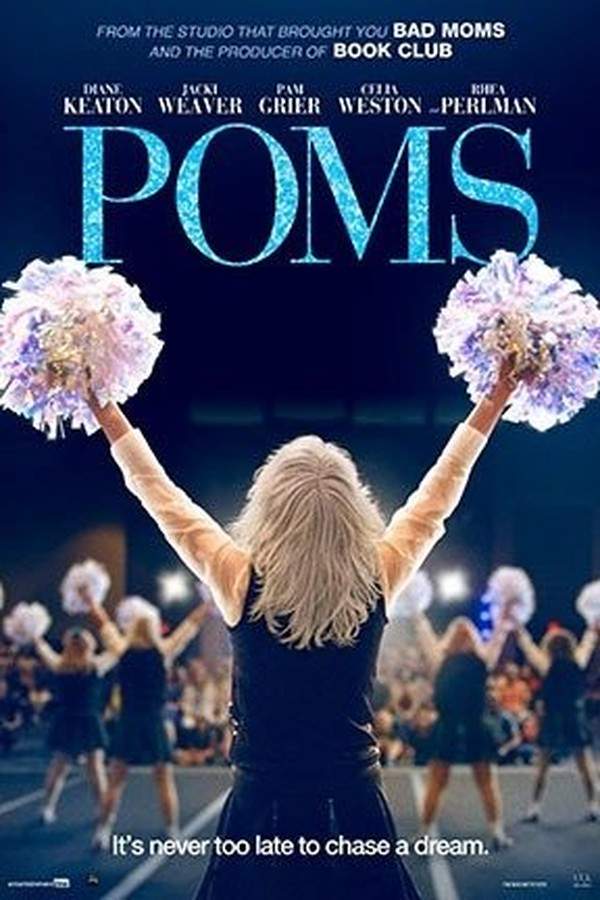
Martha, Diane Keaton, a woman facing terminal cancer, makes a quiet, resolute choice to forego further treatment and moves from her cramped New York apartment to Sun Springs, a retirement community tucked in Georgia. The shift from urban solitude to a place built on routine and connection marks a new chapter where every resident is steered toward belonging to one of the community’s clubs. On arrival, she is greeted by the observant, practical Celia Weston Vicki, the community supervisor, who gives her a guided tour and explains the social structure that keeps Sun Springs humming.
Martha settles into a modest house near her new neighbors, and it isn’t long before she meets her next-door neighbor, Sheryl, Jacki Weaver. The two women strike up a wary, then warmer, rapport as Sheryl introduces her to a world of gatherings, activities, and the unspoken rules that govern this late-stage community life. But the constant background din of other residents and the expectations of the clubs soon become a daily soundtrack that Martha initially resists.
A restless night brings an incident that tests boundaries. The noise from Sheryl’s house pushes Martha toward calling the security chief, Chief Carl, Bruce McGill, to restore quiet. Yet Sheryl and her circle don’t retreat; instead, they slip into Martha’s home to avoid the watchful eye and press Martha to join their social orbit. From that night on, Sheryl grows more insistent about friendship and shared activities, drawing Martha into a dance of invitation and reluctance that will push Martha to revisit parts of herself she thought were behind her.
One evening, while watching television, Martha learns about fireworks used in funerals and begins imagining a fireworks display for her own send-off. The idea seeds a bold, improbable plan that foreshadows the film’s themes of legacy, celebration, and defiance. After a period of hesitation, Martha opens up to Sheryl about her past as a cheerleader—an identity she had to relinquish to care for her ailing mother. Sheryl suggests that Martha reclaim that energy, and this spark leads to a daring notion: start a cheerleading club right in Sun Springs.
With a blend of stubborn optimism and practical persuasion, Martha persuades Vicki to greenlight the project and to recruit the minimum eight members. The tryouts yield six women—Olive, Alice, Ruby, Evelyn, Phyllis, and Helen—and Martha enlists Sheryl’s teenage grandson Ben to work as their DJ, giving the club a touch of youth and vitality. The team begins practicing, but aging bodies and limited space make nourishment of technique and spirit a real challenge. The group’s momentum is tested again when Vicki announces they must relocate their practice space, pushing Sheryl to secure a spot at a local high school’s pep rally.
In the high school locker room, a stingy wave of taunts greets them from younger cheerleaders, including Chloe, a student of Sheryl’s, played by Alisha Boe. The pep rally itself becomes a proving ground: the group pushes through nerves, Becky-like camaraderie, and the awkward rhythm of adults trying something new. The routine lands with rough edges, and Helen, one of the club members, injures her ankle during the performance. The moment is captured on video by Ben, and the clip travels fast, going viral and drawing the attention—and the anxiety—of Helen’s son, Tom, who threatens a lawsuit to discipline the group. Under pressure, the Sun Springs community votes to disband the club, a brutal reminder of the fragility of dream-choices in the face of legal and social pressure.
Back at Martha’s home, the mood shifts from defeat to resolve. Martha invites Sheryl to share a drink, and while watching the viral clip, they hear a voice that seems to be a cheerleader from the past—Chloe’s—and realize the post was not the work of a random classmate but of someone within their own orbit. They confront Chloe at her home, and, moved by fear and remorse, Chloe breaks down. She apologizes, but more importantly, she reveals a willingness to help. Martha and Sheryl forgive her and recruit her to become the group’s choreographer, noting that her perspective might be exactly what they need to reassemble the team.
The decision to rebuild is not merely about dancing; it becomes a testament to resilience in the face of illness. With Chloe coaching and Martha’s steady, if secret, courage, the club reforms and refines its routine. They rehearse, grow more cohesive, and prepare for a new kind of competition—a chance to prove their worth, not just to themselves but to a community that had counted them out.
Meanwhile, Martha’s cancer progresses, a truth she guards from the others as she continues to push through rehearsals and planning. After leaving a group party, she collapses while walking home, and in the hospital she confesses to Sheryl that she isn’t sure she’ll attend the upcoming competition. Sheryl urges her not to quit, to keep dancing and living as long as she can, and to make the journey worthy of its end.
The day of the competition arrives, and the club—now a tight-knit team—makes a bold, coordinated sprint toward the goal. They rescue Helen from Tom’s attempt to block her access to the competition and escape the pursuing wheels of Vicki and Chief Carl, who ultimately stand with them as spectators rather than antagonists. The group performs with surprising grace and energy, earning the crowd’s affection and earning the respect of rival teams. The performance ends not just in a victory but in a sense of communal triumph, and as the event closes, a fireworks display punctuates the moment: Martha has died, her ashes or memory honored in the spectacle of light and color at her funeral.
A year passes, and the Sun Springs troupe has grown, welcoming new members while continuing to perform to support a cancer charity in Martha’s memory. They prepare for another round of competition, determined to honor their mentor and the community that rebuilt itself around hope. The end credits roll over clips of others embracing similar zest—dancing and celebrating life in ways that echo Martha’s own legacy, a reminder that memory can be carried forward through shared courage and collaborative joy.