Plot Explained Spoilers guaranteed!
Plot Explained

Browse by genre

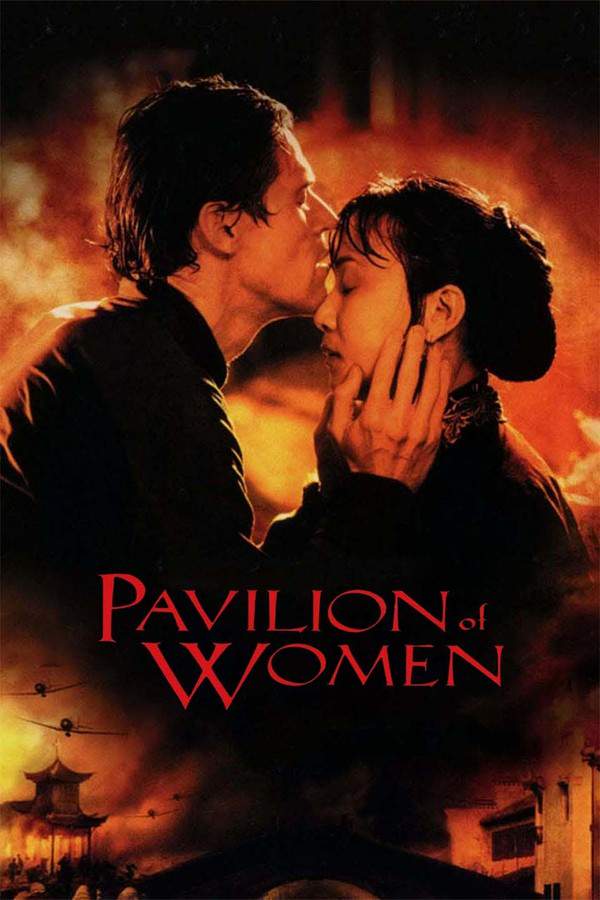
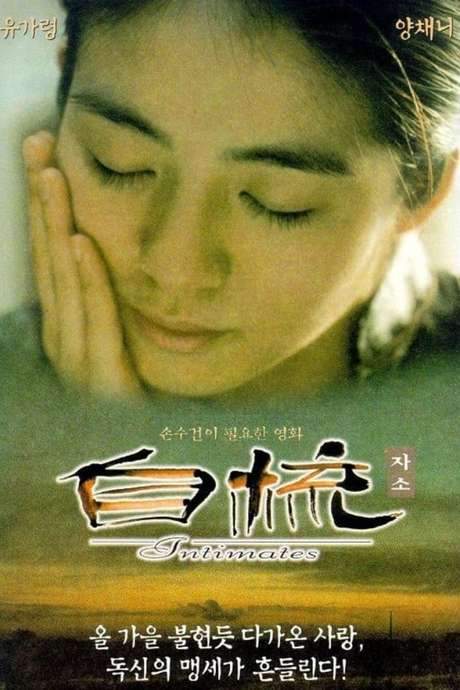
Peony Pavilion (2001) movie poster

Timeline

Peony Pavilion (2001) Timeline Explained – Every Event in Order

Release, runtime and language
2001 · 123 mins · Chinese
Starring
Daniel Wu, Brigitte Lin, Yonfan, Rie Miyazawa, Joey Wong Cho-Yin

In 1930s Suzhou, the fifth wife of an opium-addicted aristocrat, her husband’s female cousin, and a handsome instructor develop an intense relationship.

On this page (5)
  1. 1 Events in order (12)
  2. 2 Timeline questions answered
  3. 3 Movie threads
  4. 4 Movies like Peony Pavilion
  5. 5 Every angle

12 events in order · contains spoilers

Peony Pavilion Timeline: Events in Chronological Order

Every key event of Peony Pavilion (2001) in order, scene by scene, with when and where it takes place. Use it to untangle flashbacks, time jumps and parallel storylines, to refresh your memory before the sequel or to find the exact scene you are thinking of.

  1. Cui Hua enters a noble household as the fifth wife

    In the 1930s in Suzhou, Cui Hua, a courtesan from a tea house, becomes the fifth wife of a nobleman. She begins navigating a rigid household and the subtle politics of her new status. Her position sets the stage for hidden longings to emerge.

    When
    1930s
    Where
    Suzhou
  2. A forbidden bond blossoms through Kunqu Opera

    Within the mansion, Cui Hua forms an intense bond with Rong Lan, the husband’s cousin, sparked by their shared love of Kunqu Opera. Their closeness grows in secret, sheltered from the husband’s neglect. The relationship hints at forbidden desire within the family.

    When
    1930s
    Where
    Nobleman's mansion
  3. Neglect drives Cui Hua toward opium

    Cui Hua and her daughter Hui Hui are neglected by her husband, leaving Cui Hua increasingly lonely. She turns to opium to cope and forms a bond with the loyal butler, who soon enlists in the army. The mansion becomes a place of quiet desperation and hidden desires.

    When
    1930s
    Where
    Nobleman's mansion
  4. Cui Hua and Hui Hui escape to Rong Lan

    Facing neglect and despair, Cui Hua and Hui Hui escape the mansion to live with Rong Lan. The move marks a turning point, uniting the women against an unsympathetic patriarchal world. They find a fragile sanctuary in Rong Lan's household.

    When
    early 1930s
    Where
    Nobleman's mansion → Rong Lan's residence
  5. Zhi Gang arrives and a secret affair begins

    Zhi Gang, a handsome examiner, arrives at Rong Lan's school on official business, and he and Rong Lan begin an intimate relationship. Cui Hua remains unaware at first as the affair unfolds in secrecy. Rong Lan describes her feelings as indulgent toward Cui Hua, and the time with Zhi Gang feels guilt-free.

    When
    early 1930s
    Where
    Rong Lan's school
  6. The butler's death and his diary's confession

    Cui Hua receives news that the butler died in the war and then discovers his diary, which reveals his unspoken feelings for her. The diary unsettles Cui Hua and complicates her loyalties between Rong Lan and Zhi Gang. The moment blends grief with a troubling new memory.

    When
    afternoon
    Where
    Cui Hua's residence
  7. A park encounter tests loyalties

    At the park, Cui Hua and Hui Hui bump into Rong Lan and Zhi Gang. Zhi Gang urges them to spend time together, but Rong Lan refuses, leaving Cui Hua to cry by the pond. The encounter crystallizes the tension and competing affections that haunt them.

    When
    afternoon
    Where
    Park by the pond
  8. Dinner request and an opium‑fueled night

    That night, Cui Hua asks Rong Lan to invite Zhi Gang to dinner; Rong Lan stays quiet. Cui Hua retreats to her room to smoke opium as her health worsens. Rong Lan breaks down in tears, torn between the two lovers.

    When
    night
    Where
    Nobleman's mansion / Rong Lan's residence
  9. Zhi Gang departs, leaving a grieving Rong Lan

    Zhi Gang completes his assignment at Rong Lan's school and departs, leaving Rong Lan to grieve the loss of their brief infatuation. The separation strains the fragile relationships within the trio. Cui Hua remains torn between loyalty to Rong Lan and her own desires.

    When
    later
    Where
    Rong Lan's school
  10. Cui Hua burns the diary, then a quiet night

    Cui Hua burns the butler's diary and spends a quiet night with Rong Lan, reminiscing about the times they've shared. The act signals a turning point as memory competes with present tensions. The two women cling to a past that cannot be easily resolved.

    When
    night
    Where
    Cui Hua's residence
  11. Park day: memories and unanswered questions

    On another day, they visit the park with Hui Hui and recall the day Cui Hua met Rong Lan and Zhi Gang. Rong Lan asks Cui Hua whether she cried because of the butler or because of seeing her with Zhi Gang. Cui Hua does not answer, and Rong Lan urges leaving it in the past.

    When
    daytime
    Where
    Park
  12. A birthday memory and a tender moment

    Rong Lan remembers a birthday celebration she once threw for Cui Hua, calling it the happiest day of their lives. Cui Hua falls asleep on Rong Lan's shoulder, signaling a tender, unresolved bond between them. The memory lingers as they drift toward an uncertain future.

    When
    daytime
    Where
    Park

Last updated: October 09, 2025 at 15:28

Was this helpful?

Timeline questions answered

Peony Pavilion Timeline Explained: Your Questions Answered

When does it happen, and why in that order? The questions people ask about the chronology of Peony Pavilion (2001): time jumps, flashbacks, cause and effect between scenes and the correct order of events, each answered with spoilers.

Q1

Why does Cui Hua turn to opium?

Cui Hua becomes addicted to opium because of the severe neglect she endures from her husband in the noble household. As a fifth wife with little status or attention, she grows increasingly lonely and desperate, turning to opium as an escape from her unhappy life. Her health deteriorates as a result of this addiction.

Foreshadowing: The neglect is established early when Cui Hua and her daughter Hui Hui are left without care or affection in the mansion.

  • opium addiction
  • neglect
  • Cui Hua
  • escape
  • coping mechanism
Q2

Why does Rong Lan start a relationship with Zhi Gang while being close to Cui Hua?

Rong Lan begins an intimate relationship with Zhi Gang, the examiner who arrives at her school, partly because she views it as guilt-free escapism. She describes her feelings toward Cui Hua as indulgent and considers her time with Zhi Gang separate from her bond with Cui Hua. This reflects her complicated position torn between loyalty to Cui Hua and her own romantic desires.

Foreshadowing: Rong Lan's earlier description of her feelings toward Cui Hua as indulgent hints at her willingness to pursue other relationships without guilt.

  • Rong Lan
  • Zhi Gang
  • affair
  • love triangle
  • guilt-free
Q3

What role does Kunqu Opera play in the story?

Kunqu Opera serves as the foundation for the bond between Cui Hua and Rong Lan. Both women share a deep love for this traditional art form, which becomes the catalyst for their intense relationship. Their connection through Kunqu Opera represents a rare source of beauty and meaning in their constrained lives within the patriarchal household.

Foreshadowing: The bond forms early through their shared passion for Kunqu Opera, establishing the emotional core of their relationship.

  • Kunqu Opera
  • connection
  • shared passion
  • cultural element
Q4

Why does Cui Hua cry by the pond when they meet Rong Lan and Zhi Gang at the park?

Cui Hua cries at the park because she is overwhelmed by seeing Rong Lan with Zhi Gang. While she initially claims to be grieving the butler's death, Rong Lan later directly asks her whether she cried because of the butler or because of seeing her with Zhi Gang. Cui Hua never answers, suggesting her tears stemmed from both grief and jealousy over Rong Lan's romantic involvement.

Foreshadowing: Earlier, Rong Lan describes her time with Zhi Gang as guilt-free, not realizing how much it might affect Cui Hua.

  • Cui Hua crying
  • park scene
  • jealousy
  • Rong Lan
  • Zhi Gang
Q5

What is the butler's significance in the plot?

The butler is a loyal servant who befriends Cui Hua during her lonely time in the mansion. He provides her with companionship and understanding before enlistng in the army. After he dies in the war, Cui Hua discovers his diary, which reveals his unspoken romantic feelings for her. This revelation adds another layer of emotional complexity and guilt to her already troubled state.

Foreshadowing: The butler's bond with Cui Hua develops early as she turns to opium and he becomes her trusted friend.

  • butler
  • diary
  • death
  • confession
  • war
Q6

Why do Cui Hua and Hui Hui escape from the noble household?

Cui Hua and her daughter Hui Hui escape the mansion because they can no longer endure the constant neglect from her husband. The oppressive environment, combined with her growing opium addiction and loneliness, drives her to seek a better life. They go to live with Rong Lan, finding a fragile sanctuary away from the patriarchal household.

Foreshadowing: The neglect is established as a constant theme from the beginning of the story.

  • escape
  • neglect
  • Hui Hui
  • mansion
  • freedom
Q7

What is the nature of the relationship between Cui Hua and Rong Lan?

Cui Hua and Rong Lan share an intense emotional bond that goes beyond simple friendship. Their connection is sparked by their shared love of Kunqu Opera and deepens over years of living together. The relationship carries romantic undertones, with Rong Lan describing her feelings as indulgent. They depend on each other for emotional support in a world that offers them little freedom or happiness.

Foreshadowing: The bond forms early through their shared passion for Kunqu Opera, hinting at something deeper than friendship.

  • romantic relationship
  • emotional bond
  • Kunqu Opera
  • dependence
Q8

Why does Zhi Gang leave Rong Lan's life?

Zhi Gang departs after completing his assignment at Rong Lan's school, which was sent by the education ministry. His role as an examiner was temporary by nature, and once his official work concludes, he leaves. This departure leaves Rong Lan grieving the loss of their brief but intense infatuation, adding to the film's melancholy tone.

Foreshadowing: Zhi Gang's arrival is tied to his official assignment from the education ministry, signaling from the start that his stay would be temporary.

  • Zhi Gang departure
  • assignment
  • school
  • official business
Q9

What does the butler's diary reveal to Cui Hua?

The butler's diary reveals his deep romantic feelings for Cui Hua that he never expressed during his life. After his death in the war, Cui Hua discovers these confessions in his diary, which complicates her emotions. The revelation adds to her grief and creates a sense of guilt, as she realizes someone cared for her deeply while she was absorbed in her own struggles.

Foreshadowing: The butler forms a bond with Cui Hua early in the story, providing companionship she rarely receives.

  • diary confession
  • unspoken love
  • butler death
  • emotional revelation
Q10

Why does Cui Hua burn the butler's diary?

Cui Hua burns the butler's diary as an act of letting go and moving forward. The diary contains his confessions of love, which have unsettled her. By burning it, she attempts to free herself from the emotional weight of this revelation and the grief it brings. However, this act also symbolizes her broader struggle to reconcile her past with her present circumstances.

Foreshadowing: The diary's discovery follows the butler's death, adding emotional burden to an already difficult time.

  • burning diary
  • letting go
  • closure
  • memory
Q11

What is the significance of the birthday celebration Rong Lan remembers?

The birthday celebration Rong Lan threw for Cui Hua represents the happiest moment in their relationship. Rong Lan recalls it as the happiest day of their lives, remembering the joy they shared. This memory becomes poignant in the present, as the women now face an uncertain future. The tender memory of that day contrasts with their current state of unresolved feelings and loss, highlighting the bittersweet nature of their bond.

Foreshadowing: The intensity of their bond is established from the beginning through their shared moments.

  • birthday celebration
  • happiest memory
  • past happiness
  • nostalgia

Movie threads

More Movies Like Peony Pavilion, by Mood & Story

Curated lists built around what makes Peony Pavilion tick: the same mood, the same kind of story or the same emotional payoff. Each list explains why these movies belong together.

Movies like Peony Pavilion about confined melancholy

Stories of quiet yearning and emotional bonds within restrictive worlds. Explore films similar to Peony Pavilion that capture the quiet drama of relationships formed under strict social rules. If you liked the melancholic yearning and intimate bonds in Peony Pavilion, discover other movies about forbidden love and loneliness in period settings.

  • melancholic
  • yearning
  • intimate
  • somber
  • reflective
  • lonely
  • Tone: melancholic, somber
  • Pacing: slow, contemplative
Why these movies?

The story pattern: The narrative pattern involves characters trapped by societal or personal circumstances finding profound, often forbidden, emotional connections. The plot unfolds slowly, focusing on the quiet evolution of these bonds against a backdrop of unspoken rules and unfulfilled desires, usually culminating in a parting of ways or a wistful remembrance.

Why they belong together: These films are grouped by their shared melancholic tone, slow pacing, and focus on the tension between deep emotional yearning and external constraints. They create a specific, subdued atmosphere of reflective intimacy and inevitable heartache.

Quiet love triangle movies like Peony Pavilion

Character-driven stories where a delicate three-person dynamic creates subtle tension. Find movies similar to Peony Pavilion that explore subtle, intimate love triangles. If you enjoyed the delicate dynamic between the three leads in Peony Pavilion, you'll appreciate these character-driven stories focused on unrequited love and quiet emotional tension.

  • intimate
  • unrequited love
  • complex relationships
  • subtle tension
  • reflective
  • yearning
  • Tone: melancholic, intimate
  • Pacing: slow, character-driven
Why these movies?

The story pattern: The narrative revolves around three characters whose lives become deeply intertwined. The central conflict is internal and emotional, driven by unspoken attraction, loyalty, and the quiet ache of unrequited love. The plot progression is often subtle, prioritizing character introspection over external drama.

Why they belong together: These movies share a specific narrative structure—an intimate, often non-traditional love triangle—paired with a slow, reflective pacing and medium emotional weight. The similarity lies in the delicate handling of complex feelings and the focus on emotional authenticity over plot-driven rivalry.

If you liked this

Movies Like Peony Pavilion

Similar movies to Peony Pavilion: the same genre, themes or kind of story. Each one comes with its own plot summary, timeline and ending explained.

Browse all movie summaries

Every angle

Peony Pavilion (2001) Explained: Plot, Timeline & Characters

Everything about Peony Pavilion in one place: what happens in the plot summary, the timeline in chronological order, the characters and meaning and a spoiler-free summary. What's After the Movie adds the cast, box office and post-credit scenes.

Coming soon on iOS and Android

The Plot Explained Movie Summary App

Plot summaries, endings explained and timelines on your phone. Catch up on any movie in minutes, save your favorites and never miss a twist again.

Be the first to know when we launch. Your email stays private, always.

Learn more about the app