Plot Explained Spoilers guaranteed!
Plot Explained

Browse by genre

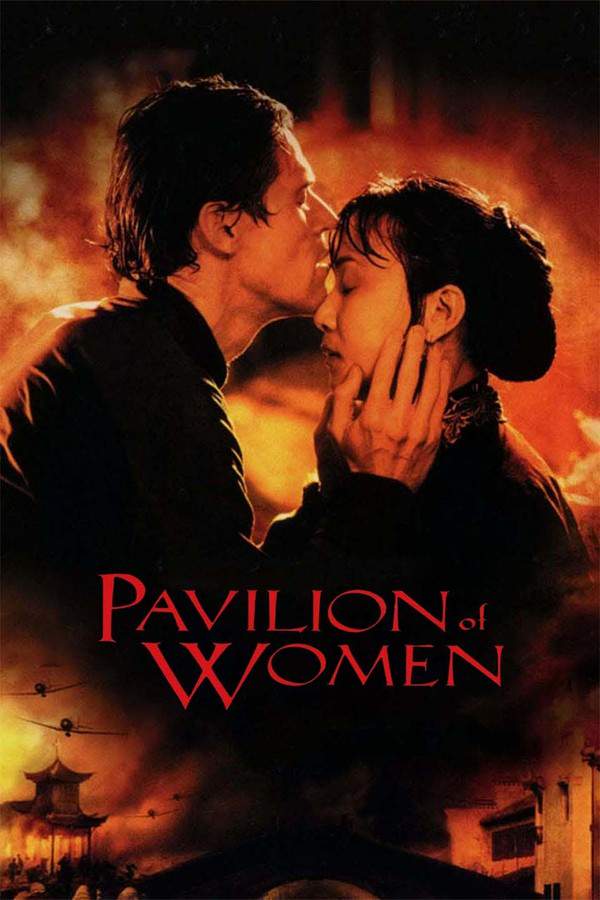
Peony Pavilion (2001) movie poster

Characters & Themes

Peony Pavilion (2001) Characters, Setting & Themes Explained

Release, runtime and language
2001 · 123 mins · Chinese
Starring
Daniel Wu, Brigitte Lin, Yonfan, Rie Miyazawa, Joey Wong Cho-Yin

In 1930s Suzhou, the fifth wife of an opium-addicted aristocrat, her husband’s female cousin, and a handsome instructor develop an intense relationship.

On this page (7)
  1. 1 Characters explained (4)
  2. 2 Where & when it takes place
  3. 3 Themes & meaning (3)
  4. 4 Character & meaning questions
  5. 5 Movie threads
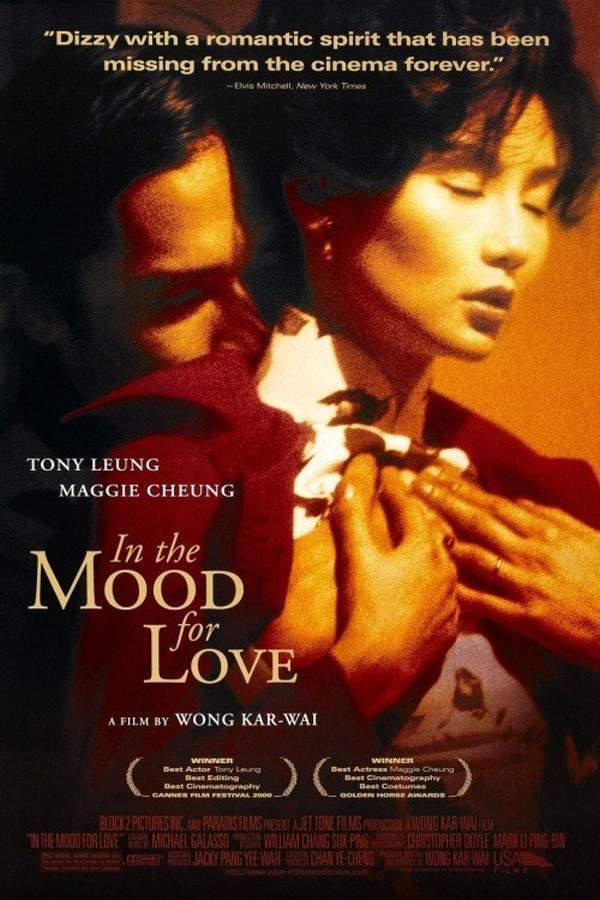
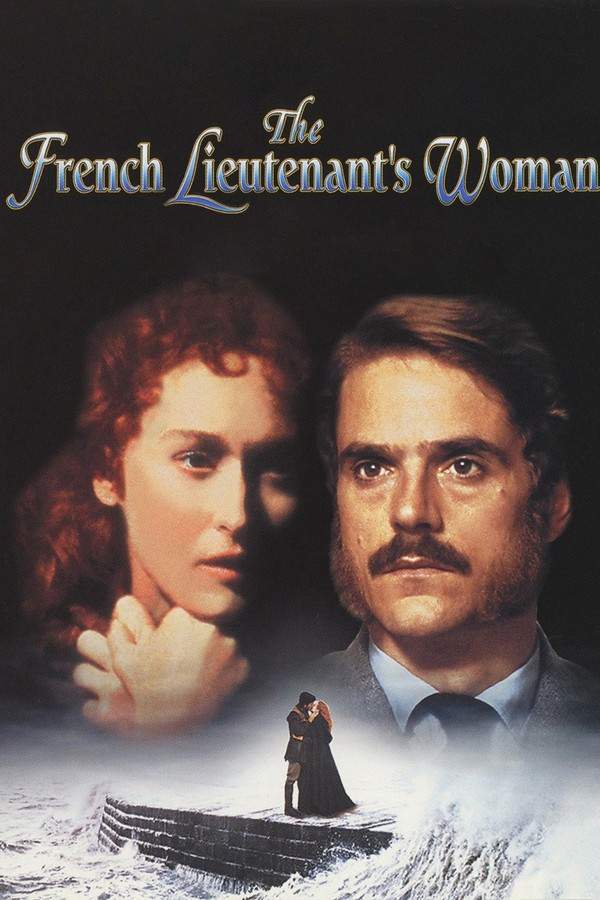
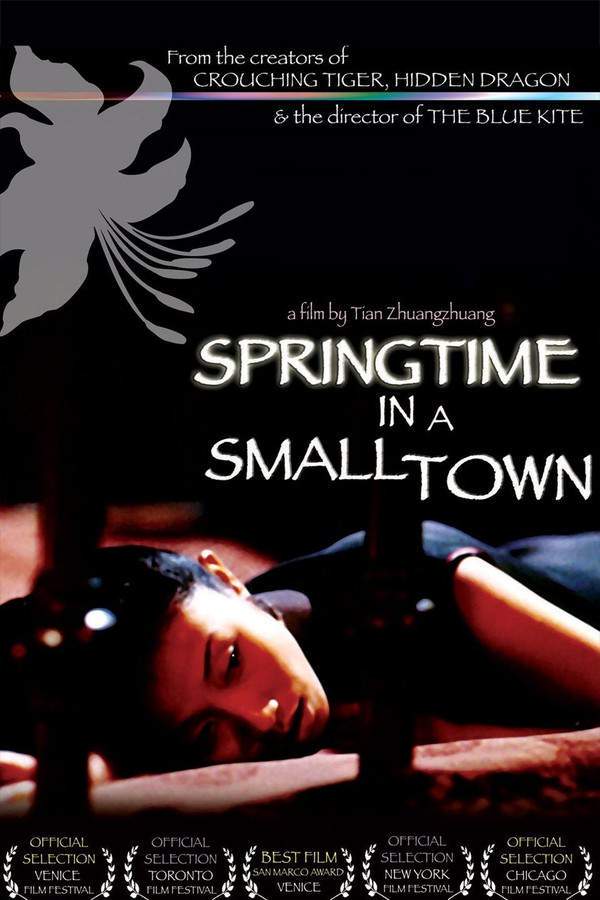
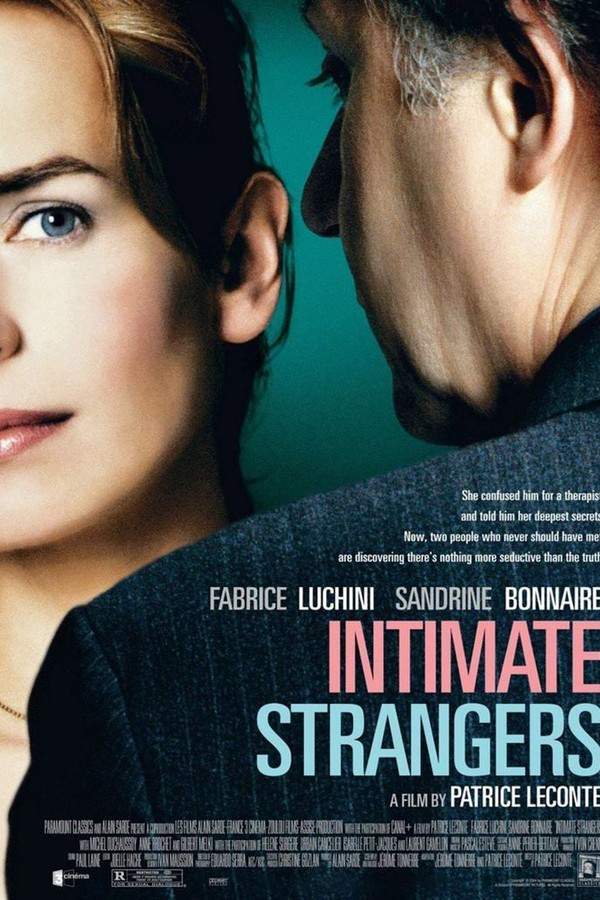
  6. 6 Movies like Peony Pavilion
  7. 7 Every angle

4 main characters · contains spoilers

Peony Pavilion Characters Explained: Who Is Who

The main characters of Peony Pavilion (2001), heroes and villains: what drives them, how they change over the course of the story and what each of them reveals about the film's bigger ideas.

  • Cui Hua (Rie Miyazawa)

    A courtesan from a tea house who marries into a noble family as the fifth wife. Loneliness and neglect push her toward opium and a deep, complicated bond with Rong Lan, as well as a discreet relationship with Zhi Gang. Her choices reveal vulnerability, craving for affection, and the consequences of acting against social expectations.

    • 💫 Complex woman
    • 🔎 Inner turmoil
    • 🫖 Opium dependence
  • Rong Lan (Brigitte Lin)

    The nobleman’s cousin and a schoolteacher who becomes Cui Hua’s confidante and lover. She describes her feelings as indulgent and experiences guilt and emotional strain from the affair. Torn between love and propriety, she navigates friendship, loyalty, and heartbreak while shaping Cui Hua’s choices.

    • 💞 Complex relationships
    • 🧭 Moral conflict
    • 📚 Educator
  • Zhi Gang (Daniel Wu)

    A handsome examiner assigned by the education ministry who becomes involved with both Cui Hua and Rong Lan. Drawn to their companionship, he must balance desire with duty and social expectations. His departure after their time together marks the end of a pivotal chapter in their entwined lives.

    • 💔 Intrigue
    • 🧭 Duty vs desire
    • 🧭 Authority
  • Hui Hui

    Cui Hua’s adolescent daughter who is also neglected by her father. She represents innocence within the adult conflicts and shares moments of refuge with Rong Lan. Her presence underscores the generational impact of the adults’ choices and the family’s fragility.

    • 👧 Innocence
    • 👀 Observation
    • 🌫️ Family dynamics

Last updated: October 04, 2025 at 11:53

Was this helpful?

Setting

Where and When Does Peony Pavilion Take Place?

The setting of Peony Pavilion (2001): the year and time period, the places and locations, and how they shape the characters, the mood and the tension of the story.

Time period

1930s

The events occur in the 1930s Republic era, a period of social change and rigid mores that frame intimate matters within public expectations. Women’s roles are tightly policed, and relationships outside formal marriage provoke tension and secrecy. The era’s upheavals are felt through the lives of household staff and the looming involvement of war, which alters loyalties and destinies.

Location

Suzhou, China

Set in Suzhou, a city famed for its canals, classical gardens, and refined courtesan culture, the story unfolds between a teahouse and a nobleman’s mansion. The mansion acts as a gilded cage for Cui Hua and her daughter, while the teahouse and park scenes provide social color and moments of solace. The setting highlights both beauty and confinement within 1930s Jiangnan society.

  • 🏯 Historic city
  • 🌸 Cultural heritage

Last updated: October 04, 2025 at 11:53

Was this helpful?

3 major themes

Peony Pavilion Meaning: Themes & Message Explained

What is Peony Pavilion (2001) really about? The emotional, social and philosophical themes the film keeps returning to, its symbolism and the message beneath the surface.

  • Forbidden Love

    Cui Hua’s loneliness drives her into a complex three-way relationship with Rong Lan and Zhi Gang. The lovers navigate desire against social norms, masking their feelings behind appearances of propriety. The triad’s emotional entanglement exposes fragility, guilt, and the price of pursuing affection in a restrictive society. Love here is a dangerous, transformative force that reshapes loyalties.

  • Social Constraint

    The film explores how marriage, class, and gender norms canalize personal longing into secrecy and restraint. Cui Hua’s neglect by her husband and the secrecy of her relationship with Rong Lan reflect a patriarchal world that confines women to fragile roles. The characters constantly weigh duty against desire, illustrating how societal rules govern even intimate moments. The plot uses confinement to heighten tension and reveal character resilience.

  • Art and Escape

    Kunqu Opera and shared memories become the emotional lifeline for the trio, linking lovers through culture and performance. The art form offers a space where affection can be expressed indirectly, away from prying eyes. Scenes in the park and at school use art to process grief, longing, and the ache of unfulfilled bonds. Ultimately, art becomes a memory-preserving escape from a world of constraints.

Last updated: October 04, 2025 at 11:53

Was this helpful?

Character & theme questions

Peony Pavilion Characters & Meaning: Your Questions Answered

The questions people ask about Peony Pavilion (2001): who the characters really are, their relationships, what the symbols mean, where it takes place and what the movie is really about. Each answer contains spoilers.

Q1

Where is Peony Pavilion set?

The film is set in Suzhou, a historic Chinese city famous for its canals, classical gardens, and refined courtesan culture. The story unfolds primarily between a teahouse and a nobleman's mansion, with the mansion serving as a gilded cage while the teahouse and park scenes provide moments of solace and social color.

  • suzhou
  • china
  • setting
  • location
  • jiangnan
Q2

What time period does the movie take place in?

The story is set in the 1930s during China's Republic era, a period marked by social change yet rigid social mores. Women's roles were tightly policed, and relationships outside formal marriage provoked tension and secrecy, creating the restrictive environment that shapes the characters' choices.

  • 1930s
  • republic era
  • time period
  • historical context
Q3

What is the main theme of forbidden love in the movie?

The film centers on Cui Hua's loneliness driving her into a complex three-way relationship with Rong Lan and Zhi Gang. Their love unfolds against social norms, with characters masking feelings behind appearances of propriety. The emotional entanglement exposes fragility, guilt, and the high price of pursuing affection in a restrictive society where love becomes a dangerous, transformative force.

  • forbidden love
  • love triangle
  • desire
  • social norms
  • relationship
Q4

How does social constraint shape the characters' lives?

Marriage, class, and gender norms channel personal longing into secrecy and restraint. Cui Hua's neglect by her husband and the hidden nature of her relationships reflect a patriarchal world that confines women to fragile roles. Characters constantly weigh duty against desire, with societal rules governing even their most intimate moments.

  • social constraint
  • patriarchy
  • gender roles
  • marriage
  • class
Q5

What role does Kunqu Opera play in the story?

Kunqu Opera and shared cultural memories become the emotional lifeline for the trio, linking them through art and performance. This art form offers a space where affection can be expressed indirectly, away from prying eyes. The film uses art to help characters process grief, longing, and unfulfilled bonds, ultimately serving as a memory-preserving escape from societal constraints.

  • kunqu opera
  • art
  • culture
  • escape
  • performance
Q6

Who is Cui Hua in the film?

Cui Hua (played by Rie Miyazawa) is a former courtesan from a teahouse who becomes the fifth wife of an opium-addicted aristocrat. Neglected by her husband, she turns to opium and forms deep, complicated bonds with both Rong Lan and Zhi Gang. Her choices reveal vulnerability and a desperate craving for affection in a world that offers her little.

  • cui hua
  • rie miyazawa
  • fifth wife
  • courtesan
  • main character
Q7

Who is Rong Lan and what is her role?

Rong Lan (played by Brigitte Lin) is the nobleman's cousin and a schoolteacher who becomes Cui Hua's confidante and lover. She describes her feelings as indulgent and experiences significant guilt and emotional strain from the affair. Torn between love and propriety, she navigates friendship, loyalty, and heartbreak while profoundly influencing Cui Hua's choices.

  • rong lan
  • brigitte lin
  • schoolteacher
  • lover
  • confidante
Q8

Who is Zhi Gang in the story?

Zhi Gang (played by Daniel Wu) is a handsome examiner assigned by the education ministry who becomes involved with both Cui Hua and Rong Lan. Drawn to their companionship, he must balance desire with duty and social expectations. His departure after their time together marks the end of a pivotal chapter in their intertwined lives.

  • zhi gang
  • daniel wu
  • examiner
  • education ministry
  • love interest
Q9

What is Hui Hui's role in the film?

Hui Hui is Cui Hua's adolescent daughter, also neglected by her father. She represents innocence caught within the adult conflicts and shares moments of refuge with Rong Lan. Her presence underscores the generational impact of the adults' choices and highlights the fragility of the family unit.

  • hui hui
  • daughter
  • innocence
  • family
  • neglect
Q10

What is the overall tone and mood of the film?

The film maintains a firmly melancholic tone centered on themes of neglect, addiction, and unfulfilled longing. The pacing is slow, focusing on character introspection and the quiet evolution of relationships rather than dramatic plot twists. Emotional depth is prioritized over high-stakes tension, creating a bittersweet atmosphere where characters are left with the quiet ache of past happiness.

  • tone
  • mood
  • melancholy
  • slow pacing
  • emotional depth

Movie threads

More Movies Like Peony Pavilion, by Mood & Story

Curated lists built around what makes Peony Pavilion tick: the same mood, the same kind of story or the same emotional payoff. Each list explains why these movies belong together.

Movies like Peony Pavilion about confined melancholy

Stories of quiet yearning and emotional bonds within restrictive worlds. Explore films similar to Peony Pavilion that capture the quiet drama of relationships formed under strict social rules. If you liked the melancholic yearning and intimate bonds in Peony Pavilion, discover other movies about forbidden love and loneliness in period settings.

  • melancholic
  • yearning
  • intimate
  • somber
  • reflective
  • lonely
  • Tone: melancholic, somber
  • Pacing: slow, contemplative
Why these movies?

The story pattern: The narrative pattern involves characters trapped by societal or personal circumstances finding profound, often forbidden, emotional connections. The plot unfolds slowly, focusing on the quiet evolution of these bonds against a backdrop of unspoken rules and unfulfilled desires, usually culminating in a parting of ways or a wistful remembrance.

Why they belong together: These films are grouped by their shared melancholic tone, slow pacing, and focus on the tension between deep emotional yearning and external constraints. They create a specific, subdued atmosphere of reflective intimacy and inevitable heartache.

Quiet love triangle movies like Peony Pavilion

Character-driven stories where a delicate three-person dynamic creates subtle tension. Find movies similar to Peony Pavilion that explore subtle, intimate love triangles. If you enjoyed the delicate dynamic between the three leads in Peony Pavilion, you'll appreciate these character-driven stories focused on unrequited love and quiet emotional tension.

  • intimate
  • unrequited love
  • complex relationships
  • subtle tension
  • reflective
  • yearning
  • Tone: melancholic, intimate
  • Pacing: slow, character-driven
Why these movies?

The story pattern: The narrative revolves around three characters whose lives become deeply intertwined. The central conflict is internal and emotional, driven by unspoken attraction, loyalty, and the quiet ache of unrequited love. The plot progression is often subtle, prioritizing character introspection over external drama.

Why they belong together: These movies share a specific narrative structure—an intimate, often non-traditional love triangle—paired with a slow, reflective pacing and medium emotional weight. The similarity lies in the delicate handling of complex feelings and the focus on emotional authenticity over plot-driven rivalry.

If you liked this

Movies Like Peony Pavilion

Similar movies to Peony Pavilion: the same genre, themes or kind of story. Each one comes with its own plot summary, timeline and ending explained.

Browse all movie summaries

Every angle

Peony Pavilion (2001) Explained: Plot, Timeline & Characters

Everything about Peony Pavilion in one place: what happens in the plot summary, the timeline in chronological order, the characters and meaning and a spoiler-free summary. What's After the Movie adds the cast, box office and post-credit scenes.

Coming soon on iOS and Android

The Plot Explained Movie Summary App

Plot summaries, endings explained and timelines on your phone. Catch up on any movie in minutes, save your favorites and never miss a twist again.

Be the first to know when we launch. Your email stays private, always.

Learn more about the app