Plot Explained Spoilers guaranteed!
Plot Explained

Browse by genre

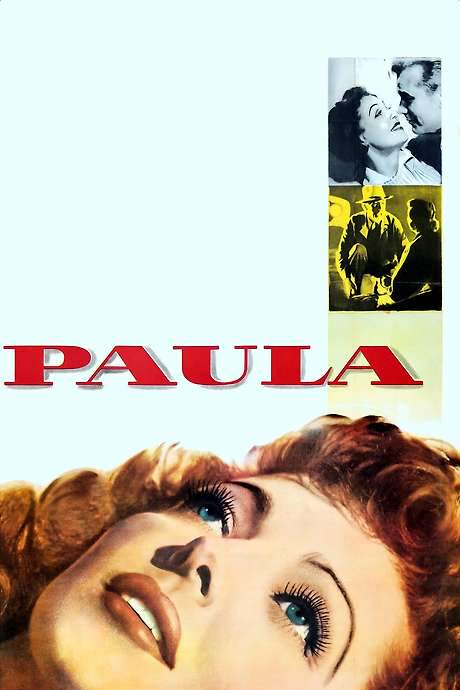
Paula (1952) movie poster

Timeline

Paula (1952) Timeline Explained – Every Event in Order

Release, runtime and language
1952 · 80 mins · English
Directed by
Rudolph Maté
Starring
Alexander Knox, Kent Smith, Loretta Young, Will Wright, William Schallert, Ann Doran

Paula, still haunted by a recent miscarriage, is involved in a hit‑and‑run that strikes a young boy. She keeps the crash hidden, but overwhelming guilt drives her to the hospital where the child is treated. Determined to help him regain his speech, she quietly aids his recovery, even though success could give him the memory to identify her and expose the secret.

On this page (5)
  1. 1 Events in order (13)
  2. 2 Timeline questions answered
  3. 3 Movie threads
  4. 4 Movies like Paula
  5. 5 Every angle

13 events in order · contains spoilers

Paula Timeline: Events in Chronological Order

Every key event of Paula (1952) in order, scene by scene, with when and where it takes place. Use it to untangle flashbacks, time jumps and parallel storylines, to refresh your memory before the sequel or to find the exact scene you are thinking of.

  1. Grief after miscarriage and infertility realization

    Paula is overwhelmed by grief after her second miscarriage and the definitive realization that she cannot have children. The loss unsettles her sense of identity and future expectations with her husband. In an attempt to numb the ache, she drives through the night, hoping the darkness will quiet her thoughts.

    When
    night
    Where
    home
  2. Night road accident

    While driving at night, Paula accidentally strikes a child. The impact is sudden and jarring, leaving her shaken and terrified by the consequences. She struggles to process what happened and fears the potential fallout.

    When
    night
    Where
    road
  3. Farmer misjudges Paula and takes the child

    A farmer who witnesses the crash assumes Paula is drunk and takes the child into his truck, driving away before she can intervene. Paula is left on the roadside, desperate to reach the child or explain herself.

    When
    night
    Where
    countryside road
  4. Paula loses sight at the train crossing

    Paula tries to follow the farmer's truck but a train crossing blocks her path, causing her to lose sight of the vehicle and the child. The moment deepens her remorse and uncertainty about what to do next.

    When
    night
    Where
    train crossing
  5. Invitation to a function honoring her husband

    In the days after the accident, Paula learns she is invited to a function honoring her husband. The invitation adds a layer of emotional strain as she grapples with guilt and competing responsibilities.

    When
    days after
  6. Struggle to tell her husband about the incident

    Paula wants to tell her husband what happened but can't find the right moment or words. The unspoken truth creates distance between them and compounds her distress.

    When
    soon after
  7. Remorse leads to hospital involvement

    Overwhelmed by guilt, Paula seeks a way to make amends and volunteers at the local hospital. She hopes helping others will ease her conscience and provide a path forward.

    When
    weeks later
    Where
    hospital
  8. Meeting the orphaned child at the hospital

    At the hospital, Paula learns the boy is an orphan with limited healthcare. She senses a chance to do something meaningful and to help him through care and attention.

    When
    weeks later
    Where
    hospital
  9. Doctor offers Paula a guardian/therapy role

    The doctor recognizes Paula's need to be useful and asks if she would become the boy's speech therapist and guardian. She contemplates the dual responsibility but feels drawn to the possibility.

    When
    shortly after
    Where
    doctor's office/hospital ward
  10. Paula accepts new role

    Paula accepts the responsibilities and begins her new role as guardian and speech therapist. Her commitment marks a turning point in her life, aligning her with a clear purpose.

    When
    soon after
    Where
    hospital
  11. Intensive therapy begins for the boy

    Paula begins intensive therapy sessions with the boy, working patiently to unlock his ability to speak. She uses patience and inventive techniques to help him express himself and communicate more effectively.

    When
    weeks after
    Where
    therapy room
  12. Progress and renewed hope

    The boy makes progress in his speech, and Paula finds renewed hope in their work. She discovers a sense of belonging and purpose in their shared journey.

    When
    months after
    Where
    therapy room
  13. A life rebuilt through purpose

    Paula's life gains meaning through helping the boy learn to speak. The experience reshapes her understanding of family, identity, and purpose.

    When
    ongoing

Last updated: February 24, 2026 at 10:03

Was this helpful?

Timeline questions answered

Paula Timeline Explained: Your Questions Answered

When does it happen, and why in that order? The questions people ask about the chronology of Paula (1952): time jumps, flashbacks, cause and effect between scenes and the correct order of events, each answered with spoilers.

Q1

Why does Paula keep the accident secret from her husband?

Paula keeps the accident hidden because she fears the consequences of revealing she was driving while emotionally unstable after her miscarriage. Additionally, the farmer who witnessed the crash incorrectly assumed she was drunk, which would have severely damaged her reputation and her husband's standing in the community. Her inability to find the right moment to tell her husband, combined with the mounting guilt, creates a burden she carries throughout the film.

  • paula rogers
  • hit and run
  • secret
  • husband john
  • guilt
Q2

Why does the farmer take the child instead of waiting for Paula?

The farmer assumes Paula is intoxicated based on her confused behavior after the accident. This misjudgment leads him to prioritize getting the injured child to medical help immediately rather than waiting for Paula to explain herself. He acts protectively toward the child, believing the child would be safer in his care than with someone he perceives as impaired.

  • farmer
  • child
  • accident
  • drunk assumption
  • witness
Q3

Does the boy ever regain his ability to speak?

Yes, the boy eventually regains his speech through Paula's dedicated therapy. She becomes his speech therapist and works intensively with him using patient, inventive techniques. Over months of therapy, the boy makes progress and learns to communicate again, which represents a significant turning point in both his recovery and Paula's healing.

  • david larson
  • speech therapy
  • recovery
  • orphan boy
  • communication
Q4

How does Paula become the boy's speech therapist?

After volunteering at the hospital to cope with her guilt, Paula discovers the boy is an orphan with limited healthcare options. Dr. Clifford Frazer recognizes her genuine need to be useful and asks her to become his speech therapist and guardian. She accepts this role, which allows her to directly help the child she injured while finding purpose in her own life.

  • speech therapist
  • dr. frazer
  • hospital
  • guardian
  • volunteer
Q5

Why does Paula volunteer at the hospital after the accident?

Paula is overwhelmed by remorse after the accident and seeks a way to make amends. Her guilt stems from both causing the child's injury and from her inability to reveal the truth. By volunteering at the hospital, she hopes to ease her conscience while also finding a way to be near the child she injured, even if she cannot initially reveal her connection to him.

  • guilt
  • remourse
  • hospital
  • volunteering
  • amends
Q6

Why does Paula choose to become the child's guardian?

Paula chooses to become the guardian because the boy is an orphan with no other family to care for him. This situation presents her with an opportunity to directly atone for her actions by giving him the care and attention he needs. The role also fulfills her deep need to be a mother, which was denied to her due to her infertility, making the arrangement emotionally significant for both of them.

Foreshadowing: The story hints at Paula's maternal longing from the moment she learns she can never have children, making her drawn to the orphaned boy.

  • guardian
  • orphan
  • mother
  • fertility
  • family
  • david larson
Q7

Why does Paula get stuck at the train crossing?

Paula attempts to follow the farmer's truck to the hospital, but a train crossing blocks her path just as the train passes. By the time she can proceed, she has lost sight of the farmer's truck. This moment represents a turning point where the opportunity to immediately explain herself slips away, setting the stage for her prolonged secret-keeping.

  • train crossing
  • farmer truck
  • pursuit
  • lost child
Q8

Why can't Paula find the right moment to tell her husband about the accident?

Paula struggles to tell her husband because she fears judgment and knows the timing is terrible, he is being honored at a formal function. Additionally, she is still processing the trauma of the accident alongside her grief over her miscarriage and infertility. The combination of these emotional burdens makes it impossible for her to find words that won't completely disrupt their lives.

  • john rogers
  • telling husband
  • confession
  • timing
  • function
Q9

How does the miscarriage impact Paula's actions throughout the film?

The second miscarriage and subsequent realization that Paula can never have children leaves her emotionally devastated and searching for meaning. This loss drives her to drive aimlessly at night, which leads to the accident. Later, her unfulfilled maternal instinct draws her to care for the orphaned boy, making her role as his guardian and therapist a form of healing for her own grief.

  • miscarriage
  • infertility
  • grief
  • loss
  • emotional state
Q10

Does John ever discover the truth about the accident?

The summary does not specify whether John Rogers, Paula's husband, ultimately learns about her involvement in the accident. The film's focus remains on Paula's internal journey toward redemption through her care for the boy. The unresolved secret creates underlying tension, but the narrative emphasizes her healing and finding purpose rather than the moment of potential exposure.

  • john rogers
  • discovery
  • truth
  • husband
  • exposure

Movie threads

More Movies Like Paula, by Mood & Story

Curated lists built around what makes Paula tick: the same mood, the same kind of story or the same emotional payoff. Each list explains why these movies belong together.

Quiet redemption stories like Paula

Characters burdened by guilt find solace in secret, selfless acts. For viewers who liked Paula, this section features movies about personal atonement and quiet acts of redemption. If you were moved by Paula's secret efforts to heal a child, you'll find similar emotional journeys of guilt and grace in these stories.

  • guilt-ridden
  • redemptive
  • introspective
  • quiet
  • somber
  • hopeful
  • Tone: melancholic, redemptive
  • Pacing: slow, deliberate
Why these movies?

The story pattern: A protagonist, haunted by a significant mistake or trauma, embarks on a path of quiet redemption. Their journey is internal and slow-burning, often involving a secret act of care or sacrifice that helps heal another person while offering them a chance at personal peace. The plot avoids major external drama, focusing instead on the emotional weight of the act and its redemptive power.

Why they belong together: These films share a profound focus on moral guilt and the quiet, introspective path to redemption. They are connected by their melancholic yet hopeful tone, deliberate pacing, and heavy emotional weight, creating a contemplative viewing experience centered on personal catharsis.

Melancholic healing dramas like Paula

Slow-burn stories about overcoming trauma through connection. If you liked the emotional journey in Paula, explore these melancholic healing dramas. They share a similar focus on overcoming grief and trauma, featuring slow pacing, heavy emotional weight, and a bittersweet but ultimately hopeful resolution.

  • melancholic
  • somber
  • hopeful
  • emotional
  • trauma recovery
  • grief
  • Tone: somber, melancholic, hopeful
  • Pacing: slow, contemplative
Why these movies?

The story pattern: These films follow characters who are deeply scarred by a traumatic event, such as loss or guilt. The plot is less about a high-stakes external conflict and more about the internal, gradual process of healing. This healing is often catalyzed by a connection with another person, leading to a resolution that is hopeful yet acknowledges the lasting marks of the past.

Why they belong together: They are grouped by their shared melancholic atmosphere, slow-burn pacing, and thematic focus on recovery from trauma. The viewing experience is heavy and introspective, but ultimately leans towards a sense of hopefulness, making the emotional journey deeply resonant.

If you liked this

Movies Like Paula

Similar movies to Paula: the same genre, themes or kind of story. Each one comes with its own plot summary, timeline and ending explained.

Browse all movie summaries

Every angle

Paula (1952) Explained: Plot, Timeline & Characters

Everything about Paula in one place: what happens in the plot summary, the timeline in chronological order, the characters and meaning and a spoiler-free summary. What's After the Movie adds the cast, box office and post-credit scenes.

Coming soon on iOS and Android

The Plot Explained Movie Summary App

Plot summaries, endings explained and timelines on your phone. Catch up on any movie in minutes, save your favorites and never miss a twist again.

Be the first to know when we launch. Your email stays private, always.

Learn more about the app