







Plot Explained Spoilers guaranteed!
Plot Explained

Browse by genre

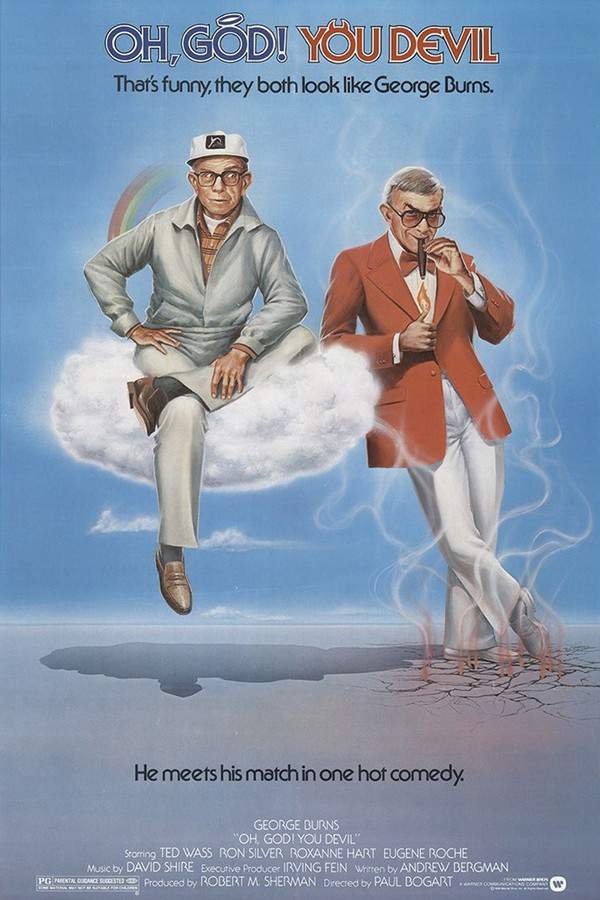
Oh, God! (1977) movie poster

Characters & Themes

Oh, God! (1977) Characters, Setting & Themes Explained

Release, runtime and language
1977 · 98 min · English
JustWatch #7,320 1
Starring
Barnard Hughes, Paul Sorvino, Teri Garr, Donald Pleasence, Ralph Bellamy, Dinah Shore

A struggling musician, Bobby Shelton, makes a deal with Harry O. Tophet, who turns out to be Satan, promising seven years of incredible fame in exchange for his soul. As Bobby's career skyrockets, he finds himself trapped and desperate to undo the pact. He then turns to God for help, hoping for divine intervention to escape the devil's grasp and reclaim his life.

On this page (9)
  1. 1 Where to watch
  2. 2 Characters explained (3)
  3. 3 Where & when it takes place
  4. 4 Themes & meaning (3)
  5. 5 Character & meaning questions
  6. 6 Movie threads
  7. 7 Movies like Oh, God!
  8. 8 Categories
  9. 9 Every angle

Where to watch

Where to Watch Oh, God! (1977)

Where can you watch Oh, God!? Stream, rent or buy it in the US, including on Kanopy, Amazon Video and Apple TV Store: current JustWatch availability with up-to-date prices.

Streaming availability powered by JustWatch

3 main characters · contains spoilers

Oh, God! Characters Explained: Who Is Who

The main characters of Oh, God! (1977), heroes and villains: what drives them, how they change over the course of the story and what each of them reveals about the film's bigger ideas.

  • Jerry Landers (John Denver)

    Jerry Landers is an everyman character who struggles with the revelation of speaking to God. He is compassionate, yet faces skepticism from those closest to him, leading to internal conflict. Throughout the film, he shows courage as he attempts to share his message, even at the risk of losing his job and family support.

    • 👨‍👧‍👦 Family man
    • 🙏 Believer
    • 💔 Underdog
  • Bobbie Landers (Teri Garr)

    Bobbie Landers is Jerry's supportive yet skeptical wife. She loves her family but is increasingly worried about Jerry's well-being as he starts believing in divine encounters. Her character arc of disbelief to acceptance mirrors the film's exploration of faith and doubt within personal relationships.

    • 👩‍❤️‍👨 Supportive
    • 😟 Skeptic
    • 💕 Devoted
  • God (George Burns)

    Portrayed as a wise, elderly man, God embodies a humorous yet profound presence. He guides Jerry in spreading his message and challenges human perceptions of faith, luck, and free will. His character adds a playful tone while emphasizing the importance of transparency and sincerity in conveying divine messages.

    • 👴 Wise
    • ✨ Humorous
    • 🔮 Mysterious

Last updated: January 14, 2025 at 22:10

Was this helpful?

Setting

Where and When Does Oh, God! Take Place?

The setting of Oh, God! (1977): the year and time period, the places and locations, and how they shape the characters, the mood and the tension of the story.

Time period

The film reflects contemporary issues of faith and belief in a modern society. It explores the skepticism people face regarding spiritual matters against a backdrop of 20th-century America, where personal and societal values were evolving rapidly during that era.

Location

Burbank, California, Los Angeles, California, Tarzana, California

The movie primarily takes place in California, highlighting both suburban and urban settings. Burbank, known for its entertainment industry, serves as the home base for Jerry and his family. Los Angeles, with its bustling atmosphere, is where Jerry's encounters with God unfold, emphasizing the contrasts of everyday life against divine intervention.

  • 🏙️ City
  • 🌆 Urban
  • 🍃 Nature

Last updated: January 14, 2025 at 22:10

Was this helpful?

3 major themes

Oh, God! Meaning: Themes & Message Explained

What is Oh, God! (1977) really about? The emotional, social and philosophical themes the film keeps returning to, its symbolism and the message beneath the surface.

  • Faith

    The theme of faith is central to the film as Jerry grapples with his belief in God after receiving divine messages. It explores the challenges of faith in a skeptical world, revealing how belief can lead to personal transformation and societal impact. Jerry's journey illustrates the power of faith in overcoming doubts and fears.

  • Skepticism

    Skepticism runs throughout the narrative, particularly in how Jerry's wife and society respond to his claims of divine communication. This theme highlights the conflict between belief and doubt, questioning the nature of reality when confronted with the extraordinary. It poses broader questions about how society perceives faith and those who espouse it.

  • Communication

    The importance of communication is pivotal as Jerry is tasked with spreading God's message. The film shows the various forms of communication, from personal conversations to public declarations, and reflects on how these interactions influence public perception of faith. This theme reveals the challenges individuals face when trying to convey profound spiritual experiences.

Last updated: January 14, 2025 at 22:10

Was this helpful?

Character & theme questions

Oh, God! Characters & Meaning: Your Questions Answered

The questions people ask about Oh, God! (1977): who the characters really are, their relationships, what the symbols mean, where it takes place and what the movie is really about. Each answer contains spoilers.

Q1

Where does the movie take place?

The film is set primarily in California, with key scenes in Burbank, where Jerry and his family live, and Los Angeles, where his divine encounters occur. The contrast between suburban Burbank and the urban energy of LA emphasizes how extraordinary spiritual events unfold against the backdrop of everyday American life.

  • burbank california
  • los angeles california
  • setting
  • california locations
Q2

What time period is the movie set in?

The movie is set in contemporary 1970s America, reflecting the social and cultural climate of the era. This setting is significant because it places a story about divine intervention within a period marked by changing values and increasing skepticism toward traditional institutions and spiritual claims.

  • 1970s
  • time period
  • 1970s america
  • contemporary setting
Q3

What is the main theme of the movie?

Faith is the central theme, as Jerry Landers struggles to believe and then share his experiences of communicating with God. The film explores how faith challenges doubt, how belief in the extraordinary impacts ordinary lives, and how personal conviction can lead to meaningful change even when met with societal skepticism.

  • faith
  • theme
  • belief
  • spirituality
Q4

How does the movie handle skepticism?

Skepticism plays a major role as Jerry's wife Bobbie, his employer, and society at large question his claims of divine communication. The film presents this skepticism realistically, showing how people struggle to accept the extraordinary and exploring the conflict between belief and doubt in a modern, rational world.

  • skepticism
  • doubt
  • society
  • belief vs doubt
Q5

Who is Jerry Landers?

Jerry Landers is the protagonist, played by John Denver, depicted as an everyman figure who suddenly finds himself chosen to deliver God's message to the world. He is compassionate and ordinary, yet must find the courage to share an unbelievable truth despite risking his job, family relationships, and social standing.

  • jerry landers
  • protagonist
  • everyman
  • main character
Q6

Who plays God in the movie?

God is portrayed by George Burns as a wise, elderly man who appears in everyday places like showers and car radios. His character brings humor and warmth to the story, presenting divine wisdom in a relatable, approachable way while challenging human assumptions about faith and free will.

  • george burns
  • god
  • divine character
  • elderly god
Q7

What is Bobbie Landers' role in the story?

Bobbie Landers, Jerry's wife played by Teri Garr, represents the voice of skepticism within the family. Her journey from doubt to acceptance mirrors the film's broader exploration of faith within personal relationships, showing how loved ones struggle to understand and believe extraordinary claims.

  • bobbie landers
  • terri garr
  • wife
  • supportive wife
Q8

Why is communication a key theme?

The film emphasizes communication as Jerry is tasked with spreading God's message to humanity. It explores how difficult it is to convey profound spiritual experiences, showing the various ways people attempt to share their truth, from intimate family conversations to public declarations, and how these attempts shape public perception of faith.

  • communication
  • message spreading
  • public declaration
Q9

What gives the movie its comedic tone?

The whimsical tone comes from George Burns' portrayal of God as a humorous, down-to-earth elderly man who communicates through ordinary objects like car radios. This playful approach to divine intervention, combined with Jerry's bewildered everyman reactions, creates a comedy that addresses serious questions about faith without becoming heavy or preachy.

  • comedy
  • humor
  • whimsical tone
  • george burns humor
Q10

Is the ending bittersweet?

Yes, the ending carries both loss and hope. Jerry sacrifices his job and faces personal hardship for his beliefs, yet God reassures him that their efforts mattered. This blend of sacrifice and reassurance leaves the story with a hopeful outlook while acknowledging the real costs of standing for one's convictions.

  • ending
  • bittersweet
  • sacrifice
  • hope
  • resolution
Q11

What suburban areas are featured?

Besides Burbank, the film mentions Tarzana, California as another suburban location. These suburban settings represent the Everyman quality of Jerry's life, average neighborhoods where an ordinary person might receive an extraordinary message, grounding the fantastical premise in relatable American domesticity.

  • tarzana
  • suburb
  • suburban california
  • burbank neighborhoods

Movie threads

More Movies Like Oh, God!, by Mood & Story

Curated lists built around what makes Oh, God! tick: the same mood, the same kind of story or the same emotional payoff. Each list explains why these movies belong together.

Movies with Divine Encounters like in Oh, God!

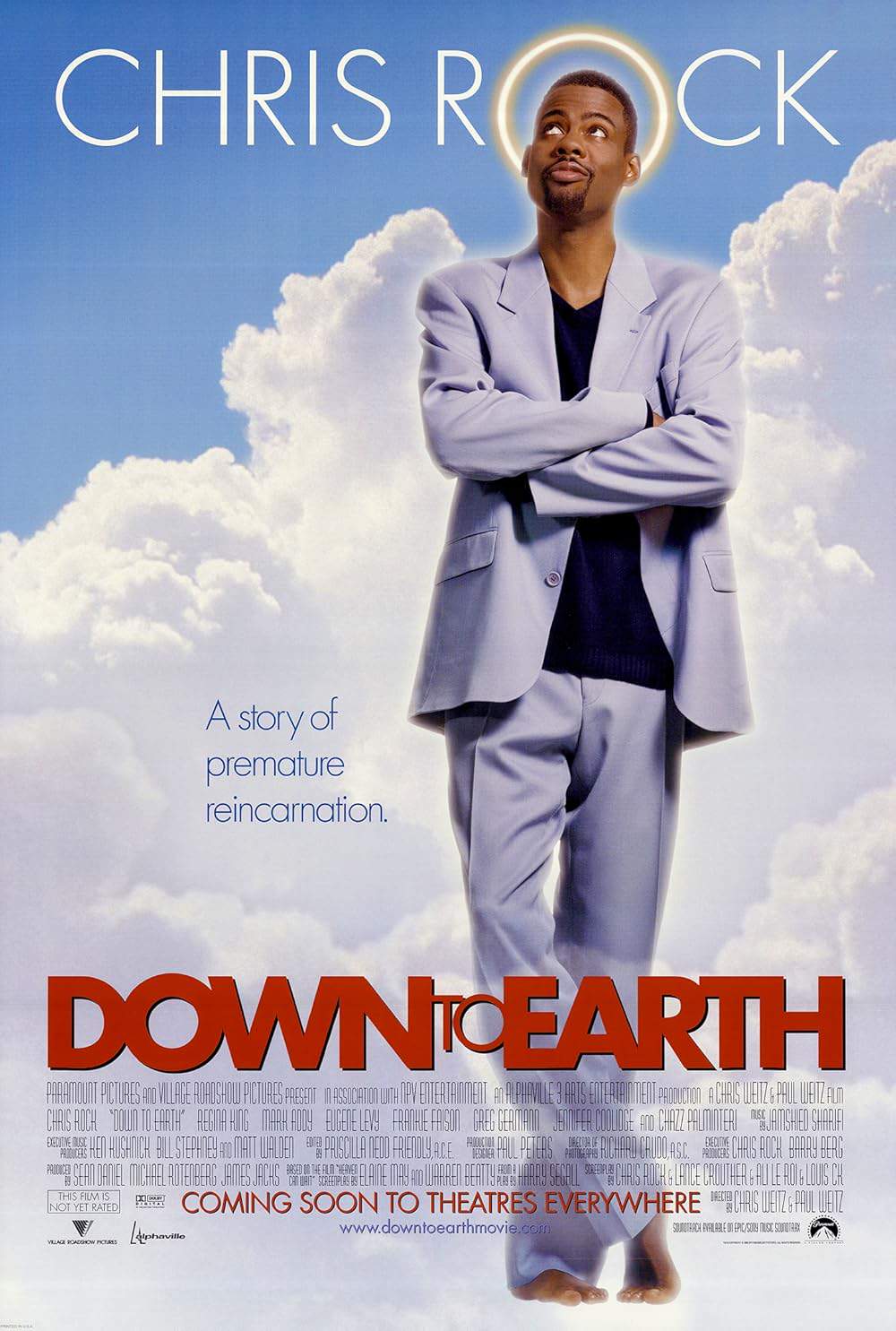
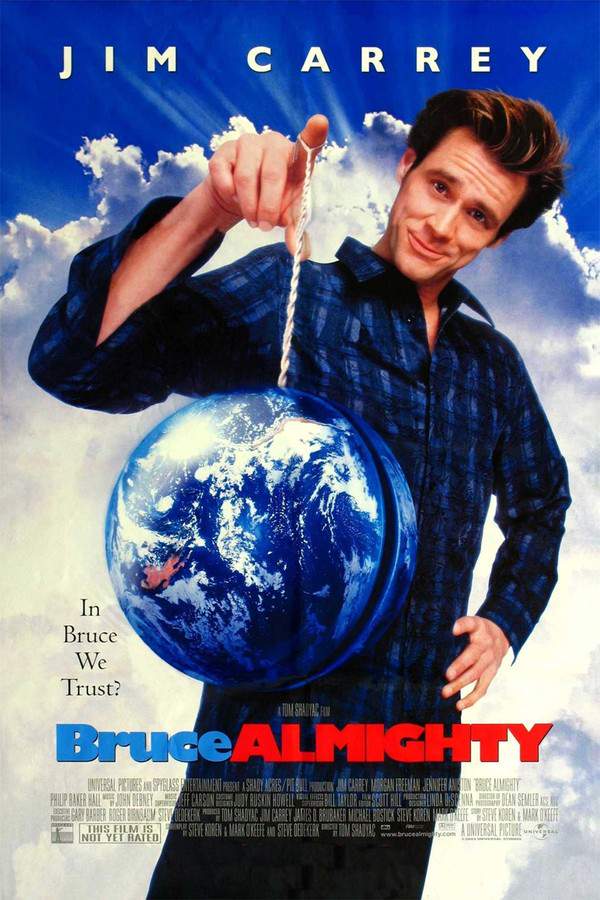
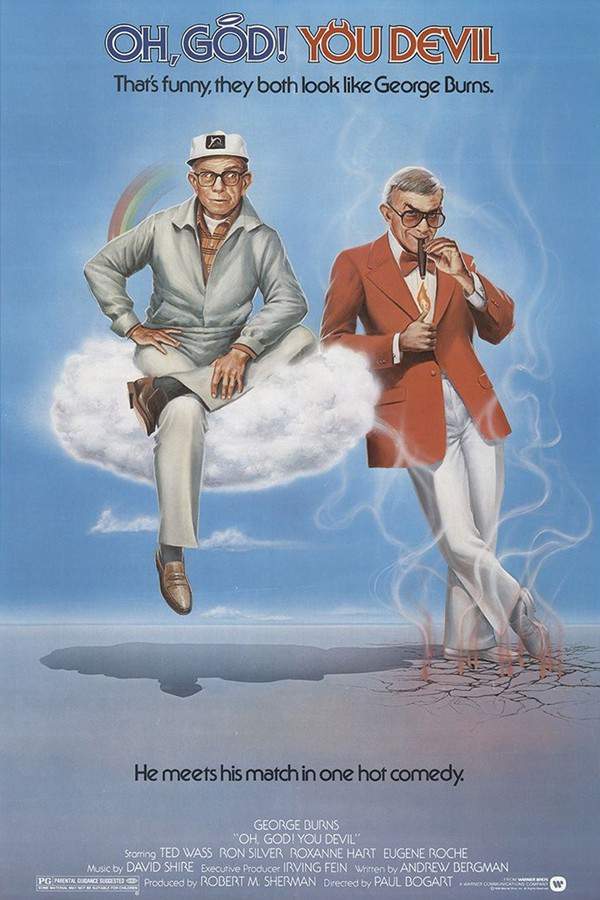
Stories where the divine enters ordinary life, sparking humor and questioning faith. If you enjoyed the whimsical premise of Oh, God!, you'll like these movies featuring direct, often humorous, interactions with the divine. This list includes similar comedy and fantasy films where gods or angels walk among us, creating gentle chaos and prompting reflections on faith in a lighthearted way.

  • whimsical
  • thoughtful
  • uplifting
  • quirky
  • conversational
  • faith
  • Tone: whimsical, thoughtful
  • Pacing: steady
Why these movies?

The story pattern: The narrative typically follows an average person who is suddenly and unexpectedly chosen for a divine interaction. Their journey involves initial disbelief, a period of grappling with their new reality, and often a public challenge where they must prove the legitimacy of their experience, leading to personal growth and a renewed perspective on life.

Why they belong together: Movies in this thread are grouped by their central premise of a benevolent divine figure interacting with the modern world. They share a whimsical tone, light emotional weight, and a balance of gentle comedy with thoughtful, non-preachy questions about belief, purpose, and human nature.

Quirky Conversational Comedies similar to Oh, God!

Character-driven stories built on witty dialogue and gentle, insightful humor. Fans of the witty, dialogue-heavy humor in Oh, God! will appreciate these movies. This selection focuses on comedies with a similar steady pace, light emotional touch, and a reliance on clever conversations and quirky characters to drive the story forward, blending humor with heart.

  • conversational
  • quirky
  • comical
  • thoughtful
  • character-driven
  • witty
  • Tone: whimsical, comical, conversational
  • Pacing: steady
Why these movies?

The story pattern: The plot is often a simple framework that serves as a vehicle for character development and dialogue. The central conflict is typically interpersonal or ideological, resolved through conversations that reveal character depth and philosophical points. The journey is more about internal change and understanding than external action.

Why they belong together: These films are connected by their distinctive tone and pacing. They share a whimsical or neutral tone, a steady narrative pace that allows for character exploration, and a focus on conversational humor that is both entertaining and subtly insightful, creating a uniquely engaging and comfortable viewing experience.

If you liked this

Movies Like Oh, God!

Similar movies to Oh, God!: the same genre, themes or kind of story. Each one comes with its own plot summary, timeline and ending explained.

Browse all movie summaries

Categories

Movie Lists Featuring Oh, God!

Oh, God! appears in these hand-built movie categories. Each one groups movies by a specific mood, theme or story type, with their plot summaries and endings explained.

View all movie categories

Every angle

Oh, God! (1977) Explained: Plot, Timeline & Characters

Everything about Oh, God! in one place: what happens in the plot summary, the timeline in chronological order, the characters and meaning and a spoiler-free summary. What's After the Movie adds the cast, box office and post-credit scenes.

Coming soon on iOS and Android

The Plot Explained Movie Summary App

Plot summaries, endings explained and timelines on your phone. Catch up on any movie in minutes, save your favorites and never miss a twist again.

Be the first to know when we launch. Your email stays private, always.

Learn more about the app