Plot Explained Spoilers guaranteed!
Plot Explained

Browse by genre

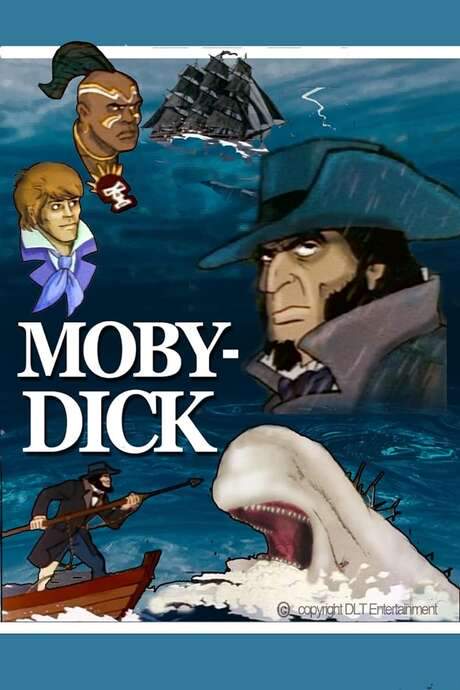
Moby Dick (1956) movie poster

Timeline

Moby Dick (1956) Timeline Explained – Every Event in Order

Release, runtime and language
1956 · 116 mins · English
Starring
Orson Welles, John Huston, Richard Basehart, James Robertson Justice, Philip Stainton, Bernard Miles

In 1841, young Ishmael signs aboard the New Bedford whaler Pequod. Under the iron‑handed Captain Ahab, who lost his leg to the legendary white whale Moby Dick, the crew is driven into a relentless hunt for vengeance. Ahab’s obsessive quest consumes the ship, promising an epic and perilous adventure.

On this page (5)
  1. 1 Events in order (12)
  2. 2 Timeline questions answered
  3. 3 Movie threads
  4. 4 Movies like Moby Dick
  5. 5 Every angle

12 events in order · contains spoilers

Moby Dick Timeline: Events in Chronological Order

Every key event of Moby Dick (1956) in order, scene by scene, with when and where it takes place. Use it to untangle flashbacks, time jumps and parallel storylines, to refresh your memory before the sequel or to find the exact scene you are thinking of.

  1. Ishmael arrives and meets Queequeg

    Ishmael travels to New Bedford and checks into an inn, where he is forced to share a room with Queequeg. Despite a tense first meeting, they quickly form a wary friendship built on mutual respect and curiosity. This budding companionship sets the stage for their joint voyage.

    When
    1841
    Where
    New Bedford, Massachusetts
  2. They sign onto the Pequod; Ahab's obsession introduced

    Ishmael and Queequeg decide to sign aboard the whaling ship Pequod. The ship is commanded by the grim Captain Ahab, whose obsession with Moby Dick is already shaping the voyage. Ahab remains unseen for a time, building a sense of foreboding among the crew.

    When
    Just before departure
    Where
    Pequod, departure
  3. Elijah's ominous warning about the voyage

    Elijah delivers an ominous warning about Ahab’s danger-filled voyage, foretelling that most who follow him will not return. Ishmael and Queequeg listen, unsettled by the prophecy but determined to continue. The warning foreshadows the peril ahead.

    When
    Before departure
    Where
    New Bedford shore
  4. Ahab appears and commits to the hunt

    Captain Ahab finally appears and galvanizes the crew around a single goal: hunting Moby Dick. Tensions rise as the long, grim voyage begins, with Ahab’s obsession driving decisions. The Pequod sets course toward the whale’s rumored habitat.

    When
    Departure / Early voyage
    Where
    Pequod
  5. Voyage toward the whale's habitat

    The voyage makes its first notable progress as the crew harvests oil, but Ahab’s mind stays fixed on Moby Dick. He steers toward the Bikini Atoll, where the whale is said to dwell, ignoring the normal whaling routine. The crew senses danger in his singular fixation.

    When
    Early voyage
    Where
    Open sea toward Bikini Atoll
  6. Lead from a passing captain prompts pursuit

    A passing ship’s captain, bearing the scars of Moby Dick, informs Ahab that the whale was sighted near Madagascar. Ahab abandons a productive hunt to chase the latest lead, unsettling Starbuck and other officers. Starbuck questions the captain’s command, but the others refuse to challenge him.

    When
    Mid-journey
    Where
    Off Madagascar coast
  7. Becalmed near a distant atoll; foretold death

    As the Pequod nears a distant atoll, a man falls from the mast and vanishes, leaving the crew unsettled. The ship stalls in slack water for days while the crew braces for a grim fate. Queequeg, reading bones, foresees his own death and orders a coffin; Ishmael defends him.

    When
    Stalled becalmed period
    Where
    Near the atoll
  8. The Rachel encounter tests loyalties

    The crew encounters The Rachel, a fellow whaler whose captain Gardiner pleads for help to search for his son. Ahab refuses to aid, staying focused on his pursuit. The encounter heightens the sense of risk and moral tension aboard the Pequod.

    When
    During voyage
    Where
    On the sea near The Rachel
  9. Typhoon accelerates the chase

    A violent typhoon erupts, and Ahab leverages the storm to speed the chase. Starbuck debates mutiny but ultimately abstains from seizing command, as Ahab recounts memories that reveal the depth of his self-destructive drive. The danger shows the fragility of the crew’s loyalty.

    When
    During storm
    Where
    Open sea during typhoon
  10. Omen and renewed pursuit

    An ominous omen portends the fulfillment of Elijah’s prophecy, a moment Ishmael recounts to Ahab. The captain seems unsettled but recovers when Moby Dick reappears on the horizon. The crew prepares to launch boats for the final attack.

    When
    After omen
    Where
    Open sea
  11. The final confrontation with Moby Dick

    The boats close in on Moby Dick, but the whale destroys Ahab’s boat. Ahab clings to the creature's back and drives his harpoon into the whale, only to be dragged down as the chase turns deadly. He is entangled by harpoon lines and drowns as the pursuit continues.

    When
    Final assault
    Where
    On/around Moby Dick, open sea
  12. Ishmael survives and is rescued

    With the Pequod sunk, Ishmael survives by clinging to Queequeg’s coffin. He is later rescued by the whaler Rachel, becoming the sole survivor of the voyage. The tale closes on a lone survivor reflecting on obsession and its cost.

    When
    After sinking
    Where
    Open sea; rescued by The Rachel

Last updated: October 09, 2025 at 11:24

Was this helpful?

Timeline questions answered

Moby Dick Timeline Explained: Your Questions Answered

When does it happen, and why in that order? The questions people ask about the chronology of Moby Dick (1956): time jumps, flashbacks, cause and effect between scenes and the correct order of events, each answered with spoilers.

Q1

Why does Captain Ahab refuse to help The Rachel search for its missing crew member?

Ahab refuses because he is completely consumed by his obsessive pursuit of Moby Dick. When Captain Gardiner pleads for help finding his lost son, Ahab sees it as a distraction from his singular mission. His obsession has blinded him to compassion or any purpose beyond killing the white whale. This moment highlights how his vengeance has override basic human morality and empathy.

Foreshadowing: This refusal mirrors Elijah's earlier warning that most who follow Ahab will not return, showing Ahab's willingness to sacrifice others for his quest.

  • captain ahab
  • the rachel
  • refusal
  • obsession
  • compassion
Q2

How does Ishmael survive after the Pequod sinks?

Ishmael survives by clinging to Queequeg's coffin, which he kept after Queequeg's death. When the Pequod is destroyed and the crew is lost, Ishmael floats on this coffin until he is rescued by the whaler The Rachel. This ironic rescue, coming from the ship Ahab earlier refused to help, positions Ishmael as the sole survivor to tell the tale.

Foreshadowing: Queequeg's earlier premonition of death and his order for the coffin foreshadow this survival tool, connecting his friendship with Ishmael to the narrator's ultimate fate.

  • ishmael
  • survival
  • coffi
  • pequod
  • the rachel
  • queequeg
Q3

Why does Ahab steer the Pequod toward Bikini Atoll?

Ahab steers toward Bikini Atoll because he believes Moby Dick dwells there. He abandons normal whaling routes and profitable oil harvesting to pursue his obsession. This decision sets the course for the fatal voyage, demonstrating how his personal vendetta overrides practical considerations and puts the entire crew at risk for his singular purpose.

Foreshadowing: This fixation on a specific location builds on the earlier introduction of Ahab's obsession, showing his willingness to sacrifice the ship's success for his revenge.

  • ahab
  • bikini atoll
  • pursuit
  • obsession
  • whale
Q4

What happens during the final confrontation with Moby Dick?

The crew launches boats to attack Moby Dick, but the whale destroys Ahab's boat. Despite this, Ahab climbs onto the whale's back and drives his harpoon into it. However, he becomes entangled by the harpoon lines and is dragged beneath the sea, drowning as the pursuit ends in disaster. The whale destroys the Pequod, claiming Ahab and almost everyone aboard.

Foreshadowing: Elijah's warning about the dangerous voyage and the omens throughout the journey foreshadow this catastrophic ending.

  • final confrontation
  • moby dick
  • ahab death
  • harpoon
  • destruction
Q5

Why does Queequeg order his own coffin while at sea?

Queequeg orders his own coffin after reading bones and foreshadowing his own death. The crew becomes unsettled when a man falls from the mast and vanishes during this becalmed period. Queequeg accepts his fate with dignity, and the coffin is built. This moment demonstrates the superstitious tension aboard the ship and ultimately becomes the means by which Ishmael survives.

Foreshadowing: This premonition directly foreshadows Ishmael's survival, as the coffin he keeps becomes his lifeline after the ship sinks.

  • queequeg
  • coffin
  • death
  • foreshadowing
  • bones
Q6

Why does Starbuck never mutiny against Ahab despite his disagreements?

Starbuck debates mutiny during the typhoon but ultimately abstains. Though he questions Ahab's command and recognizes the danger of his obsession, Starbuck's moral code and loyalty to the captain prevent him from seizing control. His decision reflects the complex dynamics of maritime command and the respect, even when misplaced, that prevents the crew from overthrowing their captain.

Foreshadowing: This internal conflict foreshadows the tragedy, as Starbuck's restraint contributes to the doomed voyage's continuation.

  • starbuck
  • mutiny
  • ahab
  • loyalty
  • captain
Q7

What is the significance of the omen that appears before the final attack?

The omen appears as a fulfillment of Elijah's earlier prophecy about the dangerous voyage. When Ishmael reports it to Ahab, the captain appears momentarily unsettled but recovers when Moby Dick is sighted on the horizon. This omen represents the narrative's sense of inevitable doom, the crew recognizes the warning signs, but Ahab's obsession propels them forward regardless.

Foreshadowing: The omen directly connects to Elijah's warning at the beginning, reinforcing the story's tragic inevitability.

  • omen
  • elijah
  • prophecy
  • warning
  • fate
Q8

How does the typhoon affect the Pequod's journey?

The violent typhoon accelerates the chase rather than deterring it. Ahab sees the storm as an opportunity to speed toward Moby Dick. During the storm, Starbuck considers mutiny but refrains, and Ahab reveals the depth of his self-destructive drive through memories. The typhoon intensifies the danger and highlights the crew's fragile loyalty to their obsessed captain.

Foreshadowing: This moment demonstrates Ahab's willingness to risk everyone for his goal, setting the stage for the final confrontation.

  • typhoon
  • storm
  • chase
  • acceleration
  • danger
Q9

Why does Ahab abandon profitable whaling to chase Moby Dick?

Ahab abandons normal whaling because his obsession with killing Moby Dick has consumed every other priority. When a passing captain reports sighting the whale near Madagascar, Ahab immediately abandons a productive hunt to pursue the lead. This single-minded pursuit puts profit and safety aside, showing how his personal vendetta overrides practical ship operation and endangers the entire crew for his revenge.

Foreshadowing: This pattern of prioritizing the chase over all else builds throughout the voyage, culminating in the final catastrophe.

  • ahab
  • whaling
  • pursuit
  • obsession
  • profit
Q10

What drives Captain Ahab's obsessive pursuit of Moby Dick?

Ahab's obsession stems from losing his leg to the white whale. This physical and psychological trauma fuels a consuming desire for vengeance that overrides all other considerations. His monomania turns the whaling voyage into a personal crusade, transforming a commercial expedition into a fatal quest for revenge that ultimately destroys him and his crew.

Foreshadowing: Ahab's obsession is introduced early when the crew learns of his single-minded goal, setting the tragedy in motion from the start.

  • ahab
  • obsession
  • revenge
  • leg
  • moby dick
  • trauma
Q11

Why is Ishmael the only survivor of the Pequod?

Ishmael survives because he alone clings to Queequeg's coffin after the ship is destroyed. While other crew members presumably drown or are lost at sea, Ishmael's connection to Queequeg and his decision to keep the coffin become his lifeline. His survival allows him to narrate the story, making him both the protagonist and the sole witness to Ahab's tragic quest.

Foreshadowing: The friendship between Ishmael and Queequeg, established from their first meeting, directly enables this survival and narrative framing.

  • ishmael
  • survivor
  • sole survivor
  • narrativa
  • coffi
Q12

What happens to Queequeg during the voyage?

Queequeg dies during the becalmed period near the distant atoll. He foresaw his death through bone-reading and accepted it calmly, ordering his own coffin before passing away. His death deeply affects Ishmael, who defends him against superstitious crew members. However, Queequeg's coffin later saves Ishmael's life, giving his death ironic meaning beyond the voyage.

Foreshadowing: Queequeg's death premonition and the coffin he ordered directly enable Ishmael's survival, fulfilling the symbolic arc of friendship beyond death.

  • queequeg
  • death
  • coffin
  • voyage
  • atoll

Movie threads

More Movies Like Moby Dick, by Mood & Story

Curated lists built around what makes Moby Dick tick: the same mood, the same kind of story or the same emotional payoff. Each list explains why these movies belong together.

Obsessive quest movies like Moby Dick

Stories where a single-minded obsession consumes a character and leads to ruin. If you were captivated by the relentless, tragic obsession in Moby Dick, explore these movies about characters driven to the brink by a single, all-consuming goal. This collection features similar high-intensity dramas with dark tones and bleak endings, focusing on the destructive nature of monomania.

  • obsessive
  • driven
  • fatalistic
  • tragic
  • somber
  • psychologically intense
  • Tone: dark, tragic, fatalistic
  • Pacing: steady, deliberate build
Why these movies?

The story pattern: The narrative arc is defined by a protagonist's escalating fixation on a goal, which alienates allies and warps their perspective. The story steadily builds tension around this obsession, leading to a final, catastrophic confrontation that underscores the futility and hubris of the quest.

Why they belong together: Movies are grouped here for their shared focus on a destructive character obsession, a dark and heavy emotional tone, and a narrative structure that builds steadily towards a tragic, often fatal, conclusion. The central similarity is the theme of an individual's will being shattered by the object of their pursuit.


Claustrophobic survival stories like Moby Dick

Tense stories of confined groups unraveling under pressure in hostile environments. For viewers who appreciated the confined, oppressive atmosphere of the Pequod in Moby Dick, this list features movies with similar claustrophobic settings and psychological tension. Discover other films about groups unraveling during perilous journeys, where the environment itself becomes a character driving the narrative towards disaster.

  • claustrophobic
  • oppressive
  • paranoid
  • unraveling
  • somber
  • melancholic
  • Tone: oppressive, dark, tense
  • Pacing: steady, building dread
Why these movies?

The story pattern: The narrative pattern involves a group confined in a dangerous, isolating environment. An external threat or a leader's dangerous obsession creates immense internal pressure, leading to fractured loyalties, rising paranoia, and a collective march towards a disastrous outcome.

Why they belong together: These films share a potent mix of a claustrophobic setting, a dark and oppressive mood, and a focus on psychological disintegration under duress. The similarity lies in the experience of being trapped with a growing sense of dread, where the real enemy is often the madness brewing within.

If you liked this

Movies Like Moby Dick

Similar movies to Moby Dick: the same genre, themes or kind of story. Each one comes with its own plot summary, timeline and ending explained.

Browse all movie summaries

Every angle

Moby Dick (1956) Explained: Plot, Timeline & Characters

Everything about Moby Dick in one place: what happens in the plot summary, the timeline in chronological order, the characters and meaning. What's After the Movie adds the cast, box office and post-credit scenes.

Coming soon on iOS and Android

The Plot Explained Movie Summary App

Plot summaries, endings explained and timelines on your phone. Catch up on any movie in minutes, save your favorites and never miss a twist again.

Be the first to know when we launch. Your email stays private, always.

Learn more about the app