Plot Explained Spoilers guaranteed!
Plot Explained

Browse by genre

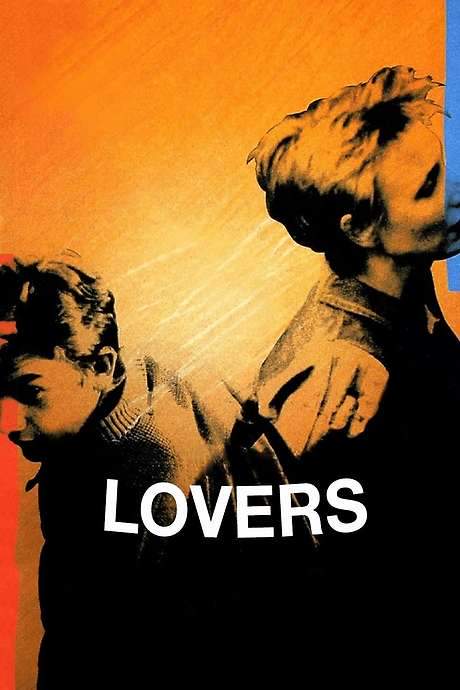
Maurice (1987) movie poster

Plot Summary

Maurice (1987) Plot Summary Explained

Release, runtime and language
1987 · 140 min · French
Loading streaming availability…
Directed by
James Ivory
Starring
James Wilby, Rupert Graves

Maurice Laroche, the owner of a struggling cinema in Europe, fiercely defends the art of film. His cinema, a relic of a bygone era, showcases vintage adult films as he fights to preserve a 35mm legacy amidst the rise of digital technology. The story explores the life of this enigmatic man and his dedication to a fading cinematic tradition.

On this page (7)
  1. 1 Where to watch
  2. 2 What happens: full plot
  3. 3 Plot questions answered
  4. 4 The book behind the movie
  5. 5 Movie threads
  6. 6 Movies like Maurice
  7. 7 Every angle
Loading streaming availability…

Full plot summary · contains spoilers

What Happens in Maurice: Full Plot Summary

The whole story of Maurice (1987) explained, from the opening scene to the final frame: every key event, every twist and what it all adds up to. Read it as a quick recap before the sequel, to check a scene you missed, or to finally understand what really happened.

On a breezy beach trip, Maurice Hall, an 11-year-old schoolboy, is introduced to the sacred mystery of sex by a teacher who hopes to prepare him for the changes of puberty as a fatherless child.

Years later in 1909, Maurice is at Cambridge, where he befriends the aristocratic Viscount Risley and the rich, handsome Clive Durham. Clive confesses his love, and Maurice is at first horrified, only to realize that he feels the same. The two begin a secret love affair, but at Clive’s insistence, their relationship remains non-sexual to protect their social positions. Their bond endures even after Maurice is expelled from Cambridge and begins a new career as a stockbroker in London.

The pair keep their feelings quiet, but fear intensifies when Risley is arrested and sentenced to six months’ hard labour after soliciting sex from a soldier. Clive, afraid of being exposed as homosexual, breaks off the relationship. After a trip to Greece, Clive—under pressure from his widowed mother—marries a naive, wealthy girl named Anne and settles into a conventional life at his estate, Pendersleigh.

Maurice seeks help from his family physician, Dr. Barry, who dismisses his doubts as "rubbish." He then turns to Dr. Lasker-Jones, who tries to cure his homosexual longings with hypnosis. During visits to Pendersleigh, Maurice draws the attention of Alec Scudder, the under-gamekeeper who plans to emigrate to Argentina. Maurice initially ignores Alec and even treats him with contempt, but Alec persists, spying on Maurice at night. Simcox, the butler, hints at Maurice’s past, suggesting that his nature might be exposed. One night, Alec climbs a ladder and enters Maurice’s bedroom through an open window, kissing him. Maurice, though surprised, does not resist.

After their first night together, Maurice receives a letter from Alec proposing they meet at the Pendersleigh boathouse. He misreads it as blackmail and returns to Lasker-Jones, who warns that England has historically been slow to accept human nature and advises emigrating to a country where homosexuality is not criminalised, like France or Italy. When Maurice fails to appear at the boathouse, Alec travels to London and visits him at his offices, causing surprise among Maurice’s colleagues.

The two eventually meet at the British Museum to talk, and Maurice begins to call Alec by his first name. They spend the night together in a hotel room, and as Alec leaves the next morning he explains that his departure for Argentina is imminent and they will not see each other again. Maurice goes to the port to give Alec a parting gift, only to discover that Alec has missed the sailing. He then returns to Pendersleigh and confesses to Clive his love for Alec. Clive, who had hoped Maurice would marry, is bewildered by this turn of events. The two separate, and Maurice goes to the boathouse looking for Alec, who is waiting. Alec has left his family and abandoned his plans to emigrate to stay with Maurice, telling him, "Now we shan’t never be parted." Meanwhile, Clive briefly reminisces about their time together before the night ends. > Now we shan't never be parted.


Last updated: October 09, 2025 at 15:45

Was this helpful?

Plot questions answered

Maurice Plot Explained: Your Questions Answered

The questions people ask most about Maurice (1987): what happens in the confusing scenes, why the characters do what they do, the twists, hidden details and what the ending means. Each answer contains spoilers.

Q1

Why does Clive insist on keeping his relationship with Maurice non-sexual?

Clive insists on a non-sexual relationship to protect his social position and avoid scandal. As an aristocratic Viscount, any hint of homosexuality could lead to ruin, as demonstrated when his friend Risley is arrested and sentenced to hard labour for soliciting sex from a soldier. Clive chooses respectability over physical intimacy, prioritizing his place in Edwardian society.

Foreshadowing: Earlier, the teacher who explained sex to young Maurice on the beach framed it as a 'sacred mystery', something to be hidden and handled carefully, reflecting the era's attitude toward sexuality.

  • clive durham
  • non-sexual relationship
  • social position
  • aristocracy
  • scandal
Q2

Why does Clive break up with Maurice after Risley's arrest?

When Risley is arrested and sentenced to six months' hard labour for soliciting sex from a soldier, Clive becomes terrified that his own homosexuality will be exposed. The arrest serves as a warning of the severe consequences of being discovered. Fearing social ruin and criminal prosecution, Clive ends his relationship with Maurice to protect himself.

Foreshadowing: Clive's earlier insistence on keeping their relationship non-sexual already revealed his fear of exposure, which escalates dramatically after Risley's arrest.

  • risley arrest
  • fear of exposure
  • hard labour
  • scandal
  • break up
Q3

Why does Maurice initially ignore and mistreat Alec Scudder?

Maurice initially dismisses Alec because of class prejudice. Alec is the under-gamekeeper, a working-class man, while Maurice is an upper-middle-class stockbroker. Maurice fails to recognize Alec's romantic interest and treats him with contempt, reflecting the rigid social hierarchies of Edwardian England that make cross-class relationships almost unthinkable.

Foreshadowing: Maurice's earlier relationship with Clive was with an aristocratic viscount, reinforcing the social circles he normally moved in.

  • alec scudder
  • class difference
  • social hierarchy
  • rejection
  • under-gamekeeper
Q4

What is the misunderstanding about the boathouse letter?

Maurice misreads Alec's letter asking to meet at the boathouse as an attempt at blackmail. The letter's wording and the secretive nature of their situation lead Maurice to fear the worst. In panic, he returns to Dr. Lasker-Jones for help, but the misunderstanding is eventually cleared up when Alec visits Maurice's offices in London.

Foreshadowing: Earlier, Simcox the butler hints that Maurice's 'nature' might be exposed, creating an atmosphere of suspicion that colors Maurice's interpretation of the letter.

  • boathouse letter
  • misunderstanding
  • blackmail
  • alec
  • maurice
Q5

Why does Dr. Lasker-Jones suggest that Maurice emigrate?

Dr. Lasker-Jones explains that England has been 'slow to accept human nature' and that homosexuality remains criminalized. After his failed attempt to 'cure' Maurice through hypnosis, he advises emigrating to countries like France or Italy where same-sex relationships are not illegal. This reflects the grim legal and social reality for gay men in Edwardian Britain.

Foreshadowing: Maurice's earlier visit to his family physician Dr. Barry, who dismissed his doubts as 'rubbish,' already showed the medical establishment's refusal to understand homosexuality.

  • dr lasker jones
  • emigration
  • england
  • homosexuality illegal
  • cure
Q6

Why does Alec originally plan to go to Argentina?

Alec intends to emigrate to Argentina because same-sex relationships are criminalized in England, making a future together impossible in his home country. Argentina, like other countries outside Britain, offers the possibility of living more freely without the constant threat of prosecution. His plan represents the desperate options available to working-class gay men at the time.

Foreshadowing: Dr. Lasker-Jones mentions the same countries, France and Italy, as destinations where homosexuality is not criminalized, validating Alec's reasoning.

  • alec
  • argentina
  • emigration
  • freedom
  • working class
Q7

Why does Maurice confess his love for Alec to Clive?

After Alec misses the sailing to Argentina, Maurice goes to Pendersleigh and tells Clive that he loves Alec. This confession represents Maurice's final break from the secrecy and shame that defined his relationship with Clive. By openly declaring his love for a man of lower social standing, Maurice chooses authenticity over the convenient denial Clive had always advocated.

Foreshadowing: Clive had always urged Maurice to marry and live conventionally, but Maurice's confession signals his complete rejection of that path.

  • maurice confesses
  • alec
  • clive
  • love declaration
  • break
Q8

Why does Alec choose to stay with Maurice instead of going to Argentina?

Alec misses his sailing deliberately, he leaves his family and abandons his emigration plans to remain with Maurice. At the boathouse, he tells Maurice 'Now we shan't never be parted,' choosing love and a life of danger over the safety of exile. This act of defiance against social conventions marks the film's hopeful conclusion.

Foreshadowing: Earlier, Alec's persistent spying on Maurice and climbing into his bedroom showed his determination to pursue their relationship despite the risks.

  • alec stays
  • argentina
  • never parted
  • commitment
  • boathouse
Q9

Why doesn't Maurice resist when Alec kisses him?

When Alec climbs into Maurice's bedroom and kisses him, Maurice is surprised but does not resist because despite his initial contempt for Alec's lower social status, there is an underlying attraction he has been suppressing. This moment marks the beginning of Maurice's awakening to a more authentic expression of his desires, breaking from the restraint he practiced with Clive.

Foreshadowing: Maurice's relationship with Clive was defined by restraint and denial, making this physical expression a significant departure.

  • first kiss
  • alec
  • maurice
  • resistance
  • attraction
Q10

What happens to Clive at the end of Maurice?

At the end of the film, Clive remains trapped in his conventional life. After Maurice confesses his love for Alec and leaves with him, Clive lies in bed reminiscing about their Cambridge days together. He chose marriage and respectability over love, and the film implies he will continue living in quiet regret, haunted by what he gave up.

Foreshadowing: Clive's earlier statement that he 'wanted' something from Maurice, likely the emotional connection they once shared, hints at his lingering feelings despite his choice to marry.

  • clive ending
  • marries anne
  • conventional life
  • regret
  • pendersleigh

Movie threads

More Movies Like Maurice, by Mood & Story

Curated lists built around what makes Maurice tick: the same mood, the same kind of story or the same emotional payoff. Each list explains why these movies belong together.

Movies about forbidden love and social repression like Maurice

Stories of love that must hide, set against oppressive social norms. Discover films like Maurice that delve into the painful beauty of forbidden love. If you appreciated the themes of hiding one's true self and challenging societal conventions, you'll find similar powerful dramas, historical romances, and character studies here that explore love against the odds.

  • repressed longing
  • forbidden love
  • social pressure
  • claustrophobic
  • tender
  • anxious
  • Tone: melancholic, anxious, tender
  • Pacing: slow, deliberate, character-driven
Why these movies?

The story pattern: These narratives typically follow a protagonist hiding a core part of their identity or a forbidden relationship. The plot is driven by external societal pressure and internal conflict, often culminating in a choice between personal freedom and social ruin. The journey is marked by moments of tender connection shadowed by anxiety and the ever-present risk of discovery.

Why they belong together: Movies in this thread are grouped by their shared focus on the intense emotional conflict between personal desire and societal condemnation. They share a melancholic tone, heavy emotional weight, and a pacing that allows for deep exploration of psychological repression and the bittersweet nature of love that must be concealed.

Slow burn melancholic character studies similar to Maurice

Deliberate, introspective films about internal turmoil and quiet emotional journeys. If you liked the deliberate pacing and introspective mood of Maurice, explore this collection of similar films. Find other slow, emotionally heavy dramas that focus on internal conflict, nuanced performances, and a melancholic atmosphere, perfect for viewers who appreciate thoughtful, character-driven storytelling.

  • melancholic
  • introspective
  • slow burn
  • reflective
  • bittersweet
  • character study
  • Tone: melancholic, reflective, bittersweet
  • Pacing: slow, contemplative, deliberate
Why these movies?

The story pattern: The narrative pattern is less about external events and more about the internal evolution of a character. The story unfolds gradually, allowing time for reflection and the buildup of subtle emotional pressure. Conflict is often psychological, arising from memory, regret, or unfulfilled longing, leading to a quiet but powerful personal resolution.

Why they belong together: These films are united by a specific combination of pacing, tone, and focus. They share a slow, deliberate rhythm, a melancholic or bittersweet emotional core, and a narrative that is deeply invested in exploring the complexities of a single character's internal life with seriousness and depth.

If you liked this

Movies Like Maurice

Similar movies to Maurice: the same genre, themes or kind of story. Each one comes with its own plot summary, timeline and ending explained.

Browse all movie summaries

Every angle

Maurice (1987) Explained: Plot, Timeline & Characters

Everything about Maurice in one place: what happens in the plot summary, the timeline in chronological order, the characters and meaning and a spoiler-free summary. What's After the Movie adds the cast, box office and post-credit scenes.

Coming soon on iOS and Android

The Plot Explained Movie Summary App

Plot summaries, endings explained and timelines on your phone. Catch up on any movie in minutes, save your favorites and never miss a twist again.

Be the first to know when we launch. Your email stays private, always.

Learn more about the app