












Plot Explained Spoilers guaranteed!
Plot Explained

Browse by genre

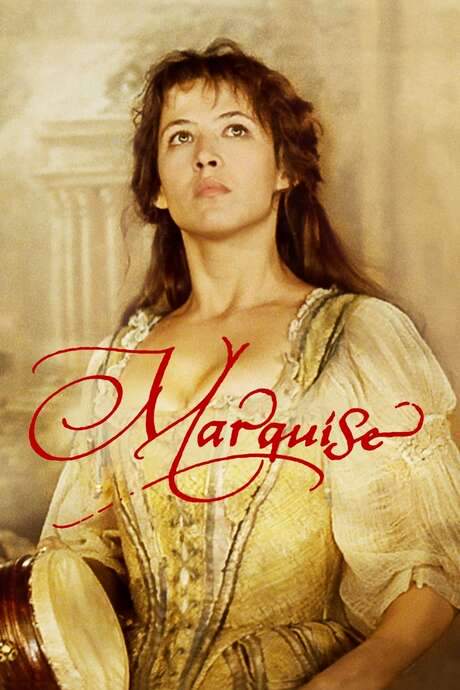
Marquise (1997) movie poster

Characters & Themes

Marquise (1997) Characters, Setting & Themes Explained

Release, runtime and language
1997 · 111 mins · French
Directed by
Véra Belmont
Starring
Lambert Wilson, Patrick Timsit, Sophie Marceau, Georges Wilson, Bernard Giraudeau, Thierry Lhermitte

Marquise follows the turbulent career of a stunning actress, vividly brought to life by Sophie Marceau. From a poor upbringing she ascends to become a favored courtier of Louis XIV, the Sun King, and the beloved muse of playwright Racine, who wrote parts especially for her. Though celebrated, her story ends in tragedy. Her fame lingers.

On this page (8)
  1. 1 Where to watch
  2. 2 Characters explained (5)
  3. 3 Where & when it takes place
  4. 4 Themes & meaning (3)
  5. 5 Character & meaning questions
  6. 6 Movie threads
  7. 7 Movies like Marquise
  8. 8 Every angle

Where to watch

Where to Watch Marquise (1997)

Where can you watch Marquise? Stream, rent or buy it in the US, including on Fawesome, Hoopla and Kanopy: current JustWatch availability with up-to-date prices.

Streaming availability powered by JustWatch

5 main characters · contains spoilers

Marquise Characters Explained: Who Is Who

The main characters of Marquise (1997), heroes and villains: what drives them, how they change over the course of the story and what each of them reveals about the film's bigger ideas.

  • Marquise (Sophie Marceau)

    An alluring dancer whose provocative performances captivate crowds and attract coins from the audience. She moves between intimate relationships and romantic loyalty, remaining emotionally devoted to Gros-Rene while also engaging with other lovers. Her artistry and charisma propel her toward a major stage breakthrough, even as she navigates a turbulent personal life. Her path ends in tragedy, underscoring the costs of fame in a mercurial theatrical world.

    • 💃 Dancer
    • ❤️ Romance
    • 🎭 Theatrical icon
  • Molière (Bernard Giraudeau)

    A brilliant, restless founder of the troupe whose wit and ambition drive the group forward. He navigates financial pressures and artistic risks, using humor and strategy to keep performances going. His influence shapes the repertoire and the careers of those around him, including Marquise. The ban on Tartuffe tests his resolve and his ability to adapt to political constraints.

    • 🧠 Playwright
    • 🎭 Leader
    • 💰 Streetwise
  • Gros-Rene (Patrick Timsit)

    Marquise’s devoted, if comically portly, husband and steadfast admirer. He embodies unshakeable loyalty and provides a stable counterpoint to Marquise’s complex romantic life. His unwavering affection and supportive nature ground the relationship, even as Marquise pursues greater fame. His character highlights the tension between private happiness and public spectacle.

    • ❤️ Devotion
    • 🧍‍♂️ Foil
    • 🥂 Support
  • Racine (Lambert Wilson)

    A gifted playwright who mentors Marquise and crafts the tragedy Andromaque that becomes her big break. His talent elevates the troupe’s prestige and reshapes Marquise’s career. His collaboration with Marquise intertwines literary ambition with erotic mystique, underscoring the fusion of art and life on the Paris stage.

    • ✍️ Playwright
    • 🎭 Mentor
    • 🖋️ Poet
  • Louis XIV (Thierry Lhermitte)

    King of France whose authority extends into the arts, deciding which works may be staged. His censorship of Tartuffe reveals the power dynamics between the crown and the theatre. His rule compels the troupe to adapt, test limits, and pursue new avenues of expression. The king's decisions are a critical force shaping the narrative’s conflict.

    • 👑 King
    • 🗝️ Censorship
    • 🧭 Power

Last updated: February 17, 2026 at 18:06

Was this helpful?

Setting

Where and When Does Marquise Take Place?

The setting of Marquise (1997): the year and time period, the places and locations, and how they shape the characters, the mood and the tension of the story.

Time period

1660s

Set in the mid-17th century, a period of growing royal influence over the arts and rising fame through theatre. The troupe pursues success amid evolving tastes and censorship. The events culminate in a time when Andromaque and Tartuffe are central to public and political discourse in Louis XIV's France.

Location

Paris, France

The story unfolds in 17th-century Paris, centered on the bustling theatrical circuits of Molière's itinerant troupe. The city’s theatres, courts, and public crowds shape the drama and the ambitions of its performers. The film captures a vibrant, theater-driven milieu under the gaze of the royal court.

  • 🗺️ Paris
  • France
  • 🎭 Theatrical world

Last updated: February 17, 2026 at 18:06

Was this helpful?

3 major themes

Marquise Meaning: Themes & Message Explained

What is Marquise (1997) really about? The emotional, social and philosophical themes the film keeps returning to, its symbolism and the message beneath the surface.

  • Theatre

    The film centers on the life of an itinerant theatrical troupe and the ascent of its stars. Performances drive both fortune and notoriety, with Andromaque becoming a pivotal breakthrough for Marquise. The troupe navigates crowd dynamics, patronage, and the tension between popular appeal and artistic ambition. Theater is portrayed as a powerful, precarious path to lasting recognition.

  • Love

    Romance threads through the relationships of the principal players, especially Marquise and Gros-Rene. Marquise's affection remains steadfast, even as she entertains other lovers, highlighting a conflict between personal loyalty and artistic ambition. The evolving affection between Racine and Marquise adds a layer of emotional complexity to the creative process. Love both sustains and destabilizes the characters as they pursue fame.

  • Power

    Censorship and royal authority shape the trajectory of the troupe, with Louis XIV imposing limits that force creative adaptation. The ban of Tartuffe tests loyalty, resourcefulness, and the ability to reinvent repertory. The political climate reveals how art must negotiate power to survive and thrive. The interplay of influence and artistry drives the dramatic stakes throughout.

Last updated: February 17, 2026 at 18:06

Was this helpful?

Character & theme questions

Marquise Characters & Meaning: Your Questions Answered

The questions people ask about Marquise (1997): who the characters really are, their relationships, what the symbols mean, where it takes place and what the movie is really about. Each answer contains spoilers.

Q1

What setting does Marquise take place in?

Marquise is set in 17th-century Paris, centered on the city's vibrant theatrical circuits. The story follows Molière's itinerant troupe as they perform in theatres, courts, and public spaces, capturing a world where theatre drives both social status and artistic ambition.

  • paris
  • theatre
  • 17th century
  • moliere troupe
  • settings
Q2

When does Marquise take place?

The film is set in the 1660s during the reign of Louis XIV, a period when royal influence over the arts was growing. This era saw the creation of notable plays like Andromaque and the controversy surrounding Tartuffe, both of which feature in the story.

  • 1660s
  • louis xiv
  • 17th century
  • historical period
  • french monarchy
Q3

What does Marquise say about theatre and fame?

The film portrays theatre as a powerful but precarious path to lasting recognition. Marquise rises from poverty through her performances, but the theatrical world is shown as volatile, success brings wealth and fame, yet also vulnerability to censorship, political pressure, and the unstable nature of public taste.

  • theatre
  • fame
  • ambition
  • performance
  • career
Q4

How does royal power shape the story in Marquise?

Louis XIV's authority directly impacts the troupe through censorship and patronage. When the king bans Tartuffe, the company must adapt their repertoire and navigate political constraints, demonstrating how art must negotiate with power to survive in royal France.

  • louis xiv
  • censorship
  • royal power
  • tartuffe
  • politics
Q5

Who is Marquise in the movie?

Marquise is the protagonist, a captivating dancer and actress portrayed by Sophie Marceau. She rises from a poor background to become a favored courtier of Louis XIV and the muse of playwright Racine. Her journey embodies the tension between artistic ambition and personal loyalty, ending in tragedy despite her fame.

  • marquise
  • sophie marceau
  • protagonist
  • actress
  • rise to fame
Q6

What is Racine's role in Marquise?

Racine is a gifted playwright who mentors Marquise and crafts the tragedy Andromaque, which becomes her major breakthrough. His collaboration with Marquise intertwines literary ambition with romantic tension, highlighting how art and personal relationships merge in the theatrical world.

  • racine
  • playwright
  • andromaque
  • mentor
  • literary ambition
Q7

How is Molière depicted in Marquise?

Molière is portrayed as the brilliant, restless founder of the troupe who drives the company forward through wit and strategic ambition. He manages financial pressures and artistic risks, shaping the repertoire and mentoring performers including Marquise, while adapting to political constraints imposed by the crown.

  • moliere
  • troupe leader
  • playwright
  • theatre company
  • mentor
Q8

Who is Gros-Rene in Marquise?

Gros-Rene is Marquise's devoted husband, portrayed as comically portly but steadfastly loyal. He provides emotional stability and unwavering affection, grounding Marquise even as she pursues greater fame and entertains other relationships, highlighting the conflict between personal loyalty and artistic ambition.

  • gros-rene
  • husband
  • loyalty
  • relationship
  • support
Q9

What does Marquise explore about love and ambition?

The film explores love as both sustaining and destabilizing. Marquise remains emotionally devoted to Gros-Rene while engaging with other lovers, and her relationship with Racine adds emotional complexity to the creative process. Love conflicts with artistic ambition, showing how pursuit of fame can undermine personal connections.

  • love
  • ambition
  • relationships
  • conflict
  • loyalty
Q10

Why does Marquise have a tragic ending?

Marquise ends tragically, underscoring the costs of fame in a mercurial theatrical world. The film contrasts her triumphant ascent from poverty and celebrated performances with exploitation and a fated downfall, suggesting that the glittering surface of court life conceals harsh realities beneath.

  • tragedy
  • fame
  • ending
  • cost
  • downfall

Movie threads

More Movies Like Marquise, by Mood & Story

Curated lists built around what makes Marquise tick: the same mood, the same kind of story or the same emotional payoff. Each list explains why these movies belong together.

Movies about tragic artistic fame like Marquise

Celebrated artists whose fame leads to a tragic, fated demise. If you liked the rise-and-fall story of the actress in Marquise, you'll find similar emotional journeys here. This collection features movies about talented artists who achieve fame but face a tragic destiny, blending historical drama with poignant character studies.

  • tragic
  • ambitious
  • celebratory
  • melancholic
  • sensual
  • historical
  • Tone: bittersweet, tragic, celebratory
  • Pacing: steady, chronological
Why these movies?

The story pattern: Stories in this thread typically follow a clear chronological arc: a meteoric rise from obscurity to celebrated fame, often in a historical or artistic setting, followed by a gradual or sudden downfall driven by personal flaws, societal pressures, or a cruel twist of fate. The narrative is character-driven, focusing on the emotional cost of success.

Why they belong together: Movies are grouped here because they share a core narrative of artistic ambition leading to a tragic end. They blend a hedonistic celebration of talent and sensuality with a critical look at exploitation and the fragile nature of fame, resulting in a consistently bittersweet tone.
Movies with courtly intrigue and sensual drama like Marquise

Stories of ambition and survival within the glittering, treacherous world of a royal court. Fans of Marquise who enjoyed the sexual politics and courtly setting will find similar themes here. These films explore the lives of characters maneuvering for power and survival in historical royal courts, blending drama with a critical look at exploitation.

  • courtly intrigue
  • sensual
  • political
  • ambitious
  • historical
  • critical
  • Tone: critical, sensual, melancholic
  • Pacing: steady, deliberate
Why these movies?

The story pattern: The narrative pattern revolves around a central character—often an outsider—using their wit, charm, or beauty to climb the social ladder of a powerful court. Conflicts arise from alliances, betrayals, and romantic entanglements, with tension building from the constant threat of disgrace or downfall in a highly structured, manipulative environment.

Why they belong together: These movies are grouped together because they share a specific world—the historical royal court—and a focus on the intersection of sensual desire, political ambition, and personal survival. The tone is often critical and melancholic, examining the human cost of courtly life.

If you liked this

Movies Like Marquise

Similar movies to Marquise: the same genre, themes or kind of story. Each one comes with its own plot summary, timeline and ending explained.

Browse all movie summaries

Every angle

Marquise (1997) Explained: Plot, Timeline & Characters

Everything about Marquise in one place: what happens in the plot summary, the timeline in chronological order, the characters and meaning and a spoiler-free summary. What's After the Movie adds the cast, box office and post-credit scenes.

Coming soon on iOS and Android

The Plot Explained Movie Summary App

Plot summaries, endings explained and timelines on your phone. Catch up on any movie in minutes, save your favorites and never miss a twist again.

Be the first to know when we launch. Your email stays private, always.

Learn more about the app