Plot Explained Spoilers guaranteed!
Plot Explained

Browse by genre

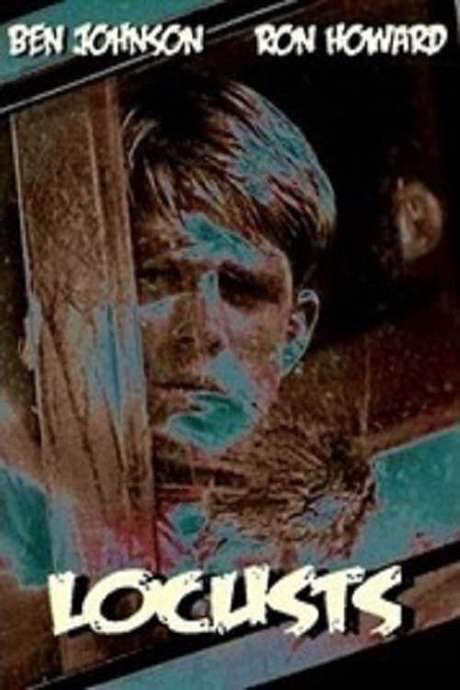
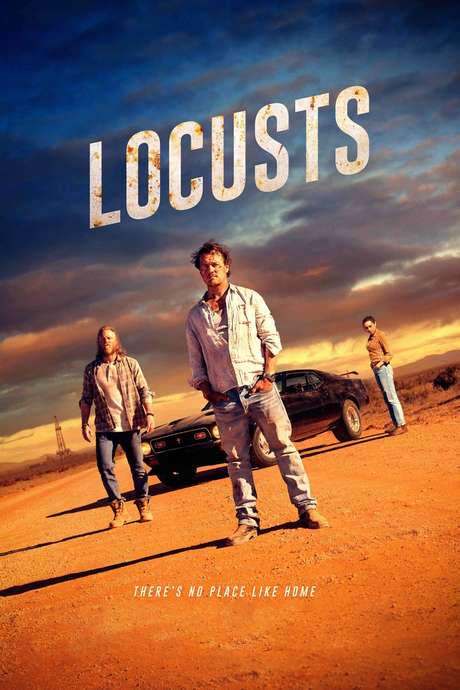
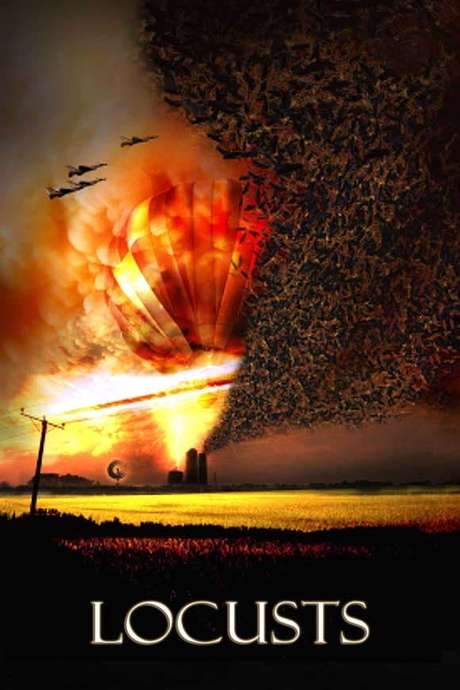
Locusts (2005) movie poster

Plot Summary

Locusts (2005) Plot Summary Explained

Release, runtime and language
2005 · 95 mins · English
Loading streaming availability…
Directed by
David Jackson
Starring
John Heard, Lara Grice, Dylan Neal, Lucy Lawless, Gregory Alan Williams, Mike Gomez

Dr. Maddy Rierdon, an investigator for the Department of Agriculture, is the only person who can protect America from a deadly breed of bioengineered locusts.

On this page (6)
  1. 1 Where to watch
  2. 2 What happens: full plot
  3. 3 Plot questions answered
  4. 4 Movie threads
  5. 5 Movies like Locusts
  6. 6 Every angle
Loading streaming availability…

Full plot summary · contains spoilers

What Happens in Locusts: Full Plot Summary

The whole story of Locusts (2005) explained, from the opening scene to the final frame: every key event, every twist and what it all adds up to. Read it as a quick recap before the sequel, to check a scene you missed, or to finally understand what really happened.

At a USDA lab inside the Virginia Institute of Agriculture, Gina, [Amanda Baker], accompanied by her boyfriend Willy, [Drew Seeley], enters a sealed glass room full of Australian plague locusts to feed them. Willy balks at entering the space, so Gina bravely steps inside with a ficus tree, joking that they’re “grasshoppers, not tarantulas,” and asks Willy to seal the outer door behind her. The swarm surprises them, but they manage to escape with their lives, shaken by what they’ve witnessed. > grasshoppers, not tarantulas

In Georgetown, Washington, D.C., Maddy Rierdon, [Lucy Lawless], and her partner Dan Dryer, [Dylan Neal], begin a quiet morning until a call from Vivian, [Esperanza Catubig], disrupts their plans. Vivian informs Maddy that a VIA lab has been flagged by the GAO. Maddy heads into the lab, where she reunites with Peter Axelrod, [John Heard], a former professor who now reports to her at the USDA. Peter takes Maddy to Lab C-12, the very room Gina and Willy fled from, and extracts a single locust for examination. He reveals the insects are not ordinary locusts; they are hybrids—crossed with the desert locust and engineered to resist pesticides and reproduce at an alarming rate. The moment is chilling, and Maddy, horrified, argues that this is a bioweapon and orders its extermination. Scientists in protective suits spray the room with chemicals and flames to kill all the locusts, saving only a handful that are placed into a tube labeled “biohazard.”

A crisis sprouts when the extermination is botched: the jar containing the remaining locusts is dropped in a sink, allowing several to escape. The technicians flee as the insects slip away unseen, and, over the coming hours, the problem expands far beyond the lab. The same locusts are then carried aboard a military plane from Andrews Air Force Base in Maryland toward Beale Air Force Base in California, but chaos follows when an insect-struck case is dropped and later crushed by an army truck, releasing the remaining four insects into the air.

One month later, Maddy discovers she is pregnant, a revelation she tries to share with Dan, who is away at the United Nations when she calls. In California, a couple camping by the American River awaken to find their tent filled with locusts, and soon after, a massive swarm descends on the Napa Valley, devastating crops and vegetation. Maddy, traveling with the USDA’s Voracious Insect Mobile Research Lab, tracks the swarms and realizes they are moving toward populated areas.

Meanwhile, in Leesburg, Virginia, Peter—now reunited with his wife Terry, [Caroline McKinley], and their daughter Sofia, [Jenna Hildebrand]—begins to sense the threat. The buzzing becomes audible to Peter, who spots the swarms approaching after a moment of tension with his family. The locusts descend on a school bus, biting and stunning the children before the bus can be evacuated. In Napa, the locusts strip every shrub and tree bare, leaving a barren landscape in their wake.

Back in Washington, D.C., Dan tracks the alert on his computer as a formal “locust infestation advisory” is issued. Maddy and her team coordinate with Vivian to locate Peter, who is being held at Fort Douglas as a potential bioweapons suspect. In Visalia, California—far from the initial outbreaks—the locusts target a citrus festival, forcing evacuation as the swarms close in. Peter tries to help, but Maddy insists that he stay away from the spreading nightmare.

As the swarms push toward Pittsburgh, the Weather Service confirms the moving pattern and provides forecasts that help Maddy anticipate the next strike. The nation braces for impact as the two swarms—theVirginia group and the one that hit California—reach a critical stage, threatening major cities and critical infrastructure.

In Pittsburgh, the locusts enter office buildings through air vents, causing chaos as a cargo plane near the airport encounters the swarm and crashes. The public learns that the swarms are connected to Peter, a revelation that leads to his arrest by the FBI. In Washington, a high-stakes DHS meeting convenes a plan: some officials want to deploy a toxic VX nerve agent to exterminate the insects, while Maddy and her allies push for a safer, nonlethal alternative. The meeting features General Miller, [Gregory Alan Williams], Secretary Morales, [Mike Gomez], Senator Clauson, [Margaret Lawhon], Director Rusk, [Mark Costello], and Lorelei Wentworth, [Natalija Nogulich], who is a key voice for the Department of Energy. Dan, who has become a close ally, supports an alternative approach.

Peter finally reveals the truth to Maddy: the locusts are his creation. The team travels to Fort Douglas to confront him, and Peter explains the extent of the bioweapon’s power, its resilience, and the terrible potential of using VX as a weapon. Maddy is incensed but recognizes the complexity of the situation. They depart, with Miller’s team calculating the bomb's potential consequences while the public grows increasingly anxious.

With the threat escalating, Lyle, Maddy’s father—their family farm in Indiana—becomes a focal point of the plan to survive and counter the insects. Dan and Maddy travel to Indiana to shield Lyle and his cattle in a grain silo, where they hope to use a homemade electrical approach to kill the locusts. They discover that the electric fly traps around the silo can be turned into a weapon by arcing a powerful current through the silo’s metal shell, provided they can secure fuel for the generator on the far side of the farm. Peter volunteers to fetch the fuel, ultimately becoming a casualty of the swarm’s ferocity as he returns damaged and gravely injured. He dies after helping Maddy and Dan.

Armed with new knowledge from Peter, Dan and Maddy race back to Washington to intervene before the VX plan can be executed again. The DHS debate intensifies as the government contemplates using the nerve gas against both swarms or devising an electricity-based solution to protect the population. Lorelei Wentworth clarifies that a massive, controlled electric surge could be routed through the national grid to create an amplified field large enough to deter the locusts, if power can be reallocated from surrounding areas.

Maddy and Dan implement the electric strategy. They work with Wentworth to switch off large portions of the electricity grid and route the power to two major corridors, while weather balloons are deployed to lure the swarms toward the lines. The next dawn witnesses the dramatic test: the swarms are drawn to the enhanced electric field, drawn into the overloaded cables, and—despite near-misses and intense risk—the swarms are incinerated by the extraordinary surge. The plan works, and the locust threat is contained without resorting to mass civilian casualties.

In the aftermath, Maddy and Dan are celebrated for averting catastrophe, though Secretary Morales warns General Miller that his job may be in jeopardy for contemplating chemical warfare on the American people. The film closes with a hopeful note: nearly a year later, Maddy and Dan have a child together and weigh the choice between continuing their crucial work or embracing family life, ultimately choosing to prioritize their family while continuing to serve the public.

Note: Throughout the narrative, key figures appear with linked actor references at their initial appearance: Maddy Rierdon, [Lucy Lawless]; Peter Axelrod, [John Heard]; Gina, [Amanda Baker]; Willy, [Drew Seeley]; Dan Dryer, [Dylan Neal]; Sofia Axelrod, [Jenna Hildebrand]; Terry Axelrod, [Caroline McKinley]; General Miller, [Gregory Alan Williams]; Secretary Morales, [Mike Gomez]; Director Rusk, [Mark Costello]; Lorelei Wentworth, [Natalija Nogulich]; Senator Clauston, [Margaret Lawhon]; Lyle Rierden, [Mike Farrell]; Vivian, [Esperanza Catubig].
Last updated: October 09, 2025 at 15:14

Was this helpful?

Plot questions answered

Locusts Plot Explained: Your Questions Answered

The questions people ask most about Locusts (2005): what happens in the confusing scenes, why the characters do what they do, the twists, hidden details and what the ending means. Each answer contains spoilers.

Q1

Who created the hybrid locusts in Locusts?

Peter Axelrod, a scientist at the VIA lab and former professor of Maddy Rierdon, created the hybrid locusts. He engineered them by crossing Australian plague locusts with desert locusts, making them resistant to pesticides and capable of rapid reproduction. Peter later revealed the truth to Maddy during the crisis, explaining the full extent of the bioweapon's power.

  • peter axelrod
  • hybrid locusts
  • bioweapon
  • genetic engineering
  • via lab
Q2

How did the locusts escape from the VIA lab?

After the lab attempted to exterminate the locusts with chemicals and flames, a handful were saved in a biohazard tube. However, a jar containing remaining locusts was accidentally dropped in a sink, allowing several insects to escape down the drain. The technicians fled as the insects slipped away unseen, and the problem quickly expanded beyond the lab.

  • lab escape
  • locust outbreak
  • via lab
  • biohazard
  • container breach
Q3

How did the locusts spread from the lab to the entire country?

The remaining four locusts were packed onto a military plane at Andrews Air Force Base in Maryland for shipment to Beale Air Force Base in California. During transport, an officer was attacked by a locust and dropped the sealed case on the runway. An army truck then ran over the case, releasing the insects into the air. From there, the locusts spread unchecked across the United States.

  • andrews air force base
  • beale air force base
  • military transport
  • locust spread
  • nationwide infestation
Q4

Why wasn't VX nerve gas used to kill the locusts?

Maddy Rierdon opposed the VX gas plan because it would cause mass civilian casualties across multiple states. During a high-stakes DHS meeting, Maddy and her allies pushed for a safer alternative. When the plan was approved, Maddy traveled to Fort Douglas and sabotaged the mission by smashing the VX container on a helicopter, forcing a retreat and exposing the plan to the public.

  • vx nerve gas
  • dhs meeting
  • maddy rierdon
  • chemical warfare
  • sabotage
Q5

How did the electricity plan work to destroy the locusts?

Lorelei Wentworth from the Department of Energy proposed rerouting power from the national grid to create a massive electric field. Maddy and Dan worked with Wentworth to switch off large portions of the electricity grid and route power to two major corridors. Weather balloons were deployed to lure the swarms toward the enhanced electric field. At dawn, the locusts flew into the overloaded cables and were incinerated by the extraordinary surge.

Foreshadowing: Earlier at Indiana farm, Peter showed them that electric fly traps around the silo could be turned into a weapon by arcing current through the metal shell.

  • electric field
  • national grid
  • lorelei wentworth
  • power surge
  • weather balloons
Q6

Why did Peter Axelrod die in Locusts?

Peter volunteered to fetch fuel for a generator on the far side of the farm while Maddy and Dan sheltered in a metal grain silo. As he returned through the swarm, Peter was badly wounded by the carnivorous locusts. He died from his injuries after helping Maddy and Dan complete the electric kill method that repelled part of the swarm.

Foreshadowing: Peter's earlier willingness to help, reuniting with his family in Leesburg, trying to assist at the citrus festival, established his sacrificial nature.

  • peter axelrod death
  • fuel run
  • indiana farm
  • silo
  • sacrifice
Q7

Why did the locusts attack Pittsburgh?

The locusts were moving toward populated areas following their feeding patterns. Maddy tracked the swarms using the USDA's Voracious Insect Mobile Research Lab and realized they were heading toward major cities. Pittsburgh was one of the first major urban centers hit, with locusts entering office buildings through air vents and causing a cargo plane to crash at the airport.

Foreshadowing: Maddy had been tracking the swarms and predicting their movements using weather data, realizing they were targeting populated areas.

  • pittsburgh
  • urban attack
  • cargo plane crash
  • air vents
  • city invasion
Q8

What happened to Maddy's pregnancy in the movie?

One month after the lab incident, Maddy discovered she was pregnant. She tried to share the news with Dan, who was away at the United Nations. The pregnancy became a subplot throughout the crisis. Nearly a year after the locust threat was contained, Maddy and Dan had a child together, and the film ends with them choosing to prioritize family life while continuing to serve the public.

  • maddy pregnancy
  • dan dryer
  • baby
  • epilogue
  • family
Q9

Why were the locusts so destructive to crops and vegetation?

The hybrid locusts were engineered to be highly voracious and reproduce at an alarming rate. They stripped every shrub and tree bare in their path, leaving landscapes completely barren. In Napa Valley, the swarms devastated crops and vegetation, demonstrating the bioweapon's destructive potential as a tool for mass agricultural destruction.

  • napa valley
  • crop destruction
  • vegetation
  • voracious
  • agricultural disaster
Q10

How did the U.S. government respond to the locust infestation?

The government responded through multiple agencies. A DHS meeting convened to debate using VX nerve gas, with General Miller and Secretary Morales favoring chemical warfare while Maddy pushed for alternatives. The FBI arrested Peter as a suspected bioweapons creator. Eventually, the government approved the electricity-based solution proposed by Lorelei Wentworth, routing power through the national grid to create an amplified electric field.

  • department of homeland security
  • fbi
  • general miller
  • secretary morales
  • government response
Q11

Why did the locusts attack the school bus in Leesburg?

The locust swarm descended on Leesburg, Virginia, as part of their natural spread toward populated areas. Peter Axelrod watched the swarm approach after a tense moment with his family. The locusts attacked the school bus carrying his daughter Sofia, biting and stunning the children before the bus could be evacuated. This attack confirmed to Peter that the swarms were his engineered insects.

  • leesburg
  • school bus
  • sofia axelrod
  • children attack
  • virginia swarm
Q12

What caused the cargo plane to crash in Pittsburgh?

As the locust swarms moved into Pittsburgh, they entered office buildings through air vents. At the airport, a cargo plane encountered the swarm and the insects were sucked into the engines, causing engine failure. The plane crashed in a fiery explosion near the runway, underscoring the danger the insects posed to critical infrastructure.

  • cargo plane crash
  • pittsburgh airport
  • engine failure
  • locust swarm
  • infrastructure damage
Q13

Why did Peter Axelrod create the locust bioweapon?

Peter created the hybrid locusts as a bioweapon project, though the exact motivations aren't fully detailed in the film. He recognized the terrible potential of his creation when discussing the VX plan with Maddy, emphasizing the resilience of the insects and the catastrophic consequences of using chemical warfare against them. His creation ultimately led to his own death when he sacrificed himself trying to help contain the threat he created.

  • bioweapon motivation
  • peter axelrod
  • scientific research
  • weapon creation
  • regret

Movie threads

More Movies Like Locusts, by Mood & Story

Curated lists built around what makes Locusts tick: the same mood, the same kind of story or the same emotional payoff. Each list explains why these movies belong together.

High-Stakes Scientific Disaster Thrillers like Locusts

When man-made science threatens humanity, heroes race to contain the outbreak. If you enjoyed the urgent containment mission in 'Locusts', you'll love these movies. This section features similar sci-fi disaster stories where scientific hubris creates a runaway threat, forcing a desperate race to prevent an apocalypse. Find more movies like 'Locusts' with fast pacing and tense, high-intensity scenarios.

  • urgent
  • suspenseful
  • catastrophic
  • desperate
  • hopeful
  • anxious
  • Tone: tense, urgent
  • Pacing: fast
Why these movies?

The story pattern: Narratives typically follow a clear, urgent chain of events: an accidental outbreak, rapid escalation, and a containment effort led by specialized professionals. The plot is driven by a straightforward, fast-paced race against the clock, balancing large-scale catastrophe with personal sacrifice from the heroes to achieve a hopeful resolution.

Why they belong together: These movies are grouped by their core premise of a scientific disaster and the tense, urgent response it necessitates. They share a high-intensity, fast-paced vibe focused on action and problem-solving, often culminating in a successful containment that provides a satisfying, hopeful finale.

Tense Creature Feature Catastrophes like Locusts

Nature fights back with swarming, unstoppable monsters threatening civilization. Fans of the bioengineered locust swarms in 'Locusts' will enjoy these similar creature feature movies. Discover stories where animals or insects become a massive, destructive threat, creating a tense and catastrophic atmosphere. Find more movies like 'Locusts' with monster attacks, grim survival scenarios, and urgent pacing.

  • anxious
  • catastrophic
  • grim
  • desperate
  • suspenseful
  • monster attacks
  • Tone: tense, grim
  • Pacing: fast
Why these movies?

The story pattern: The narrative pattern involves the sudden emergence of a deadly creature threat that quickly scales from a local incident to a widespread crisis. The story follows protagonists as they navigate the chaos, attempting to understand the threat's origin and find a weakness while facing scenes of large-scale attacks and destruction.

Why they belong together: These films are united by the core experience of a monstrous, often swarming, threat that creates a palpable sense of anxiety and imminent doom. They share a grim yet urgent tone, fast pacing driven by escalating attacks, and a focus on the spectacle and horror of nature overwhelming human structures.

If you liked this

Movies Like Locusts

Similar movies to Locusts: the same genre, themes or kind of story. Each one comes with its own plot summary, timeline and ending explained.

Browse all movie summaries

Every angle

Locusts (2005) Explained: Plot, Timeline & Characters

Everything about Locusts in one place: what happens in the plot summary, the timeline in chronological order, the characters and meaning and a spoiler-free summary. What's After the Movie adds the cast, box office and post-credit scenes.

Coming soon on iOS and Android

The Plot Explained Movie Summary App

Plot summaries, endings explained and timelines on your phone. Catch up on any movie in minutes, save your favorites and never miss a twist again.

Be the first to know when we launch. Your email stays private, always.

Learn more about the app