Plot Explained Spoilers guaranteed!
Plot Explained

Browse by genre

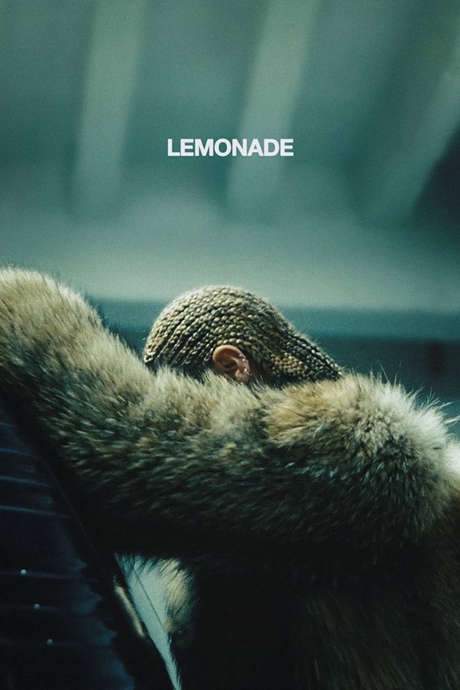
Lemonade (2016) movie poster

Timeline

Lemonade (2016) Timeline Explained – Every Event in Order

Release, runtime and language
2016 · 65 mins · English
Directed by
Kahlil Joseph
Starring
Halle Bailey, Amandla Stenberg, Zendaya, The Weeknd, Malcolm X, Chloe Bailey

This visual album by Beyoncé explores themes of racial identity, feminism, and infidelity through a series of short films. The project combines elements of satire, sensuality, and solemnity to deliver a powerful and thought-provoking artistic statement. It offers a piercing commentary on societal issues and personal experiences.

On this page (4)
  1. 1 Events in order (14)
  2. 2 Timeline questions answered
  3. 3 Movie threads
  4. 4 Every angle

14 events in order · contains spoilers

Lemonade Timeline: Events in Chronological Order

Every key event of Lemonade (2016) in order, scene by scene, with when and where it takes place. Use it to untangle flashbacks, time jumps and parallel storylines, to refresh your memory before the sequel or to find the exact scene you are thinking of.

  1. Opening montage

    The film opens with Beyoncé leaning against a car in a parking garage, face obscured by a fur coat. It cuts to a desolate Fort Macomb and intercuts shots of Beyoncé in a black hoodie among reeds and on an empty stage with closed red curtains. The sequence establishes mystery, isolation, and a mood of introspection.

    Where
    Parking garage; Fort Macomb; reeds; empty stage
  2. Intuition on the plantation

    Scenes unfold on a plantation with Black women dressed in white and a recitation of the first poem. The imagery is intercut with Beyoncé standing among reeds in a black hoodie, signaling dual identities and introspection before the narrative intensifies.

    Where
    Plantation
  3. Pray You Catch Me and rooftop leap

    Beyoncé performs Pray You Catch Me in an old metal bathtub, then emerges from a stage onto a rooftop and leaps into deep waters as the song ends. The sequence blends vulnerability with a daring escape, setting a transformative arc into motion.

    Where
    Old metal bathtub; rooftop
  4. Underwater Denial and courthouse exit

    Underwater, Beyoncé unzips her hoodie to reveal a skin-toned bustier and swims toward a submerged grand bedroom where she encounters a version of herself resting on a bed. She contorts underwater, then emerges from the bedroom and exits through a courthouse doorway onto a street in a flowing yellow dress.

    Where
    Underwater; submerged bedroom; courthouse street
  5. Hold Up power and confrontation

    Beyoncé walks a busy city street, picks up a baseball bat, and smashes car windows while bystanders cheer. She triggers a fire hydrant, causing kids to play in the spray, breaks a security camera and storefront windows as explosions erupt behind her, then advances on the camera and climbs into a monster truck to drive off crushing vintage cars.

    Where
    Busy city street; monster truck
  6. Anger in the parking garage and road

    A high school band and majorettes parade down a suburban street, while women in long white dresses dance in a deserted parking garage. A ring of fire forms as Don't Hurt Yourself begins, and Beyoncé, in a wedding dress, wanders the garage before throwing her ring at the camera.

    Where
    Suburban street; abandoned parking garage
  7. Apathy on the bus and mansion

    In a bus, dancers painted in tribal patterns move in unison as Beyoncé sits in contemplation, reciting a spoken-word poem about infidelity over a Swan Lake-inspired melody. The narrative shifts to a plantation mansion where Serena Williams wanders the halls and dances in front of Beyoncé, ending with naked women wandering a field as the scene fades to black.

    Where
    Bus; plantation mansion; field
  8. Emptiness and the burning mansion

    Dear Moon is recited as the mansion glows in a blood-red light. Beyoncé rides a vintage Cadillac at night, then moves to a room with black-dressed women and a hanging lightbulb. The word LOSS flashes as a window explodes; she dances behind glass, lies in a white dress on a bed, and walks a hallway as the mansion catches fire, ending with the group outside watching it burn.

    Where
    Plantation mansion; vintage Cadillac; burning mansion
  9. Accountability and memory

    Little girls play in a mansion while a mother and daughter sit nearby. An interview with a man recounts meeting then-President Obama during a storm, intercut with Super 8 footage of him with his family in New Orleans. Beyoncé then returns to Fort Macomb to sing Daddy Lessons and play guitar, interlacing father videos and jazz funeral imagery.

    Where
    New Orleans; Fort Macomb tunnel; mansion
  10. Reformation and Igbo Landing allusion

    Beyoncé lies in an empty playing field inside the Mercedes-Benz Superdome as Love Drought begins. The sequence pivots to women dressed in white walking into the ocean, alluding to Igbo Landing and a collective act of choosing resistance.

    Where
    Mercedes-Benz Superdome playing field; ocean
  11. Forgiveness and intimate confessions

    In a sparsely furnished house, she plays Sandcastles on the piano while intercut with intimate visuals of child drawings, wilted flowers, and a fireplace. She sings to Jay-Z as they caress and embrace, conveying reconciliation and tenderness.

    Where
    Sparsely furnished house
  12. Resurrection of community

    A gathering of Black women in white dresses takes place in a historic park as Forward begins. They hold up pictures of deceased relatives, including matriarchs, while a Mardi Gras Indian circles around a dining room, amplifying communal memory and solidarity.

    Where
    Historic park; dining room
  13. Hope and communal healing

    Freedom is performed acappella on an outdoor stage at night, intercut with women sitting under a willow tree and sharing a communal dinner. Winnie Harlow appears with a crown of thorns as the scene emphasizes resilience and collective hope.

    Where
    Outdoor stage; willow tree
  14. Redemption and Fort Macomb finale

    Women care for themselves in a mansion as Beyoncé recites the final poem. Footage of Jay-Z's grandmother Hattie White celebrating her 90th birthday underscores overcoming hardship. The film culminates with women tending a communal garden on a plantation, then Beyoncé performing All Night back at Fort Macomb at sunset, followed by joyful home-video footage and the Formation music video.

    Where
    Mansion; plantation; Fort Macomb

Last updated: October 09, 2025 at 15:50

Was this helpful?

Timeline questions answered

Lemonade Timeline Explained: Your Questions Answered

When does it happen, and why in that order? The questions people ask about the chronology of Lemonade (2016): time jumps, flashbacks, cause and effect between scenes and the correct order of events, each answered with spoilers.

Q1

Why does Beyoncé throw her wedding ring in the Anger section?

Beyoncé throws her wedding ring as a symbolic act of rejecting the marriage contract and reclaiming her power after discovering infidelity. The gesture represents letting go of the pain caused by betrayal and choosing self-worth over a broken partnership. The ring is thrown directly at the camera, creating an intimate confrontation with the viewer.

  • wedding ring
  • betrayal
  • rejection
  • anger
  • symbolism
Q2

What is the Igbo Landing reference in the Reformation section?

The Igbo Landing reference depicts women in white walking into the ocean, mirroring the 1803 historical event where Igbo enslaved people chose death over slavery by walking into the Atlantic. This allusion represents collective resistance, self-determination, and choosing freedom over oppression. It connects Beyoncé's personal healing to a broader narrative of Black resilience and agency.

Foreshadowing: Earlier imagery of women in white standing solemnly on the plantation foreshadows this moment of collective resistance.

  • igbo landing
  • resistance
  • freedom
  • ocean
  • slavery
  • historical reference
Q3

What does the burning mansion represent in Emptiness?

The burning mansion symbolizes the destruction of old foundations and the painful but necessary process of letting go. As Beyoncé and the group watch the mansion burn, it represents the end of one chapter and the clearing of space for renewal. The word "LOSS" flashes during this sequence, reinforcing that destruction can be both painful and liberating.

Foreshadowing: The mansion's gradual descent into red glow and fire in earlier shots hints at this inevitable burning.

  • burning mansion
  • loss
  • destruction
  • renewal
  • symbolism
Q4

Why does Serena Williams appear in the Apathy section?

Serena Williams appears as a symbol of Black excellence and resilience, dancing through the mansion as Beyoncé reflects on infidelity through spoken word. Her presence connects personal betrayal to a broader celebration of Black women's strength and achievements. The juxtaposition elevates the personal narrative into a larger conversation about Black female identity and power.

  • serena williams
  • black excellence
  • symbolism
  • apathy
Q5

Why does Beyoncé smash car windows in Hold Up?

Beyoncé smashes car windows as a physical expression of cathartic rage following the discovery of infidelity. The scene transforms emotional pain into kinetic action, with bystanders cheering rather than intervening, this represents reclaiming power through controlled destruction. The monster truck sequence shows her turning destruction into a forceful departure from the situation.

Foreshadowing: The shift from the underwater dream world to the yellow dress signals the transition from introspection to externalized anger.

  • hold up
  • car windows
  • rage
  • catharsis
  • destruction
Q6

What is the meaning of the underwater scenes in Denial?

The underwater scenes represent deep self-examination and confronting hidden truths beneath the surface. Beyoncé encounters a version of herself resting on a bed, symbolizing the different selves she is processing. Emerging from the underwater bedroom through a courthouse doorway represents ascending from internal exploration back into public reality, now transformed.

  • underwater
  • denial
  • self-examination
  • transformation
  • dreamscape
Q7

What does Fort Macomb represent in the film?

Fort Macomb serves as a recurring symbolic location representing both historical struggle and personal journey's beginning and end. The film opens and closes there, framing the entire narrative as a cyclical journey of healing. Its desolation contrasts with the emotional transformation that occurs, suggesting that growth can emerge from empty, forgotten spaces.

  • fort macomb
  • location
  • symbolism
  • journey
  • cyclical
Q8

Why does Jay-Z's grandmother appear at the end of the film?

Jay-Z's grandmother Hattie White appears delivering a speech about overcoming hardship and "turning lemons into lemonade," serving as the film's thematic thesis. Her 90th birthday celebration connects personal generational resilience to the broader narrative. This moment grounds the abstract emotional journey in concrete family history and real-world endurance.

Foreshadowing: The reconciliation between Beyoncé and Jay-Z in the Forgiveness section sets up this celebration of enduring love and family.

  • jay-z
  • grandmother
  • hattie white
  • family
  • lemonade
  • redemption
Q9

Why does Beyoncé leap off the rooftop into water?

Beyoncé's leap from the rooftop into dark waters symbolizes a deliberate plunge into emotional depth and self-confrontation. Following the vulnerable performance of "Pray You Catch Me," this act represents choosing to face painful truths rather than remaining on safe ground. The darkness of the water suggests the unknown, but the leap itself is an act of courage.

Foreshadowing: The opening mood of introspection and isolation in the parking garage establishes the emotional state leading to this moment.

  • rooftop
  • leap
  • water
  • courage
  • self-confrontation
Q10

What is the significance of the photos held up in Resurrection?

The photos held up by women in white depict deceased relatives who became symbols of the Black Lives Matter movement, including mothers of Black men killed by police. This transforms the personal narrative of healing into collective mourning and solidarity. The Resurrection section connects individual pain to a broader struggle for justice and remembrance.

Foreshadowing: The political themes introduced in the Anger section with Malcolm X's speech culminate in this direct reference to racial injustice.

  • black lives matter
  • photos
  • resurrection
  • justice
  • memorial
Q11

Why is Beyoncé wearing a wedding dress in the parking garage during Anger?

Beyoncé wearing a wedding dress in the abandoned parking garage represents confronting the symbolism of marriage after betrayal. The white dress contrasts sharply with the chaotic energy of the fire and marching band, creating a haunting image of trapped emotion. Walking through the garage in the dress while fire burns nearby shows marriage itself becoming a painful space to navigate.

  • wedding dress
  • parking garage
  • marriage
  • anger
  • fire
Q12

What do the white dresses worn by women throughout the film signify?

White dresses appear in multiple sections (Intuition, Anger, Reformation, Resurrection) and represent purity, mourning, and transformation. The recurring image suggests a collective sisterhood and spiritual journey shared by Black women. The color evolves from象征 of restraint in early sections to liberation in later ones as healing progresses.

Foreshadowing: Women in white appear from the very first plantation scenes, establishing this visual motif early.

  • white dresses
  • symbolism
  • women
  • transformation
  • purity

Movie threads

More Movies Like Lemonade, by Mood & Story

Curated lists built around what makes Lemonade tick: the same mood, the same kind of story or the same emotional payoff. Each list explains why these movies belong together.

Movies with artistic catharsis like Lemonade

Works where pain is transformed into art, leading to personal and collective healing. Explore movies like Lemonade that use artistic expression as a pathway to healing and empowerment. If you enjoyed how Lemonade turned pain into powerful visuals and music, you'll find similar cathartic journeys in these films, which often blend personal reckoning with resonant social commentary.

  • cathartic
  • artistic
  • defiant
  • vulnerable
  • empowering
  • ritualistic
  • Tone: bittersweet, defiant, hopeful
  • Pacing: variable, reflective and explosive
Why these movies?

The story pattern: Narratives in this thread are not always linear; they often unfold in emotional or thematic chapters. The protagonist confronts a profound crisis—personal betrayal, systemic injustice, or existential grief—and channels this turmoil into a creative act. The resolution is not about erasing the pain but about finding strength, voice, and hope through the process of artistic creation itself.

Why they belong together: Movies are grouped here for their shared use of artistic form as the central mechanism for emotional processing and liberation. They share a heavy emotional weight, a bittersweet tone that acknowledges pain while seeking light, and a focus on transformative, often communal, catharsis.

Movies about Black womanhood and resilience like Lemonade

Stories centering the complex, powerful, and healing journeys of Black women. Find movies like Lemonade that explore the depth and complexity of Black female identity. If you were moved by Lemonade's raw portrayal of infidelity, racial identity, and feminism, this collection features powerful stories of healing, resilience, and self-definition centered on Black women's experiences.

  • resilient
  • introspective
  • defiant
  • communal
  • vulnerable
  • empowering
  • Tone: solemn, vulnerable, empowering
  • Pacing: variable, introspective moments and powerful releases
Why these movies?

The story pattern: The narrative pattern follows a protagonist navigating specific societal pressures and personal betrayals tied to her identity. The journey involves a period of introspection, anger, or grief, which is then met with a reclamation of identity and agency. The endings are often hopeful or bittersweet, emphasizing strength forged through struggle and the power of communal or ancestral connections.

Why they belong together: These films are united by their thematic focus on Black womanhood as a central, complex experience. They share a heavy emotional weight due to their engagement with trauma and identity, a tone that balances solemnity with hope, and a core message of resilience and empowerment.

Every angle

Lemonade (2016) Explained: Plot, Timeline & Characters

Everything about Lemonade in one place: what happens in the plot summary, the timeline in chronological order, the characters and meaning and a spoiler-free summary. What's After the Movie adds the cast, box office and post-credit scenes.

Coming soon on iOS and Android

The Plot Explained Movie Summary App

Plot summaries, endings explained and timelines on your phone. Catch up on any movie in minutes, save your favorites and never miss a twist again.

Be the first to know when we launch. Your email stays private, always.

Learn more about the app