Plot Explained Spoilers guaranteed!
Plot Explained

Browse by genre

Kilroy Was Here (1983) movie poster

Characters & Themes

Kilroy Was Here (1983) Characters, Setting & Themes Explained

Release, runtime and language
1983 · 10 mins · English
Directed by
Brian Gibson, Jerry Kramer
Starring
Michael Winslow, Dennis DeYoung, Robert Romanus, John Panozzo, Tommy Shaw, James "J.Y." Young

The introduction to the concept album and rock opera follows a rebellious fan determined to free a rock star who has been framed for murder. Set in an Orwellian future America ruled by a fundamentalist dictator, all rock music is banned, and the fan’s actions drive a desperate struggle against the oppressive regime.

On this page (6)
  1. 1 Characters explained (5)
  2. 2 Where & when it takes place
  3. 3 Themes & meaning (3)
  4. 4 Character & meaning questions
  5. 5 Movie threads
  6. 6 Every angle

5 main characters · contains spoilers

Kilroy Was Here Characters Explained: Who Is Who

The main characters of Kilroy Was Here (1983), heroes and villains: what drives them, how they change over the course of the story and what each of them reveals about the film's bigger ideas.

  • Robert Orin Charles Kilroy (R.O.C.K.)

    played by Dennis DeYoung

    A former rock star framed for murder by the MMM who is imprisoned under a theocratic regime. His intelligence and defiance fuel the plan to undermine the system. He escapes by stealing a Roboto’s mask and reconnecting with the resistance, embodying the conflict between art and oppression.

    • 🎵 Music
    • 🛡️ Rebel
    • ⚖️ Injustice
  • Jonathan Chance

    played by Tommy Shaw

    A young musician/activist determined to bring back rock music. He ignites the rebellion by pirating an MMM video broadcast and drawing Kilroy into the escape plot. His grit and optimism drive the movement to defy censorship.

    • 🎸 Musician
    • 🚀 Activist
    • 🗽 Rebel
  • Dr. Everett Righteous

    played by James "J.Y." Young

    Leader of the MMM and a theocratic figure who enforces musical oppression with robotic enforcers. He embodies fanatic control and the perversion of power, aiming to erase rock culture.

    • 🧭 Authority
    • ⚖️ Oppression
    • 🤖 Power
  • Jimi

    played by Michael Winslow

    A robotic or holographic figure representing rock legends in the MMM museum/streets. The character's presence underscores the regime's commodification and censorship of rock icons and memories.

    • 🎵 Icon
    • 🛡️ Memory
    • 🤖 Iconic
  • Jonathan Chance's Friend

    played by Robert Romanus

    A minor supporting character who accompanies Chance and reflects the general sentiment among youth about rock music's suppression.

    • 🕊️ Sidekick
    • 🤝 Support
    • 🎵 Music

Last updated: February 18, 2026 at 23:17

Was this helpful?

Setting

Where and When Does Kilroy Was Here Take Place?

The setting of Kilroy Was Here (1983): the year and time period, the places and locations, and how they shape the characters, the mood and the tension of the story.

Time period

The story unfolds in a dystopian, futuristic regime that bans rock music and polices culture with robots and a theocratic government. It presents a speculative era where art is weaponized and rebellion is rooted in music. The setting emphasizes a turning point before or during a rising resistance.

Location

Paradise Theatre, MMM Prison

In a near-future society, the Paradise Theatre stands as a focal point where rock culture is curated, censored, or celebrated depending on the regime. The dual sites—Paradise Theatre as the site of a Kilroy concert and the MMM-prison where Kilroy is held guarded by Roboto—frame the film's conflict between art and authoritarian rule. The theatre has become a museum against rock, filled with animatronic replicas of famous rock stars.

  • 🎭 Theatrical setting
  • 🏛 Cultural landmark
  • 🤖 Futuristic control

Last updated: February 18, 2026 at 23:17

Was this helpful?

3 major themes

Kilroy Was Here Meaning: Themes & Message Explained

What is Kilroy Was Here (1983) really about? The emotional, social and philosophical themes the film keeps returning to, its symbolism and the message beneath the surface.

  • Freedom vs Control

    The film centers on the struggle between individual expression and an oppressive regime that bans rock music. Kilroy's past as a rock star and Chance's activism symbolize the human drive for creative freedom. The escape and the concert plan become acts of defiance against surveillance and censorship. The narrative suggests that art and music serve as catalysts for collective resistance.

  • Artistic Expression

    Rock music is portrayed as a powerful form of identity and dissent that the MMM seeks to erase. Kilroy's legend and Chance's mission illustrate how sound and performance mobilize people against authoritarian control. The Paradise Theatre turning into a museum highlights art as both memory and weapon. The film frames expression as essential to humanity.

  • Identity and Disguise

    Kilroy adopts a Roboto mask to escape prison, exploring themes of selfhood and illusion. Disguise allows characters to navigate a world of surveillance and hostility toward rock culture. The act of becoming another figure exposes the fragility of identity under totalitarian gaze. The film uses disguise as a vehicle for liberation and deception.

Last updated: February 18, 2026 at 23:17

Was this helpful?

Character & theme questions

Kilroy Was Here Characters & Meaning: Your Questions Answered

The questions people ask about Kilroy Was Here (1983): who the characters really are, their relationships, what the symbols mean, where it takes place and what the movie is really about. Each answer contains spoilers.

Q1

What is the Paradise Theatre in the movie?

The Paradise Theatre serves as the central cultural landmark in the film, having been converted from a music venue into a museum dedicated to censoring rock culture. It now houses animatronic replicas of famous rock stars, representing the regime's attempt to commodify and control the very art form it has banned. This location becomes both a symbol of lost musical freedom and the site of ultimate rebellion.

  • paradise theatre
  • rock music ban
  • museum
  • animatronic
  • orwellian setting
Q2

Where is Kilroy held prisoner?

Kilroy is imprisoned at MMM Prison, a high-security facility where rock musicians and dissenters are held under the watchful eyes of robotic guards called Robotos. This prison represents the regime's tools of oppression and control, where creative expression is literally caged. The dual location of Paradise Theatre and MMM Prison creates the film's core spatial conflict between art and authoritarian rule.

  • mmm prison
  • roboto
  • kilroy imprisonment
  • rock ban
  • robotic guards
Q3

When is the story set?

The film takes place in a near-future dystopian America ruled by a theocratic regime known as MMM. This speculative era features robotic enforcement and total surveillance, where rock music has been banned as a threat to the authoritarian order. While no specific year is given, the setting clearly represents a turning point in a future where cultural oppression has reached its peak.

  • dystopian future
  • theocratic regime
  • rock ban
  • surveillance
  • future america
Q4

What is the MMM regime?

The MMM is the theocratic dictatorship that controls the futuristic America in the film. This regime has banned rock music entirely, viewing it as dangerous subversion, and uses robotic enforcers to police culture and suppress rebellion. Led by Dr. Everett Righteous, the MMM represents the film's antagonist force, an authoritarian system that seeks to erase artistic expression and individual freedom.

  • mmm regime
  • dr everett righteous
  • theocracy
  • musical oppression
  • authoritarian control
Q5

What is the Freedom vs Control theme about?

The film centers on the struggle between individual expression and an oppressive regime that bans rock music. Kilroy's identity as a rock star and Jonathan Chance's activism both symbolize humanity's drive for creative freedom. The escape plan and concert become acts of defiance against surveillance and censorship, suggesting that art and music serve as essential catalysts for collective resistance against authoritarian rule.

  • freedom vs control
  • individual expression
  • rock music rebellion
  • censorship
  • art as resistance
Q6

How does the movie portray artistic expression?

Rock music is depicted as a powerful form of identity and dissent that the MMM regime seeks to eradicate. Kilroy's legendary status and Chance's mission demonstrate how sound and performance can mobilize people against authoritarian control. The transformation of Paradise Theatre into a museum highlights how the regime attempts to neutralize art by preserving it as dead memory rather than living expression. The film argues that creative expression is fundamental to human dignity.

  • artistic expression
  • rock music as dissent
  • cultural suppression
  • music as weapon
  • creative freedom
Q7

What does the Identity and Disguise theme explore?

Kilroy uses a Roboto mask to escape imprisonment, exploring how disguise functions as both survival mechanism and liberation in a surveillance state. The mask allows him to move freely in a world hostile to rock culture, becoming a symbol of hiding one's true self to resist oppression. This theme examines the fragility of identity under totalitarian control and how assuming false personas can be an act of rebellion or self-preservation.

  • identity
  • disguise
  • roboto mask
  • survival
  • illusion vs reality
Q8

Who is Kilroy in the movie?

Robert Orin Charles Kilroy, also known by his stage name R.O.C.K., is a legendary rock star imprisoned by the MMM regime for alleged murder. Portrayed by Dennis DeYoung, Kilroy embodies the conflict between art and oppression. His intelligence and defiance fuel the resistance movement, and his escape from MMM Prison using a Roboto's mask becomes a pivotal act of rebellion against the theocratic censorship of music.

  • kilroy
  • rock star
  • r.o.c.k.
  • dennis deyoung
  • framed for murder
Q9

Who is Jonathan Chance?

Jonathan Chance, played by Tommy Shaw, is a young musician and activist determined to bring back rock music in the dystopian America. He sparks the rebellion by pirating an MMM broadcast and becomes instrumental in freeing Kilroy from prison. His grit and optimism drive the resistance movement, representing the younger generation's refusal to accept cultural suppression.

  • jonathan chance
  • tommy shaw
  • musician activist
  • rebellion
  • young resistance
Q10

Who is Dr. Everett Righteous?

Dr. Everett Righteous, portrayed by James "J.Y." Young, is the leader of the MMM regime and the film's primary antagonist. He embodies fanatic control and the perversion of power, using robotic enforcers to enforce musical prohibition. His goal is the complete erasure of rock culture, representing theocratic authoritarianism that views artistic expression as a threat to be eliminated.

  • dr everett righteous
  • j y young
  • mmm leader
  • villain
  • theocratic dictator
Q11

What is Jimi in the movie?

Jimi, played by Michael Winslow, appears as a robotic or holographic figure representing legendary rock stars within the MMM's controlled museum environment. His presence underscores how the regime commodifies and censors rock icons, preserving their images as hollow exhibits while eradicating the living music they created. Jimi represents the ghost of rock culture trapped within the system that destroyed it.

  • jimi
  • michael winslow
  • holographic rock star
  • rock legend
  • mm museum
Q12

What role do robots play in the story?

The film features robotic enforcers called Robotos serving as prison guards at MMM Prison, representing the impersonal and inhuman nature of the regime's control. These robots embody the surveillance state, constantly monitoring for dissent. Kilroy's theft of a Roboto's mask to escape highlights the irony of using the regime's own technology against it, turning tools of oppression into instruments of liberation.

  • roboto
  • robots as guards
  • surveillance
  • robotic enforcement
  • escape with robot mask
Q13

What kind of world does the movie depict?

The film presents a grim, Orwellian dystopia where a theocratic regime has banned rock music and uses robots to enforce cultural suppression. This future America features constant surveillance, propaganda, and the systematic erasure of artistic expression. The world building emphasizes the tension between creative freedom and authoritarian control, with the Paradise Theatre turned museum and MMM Prison as physical manifestations of the regime's oppression.

  • orwellian dystopia
  • totalitarian america
  • cultural suppression
  • surveillance state
  • future oppression

Movie threads

More Movies Like Kilroy Was Here, by Mood & Story

Curated lists built around what makes Kilroy Was Here tick: the same mood, the same kind of story or the same emotional payoff. Each list explains why these movies belong together.

Rebellious Dystopian Thrillers like Kilroy Was Here

Defiant heroes fight for freedom against oppressive, futuristic regimes. If you enjoyed the defiant spirit and tense struggle against oppression in Kilroy Was Here, you'll find similar thrills in these movies. This list features stories of rebellion in futuristic societies, where characters fight for freedom against overwhelming odds, perfect for fans of dystopian action and sci-fi.

  • rebellious
  • tense
  • dystopian
  • defiant
  • urgent
  • oppressive
  • Tone: tense, defiant
  • Pacing: fast, urgent
Why these movies?

The story pattern: Stories in this thread typically follow a clear hero-versus-villain structure, where a protagonist or small group challenges a powerful, unjust system. The plot is propelled by acts of defiance, escapes, and covert operations, building towards a climactic confrontation with the fate of the rebellion hanging in the balance.

Why they belong together: These movies are grouped by their shared core of political rebellion within a dystopian setting. They create a cohesive experience through their tense tone, fast pacing, and focus on the visceral thrill of fighting back against social control and censorship.
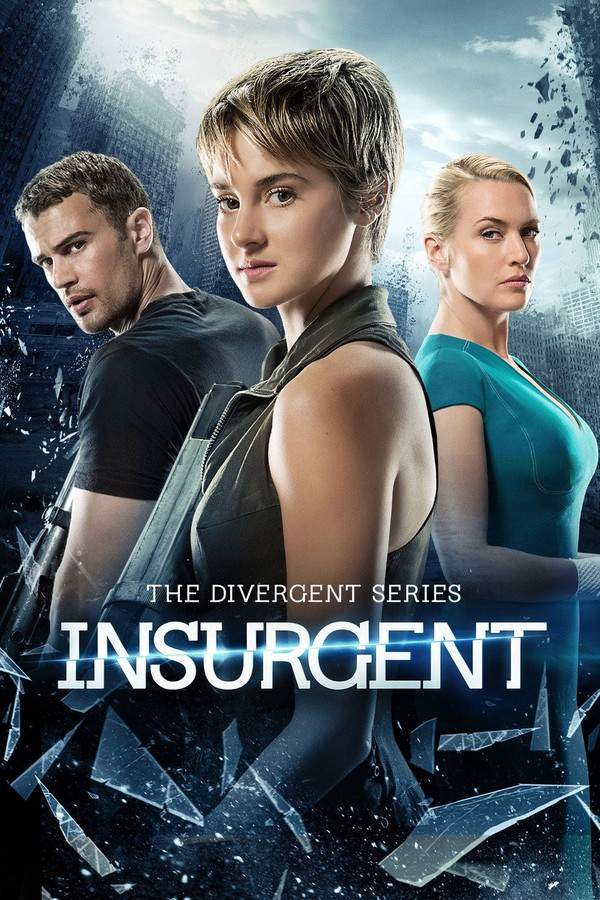
Movies about Music Censorship and Rebellion like Kilroy Was Here

Where the power of music becomes a weapon against tyranny. For viewers who loved the central theme of banned rock music in Kilroy Was Here, this list highlights films where music is a catalyst for rebellion. Discover similar stories where songs and artists challenge oppressive systems, blending sci-fi, drama, and the defiant energy of rock and roll.

  • rebellious
  • dystopian
  • music
  • defiant
  • tense
  • youth activism
  • Tone: tense, rebellious, hopeful
  • Pacing: fast, energetic
Why these movies?

The story pattern: The narrative pattern centers on a cultural crackdown where music is outlawed. A musician or fan becomes a symbol of resistance, using performances and the spirit of rock to inspire a movement. The conflict is as much about ideological control as it is about physical rebellion, often featuring themes of youth activism and framed protagonists.

Why they belong together: These films are united by the unique fusion of dystopian sci-fi with the rebellious energy of music. They share a specific thematic focus on censorship, the power of art as protest, and a tone that blends tense oppression with the hopeful, defiant spirit of rock.

Every angle

Kilroy Was Here (1983) Explained: Plot, Timeline & Characters

Everything about Kilroy Was Here in one place: what happens in the plot summary, the timeline in chronological order, the characters and meaning and a spoiler-free summary. What's After the Movie adds the cast, box office and post-credit scenes.

Coming soon on iOS and Android

The Plot Explained Movie Summary App

Plot summaries, endings explained and timelines on your phone. Catch up on any movie in minutes, save your favorites and never miss a twist again.

Be the first to know when we launch. Your email stays private, always.

Learn more about the app